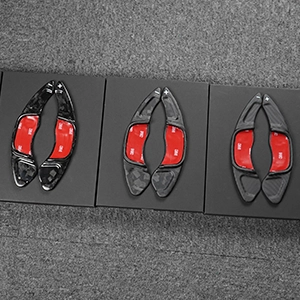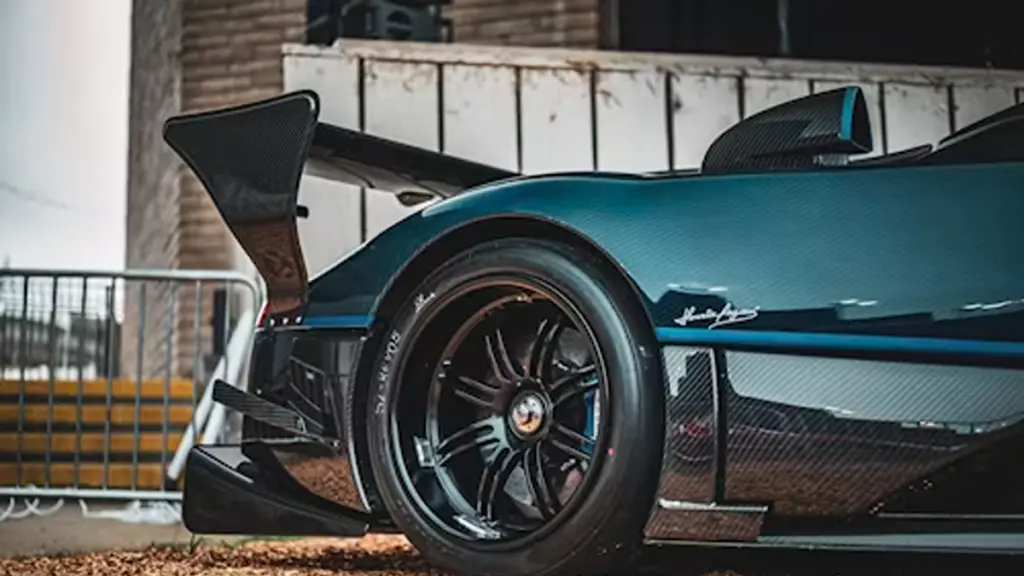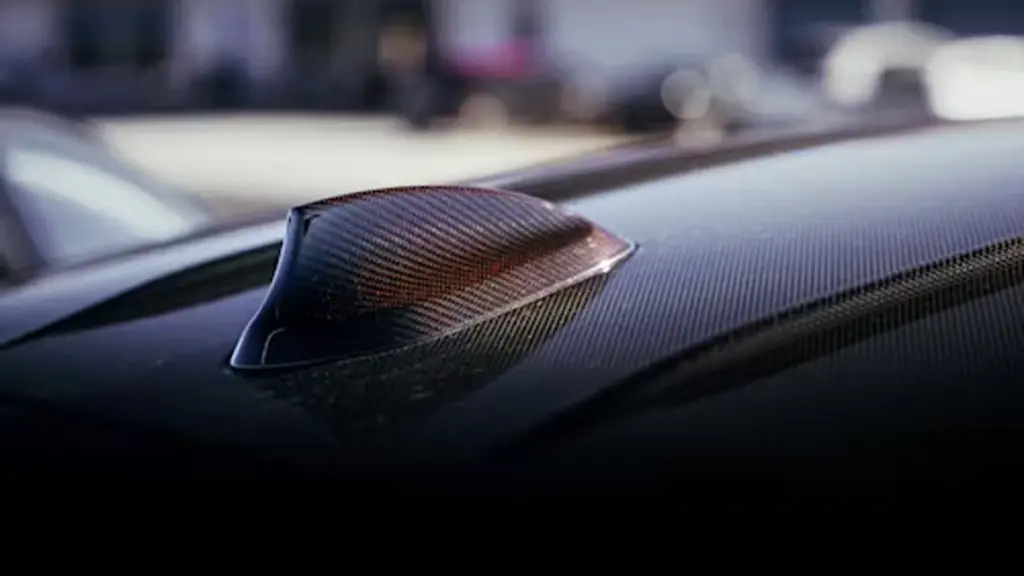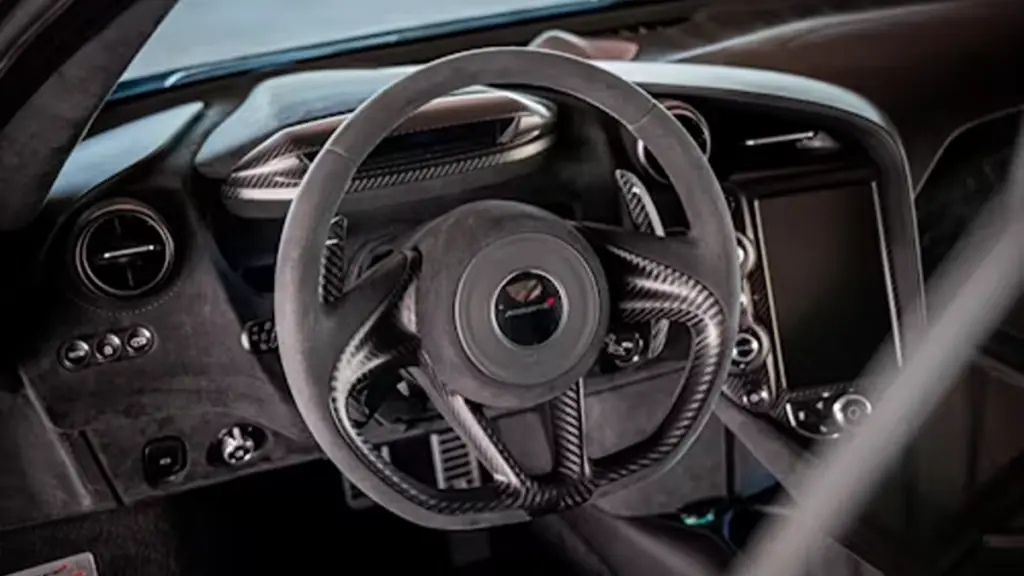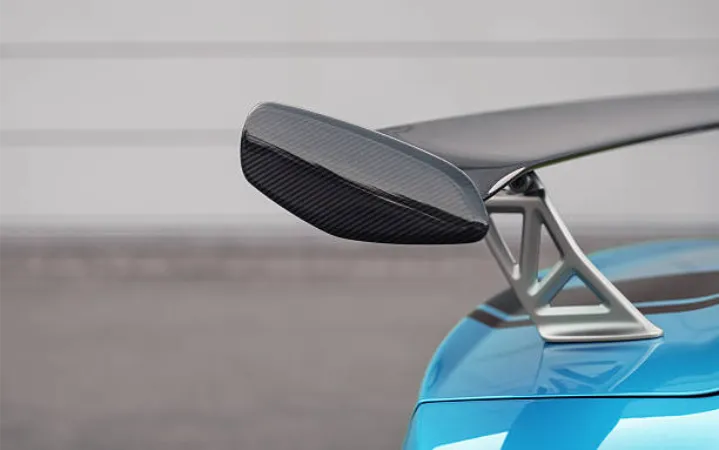
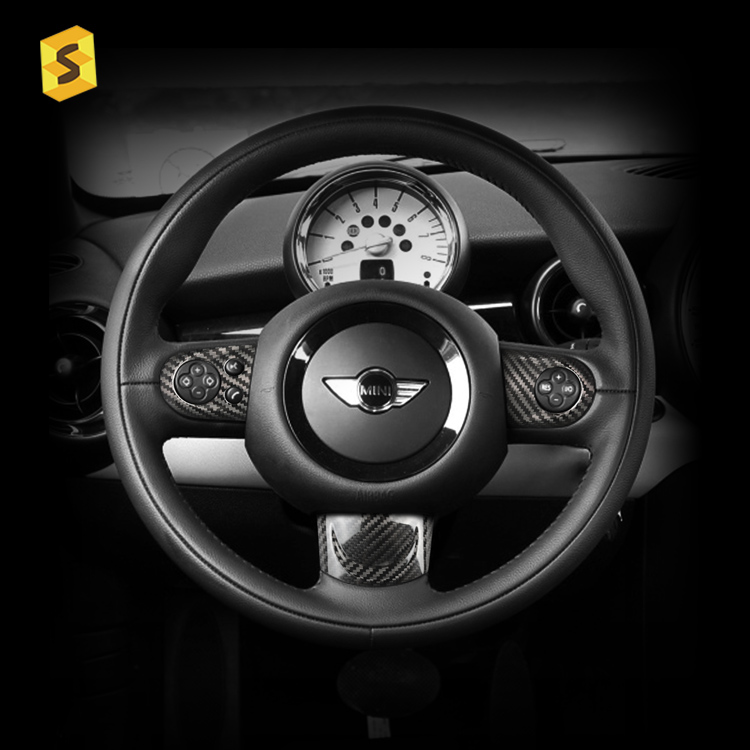
Carbon fiber car parts are increasingly being used in the automotive industry due to their exceptional strength-to-weight ratio, 空力の改善, そして美的魅力. Car manufacturers are using carbon fiber car parts for both exterior and interior design to enhance the performance and appearance of their vehicles.
の使用 外部のカーボンファイバー車の部品 設計コンポーネント, フードなど, ネタバレ, とフェンダー, 車両のパフォーマンスに大きな影響を与えます. 炭素繊維の車の部品の使用が成長し続けるにつれて, 理解することが重要です 製造プロセス それらを作成するために使用されます.
炭素繊維とは?
Before exploring the detailed manufacturing process of carbon fiber car parts, let’s first take a moment to understand what makes carbon fiber such a valuable material in modern engineering.
炭素繊維 is a lightweight, high-strength material made from thin strands of carbon atoms. These fibers are woven into a fabric and then combined with resin to create a strong composite material widely used in industries such as automotive, 航空宇宙, スポーツ用品.
Carbon fiber’s unique properties—such as its exceptional strength-to-weight ratio and high resistance to corrosion—make it ideal for use in high-performance applications like automotive, 航空宇宙, スポーツ用品. In the automotive industry, carbon fiber is used to enhance vehicle performance and aesthetics, particularly in components like hoods, ネタバレ, and interior parts.
How Are Carbon Fiber Car Parts Made?
The manufacturing process of carbon fiber car parts involves several key steps, each contributing to the final product’s strength, 軽量な性質, and high performance. Here’s a basic overview of the main stages involved:
- 物質的な調達 – High-quality carbon fiber and resin materials are selected for creating the composite.
- デザインと成形 – Accurate molds are created, and carbon fiber sheets are layered and infused with resin.
- プリプレグステージ – Resin is applied to the carbon fiber sheets to create a consistent composite material.
- 形成と硬化 – The carbon fiber is formed into its final shape and cured at high temperatures and pressures.
- Trimming and Cutting – Once cured, the parts are trimmed and cut to size.
- 品質管理 – Rigorous testing ensures that the parts meet performance standards.
- Final Inspection and Packaging – The parts undergo a final check before being packaged for shipment.
For a visual guide to these steps, check out this video by Composites World, which provides a clear look into the carbon fiber car parts manufacturing process. To follow up, we’ll now take a closer look at the seven key steps involved in the manufacturing process.
ステップ#1: 材料調達
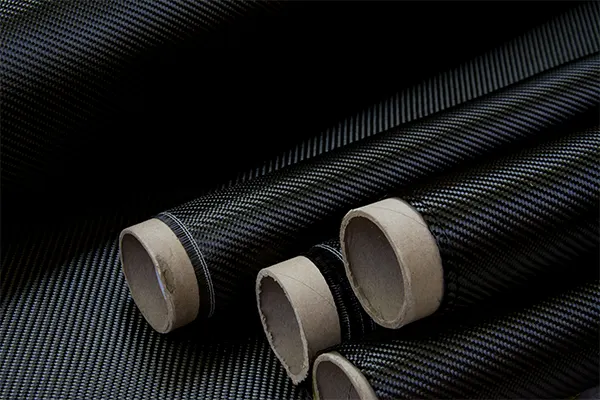
The quality of carbon fiber car parts begins with the raw materials. Carbon fiber is made from ultra-fine strands of carbon atoms that are woven together to form a strong, lightweight material. これらの繊維は、樹脂システムと組み合わされています, エポキシなど, フェノール, またはポリウレタン, to create a durable composite.
At our factory, we prioritize sourcing the highest-quality materials to ensure optimal performance. We use Toray’s 3K carbon fiber fabric, known for its excellent strength-to-weight ratio and durability. Variations in the quality of the resin or carbon fiber sheets can impact the final product’s durability and appearance. To ensure consistency, we carefully control each material batch.
In addition to the primary materials, we also use auxiliary products such as release agents, 硬化剤, カビの準備製品, which support the production process and help ensure the finished parts meet industry standards. By sourcing high-quality materials and using advanced manufacturing techniques, we guarantee our carbon fiber car parts provide top-notch performance and aesthetics.
ステップ#2: デザインと成形
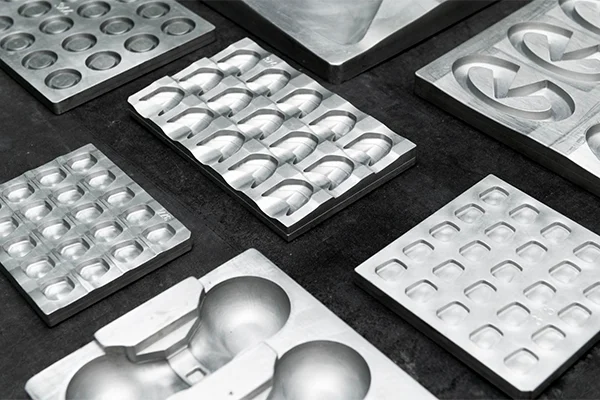
The process begins with creating precise molds, which are typically made from materials like aluminum, 鋼鉄, または複合. These molds need to withstand the high temperatures and pressures required to form carbon fiber parts accurately. At our factory, we handle custom mold development in-house, ensuring that each mold is created with precision to meet the required specifications.
Once the molds are ready, carbon fiber sheets are carefully trimmed to fit and then layered over the mold. These sheets are infused with a resin system, with layers oriented in specific directions to achieve the desired strength and stiffness. We also use vacuum bagging at this stage to apply consistent pressure across the entire surface, ensuring high-quality and uniform parts. Our ability to manage the entire carbon fiber parts manufacturing process, from cutting carbon fiber to resin infusion, allows us to deliver consistent results with faster lead times.
ステップ#3: プリプレグステージ
の間 “プリプレグ” カーボンファイバーカーパーツの製造プロセスの段階, 樹脂が分布し、炭素繊維が補強されます. This process involves combining the carbon fiber with a resin system, エポキシなど, 強力で耐久性のある複合材料を作成します.
The prepreg process can be accomplished by hand or with specialized machines.
- 手作業で行われた場合, 樹脂は最初にカーボンファイバーシートに適用されます, その後、樹脂分布さを確保するために層状に巻き込まれ、丸められます. 次に、樹脂でコーティングされた炭素繊維をサイズにカットし、金型に入れます.
- 特殊なマシンを使用する場合, 炭素繊維は、樹脂をシートに均等に適用する機械に供給されます. その後、樹脂でコーティングされた炭素繊維をサイズに合わせてカットし、手動ローリングを必要とせずに金型に配置できます.
プリプレグ段階で, it is important that the correct amount of resin is applied to the carbon fiber to ensure that it is fully infused and reinforced. If there is too little resin applied, 複合材料は脆すぎて割れやすい場合があります. 一方で, 樹脂が多すぎる場合, 最終製品の重量は増加する可能性があります, これは、炭素繊維を使用することの減量の利点を損なう可能性があります.
高品質のカーボンファイバーカー部品が生産されるようにします, メーカー 適切な量の樹脂を適用することと、均一な配布を確保することとの間のバランスをとる必要があります.
ステップ#4: 形成と硬化
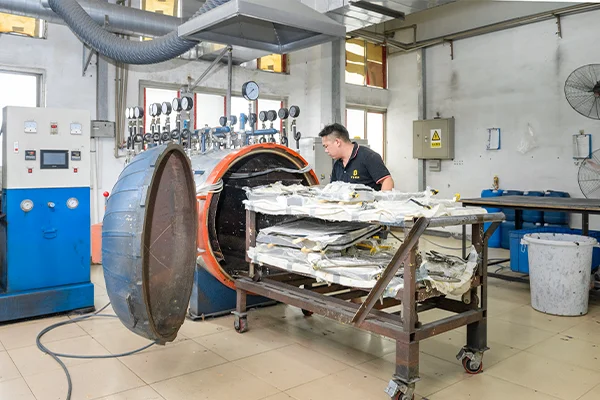
カーボンファイバーカーパーツの製造プロセスの形成と硬化段階で, 炭素繊維材料は最終的な形状に形成され、硬化して強力で耐久性のある複合材料を作成します.
The Formation Process
In the formation stage, the carbon fiber material, which has already been coated with resin, is carefully placed into the mold. This step requires high precision to ensure the carbon fiber conforms perfectly to the mold’s dimensions. そしてシャシャカーボン, we use advanced mold-making technology and expertise to ensure accuracy at this stage.
Once the material is in place, we apply vacuum bagging to ensure even pressure distribution across the entire surface of the part. The vacuum bagging process draws air out of the bag, creating a vacuum that helps achieve uniform pressure and a consistent shape. This method is crucial for creating high-quality carbon fiber car parts with excellent structural integrity.
The Curing Process
Once the part is formed, it enters the curing phase, where it is subjected to controlled heat and pressure. The curing process is essential for fully hardening the resin and reinforcing the carbon fiber composite. The temperature and pressure are carefully monitored and applied in stages. Initially, low heat and pressure are used to remove any trapped air, and then the temperature and pressure are increased to complete the curing.
If the curing process is not done correctly, the carbon fiber car parts may be brittle, weak, or prone to deformation or cracking. As a trusted carbon fiber car parts manufacturer, we use precise curing processes to ensure that the final product achieves the optimal strength and durability.
Step#5: Trimming and Cutting
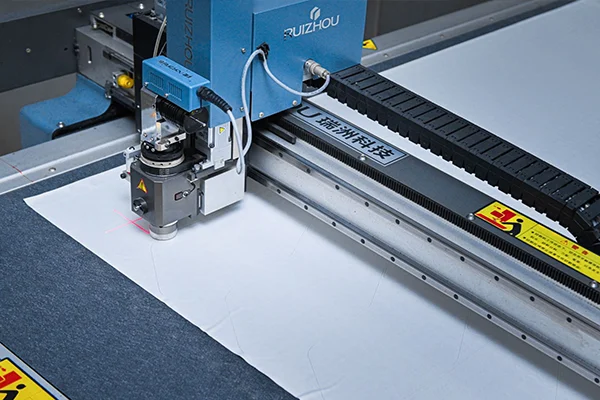
After the carbon fiber car parts have been formed and cured, they must be trimmed and cut to achieve their desired size and shape. Trimming and cutting can directly affect the final product’s weight, 強さ, and aesthetics.
The trimming and cutting process typically involves using CNC machines or hand tools, such as saws or scissors, to precisely cut the carbon fiber car parts to their final shape and size. しかし, the process can be challenging due to the carbon fiber’s brittleness, which means that precise cuts must be made to avoid the material from splintering or breaking.
そしてシャシャカーボン, we understand the importance of precision when trimming and cutting carbon fiber car parts. Even a slight deviation from the required size and shape can significantly impact both the part’s performance and appearance. 例えば, if a part is too large, it may not fit correctly, affecting the assembly of the final product. 一方で, if a component is too small, it may not provide the necessary level of support, which could cause the structure to weaken or fail over time.
As many of our carbon fiber parts are used for both functional and aesthetic purposes, accurate trimming and cutting are essential to ensure the parts not only perform well but also look flawless. Any imperfection, such as rough edges, could undermine the product’s overall quality and negatively impact customer satisfaction.
Step#6: 品質管理
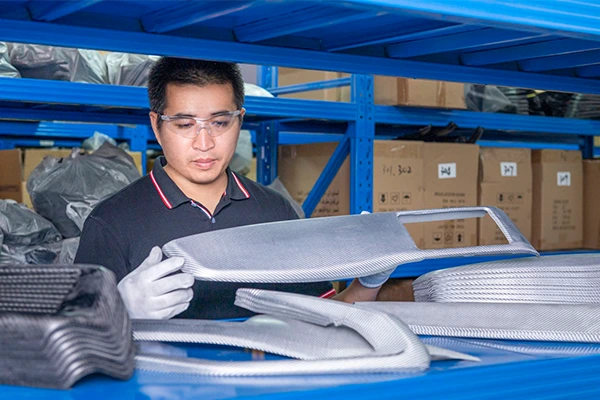
そしてシャシャカーボン, we integrate rigorous quality control at every stage of the carbon fiber parts manufacturing process, ensuring that each part meets the highest standards of strength and precision. The following are some of the most common quality control tests applied:
- Visual inspection: This test is necessary to detect surface imperfections or flaws not visible to the naked eye, such as cracks and bubbles.
- Ultrasonic testing: This test involves the use of sound waves to evaluate the integrity of the composite material.
- X-ray testing: This test uses x-rays to check the composite material’s internal structure in areas where visual inspection is challenging.
- Thermal testing: This test determines the composite material’s ability to withstand high temperatures and provides information about curing completeness.
- Tensile and compression testing: These tests evaluate the strength and durability of the composite material and identify flaws in its construction.
With our expertise as a leading carbon fiber car parts manufacturer, we conduct high-frequency testing to detect defects early, ensuring that every part meets our strict standards for performance and durability. This commitment to thorough testing guarantees reliable, high-quality products for our clients.
Step#7: Final Inspection and Packaging
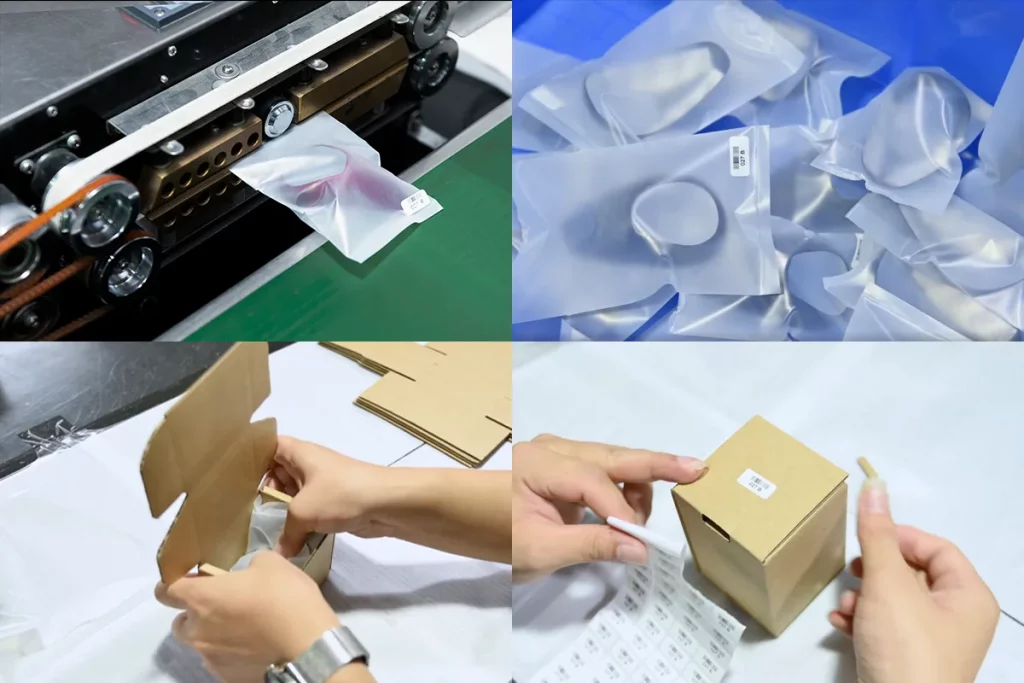
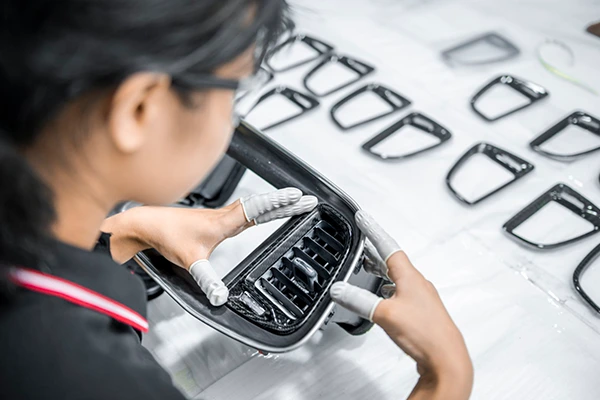
The final inspection process verifies that the carbon fiber car parts are free from defects and meet the required specifications.
Visual Inspection
This process typically involves a visual inspection where the final product is compared against the original design or order specifications. Other testing methods may also be employed, such as ultrasonic or thermal testing, to ensure that the composite material is free from any structural or surface defects. Once the carbon fiber parts pass the final inspection, they are ready for packaging.
Proper Packaging
Proper packaging is essential to protect carbon fiber car parts during transportation and storage. The parts are typically packaged with protective materials, such as foam, bubble wrap, or cardboard, to prevent damage during transit. The packaging used is typically chosen with the transportation method in mind, such as planes having less rigorous packaging requirements compared to ground vehicles.
Labels
Labels with customer information, product identification codes, and barcodes may be added to the packaging. These labels help to identify the parts during inventory management and aid in the tracking and shipping process.
Shipment
Finally, the carbon fiber car parts are prepared for shipment. The handling of the shipment is carefully coordinated with shipping companies to ensure that the products reach their intended destination without delay or damage. Carbon fiber car parts are often shipped to automotive manufacturers, 販売代理店, or directly to customers who have ordered custom parts.
結論
In summary, the manufacturing process for carbon fiber car parts is a complex and meticulous process that involves several stages, including material selection, layup, 硬化, trimming and cutting, quality control, and final inspection and packaging. Each stage must be executed with precision and accuracy to ensure high-quality products that meet the desired specifications.
Carbon fiber car parts are a crucial component in modern car design, offering unique properties that improve vehicle performance, 安全性, and aesthetics. The future of carbon fiber car parts in the automotive industry looks promising, and we can expect to see more car manufacturers adopting this material in their products.
よくある質問
What materials are used to make carbon fiber?
Carbon fiber is made from polyacrylonitrile (パン) or pitch, which are heated to high temperatures to form thin, strong fibers. These fibers are combined with a resin system for composite manufacturing.
What’s the difference between wet layup and prepreg?
Wet layup involves manually applying resin to carbon fiber sheets before molding, while prepreg carbon fiber comes pre-impregnated with resin, ensuring consistent material quality and reduced labor.
Are carbon fiber car parts expensive?
はい, carbon fiber car parts are expensive due to the high cost of raw materials, the intricate manufacturing process, and the advanced technology required to produce lightweight, high-performance components.