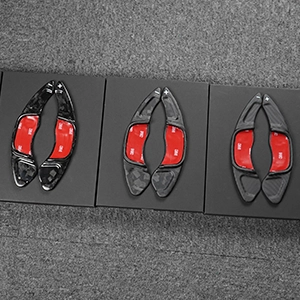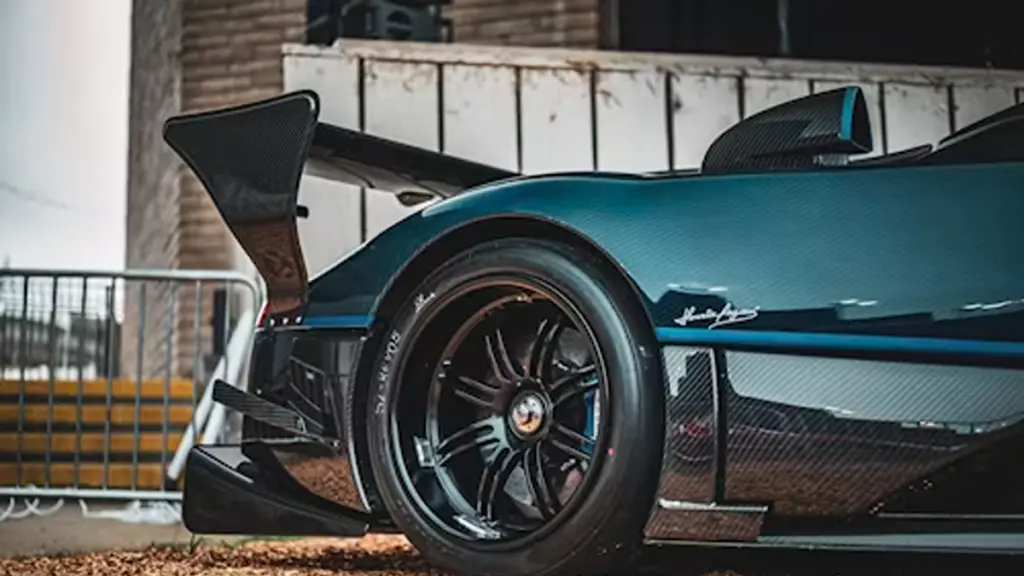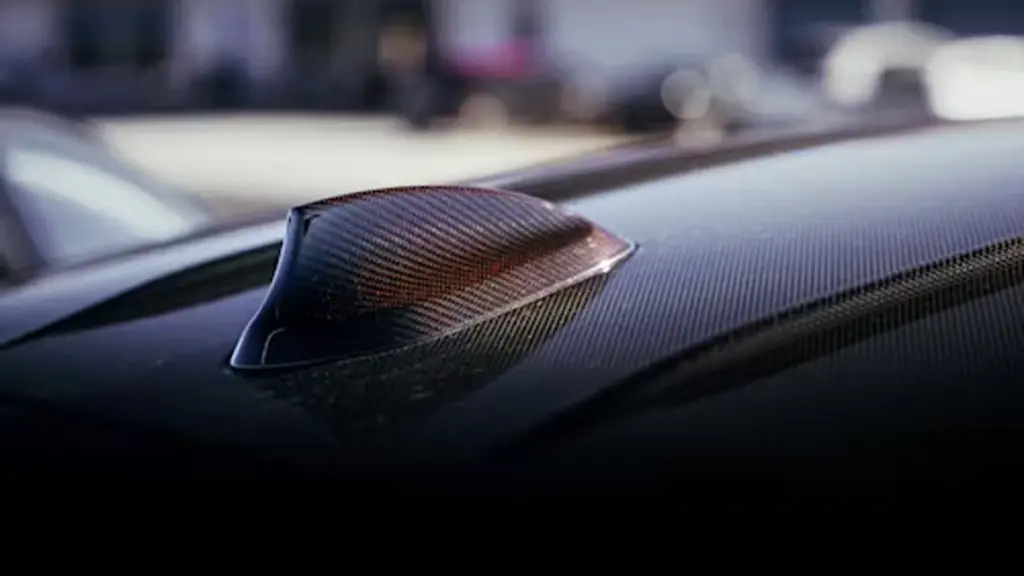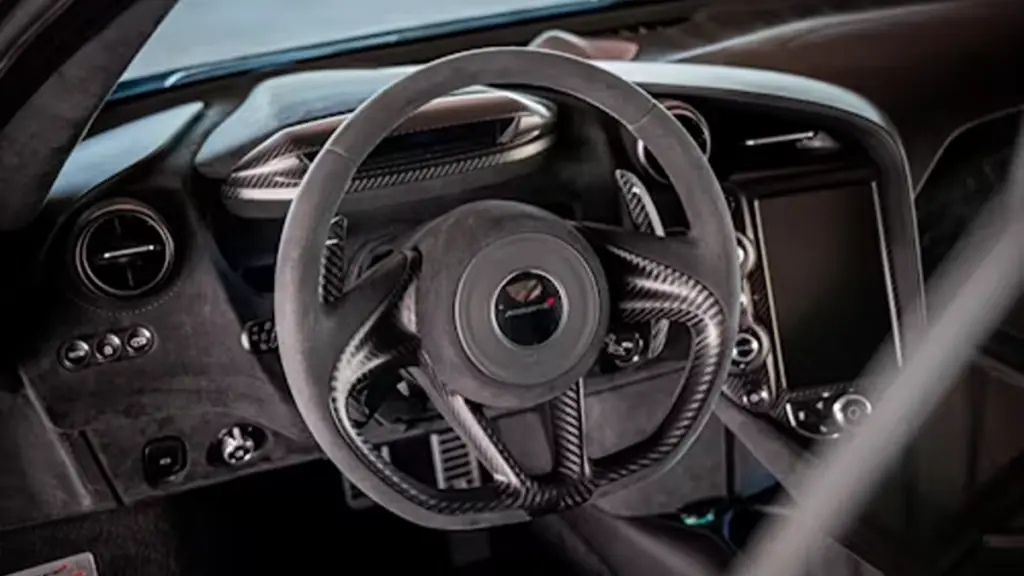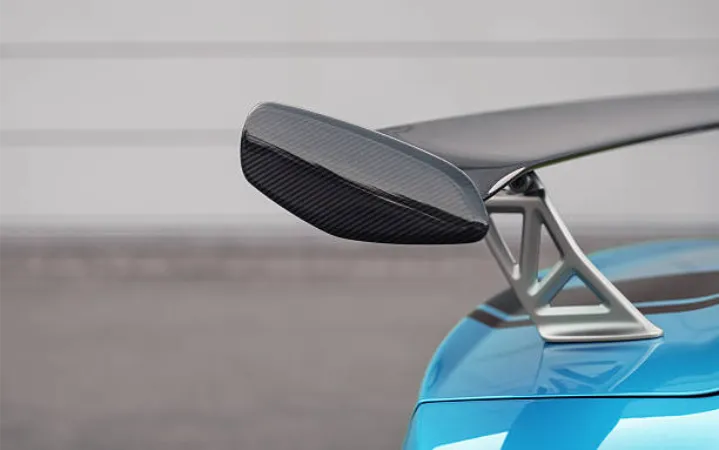

Carbon fiber car parts are increasingly being used in the automotive industry due to their exceptional strength-to-weight ratio, Aérodynamisme amélioré, et attrait esthétique. Car manufacturers are using carbon fiber car parts for both exterior and interior design to enhance the performance and appearance of their vehicles.
L'utilisation de Pièces de voitures en fibre de carbone à l'extérieur composants de conception, comme les capuchons, spoilers, et les ailes, has a significant impact on a vehicle’s performance. À mesure que l'utilisation de pièces automobiles en fibre de carbone continue de croître, il est important de comprendre le processus de fabrication utilisé pour les créer.
Qu'est-ce que la fibre de carbone?
Before exploring the detailed manufacturing process of carbon fiber car parts, let’s first take a moment to understand what makes carbon fiber such a valuable material in modern engineering.
Fibre de carbone is a lightweight, high-strength material made from thin strands of carbon atoms. These fibers are woven into a fabric and then combined with resin to create a strong composite material widely used in industries such as automotive, aérospatial, et équipements sportifs.
Carbon fiber’s unique properties—such as its exceptional strength-to-weight ratio and high resistance to corrosion—make it ideal for use in high-performance applications like automotive, aérospatial, et équipements sportifs. In the automotive industry, carbon fiber is used to enhance vehicle performance and aesthetics, particularly in components like hoods, spoilers, and interior parts.
How Are Carbon Fiber Car Parts Made?
The manufacturing process of carbon fiber car parts involves several key steps, each contributing to the final product’s strength, caractère léger, and high performance. Here’s a basic overview of the main stages involved:
- Source des matériaux – High-quality carbon fiber and resin materials are selected for creating the composite.
- Conception et moulure – Accurate molds are created, and carbon fiber sheets are layered and infused with resin.
- Étape préimpressive – Resin is applied to the carbon fiber sheets to create a consistent composite material.
- Formation et durcissement – The carbon fiber is formed into its final shape and cured at high temperatures and pressures.
- Coupe et coupe – Once cured, the parts are trimmed and cut to size.
- Contrôle de qualité – Rigorous testing ensures that the parts meet performance standards.
- Inspection et emballage finaux – The parts undergo a final check before being packaged for shipment.
For a visual guide to these steps, check out this video by Composites World, which provides a clear look into the carbon fiber car parts manufacturing process. To follow up, we’ll now take a closer look at the seven key steps involved in the manufacturing process.
Étape n ° 1: Source des matériaux
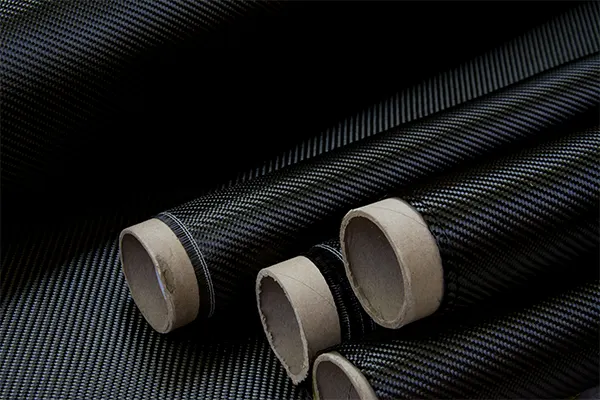
The quality of carbon fiber car parts begins with the raw materials. Carbon fiber is made from ultra-fine strands of carbon atoms that are woven together to form a strong, lightweight material. Ces fibres sont combinées avec un système de résine, comme l'époxy, phénolique, ou polyuréthane, to create a durable composite.
At our factory, we prioritize sourcing the highest-quality materials to ensure optimal performance. We use Toray’s 3K carbon fiber fabric, known for its excellent strength-to-weight ratio and durability. Variations in the quality of the resin or carbon fiber sheets can impact the final product’s durability and appearance. To ensure consistency, we carefully control each material batch.
In addition to the primary materials, we also use auxiliary products such as release agents, Durcisseurs, et produits de préparation de moisissures, which support the production process and help ensure the finished parts meet industry standards. By sourcing high-quality materials and using advanced manufacturing techniques, we guarantee our carbon fiber car parts provide top-notch performance and aesthetics.
Étape n ° 2: Conception et moulure
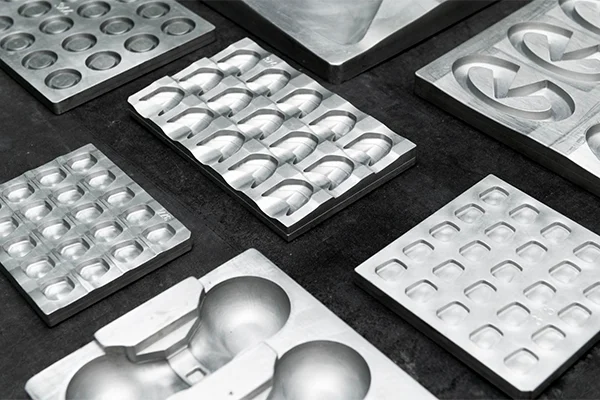
The process begins with creating precise molds, which are typically made from materials like aluminum, acier, ou composite. These molds need to withstand the high temperatures and pressures required to form carbon fiber parts accurately. At our factory, we handle custom mold development in-house, ensuring that each mold is created with precision to meet the required specifications.
Once the molds are ready, carbon fiber sheets are carefully trimmed to fit and then layered over the mold. These sheets are infused with a resin system, with layers oriented in specific directions to achieve the desired strength and stiffness. We also use vacuum bagging at this stage to apply consistent pressure across the entire surface, ensuring high-quality and uniform parts. Our ability to manage the entire carbon fiber parts manufacturing process, from cutting carbon fiber to resin infusion, allows us to deliver consistent results with faster lead times.
Étape # 3: Étape préimpressive
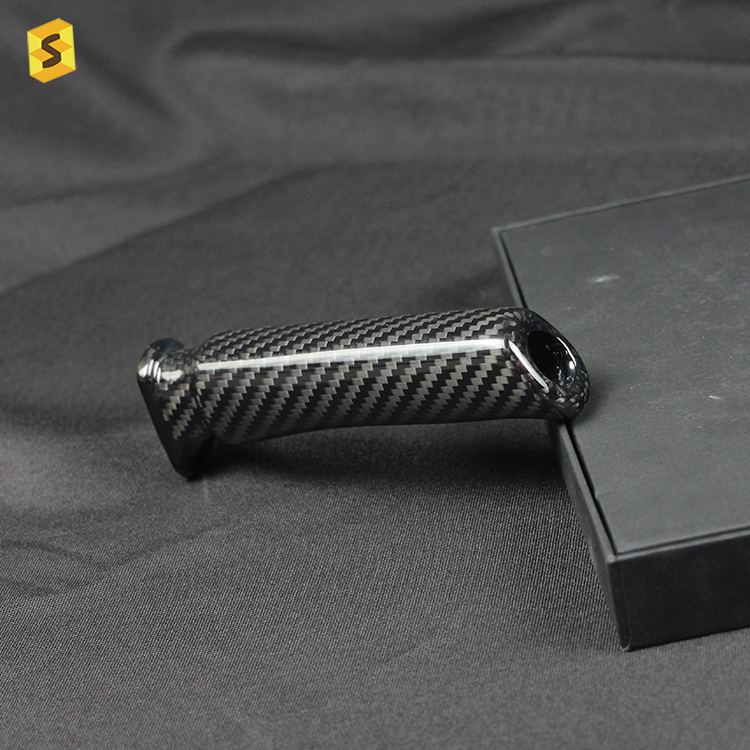
Pendant « préampe » étape du processus de fabrication de pièces de voiture en fibre de carbone en fibre de carbone, La résine est distribuée et la fibre de carbone est renforcée. This process involves combining the carbon fiber with a resin system, comme l'époxy, Pour créer un matériau composite fort et durable.
The prepreg process can be accomplished by hand or with specialized machines.
- Une fois fait à la main, La résine est d'abord appliquée aux feuilles de fibre de carbone, qui sont ensuite superposés et roulés pour assurer une distribution même en résine. La fibre de carbone enrobée de résine est ensuite coupée à la taille et placée dans un moule.
- Lorsque vous utilisez des machines spécialisées, La fibre de carbone est alimentée par une machine qui applique uniformément la résine à la feuille. La fibre de carbone enrobée de résine peut ensuite être coupée à la taille et placée dans le moule sans avoir besoin d'un roulement manuel.
Pendant le stade préimprégné, it is important that the correct amount of resin is applied to the carbon fiber to ensure that it is fully infused and reinforced. If there is too little resin applied, Le matériau composite peut être trop cassant et sujet à la fissuration. D'autre part, Si trop de résine est utilisée, Le poids du produit final peut augmenter, qui peut compromettre les avantages de réduction du poids de l'utilisation de la fibre de carbone.
Pour garantir que les pièces de voiture en fibre de carbone de haute qualité sont produites, fabricants doit trouver un solde entre l'application de la bonne quantité de résine et assurer une distribution même.
Étape n ° 4: Formation et durcissement
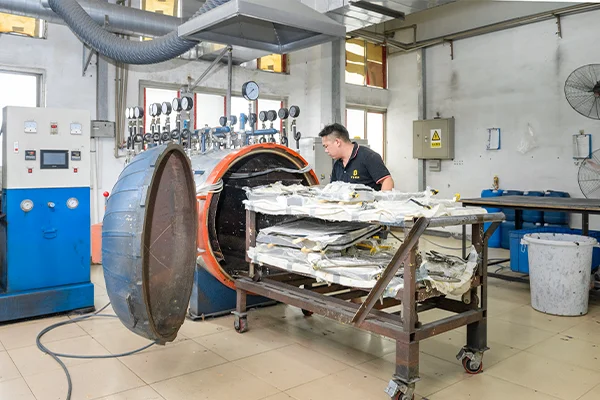
Dans le stade de formation et de durcissement du processus de fabrication de la pièce de voiture en fibre de carbone, Le matériau en fibre de carbone est formé dans sa forme finale puis durci pour créer un matériau composite fort et durable.
The Formation Process
In the formation stage, the carbon fiber material, which has already been coated with resin, is carefully placed into the mold. This step requires high precision to ensure the carbon fiber conforms perfectly to the mold’s dimensions. Et Shasha Carbone, we use advanced mold-making technology and expertise to ensure accuracy at this stage.
Once the material is in place, we apply vacuum bagging to ensure even pressure distribution across the entire surface of the part. The vacuum bagging process draws air out of the bag, creating a vacuum that helps achieve uniform pressure and a consistent shape. This method is crucial for creating high-quality carbon fiber car parts with excellent structural integrity.
The Curing Process
Once the part is formed, it enters the curing phase, where it is subjected to controlled heat and pressure. The curing process is essential for fully hardening the resin and reinforcing the carbon fiber composite. The temperature and pressure are carefully monitored and applied in stages. Initially, low heat and pressure are used to remove any trapped air, and then the temperature and pressure are increased to complete the curing.
Si le processus de durcissement n'est pas fait correctement, Les pièces de voitures en fibre de carbone peuvent être cassantes, faible, ou sujet à la déformation ou à la fissuration. As a trusted carbon fiber car parts manufacturer, we use precise curing processes to ensure that the final product achieves the optimal strength and durability.
Étape n ° 5: Coupe et coupe
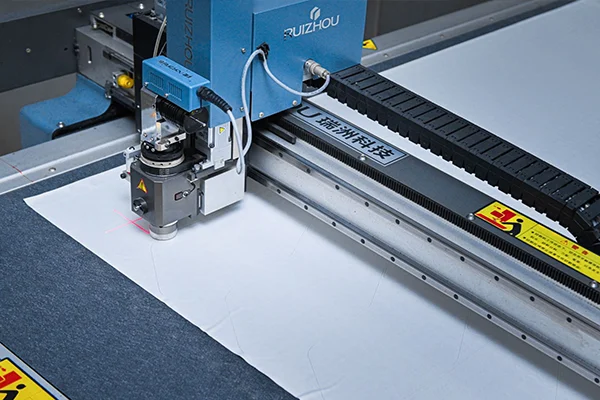
Une fois les pièces automobiles en fibre de carbone qui ont été formées et guéries, Ils doivent être coupés et coupés pour atteindre la taille et la forme souhaitées. Trimming and cutting can directly affect the final product’le poids, force, et esthétique.
The trimming and cutting process typically involves using CNC machines or hand tools, comme des scies ou des ciseaux, Pour couper précisément les pièces de voiture en fibre de carbone à leur forme et taille finales. Cependant, the process can be challenging due to the carbon fiber’s brittleness, ce qui signifie que des coupes précises doivent être effectuées pour éviter que le matériau ne se déchaîne ou ne se brise.
Et Shasha Carbone, we understand the importance of precision when trimming and cutting carbon fiber car parts. Even a slight deviation from the required size and shape can significantly impact both the part’s performance and appearance. Par exemple, Si une pièce est trop grande, il peut ne pas s'adapter correctement, affectant l'assemblage du produit final. D'autre part, Si un composant est trop petit, il peut ne pas fournir le niveau de soutien nécessaire, ce qui pourrait faire affaiblir ou échouer la structure avec le temps.
As many of our carbon fiber parts are used for both functional and aesthetic purposes, accurate trimming and cutting are essential to ensure the parts not only perform well but also look flawless. Toute imperfection, comme les bords rugueux, could undermine the product’s overall quality and negatively impact customer satisfaction.
Étape # 6: Contrôle de qualité
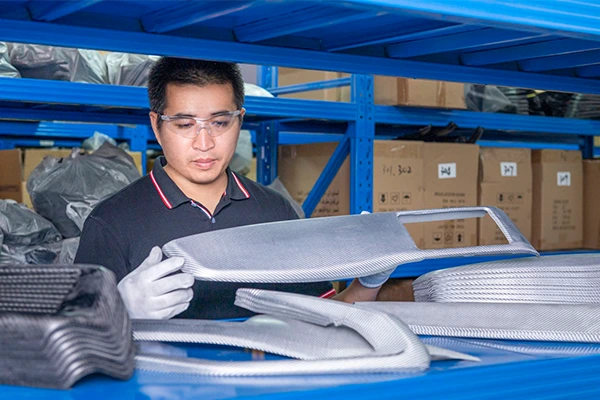
Et Shasha Carbone, we integrate rigorous quality control at every stage of the carbon fiber parts manufacturing process, ensuring that each part meets the highest standards of strength and precision. Voici quelques-uns des tests de contrôle de la qualité les plus courants appliqués:
- Inspection visuelle: Ce test est nécessaire pour détecter les imperfections de surface ou les défauts non visibles à l'œil nu, comme les fissures et les bulles.
- Tests ultrasoniques: Ce test implique l'utilisation d'ondes sonores pour évaluer l'intégrité du matériau composite.
- Test de rayons X: This test uses x-rays to check the composite material’s internal structure in areas where visual inspection is challenging.
- Tests thermiques: This test determines the composite material’s ability to withstand high temperatures and provides information about curing completeness.
- Tests de traction et de compression: Ces tests évaluent la résistance et la durabilité du matériau composite et identifient les défauts dans sa construction.
With our expertise as a leading carbon fiber car parts manufacturer, we conduct high-frequency testing to detect defects early, ensuring that every part meets our strict standards for performance and durability. This commitment to thorough testing guarantees reliable, high-quality products for our clients.
Étape # 7: Inspection et emballage finaux
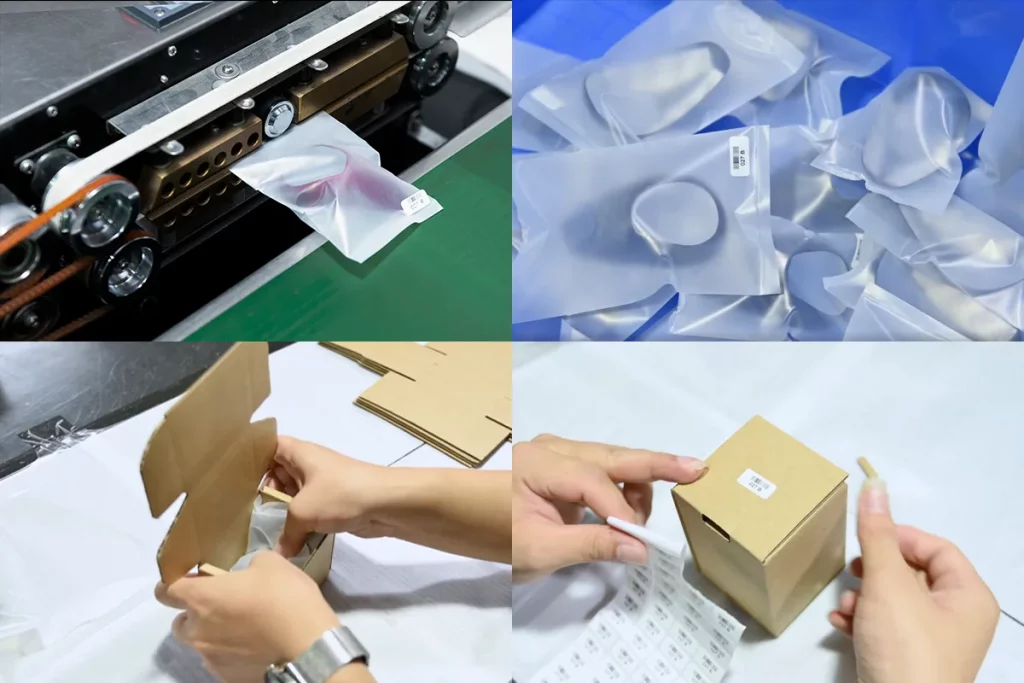
Le processus d'inspection final vérifie que les pièces de voitures en fibre de carbone sont exemptes de défauts et respectent les spécifications requises.
Inspection visuelle
This process typically involves a visual inspection where the final product is compared against the original design or order specifications. D'autres méthodes de test peuvent également être utilisées, such as ultrasonic or thermal testing, Pour s'assurer que le matériau composite est exempt de tout défaut structurel ou de surface. Une fois que les pièces en fibre de carbone passent l'inspection finale, Ils sont prêts pour l'emballage.
Emballage approprié
Des emballages appropriés sont essentiels pour protéger les pièces automobiles en fibre de carbone pendant le transport et le stockage. Les pièces sont généralement emballées avec des matériaux de protection, such as foam, emballage de bulle, ou carton, Pour éviter les dommages pendant le transit. L'emballage utilisé est généralement choisi avec la méthode de transport à l'esprit, comme les avions ayant des exigences d'emballage moins rigoureuses par rapport aux véhicules au sol.
Étiquettes
Étiquettes avec des informations clients, codes d'identification des produits, et des codes à barres peuvent être ajoutés à l'emballage. Ces étiquettes aident à identifier les pièces pendant la gestion des stocks et à aider le processus de suivi et d'expédition.
Expédition
Enfin, Les pièces automobiles en fibre de carbone sont préparées pour l'expédition. Le traitement de l'envoi est soigneusement coordonné avec les compagnies maritimes pour s'assurer que les produits atteignent leur destination prévue sans délai ni dommage. Les pièces automobiles en fibre de carbone sont souvent expédiées aux constructeurs automobiles, distributeurs, ou directement aux clients qui ont commandé des pièces personnalisées.
Conclusion
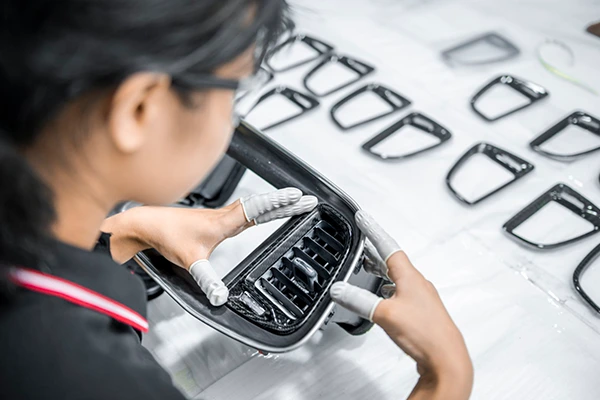
En résumé, Le processus de fabrication pour les pièces automobiles en fibre de carbone est un processus complexe et méticuleux qui implique plusieurs étapes, including material selection, lay-up, durcissement, coupe et coupe, contrôle de qualité, et inspection et emballage finaux. Chaque étape doit être exécutée avec précision et précision pour garantir des produits de haute qualité qui répondent aux spécifications souhaitées.
Les pièces automobiles en fibre de carbone sont un élément crucial de la conception de voitures modernes, Offrir des propriétés uniques qui améliorent les performances des véhicules, sécurité, et esthétique. L'avenir des pièces automobiles en fibre de carbone dans l'industrie automobile semble prometteuse, Et nous pouvons nous attendre à voir plus de constructeurs automobiles adopter ce matériel dans leurs produits.
FAQS
What materials are used to make carbon fiber?
Carbon fiber is made from polyacrylonitrile (POÊLE) or pitch, which are heated to high temperatures to form thin, strong fibers. These fibers are combined with a resin system for composite manufacturing.
What’s the difference between wet layup and prepreg?
Wet layup involves manually applying resin to carbon fiber sheets before molding, while prepreg carbon fiber comes pre-impregnated with resin, ensuring consistent material quality and reduced labor.
Are carbon fiber car parts expensive?
Oui, carbon fiber car parts are expensive due to the high cost of raw materials, the intricate manufacturing process, and the advanced technology required to produce lightweight, high-performance components.