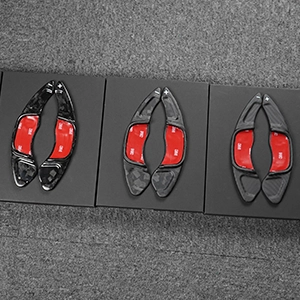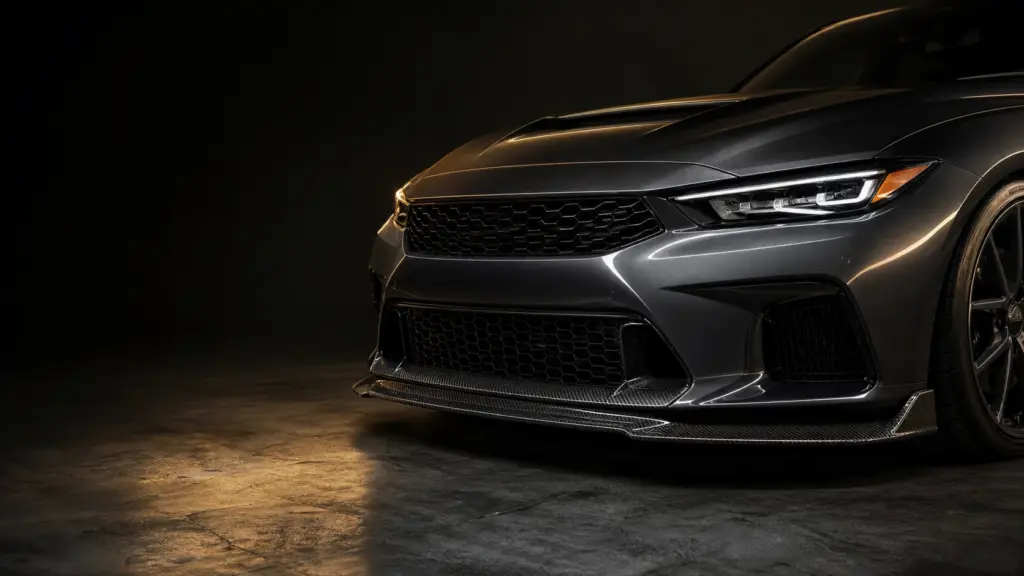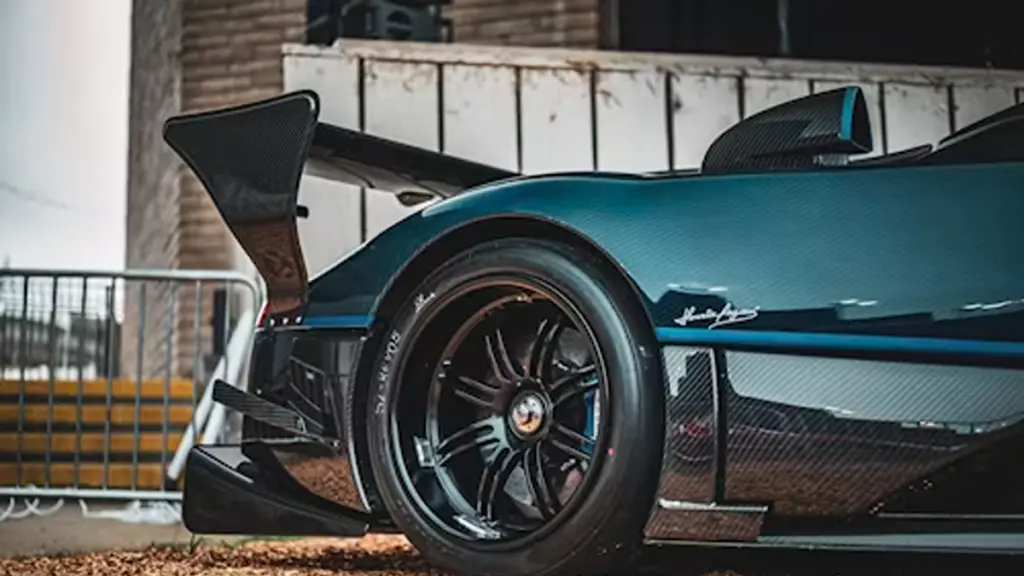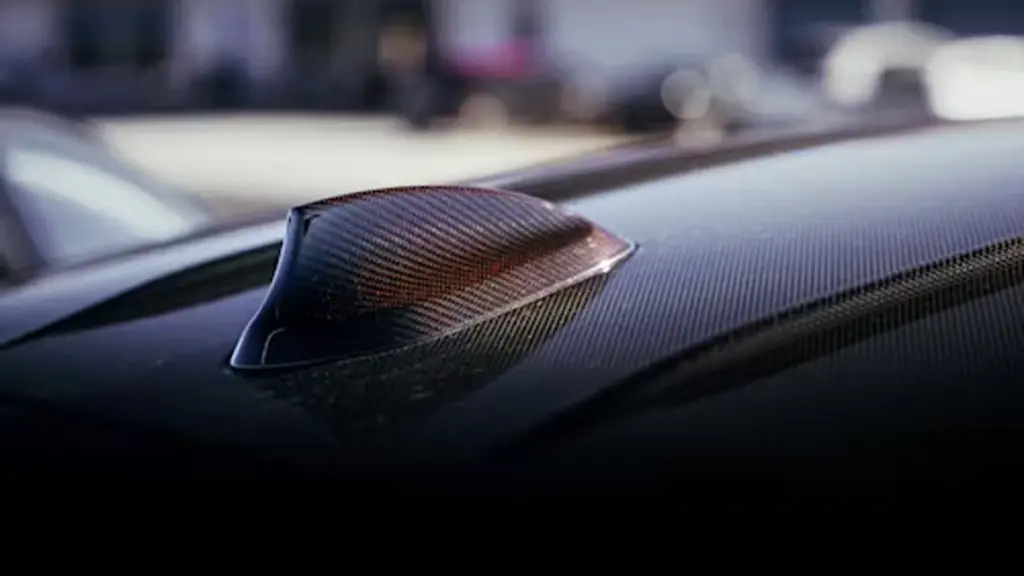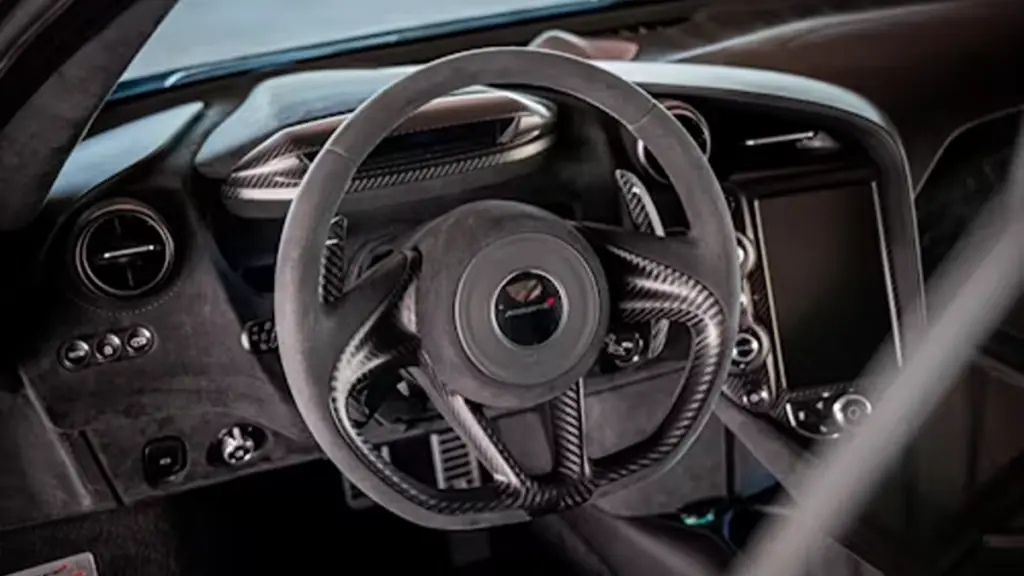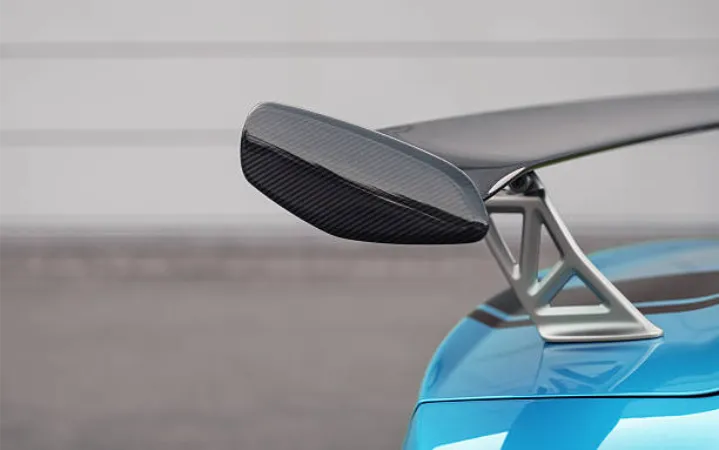
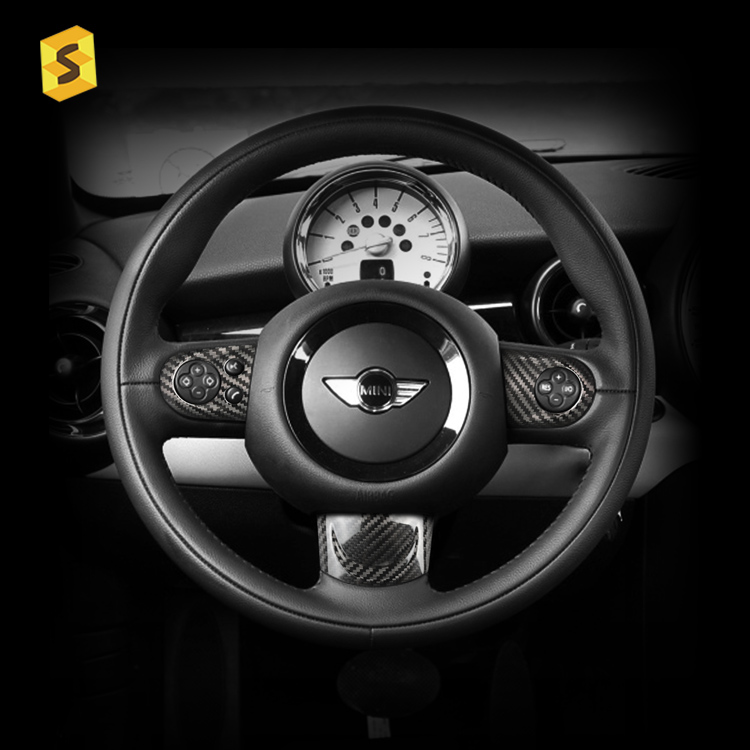
Carbon fiber car parts are increasingly being used in the automotive industry due to their exceptional strength-to-weight ratio, aerodinámica mejorada, y atractivo estético. Car manufacturers are using carbon fiber car parts for both exterior and interior design to enhance the performance and appearance of their vehicles.
El uso de Piezas de coche de fibra de carbono en el exterior. componentes de diseño, como capuchas, spoilers, y guardabarros, tiene un impacto significativo en el rendimiento de un vehículo. A medida que el uso de piezas de automóviles de fibra de carbono continúa creciendo, es importante entender el proceso de manufactura utilizado para crearlos.
¿Qué es la fibra de carbono??
Before exploring the detailed manufacturing process of carbon fiber car parts, let’s first take a moment to understand what makes carbon fiber such a valuable material in modern engineering.
Fibra de carbon is a lightweight, high-strength material made from thin strands of carbon atoms. These fibers are woven into a fabric and then combined with resin to create a strong composite material widely used in industries such as automotive, aeroespacial, y equipamiento deportivo.
Carbon fiber’s unique properties—such as its exceptional strength-to-weight ratio and high resistance to corrosion—make it ideal for use in high-performance applications like automotive, aeroespacial, y equipamiento deportivo. En la industria automotriz, carbon fiber is used to enhance vehicle performance and aesthetics, particularly in components like hoods, spoilers, and interior parts.
How Are Carbon Fiber Car Parts Made?
The manufacturing process of carbon fiber car parts involves several key steps, each contributing to the final product’s strength, naturaleza ligera, y alto rendimiento. Here’s a basic overview of the main stages involved:
- Abastecimiento de materiales – High-quality carbon fiber and resin materials are selected for creating the composite.
- Diseño y moldeado – Accurate molds are created, and carbon fiber sheets are layered and infused with resin.
- Etapa preimpregnada – Resin is applied to the carbon fiber sheets to create a consistent composite material.
- Formación y curado – The carbon fiber is formed into its final shape and cured at high temperatures and pressures.
- Recortar y cortar – Once cured, the parts are trimmed and cut to size.
- Control de calidad – Rigorous testing ensures that the parts meet performance standards.
- Inspección final y embalaje – The parts undergo a final check before being packaged for shipment.
For a visual guide to these steps, check out this video by Composites World, which provides a clear look into the carbon fiber car parts manufacturing process. To follow up, we’ll now take a closer look at the seven key steps involved in the manufacturing process.
Paso 1: Abastecimiento de materiales
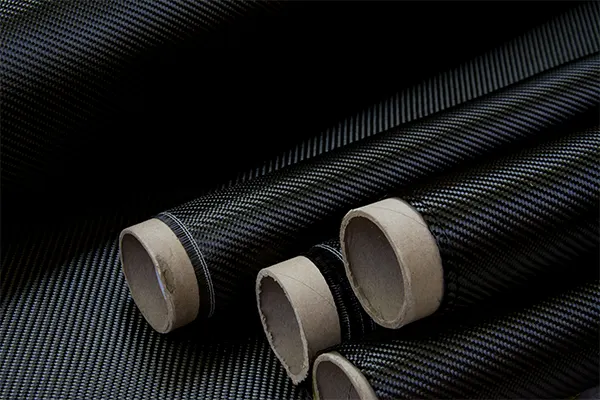
The quality of carbon fiber car parts begins with the raw materials. Carbon fiber is made from ultra-fine strands of carbon atoms that are woven together to form a strong, lightweight material. Estas fibras se combinan con un sistema de resina., como epoxi, fenólico, o poliuretano, to create a durable composite.
At our factory, we prioritize sourcing the highest-quality materials to ensure optimal performance. We use Toray’s 3K carbon fiber fabric, known for its excellent strength-to-weight ratio and durability. Variations in the quality of the resin or carbon fiber sheets can impact the final product’s durability and appearance. To ensure consistency, we carefully control each material batch.
In addition to the primary materials, we also use auxiliary products such as release agents, endurecedores, y productos de preparación de moldes, which support the production process and help ensure the finished parts meet industry standards. By sourcing high-quality materials and using advanced manufacturing techniques, we guarantee our carbon fiber car parts provide top-notch performance and aesthetics.
Paso 2: Diseño y moldeado
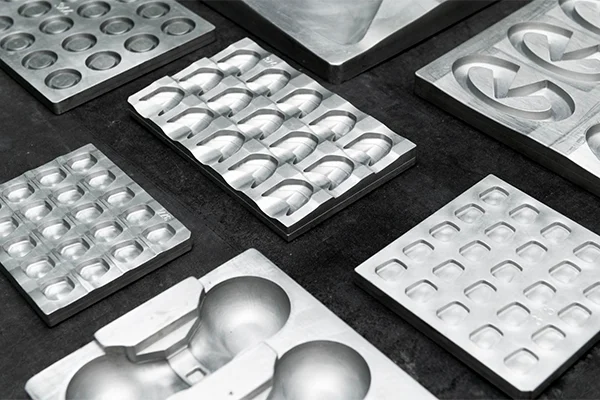
The process begins with creating precise molds, which are typically made from materials like aluminum, acero, o compuesto. These molds need to withstand the high temperatures and pressures required to form carbon fiber parts accurately. At our factory, we handle custom mold development in-house, ensuring that each mold is created with precision to meet the required specifications.
Once the molds are ready, carbon fiber sheets are carefully trimmed to fit and then layered over the mold. These sheets are infused with a resin system, with layers oriented in specific directions to achieve the desired strength and stiffness. We also use vacuum bagging at this stage to apply consistent pressure across the entire surface, ensuring high-quality and uniform parts. Our ability to manage the entire carbon fiber parts manufacturing process, from cutting carbon fiber to resin infusion, allows us to deliver consistent results with faster lead times.
Paso 3: Etapa preimpregnada
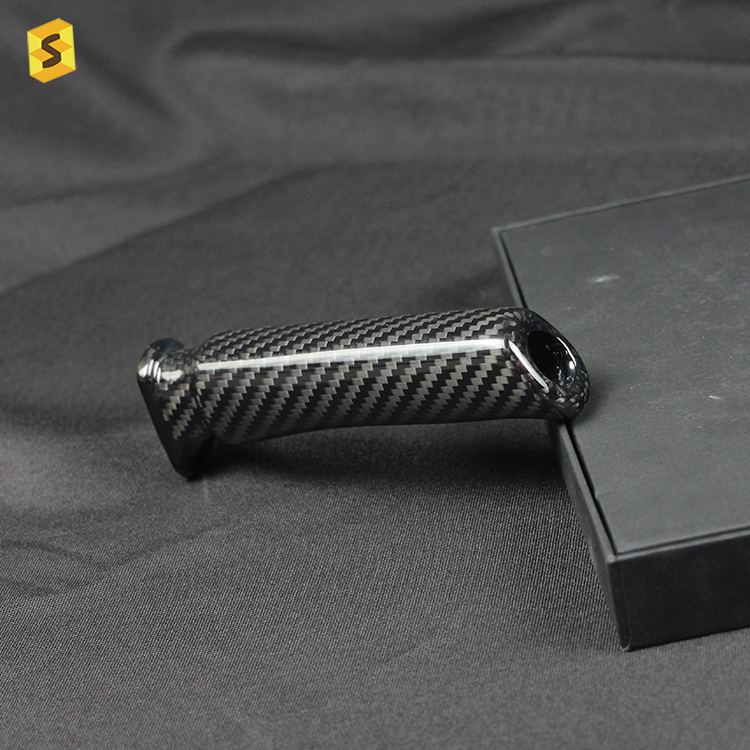
Durante el «preimpregnado» Etapa del proceso de fabricación de piezas de automóviles de fibra de carbono., Se distribuye la resina y se refuerza la fibra de carbono.. This process involves combining the carbon fiber with a resin system, como epoxi, para crear un material compuesto resistente y duradero.
The prepreg process can be accomplished by hand or with specialized machines.
- Cuando se hace a mano, La resina se aplica primero a las láminas de fibra de carbono., que luego se colocan en capas y se enrollan para garantizar una distribución uniforme de la resina.. Luego, la fibra de carbono recubierta de resina se corta a medida y se coloca en un molde..
- Cuando se utilizan máquinas especializadas., La fibra de carbono se alimenta a través de una máquina que aplica la resina a la lámina de manera uniforme.. La fibra de carbono recubierta de resina se puede cortar a medida y colocar en el molde sin necesidad de enrollarla manualmente..
Durante la etapa de preimpregnación, it is important that the correct amount of resin is applied to the carbon fiber to ensure that it is fully infused and reinforced. If there is too little resin applied, el material compuesto puede ser demasiado frágil y propenso a agrietarse. Por otro lado, si se usa demasiada resina, el peso del producto final puede aumentar, que puede comprometer los beneficios de reducción de peso del uso de fibra de carbono.
Para garantizar que se produzcan piezas de automóviles de fibra de carbono de alta calidad., fabricantes Debe lograr un equilibrio entre aplicar la cantidad correcta de resina y garantizar una distribución uniforme..
Etapa 4: Formación y curado
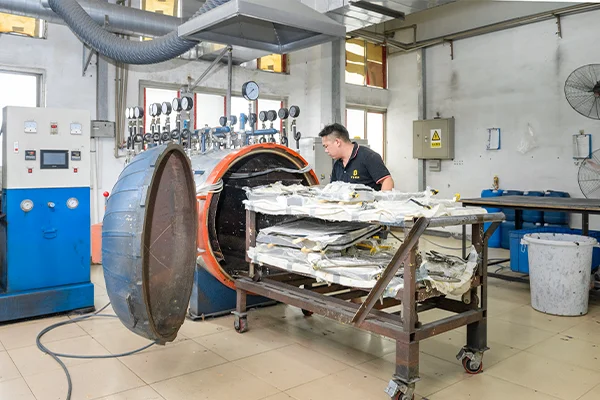
En la etapa de formación y curado del proceso de fabricación de piezas de automóvil en fibra de carbono., Al material de fibra de carbono se le da su forma final y luego se cura para crear un material compuesto resistente y duradero..
The Formation Process
In the formation stage, the carbon fiber material, which has already been coated with resin, is carefully placed into the mold. This step requires high precision to ensure the carbon fiber conforms perfectly to the mold’s dimensions. Y Shasha Carbono, we use advanced mold-making technology and expertise to ensure accuracy at this stage.
Once the material is in place, we apply vacuum bagging to ensure even pressure distribution across the entire surface of the part. The vacuum bagging process draws air out of the bag, creating a vacuum that helps achieve uniform pressure and a consistent shape. This method is crucial for creating high-quality carbon fiber car parts with excellent structural integrity.
The Curing Process
Once the part is formed, it enters the curing phase, where it is subjected to controlled heat and pressure. The curing process is essential for fully hardening the resin and reinforcing the carbon fiber composite. The temperature and pressure are carefully monitored and applied in stages. Initially, low heat and pressure are used to remove any trapped air, and then the temperature and pressure are increased to complete the curing.
Si el proceso de curado no se realiza correctamente, Las piezas del coche de fibra de carbono pueden ser quebradizas., débil, o propenso a deformarse o agrietarse. As a trusted carbon fiber car parts manufacturer, we use precise curing processes to ensure that the final product achieves the optimal strength and durability.
Paso #5: Recortar y cortar
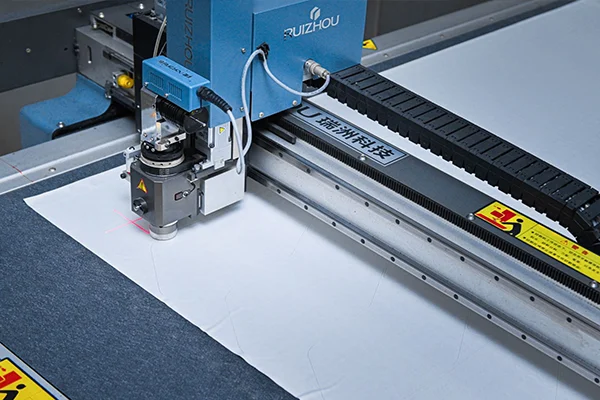
Después de que las piezas del automóvil de fibra de carbono se hayan formado y curado, deben recortarse y cortarse para lograr el tamaño y la forma deseados. Trimming and cutting can directly affect the final product’s weight, fortaleza, y estética.
The trimming and cutting process typically involves using CNC machines or hand tools, como sierras o tijeras, para cortar con precisión las piezas del automóvil de fibra de carbono a su forma y tamaño finales. Sin embargo, El proceso puede ser un desafío debido a la fragilidad de la fibra de carbono., lo que significa que se deben realizar cortes precisos para evitar que el material se astille o se rompa..
Y Shasha Carbono, we understand the importance of precision when trimming and cutting carbon fiber car parts. Even a slight deviation from the required size and shape can significantly impact both the part’s performance and appearance. Por ejemplo, si una parte es demasiado grande, puede que no encaje correctamente, afectando el montaje del producto final. Por otro lado, si un componente es demasiado pequeño, Puede que no proporcione el nivel necesario de soporte., lo que podría causar que la estructura se debilite o falle con el tiempo.
As many of our carbon fiber parts are used for both functional and aesthetic purposes, accurate trimming and cutting are essential to ensure the parts not only perform well but also look flawless. Cualquier imperfección, como bordes ásperos, podría socavar la calidad general del producto y afectar negativamente la satisfacción del cliente..
Paso #6: Control de calidad
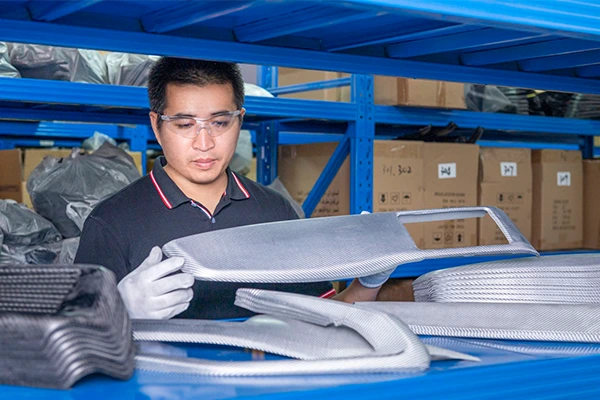
Y Shasha Carbono, we integrate rigorous quality control at every stage of the carbon fiber parts manufacturing process, ensuring that each part meets the highest standards of strength and precision. Las siguientes son algunas de las pruebas de control de calidad más comunes aplicadas.:
- Inspección visual: Esta prueba es necesaria para detectar imperfecciones o defectos superficiales no visibles a simple vista., como grietas y burbujas.
- Prueba de ultrasonido: Esta prueba implica el uso de ondas sonoras para evaluar la integridad del material compuesto..
- pruebas de rayos x: Esta prueba utiliza rayos X para verificar la estructura interna del material compuesto en áreas donde la inspección visual es un desafío..
- Pruebas térmicas: Esta prueba determina la capacidad del material compuesto para soportar altas temperaturas y proporciona información sobre la integridad del curado..
- Ensayos de tracción y compresión.: Estas pruebas evalúan la resistencia y durabilidad del material compuesto e identifican fallas en su construcción..
With our expertise as a leading carbon fiber car parts manufacturer, we conduct high-frequency testing to detect defects early, ensuring that every part meets our strict standards for performance and durability. This commitment to thorough testing guarantees reliable, high-quality products for our clients.
Paso #7: Inspección final y embalaje
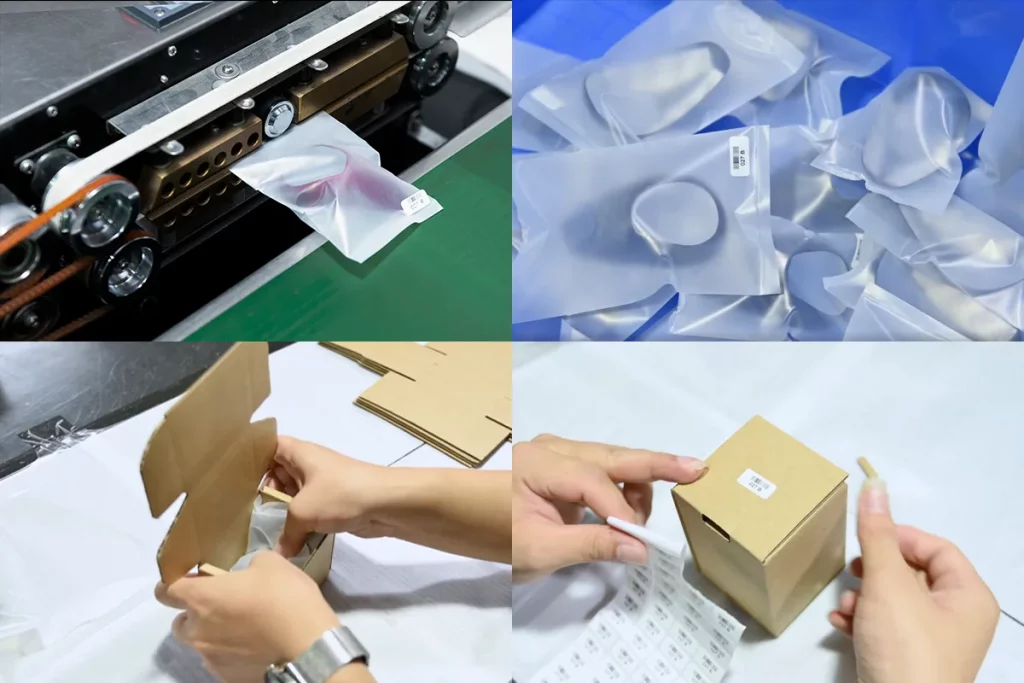
El proceso de inspección final verifica que las piezas del automóvil de fibra de carbono estén libres de defectos y cumplan con las especificaciones requeridas..
Inspección visual
This process typically involves a visual inspection where the final product is compared against the original design or order specifications. También se pueden emplear otros métodos de prueba., such as ultrasonic or thermal testing, para garantizar que el material compuesto esté libre de defectos estructurales o superficiales. Una vez que las piezas de fibra de carbono pasan la inspección final, están listos para empaquetar.
Embalaje adecuado
El embalaje adecuado es esencial para proteger las piezas de automóviles de fibra de carbono durante el transporte y almacenamiento.. Las piezas suelen estar empaquetadas con materiales protectores., such as foam, plástico de burbujas, o cartón, para evitar daños durante el tránsito. El embalaje utilizado normalmente se elige teniendo en cuenta el método de transporte., como aviones que tienen requisitos de embalaje menos rigurosos en comparación con los vehículos terrestres.
Etiquetas
Etiquetas con información del cliente., códigos de identificación del producto, y se pueden agregar códigos de barras al embalaje. Estas etiquetas ayudan a identificar las piezas durante la gestión del inventario y ayudan en el proceso de seguimiento y envío..
Envío
Finalmente, Las piezas del automóvil de fibra de carbono están preparadas para su envío.. El manejo del envío se coordina cuidadosamente con las compañías navieras para garantizar que los productos lleguen a su destino previsto sin demoras ni daños.. Las piezas de automóviles de fibra de carbono a menudo se envían a fabricantes de automóviles., distribuidores, o directamente a los clientes que han pedido piezas personalizadas.
Conclusión
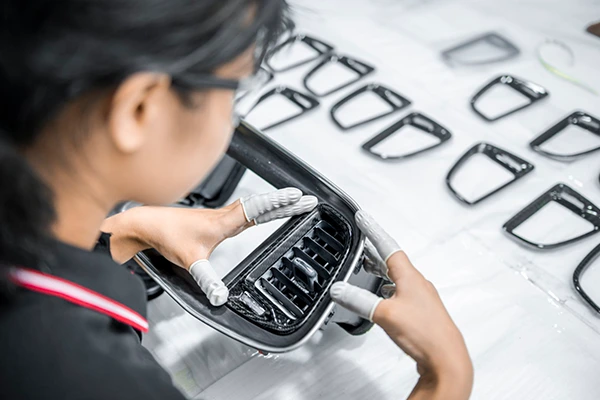
En resumen, El proceso de fabricación de piezas de automóvil de fibra de carbono es un proceso complejo y meticuloso que consta de varias etapas., including material selection, bandeja, curación, recorte y corte, control de calidad, e inspección final y embalaje.. Cada etapa debe ejecutarse con precisión y exactitud para garantizar productos de alta calidad que cumplan con las especificaciones deseadas..
Las piezas de fibra de carbono son un componente crucial en el diseño de los automóviles modernos, ofreciendo propiedades únicas que mejoran el rendimiento del vehículo, seguridad, y estética. El futuro de las piezas de fibra de carbono para automóviles en la industria automotriz parece prometedor, Y podemos esperar ver más fabricantes de automóviles adoptando este material en sus productos..
Preguntas frecuentes
What materials are used to make carbon fiber?
Carbon fiber is made from polyacrylonitrile (CACEROLA) or pitch, which are heated to high temperatures to form thin, strong fibers. These fibers are combined with a resin system for composite manufacturing.
What’s the difference between wet layup and prepreg?
Wet layup involves manually applying resin to carbon fiber sheets before molding, while prepreg carbon fiber comes pre-impregnated with resin, ensuring consistent material quality and reduced labor.
Are carbon fiber car parts expensive?
Sí, carbon fiber car parts are expensive due to the high cost of raw materials, the intricate manufacturing process, and the advanced technology required to produce lightweight, high-performance components.