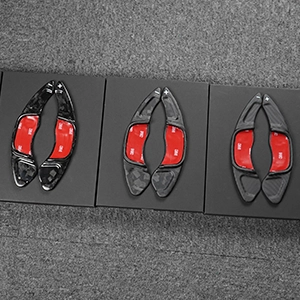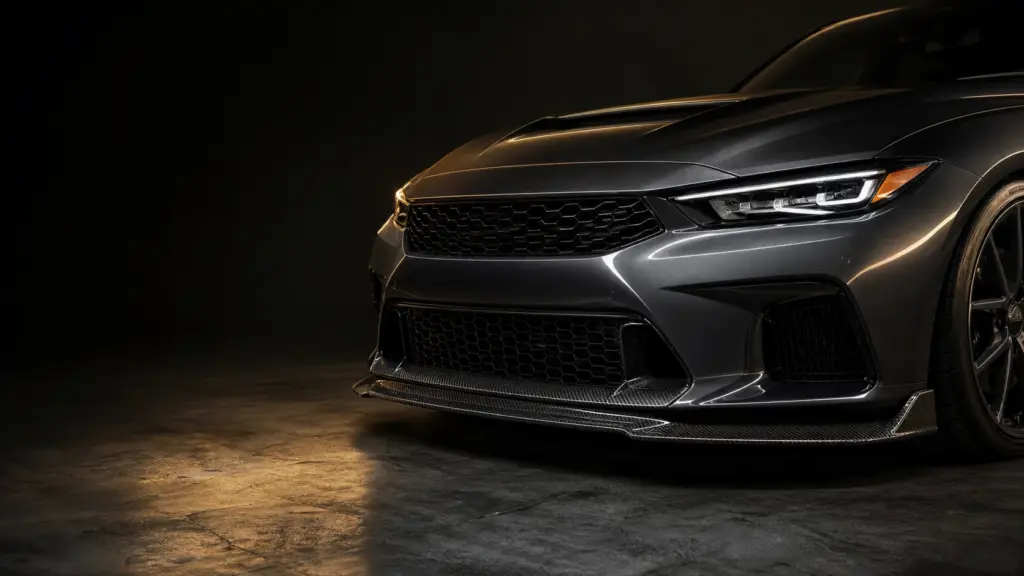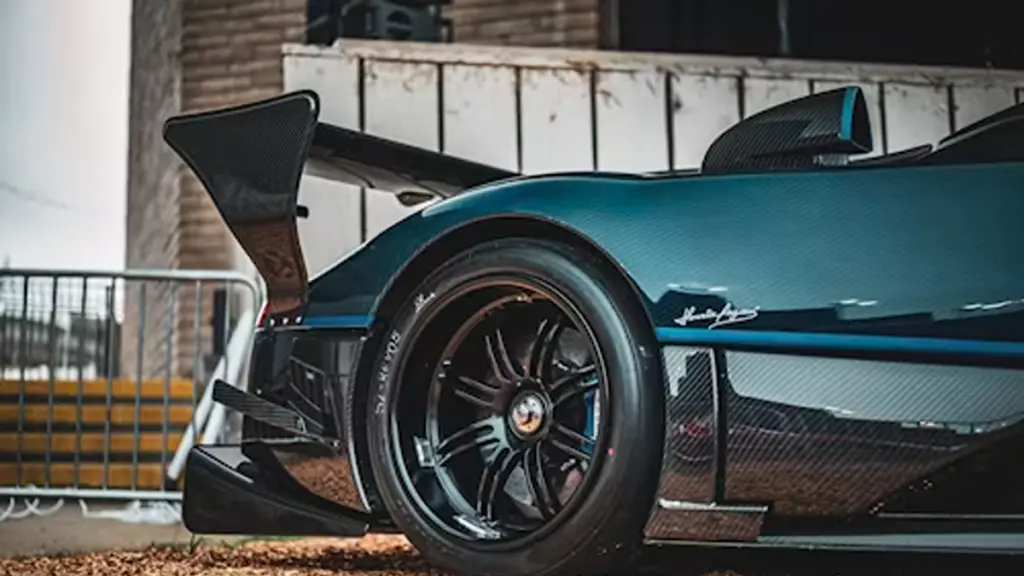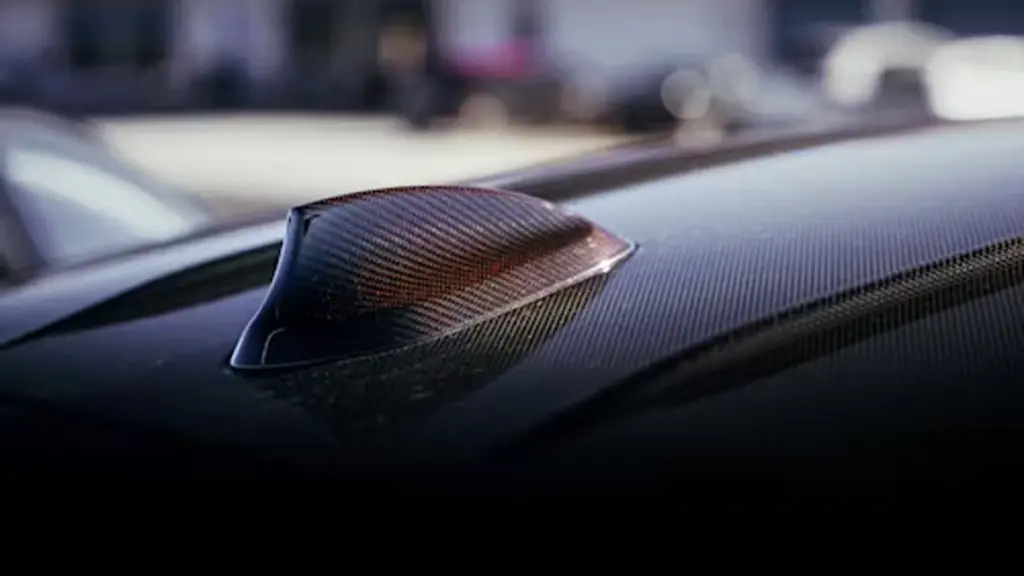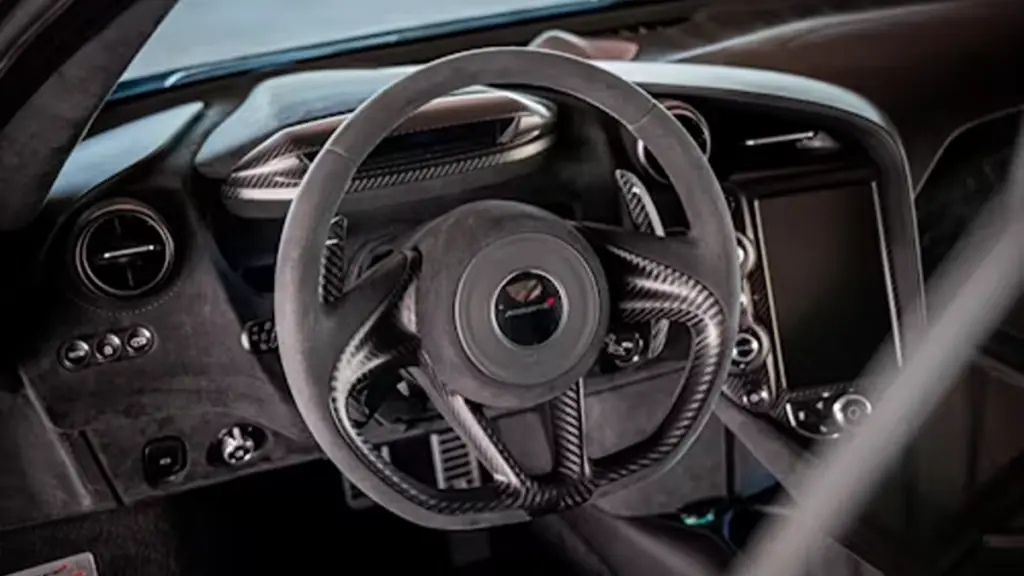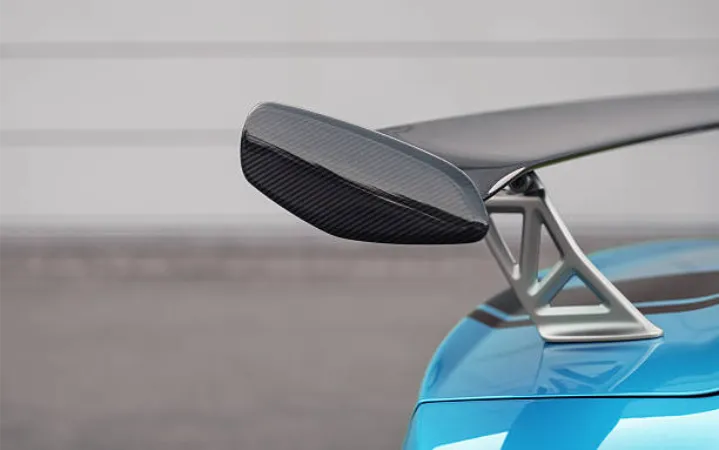
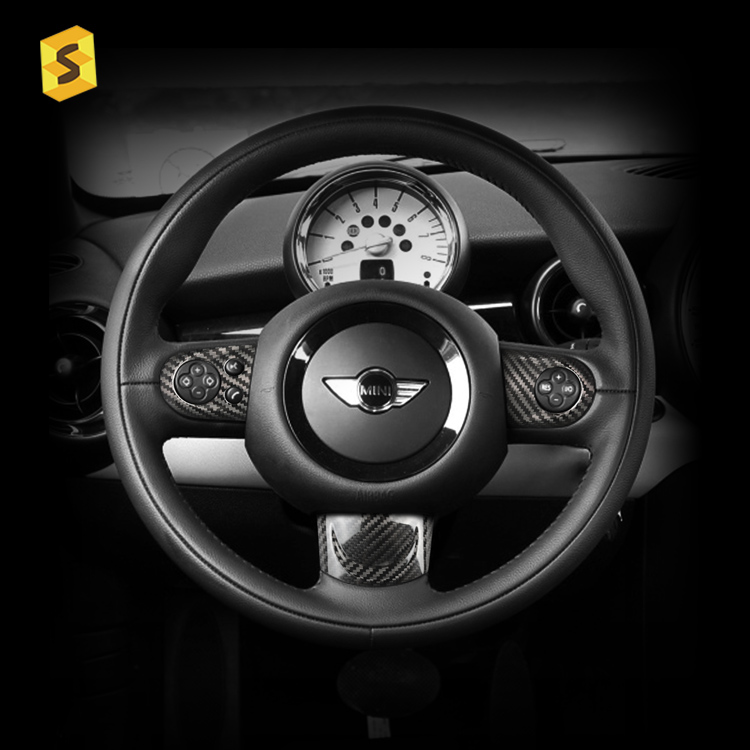
يتم استخدام قطع غيار السيارات المصنوعة من ألياف الكربون بشكل متزايد في صناعة السيارات نظرًا لنسبة قوتها إلى وزنها الاستثنائية, تحسين الديناميكا الهوائية, والجاذبية الجمالية. يستخدم مصنعو السيارات أجزاء السيارة المصنوعة من ألياف الكربون للتصميم الخارجي والداخلي لتحسين أداء ومظهر سياراتهم.
استخدام قطع غيار السيارات من ألياف الكربون في الخارج مكونات التصميم, مثل اغطية, المفسدين, والمصدات, له تأثير كبير على أداء السيارة. مع استمرار نمو استخدام قطع غيار السيارات المصنوعة من ألياف الكربون, من المهم أن نفهم عملية التصنيع تستخدم لإنشائها.
ما هي ألياف الكربون?
قبل استكشاف عملية التصنيع التفصيلية لقطع غيار السيارات المصنوعة من ألياف الكربون, دعونا أولاً نتوقف لحظة لفهم ما الذي يجعل ألياف الكربون مادة قيمة في الهندسة الحديثة.
ألياف الكربون خفيف الوزن, مادة عالية القوة مصنوعة من خيوط رفيعة من ذرات الكربون. يتم نسج هذه الألياف في نسيج ثم يتم دمجها مع الراتنج لإنشاء مادة مركبة قوية تستخدم على نطاق واسع في صناعات مثل السيارات, الفضاء الجوي, والمعدات الرياضية.
إن خصائص ألياف الكربون الفريدة - مثل نسبة القوة إلى الوزن الاستثنائية والمقاومة العالية للتآكل - تجعلها مثالية للاستخدام في التطبيقات عالية الأداء مثل السيارات, الفضاء الجوي, والمعدات الرياضية. في صناعة السيارات, يتم استخدام ألياف الكربون لتعزيز أداء السيارة وجمالياتها, وخاصة في مكونات مثل اغطية, المفسدين, والأجزاء الداخلية.
كيف يتم تصنيع قطع غيار السيارات من ألياف الكربون?
تتضمن عملية تصنيع قطع غيار السيارات المصنوعة من ألياف الكربون عدة خطوات رئيسية, يساهم كل منها في قوة المنتج النهائي, طبيعة خفيفة الوزن, والأداء العالي. فيما يلي نظرة عامة أساسية على المراحل الرئيسية المعنية:
- مصادر المواد – يتم اختيار ألياف الكربون ومواد الراتنج عالية الجودة لإنشاء المركب.
- التصميم والقولبة – يتم إنشاء قوالب دقيقة, ويتم وضع طبقات من ألياف الكربون وغمرها بالراتنج.
- مرحلة الإعداد المسبق – يتم تطبيق الراتنج على صفائح ألياف الكربون لإنشاء مادة مركبة متسقة.
- التكوين والعلاج – يتم تشكيل ألياف الكربون إلى شكلها النهائي ومعالجتها عند درجات حرارة وضغوط عالية.
- التشذيب والقطع - بمجرد الشفاء, يتم قطع الأجزاء وتقطيعها حسب الحجم.
- مراقبة الجودة - يضمن الاختبار الصارم أن الأجزاء تلبي معايير الأداء.
- التفتيش النهائي والتعبئة والتغليف – تخضع الأجزاء لفحص نهائي قبل تعبئتها للشحن.
للحصول على دليل مرئي لهذه الخطوات, شاهد هذا الفيديو بواسطة عالم المركبات, والذي يوفر نظرة واضحة على عملية تصنيع قطع غيار السيارات المصنوعة من ألياف الكربون. للمتابعة, سنلقي الآن نظرة فاحصة على الخطوات السبع الرئيسية التي تتضمنها عملية التصنيع.
الخطوة 1: مصادر المواد
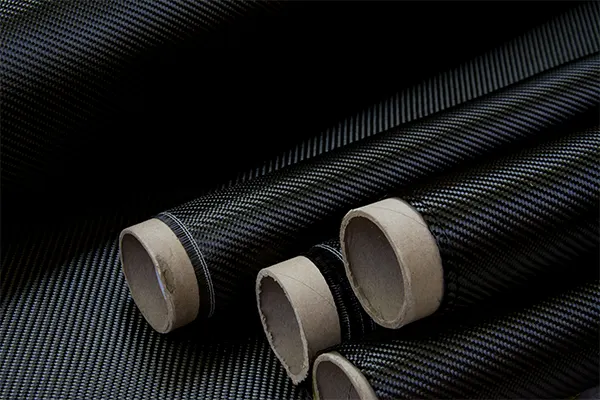
تبدأ جودة قطع غيار السيارات المصنوعة من ألياف الكربون بالمواد الخام. تتكون ألياف الكربون من خيوط دقيقة للغاية من ذرات الكربون التي يتم نسجها معًا لتكوين مادة قوية, مادة خفيفة الوزن. يتم دمج هذه الألياف مع نظام الراتنج, مثل الايبوكسي, الفينول, أو البولي يوريثين, لإنشاء مركب دائم.
في مصنعنا, نحن نعطي الأولوية للحصول على مواد عالية الجودة لضمان الأداء الأمثل. نحن نستخدم نسيج ألياف الكربون 3K من Toray, معروفة بنسبة القوة إلى الوزن الممتازة والمتانة. يمكن أن تؤثر الاختلافات في جودة الراتينج أو صفائح ألياف الكربون على متانة المنتج النهائي ومظهره. لضمان الاتساق, نحن نتحكم بعناية في كل دفعة من المواد.
بالإضافة إلى المواد الأولية, نحن نستخدم أيضًا منتجات مساعدة مثل عوامل الإطلاق, تصليب, ومنتجات تحضير القالب, التي تدعم عملية الإنتاج وتساعد على ضمان تلبية الأجزاء النهائية لمعايير الصناعة. من خلال الحصول على مواد عالية الجودة واستخدام تقنيات التصنيع المتقدمة, نحن نضمن أن قطع غيار السيارات المصنوعة من ألياف الكربون توفر أداءً وجماليات من الدرجة الأولى.
الخطوة 2: التصميم والقولبة
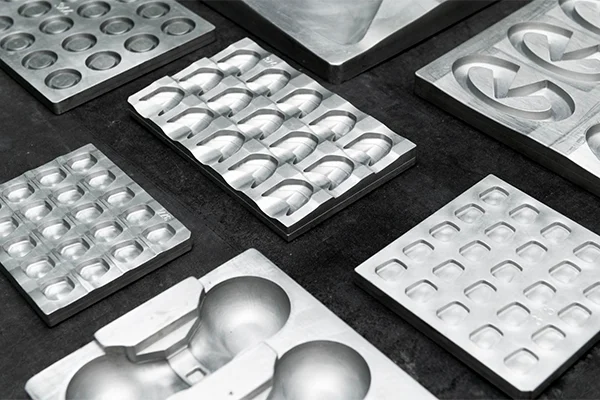
تبدأ العملية بإنشاء قوالب دقيقة, والتي عادة ما تكون مصنوعة من مواد مثل الألومنيوم, فُولاَذ, أو مركب. تحتاج هذه القوالب إلى تحمل درجات الحرارة العالية والضغوط المطلوبة لتشكيل أجزاء من ألياف الكربون بدقة. في مصنعنا, نحن نتعامل مع تطوير القوالب المخصصة داخل الشركة, ضمان إنشاء كل قالب بدقة لتلبية المواصفات المطلوبة.
بمجرد أن تصبح القوالب جاهزة, يتم قطع صفائح ألياف الكربون بعناية لتلائم القالب ثم يتم وضعها فوق القالب. هذه الأوراق مشبعة بنظام الراتنج, مع طبقات موجهة في اتجاهات محددة لتحقيق القوة والصلابة المطلوبة. كما نستخدم أيضًا التعبئة المفرغة من الهواء في هذه المرحلة لتطبيق ضغط ثابت عبر السطح بأكمله, ضمان أجزاء عالية الجودة وموحدة. قدرتنا على إدارة عملية تصنيع أجزاء ألياف الكربون بأكملها, من قطع ألياف الكربون إلى ضخ الراتنج, يسمح لنا بتقديم نتائج متسقة مع فترات زمنية أسرع.
الخطوه 3: مرحلة الإعداد المسبق
أثناء ال “prepreg” مرحلة تصنيع أجزاء السيارة من ألياف الكربون, يتم توزيع الراتنج ويتم تعزيز ألياف الكربون. تتضمن هذه العملية دمج ألياف الكربون مع نظام الراتنج, مثل الايبوكسي, لإنشاء مادة مركبة قوية ومتينة.
يمكن إجراء عملية التحضير يدويًا أو باستخدام آلات متخصصة.
- عندما يتم ذلك باليد, يتم تطبيق الراتنج أولاً على صفائح ألياف الكربون, والتي يتم بعد ذلك وضعها في طبقات ولفها لضمان توزيع الراتنج بشكل متساوٍ. يتم بعد ذلك قطع ألياف الكربون المطلية بالراتنج حسب الحجم ووضعها في قالب.
- عند استخدام الآلات المتخصصة, تتم تغذية ألياف الكربون من خلال آلة تقوم بتطبيق الراتنج على الورقة بالتساوي. يمكن بعد ذلك قطع ألياف الكربون المطلية بالراتنج حسب الحجم ووضعها في القالب دون الحاجة إلى اللف اليدوي.
خلال مرحلة الإعداد, من المهم أن يتم تطبيق الكمية الصحيحة من الراتينج على ألياف الكربون لضمان غرسها وتعزيزها بالكامل. إذا كان هناك القليل جدًا من الراتنج المطبق, قد تكون المادة المركبة هشة للغاية وعرضة للتشقق. على الجانب الآخر, إذا تم استخدام الكثير من الراتنج, قد يزيد وزن المنتج النهائي, والتي يمكن أن تؤثر على فوائد تقليل الوزن باستخدام ألياف الكربون.
لضمان إنتاج قطع غيار السيارات من ألياف الكربون عالية الجودة, الشركات المصنعة يجب تحقيق التوازن بين تطبيق الكمية المناسبة من الراتنج وضمان التوزيع المتساوي.
الخطوة رقم 4: التكوين والعلاج
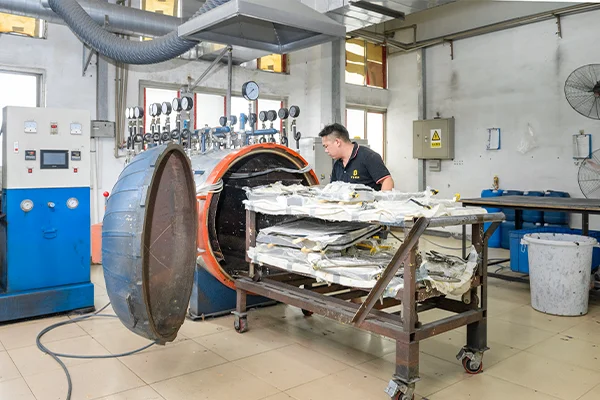
في مرحلة التكوين والمعالجة لعملية تصنيع أجزاء السيارة من ألياف الكربون, يتم تشكيل مادة ألياف الكربون في شكلها النهائي ثم معالجتها لإنشاء مادة مركبة قوية ومتينة.
عملية التشكيل
في مرحلة التكوين, مادة ألياف الكربون, والتي تم طلاءها بالفعل بالراتنج, يتم وضعها بعناية في القالب. تتطلب هذه الخطوة دقة عالية لضمان توافق ألياف الكربون تمامًا مع أبعاد القالب. وشاشا كربون, نحن نستخدم تكنولوجيا وخبرة صنع القوالب المتقدمة لضمان الدقة في هذه المرحلة.
بمجرد أن تكون المادة في مكانها الصحيح, نحن نستخدم أكياسًا مفرغة من الهواء لضمان توزيع الضغط بالتساوي على كامل سطح الجزء. تقوم عملية التعبئة بالفراغ بسحب الهواء من الكيس, خلق فراغ يساعد على تحقيق ضغط موحد وشكل متناسق. تعتبر هذه الطريقة ضرورية لإنشاء قطع غيار سيارات عالية الجودة من ألياف الكربون مع سلامة هيكلية ممتازة.
عملية المعالجة
بمجرد تشكيل الجزء, يدخل في مرحلة المعالجة, حيث يتم إخضاعها للحرارة والضغط الخاضعين للرقابة. تعتبر عملية المعالجة ضرورية لتصلب الراتينج بالكامل وتعزيز مركب ألياف الكربون. تتم مراقبة درجة الحرارة والضغط بعناية وتطبيقهما على مراحل. بدءًا, يتم استخدام الحرارة والضغط المنخفض لإزالة أي هواء محصور, ومن ثم يتم زيادة درجة الحرارة والضغط لاستكمال المعالجة.
إذا لم تتم عملية المعالجة بشكل صحيح, قد تكون أجزاء السيارة المصنوعة من ألياف الكربون هشة, ضعيف, أو عرضة للتشوه أو التشقق. كشركة مصنعة موثوقة لقطع غيار السيارات المصنوعة من ألياف الكربون, نحن نستخدم عمليات معالجة دقيقة للتأكد من أن المنتج النهائي يحقق القوة والمتانة الأمثل.
الخطوة رقم 5: التشذيب والقطع
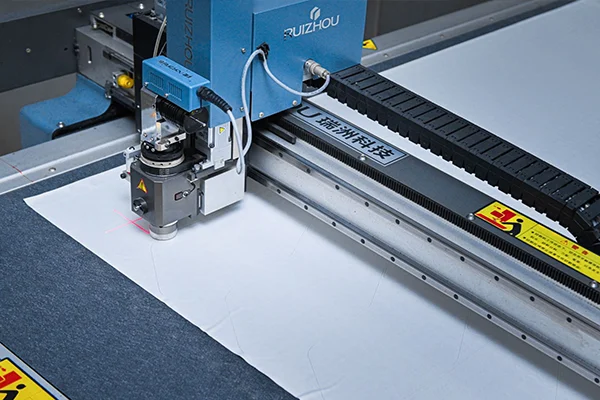
بعد أن يتم تشكيل أجزاء السيارة من ألياف الكربون ومعالجتها, يجب قصها وتقطيعها للوصول إلى الحجم والشكل المطلوب. يمكن أن يؤثر التشذيب والقطع بشكل مباشر على وزن المنتج النهائي, قوة, والجماليات.
تتضمن عملية التشذيب والقطع عادةً استخدام آلات CNC أو الأدوات اليدوية, مثل المناشير أو المقص, لقطع أجزاء السيارة المصنوعة من ألياف الكربون بدقة إلى شكلها وحجمها النهائيين. لكن, يمكن أن تكون العملية صعبة بسبب هشاشة ألياف الكربون, مما يعني أنه يجب إجراء عمليات قطع دقيقة لتجنب تشظي المادة أو كسرها.
وشاشا كربون, نحن ندرك أهمية الدقة عند تشذيب وقطع أجزاء السيارة المصنوعة من ألياف الكربون. حتى الانحراف الطفيف عن الحجم والشكل المطلوبين يمكن أن يؤثر بشكل كبير على أداء الجزء ومظهره. على سبيل المثال, إذا كان الجزء كبيرًا جدًا, قد لا يصلح بشكل صحيح, التأثير على تجميع المنتج النهائي. على الجانب الآخر, إذا كان المكون صغيرًا جدًا, وقد لا يوفر المستوى اللازم من الدعم, مما قد يتسبب في إضعاف الهيكل أو فشله بمرور الوقت.
حيث يتم استخدام العديد من أجزاء ألياف الكربون لدينا للأغراض الوظيفية والجمالية, يعد التشذيب والقطع الدقيقان ضروريين لضمان عدم أداء الأجزاء بشكل جيد فحسب، بل أيضًا لتبدو خالية من العيوب. أي النقص, مثل الحواف الخشنة, يمكن أن يقوض الجودة الشاملة للمنتج ويؤثر سلبًا على رضا العملاء.
الخطوة رقم 6: مراقبة الجودة
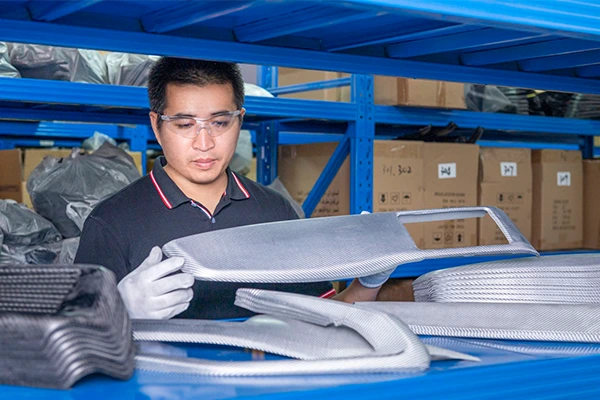
وشاشا كربون, نحن ندمج مراقبة الجودة الصارمة في كل مرحلة من مراحل عملية تصنيع أجزاء ألياف الكربون, ضمان أن كل جزء يلبي أعلى معايير القوة والدقة. فيما يلي بعض اختبارات مراقبة الجودة الأكثر شيوعًا المطبقة:
- الفحص العيني: هذا الاختبار ضروري للكشف عن العيوب السطحية أو العيوب غير المرئية بالعين المجردة, مثل الشقوق والفقاعات.
- اختبار بالموجات فوق الصوتية: يتضمن هذا الاختبار استخدام الموجات الصوتية لتقييم سلامة المادة المركبة.
- اختبار الأشعة السينية: يستخدم هذا الاختبار الأشعة السينية لفحص البنية الداخلية للمادة المركبة في المناطق التي يصعب فيها الفحص البصري.
- الاختبار الحراري: يحدد هذا الاختبار قدرة المادة المركبة على تحمل درجات الحرارة العالية ويوفر معلومات حول اكتمال المعالجة.
- اختبار الشد والضغط: تقوم هذه الاختبارات بتقييم قوة ومتانة المادة المركبة وتحديد العيوب في بنائها.
بفضل خبرتنا كشركة رائدة في تصنيع قطع غيار السيارات المصنوعة من ألياف الكربون, نقوم بإجراء اختبارات عالية التردد لاكتشاف العيوب مبكرًا, ضمان أن كل جزء يلبي معاييرنا الصارمة للأداء والمتانة. يضمن هذا الالتزام بالاختبار الشامل الموثوقية, منتجات عالية الجودة لعملائنا.
الخطوة رقم 7: التفتيش النهائي والتعبئة والتغليف
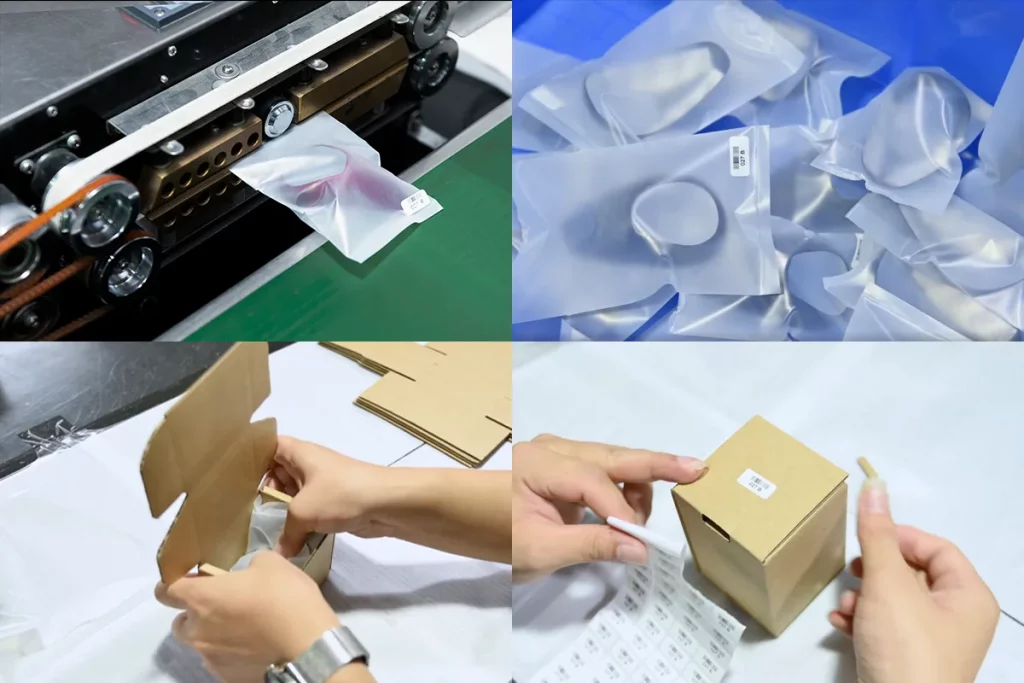
وتتحقق عملية الفحص النهائي من خلو أجزاء السيارة المصنوعة من ألياف الكربون من العيوب ومطابقتها للمواصفات المطلوبة.
الفحص العيني
تتضمن هذه العملية عادةً فحصًا بصريًا حيث تتم مقارنة المنتج النهائي بالتصميم الأصلي أو مواصفات الطلب. ويمكن أيضًا استخدام طرق اختبار أخرى, مثل الاختبارات بالموجات فوق الصوتية أو الحرارية, للتأكد من خلو المادة المركبة من أي عيوب هيكلية أو سطحية. بمجرد اجتياز أجزاء ألياف الكربون للفحص النهائي, إنهم جاهزون للتغليف.
التغليف المناسب
يعد التغليف المناسب أمرًا ضروريًا لحماية أجزاء السيارة المصنوعة من ألياف الكربون أثناء النقل والتخزين. عادة ما يتم تعبئة الأجزاء بمواد واقية, مثل الرغوة, التفاف فقاعة, أو الورق المقوى, لمنع الضرر أثناء النقل. عادةً ما يتم اختيار العبوة المستخدمة مع وضع طريقة النقل في الاعتبار, مثل الطائرات التي لديها متطلبات تغليف أقل صرامة مقارنة بالمركبات الأرضية.
تسميات
التسميات مع معلومات العملاء, رموز تعريف المنتج, ويمكن إضافة الرموز الشريطية إلى العبوة. تساعد هذه الملصقات في تحديد الأجزاء أثناء إدارة المخزون وتساعد في عملية التتبع والشحن.
شحنة
أخيراً, يتم تجهيز أجزاء السيارة من ألياف الكربون للشحن. يتم تنسيق التعامل مع الشحنة بعناية مع شركات الشحن لضمان وصول المنتجات إلى وجهتها المقصودة دون تأخير أو تلف. غالبًا ما يتم شحن قطع غيار السيارات المصنوعة من ألياف الكربون إلى شركات تصنيع السيارات, الموزعين, أو مباشرة للعملاء الذين طلبوا قطع غيار مخصصة.
خاتمة
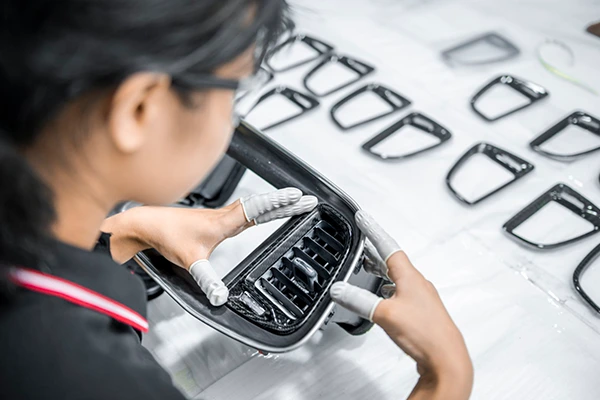
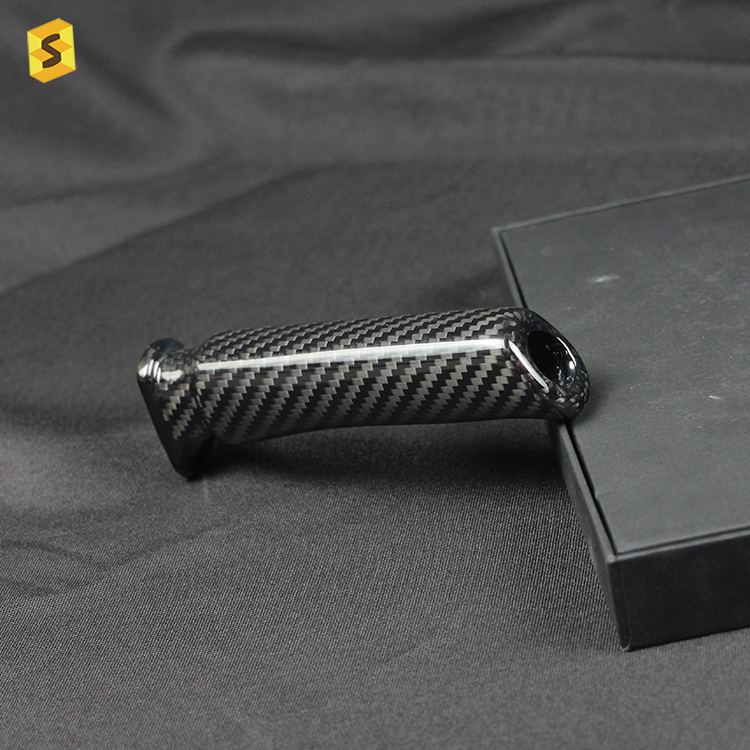
في ملخص, تعد عملية تصنيع قطع غيار السيارات المصنوعة من ألياف الكربون عملية معقدة ودقيقة تتضمن عدة مراحل, بما في ذلك اختيار المواد, يستلقي, علاج, التشذيب والقطع, رقابة جودة, والتفتيش النهائي والتعبئة والتغليف. ويجب أن يتم تنفيذ كل مرحلة بدقة ودقة لضمان الحصول على منتجات عالية الجودة ومطابقة للمواصفات المطلوبة.
تعتبر قطع غيار السيارات المصنوعة من ألياف الكربون عنصرًا حاسمًا في تصميم السيارات الحديثة, تقديم خصائص فريدة تعمل على تحسين أداء السيارة, أمان, والجماليات. يبدو مستقبل قطع غيار السيارات المصنوعة من ألياف الكربون في صناعة السيارات واعدًا, ويمكننا أن نتوقع رؤية المزيد من شركات صناعة السيارات تعتمد هذه المادة في منتجاتها.
الأسئلة الشائعة
ما هي المواد المستخدمة لصنع ألياف الكربون?
ألياف الكربون مصنوعة من بولي أكريلونيتريل (مِقلاة) أو الملعب, والتي يتم تسخينها إلى درجات حرارة عالية لتشكل رقيقة, ألياف قوية. يتم دمج هذه الألياف مع نظام راتنجي للتصنيع المركب.
ما هو الفرق بين رمية الكرة الرطبة والتحضير المسبق?
يتضمن الرمي الرطب وضع الراتينج يدويًا على صفائح ألياف الكربون قبل التشكيل, بينما تأتي ألياف الكربون المُجهزة مسبقًا مشربة مسبقًا بالراتنج, ضمان جودة المواد متسقة وتقليل العمالة.
هل قطع غيار السيارات المصنوعة من ألياف الكربون باهظة الثمن؟?
نعم, تعتبر قطع غيار السيارات المصنوعة من ألياف الكربون باهظة الثمن بسبب ارتفاع تكلفة المواد الخام, عملية التصنيع المعقدة, والتكنولوجيا المتقدمة المطلوبة لإنتاج خفيفة الوزن, مكونات عالية الأداء.