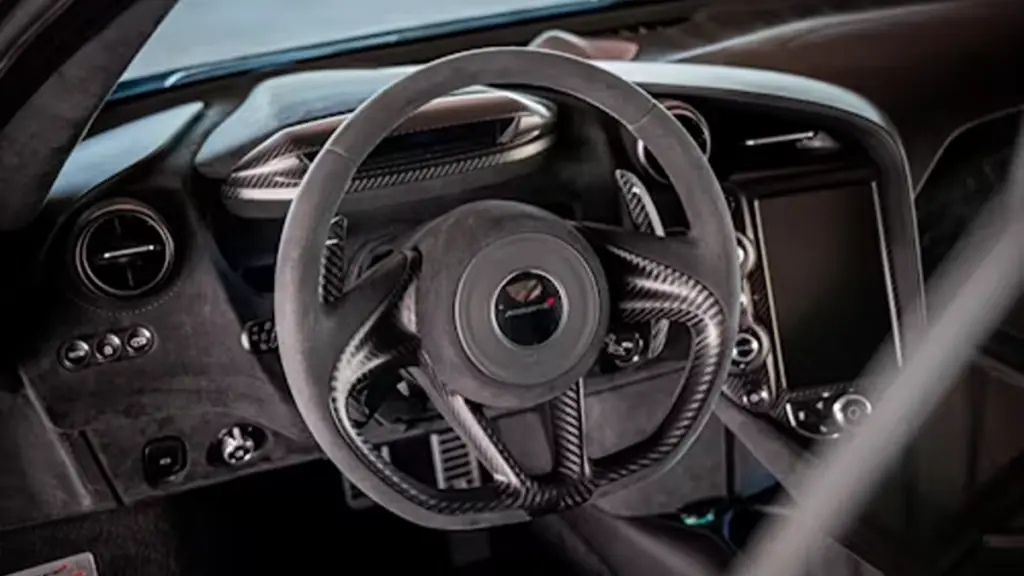
Many vehicle owners and aftermarket buyers worry that carbon fiber upgrades could cause inspection failures, compliance issues, or legal problems on public roads. Understanding what makes a part street legal is often more important than the material itself.
This guide explains how regulators evaluate carbon fiber modifications, which parts are usually street legal, common compliance risks, and what buyers should check before purchasing.
カーボンファイバーの自動車部品は公道で合法ですか? Quick Answer
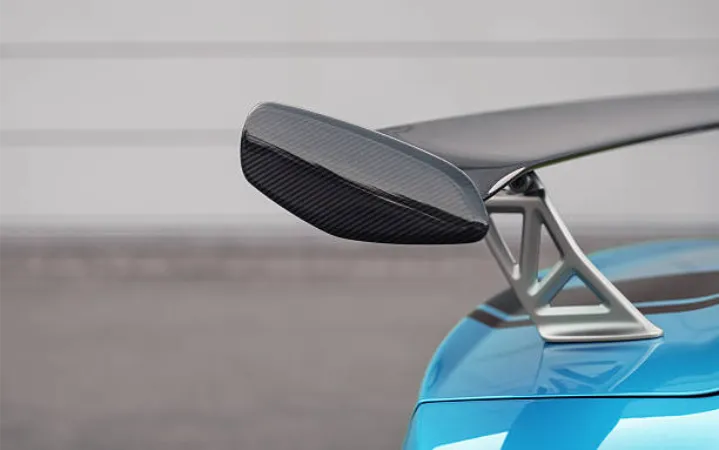
In most cases, carbon fiber car parts are street legal. しかし, legality depends on the specific component and how it affects vehicle safety, 可視性, emissions compliance, and overall roadworthiness.
The material itself is rarely the issue. Regulators typically evaluate how a modification performs once installed rather than whether it is made from carbon fiber, 鋼鉄, アルミニウム, or another material.
Why Carbon Fiber Itself Is Not Illegal
Vehicle regulations focus on function, 安全性, and compliance rather than material choice. Carbon fiber is simply an engineering material used to reduce weight, improve stiffness, and enhance appearance.
結果として, components such as mirror covers, dashboard trims, and engine covers are usually treated the same way as comparable parts made from plastic or metal. What matters is whether the modification changes vehicle safety systems, emissions performance, structural integrity, or inspection compliance.
What Determines Whether a Carbon Fiber Part Is Legal
Before approving a modification for public-road use, regulators typically evaluate several key factors:
- Safety: The part should not reduce crash protection or interfere with airbags, センサー, or other safety systems.
- Visibility: It must not obstruct the driver’s view or block required lighting equipment.
- Emissions: Engine-related modifications may require emissions approval in certain markets.
- Vehicle Compliance: The component must meet local inspection, 認証, and modification requirements.
In simple terms, a carbon fiber part becomes legal when it performs its intended function without creating safety, 排出量, or compliance concerns. This principle applies across most major automotive markets and forms the foundation of the regulations discussed throughout this guide.
What Factors Affect Street Legality
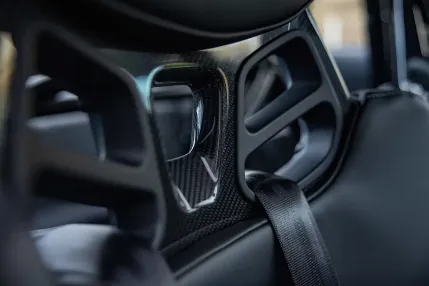
Street legality depends on how a carbon fiber part affects vehicle safety, road performance, and system reliability after installation.
Safety and Structural Requirements
Structural changes are one of the most sensitive areas in vehicle modification. Regulators focus on whether a part can maintain stable performance under real driving conditions.
Key evaluation points include mounting strength, load resistance, そして長期的な耐久性. Even small defects in manufacturing or installation can affect overall safety compliance.
Visibility and Vehicle Dimensions
External modifications are assessed based on how they influence driver awareness and road safety. The main concern is not design style, but whether the vehicle remains safe for the driver and others on the road.
Emissions and Vehicle Systems
Engine-related components receive stricter attention because they can directly affect emissions performance and electronic system stability. In many regions, even minor changes may require additional approval to ensure regulatory compliance.
Regulatory Evaluation Overview
This table summarizes the main compliance focus areas used by regulators when reviewing carbon fiber modifications:
| 要素 | What Regulators Check | Typical Risk |
|---|---|---|
| Safety | Structural integrity and secure installation | Reduced crash performance |
| Visibility | Driver sightlines and road-user safety | Obstructed visibility |
| Vehicle Dimensions | Width, 身長, and exterior projections | Non-compliant body modifications |
| Emissions & Systems | Engine compliance and sensor compatibility | Failed inspections or certification issues |
Upgrade Your Inventory with Precision Carbon.

Which Carbon Fiber Parts Are Usually Street Legal
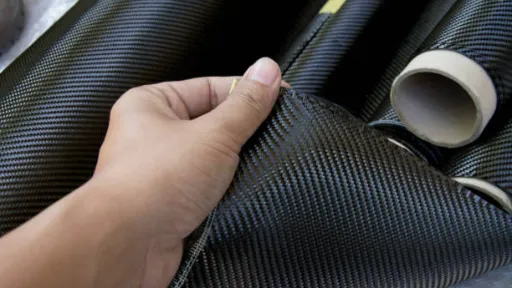
Not all carbon fiber components face the same level of regulatory review. In general, the closer a part is to safety systems, structural integrity, or emissions-related functions, the more likely it is to require inspection or approval.
The table below provides a quick overview of how different carbon fiber parts are generally classified based on compliance sensitivity.
| Risk Level | Typical Parts | Compliance Concern |
|---|---|---|
| Low Risk | ミラーカバー, interior trim, ダッシュボードパネル, エンジンカバー | Minimal impact on vehicle systems |
| Medium Risk | フード, トランクの蓋, フェンダー, ネタバレ | 装備品, structural, and visibility sensitivity |
| High Risk | Racing seats, ステアリングホイール, roll cages | Direct impact on occupant safety systems |
Low-Risk Cosmetic Carbon Fiber Parts
Low-risk carbon fiber parts are typically chosen for appearance upgrades and personalization. In real-world use, compliance issues are rare, but installation quality still plays a role in long-term durability.
One key point often overlooked is that even cosmetic parts must not interfere with sensors, lighting, or factory mounting points. Poor alignment or weak fastening can still lead to inspection concerns in some regions.
Exterior Carbon Fiber Parts That Require More Attention
Exterior components are not automatically restricted, but they are more likely to be checked during inspections because they interact with airflow, vehicle dimensions, and road visibility.
In practice, the main concern is not the carbon fiber material, but whether the part maintains stable installation under driving conditions. Poor design or inaccurate fitment is what usually creates compliance issues.
High-Risk Performance and Safety Components
High-risk components are evaluated more strictly because they can influence occupant protection systems and crash behavior.
In many markets, these parts may require formal approval or certification before road use. The key concern is whether the component changes how safety systems perform under impact conditions, especially in vehicles originally designed for OEM-tested configurations.
Understanding Regulations in Different Markets
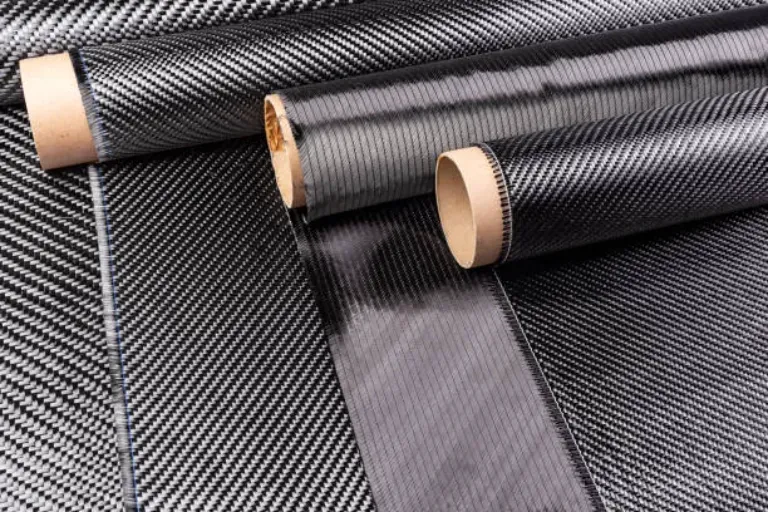
Vehicle modification rules are not standardized worldwide. A carbon fiber part that is accepted in one country may require certification, inspection, or additional documentation elsewhere.
Although the general principles are similar, the enforcement methods and documentation requirements vary significantly across regions.
| Market | Primary Focus | Typical Requirement |
|---|---|---|
| United States | Safety and emissions control | DOT compliance and CARB approval (in specific states) |
| Europe | Product approval and road safety standards | TÜV / ECE certification requirements |
| Asia & オーストラリア | Inspection-based compliance systems | Local testing and registration approval |
| Middle East | Roadworthiness and modification control | Country-specific inspection procedures |
United States Regulations (DOT and CARB)
In the United States, compliance is split between federal safety rules and state-level emissions control. Federal standards mainly focus on vehicle safety performance, while emissions-related modifications are often regulated more strictly at the state level.
In California, 例えば, CARB approval is commonly required for parts that affect engine performance or emissions systems. This creates a clear distinction between cosmetic upgrades and functional engine modifications, especially in aftermarket applications.
European Regulations (TÜV and ECE)
Europe places strong emphasis on documented proof of safety compliance. Instead of only checking installation results, many countries require manufacturers to provide test data and certification before a part can enter the road-use market.
Germany’s TÜV system is a typical example. It evaluates whether a product meets technical safety expectations, which often simplifies approval for vehicle registration and inspection processes across the region.
Other Regional Inspection Requirements
Outside the US and Europe, compliance systems vary widely in structure and strictness. Some countries rely on periodic vehicle inspections, while others depend more on import documentation or engineering approval before use.
Because of these differences, the same carbon fiber component may be fully acceptable in one market but require additional paperwork or testing in another. このため, verifying local requirements before installation is essential to avoid delays or compliance issues.
Common Reasons Carbon Fiber Parts Become Illegal
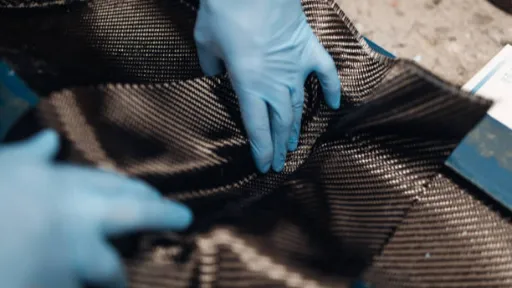
Carbon fiber parts are usually affected by how they are selected, installed, or documented rather than the material itself. Most compliance issues occur when a modification does not meet local road-use requirements.
The table below highlights the most common risk categories and their direct outcomes.
| Issue | Typical Cause | Possible Result |
|---|---|---|
| Track-Only Components | Motorsport-focused design | Road-use restrictions or failed inspections |
| Poor Fitment | Manufacturing or installation mismatch | Safety risks and compliance issues |
| Missing Documentation | Lack of certification or testing proof | Approval delays in regulated markets |
Track-Only Design Limitations
Track-focused parts are optimized for performance, not road compliance. Because racing environments have fewer restrictions, these components may not always meet public-road safety or durability standards.
This is why products such as racing seats, aerodynamic wings, and lightweight panels can pass track use but fail inspection requirements in street applications.
The key distinction is not appearance or material, but whether the product is engineered for certified road conditions.
Fitment and Installation Tolerance
Fitment issues usually come from production precision rather than carbon fiber itself. Even compliant parts can create problems if tolerances are not controlled properly.
Common failure points include:
- Alignment deviation: Gaps or misfit with factory body lines
- Mounting instability: Weak or inconsistent fixing points
- System interference: Contact with sensors or driver-assist components
This is why OEM-based tooling and 1:1 vehicle calibration are critical in professional manufacturing.
Cooperate with a professional manufacturer: Shasha Fiber
Documentation as Compliance Proof
In many markets, physical quality alone is not enough. Authorities often require formal proof that a component meets legal and safety standards.
Key documents include:
- Certification records: Evidence of compliance with regulatory standards
- Test reports: Verification of durability and structural performance
- Material data: Technical specification of carbon fiber composition
- Approval files: Market-specific registration or inspection documents
Without these, even well-made products may face delays during inspection or registration processes.
How to Choose Street-Legal Carbon Fiber Parts
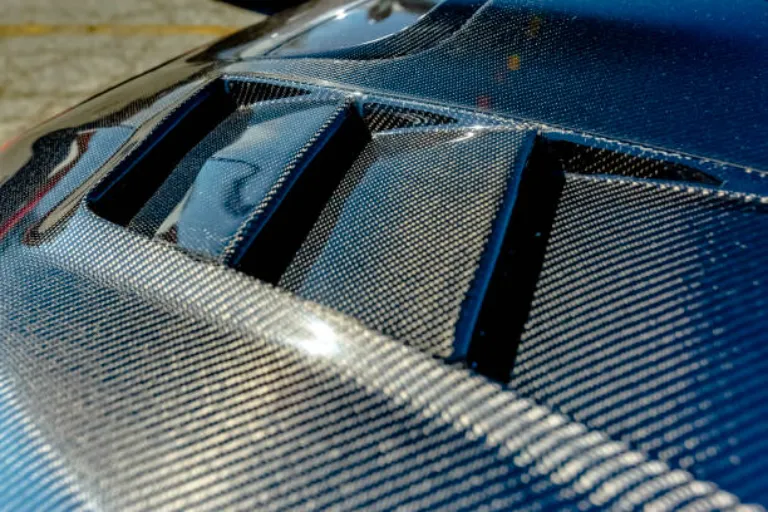
Choosing the right carbon fiber part involves more than appearance or price. Manufacturing quality, 取り付け精度, and regulatory compliance all influence whether a component performs reliably on public roads. Evaluating these factors before purchase can help reduce legal risks and avoid costly installation problems.
Verify Compliance Before Purchase
Before purchasing any carbon fiber component, confirm that it meets the requirements of your local market. A part that is accepted in one country may require additional certification or inspection in another.
When reviewing a product, pay attention to several key areas:
- Vehicle Compatibility: Ensure the part matches the intended vehicle model and factory mounting locations.
- Road Approval Status: Confirm whether the component is approved for public-road use.
- Required Certifications: Check whether local regulations require DOT, CARB, TÜV, or similar approvals.
- Inspection Requirements: Understand any inspection procedures that may apply after installation.
Choose Quality Manufacturing Over Lowest Cost
Not all carbon fiber parts are manufactured to the same standard. While low-cost products may look similar from the outside, differences in materials and production processes can significantly affect durability, 装備品, and long-term reliability.
例えば, プリプレグ炭素繊維 allows more precise resin control than conventional wet layup methods, helping create stronger and lighter laminates. オートクレーブ硬化 further improves consistency by applying controlled heat and pressure during production, reducing voids and improving structural stability.
Manufacturers that invest in precision tooling, CNCトリミング, そして strict quality-control procedures generally achieve better fitment and more consistent product quality. These factors not only improve appearance but also help ensure that parts install correctly and function as intended.
よくある質問
Are carbon fiber car parts automatically legal if they fit the vehicle?
いいえ. Even if a carbon fiber part fits the vehicle perfectly, it is not automatically street legal. Compliance depends on whether the part meets local road-use regulations, including safety standards, インストール要件, and in some cases certification or inspection rules.
Are carbon fiber body kits street legal in most countries?
In most cases, carbon fiber body kits can be street legal when they comply with local modification regulations. Authorities usually evaluate safety impact, installation quality, dimensional limits, and roadworthiness rather than the material itself.
Are OEM-style carbon fiber parts safer for compliance?
はい. OEM-style carbon fiber parts are generally safer for compliance because they follow factory mounting points and structural design standards. This reduces fitment issues and improves installation reliability, although local regulations still apply.
Do carbon fiber weave patterns or finishes affect legality?
いいえ. Weave patterns such as plain weave or twill, as well as gloss or matte finishes, are purely cosmetic. Legal evaluation is based on safety performance, installation quality, and regulatory compliance rather than appearance.
最終的な考え
Carbon fiber car parts are generally street legal when they comply with applicable safety, 可視性, 排出量, and vehicle-modification requirements. In most cases, legality depends on the design, installation quality, and intended use of the component rather than the carbon fiber material itself.
For aftermarket brands, OEM programs, private-label projects, and custom development, Shasha Carbon provides precision-engineered carbon fiber solutions backed by OEM-based tooling, advanced manufacturing processes, そして厳格な品質管理. Our team helps customers develop high-quality carbon fiber parts with reliable fitment, consistent performance, そして長期的な耐久性. Contact us to start your project.