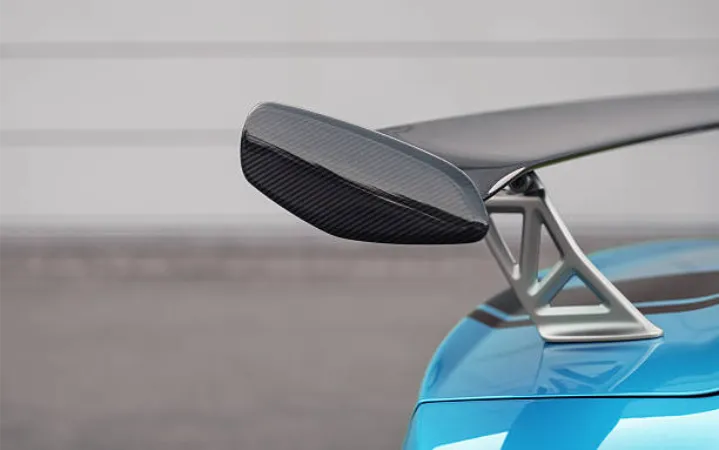
Developing competitive automotive products requires more than standard components. 自動車ブランド向け, 販売代理店, and modification businesses, custom carbon fiber parts offer opportunities to create vehicle-specific products and premium upgrades. しかし, challenges in design, 装備品, manufacturing quality, and supplier reliability can affect product success.
This article explains key considerations for developing custom carbon fiber parts, from manufacturing processes to supplier evaluation, helping businesses build competitive aftermarket product lines.
What Are Custom Carbon Fiber Parts for Automotive Businesses?
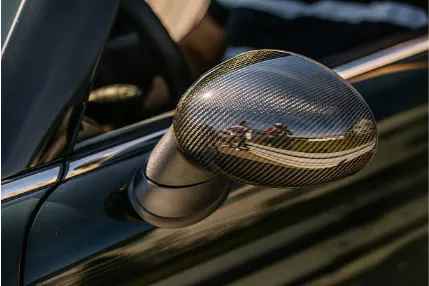
自動車ブランド向け, 販売代理店, and modification companies, custom carbon fiber parts provide a way to create unique vehicle upgrades and premium aftermarket products. These solutions help businesses meet specific market demands while offering better product differentiation.
Understanding Custom Carbon Fiber Parts and Standard Parts
Custom carbon fiber parts are designed around specific vehicle models, customer requirements, and market needs. Unlike standard components, they allow automotive businesses to create more targeted products with better fitment, unique designs, and stronger market differentiation.
| 側面 | Standard Automotive Parts | カスタムカーボンファイバーパーツ |
|---|---|---|
| Design | Fixed designs for general applications | Customized based on vehicle models and business requirements |
| 装備品 | Limited compatibility across vehicle models | Vehicle-specific precision fitment |
| Production | Mass production with standardized specifications | Custom development with flexible manufacturing processes |
| ビジネス価値 | Mainly focused on replacement needs and availability | Supports premium upgrades and stronger product differentiation |
For aftermarket suppliers and automotive brands, custom solutions create opportunities to develop exclusive upgrades instead of competing only on standard replacement products.
Automotive Exterior Applications of Custom Carbon Fiber Parts
Exterior components are one of the most common applications of automotive carbon fiber products. They allow businesses to create premium modification solutions that improve vehicle appearance and customer experience.
Typical applications include:
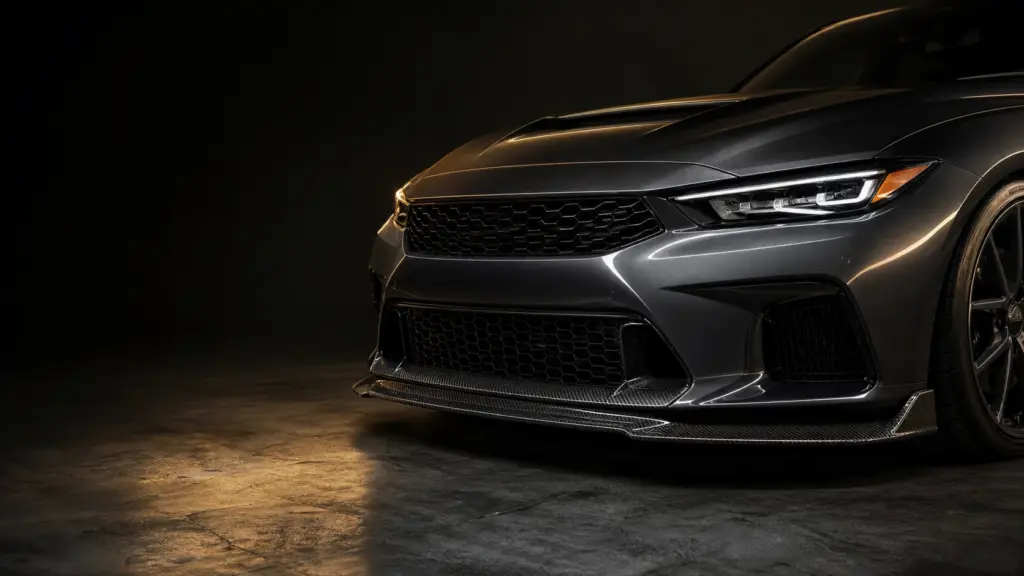
- Aerodynamic upgrades: Front lips, ネタバレ, and diffusers that enhance sporty styling.
- Body styling components: Side skirts, ミラーカバー, and hood panels for premium visual upgrades.
- Complete modification packages: Combined exterior solutions for specific vehicle models.
For performance and luxury vehicles, カーボンファイバー外装 parts help brands offer more attractive upgrade options and increase product value.
Automotive Interior and Other Applications of Custom Carbon Fiber Parts
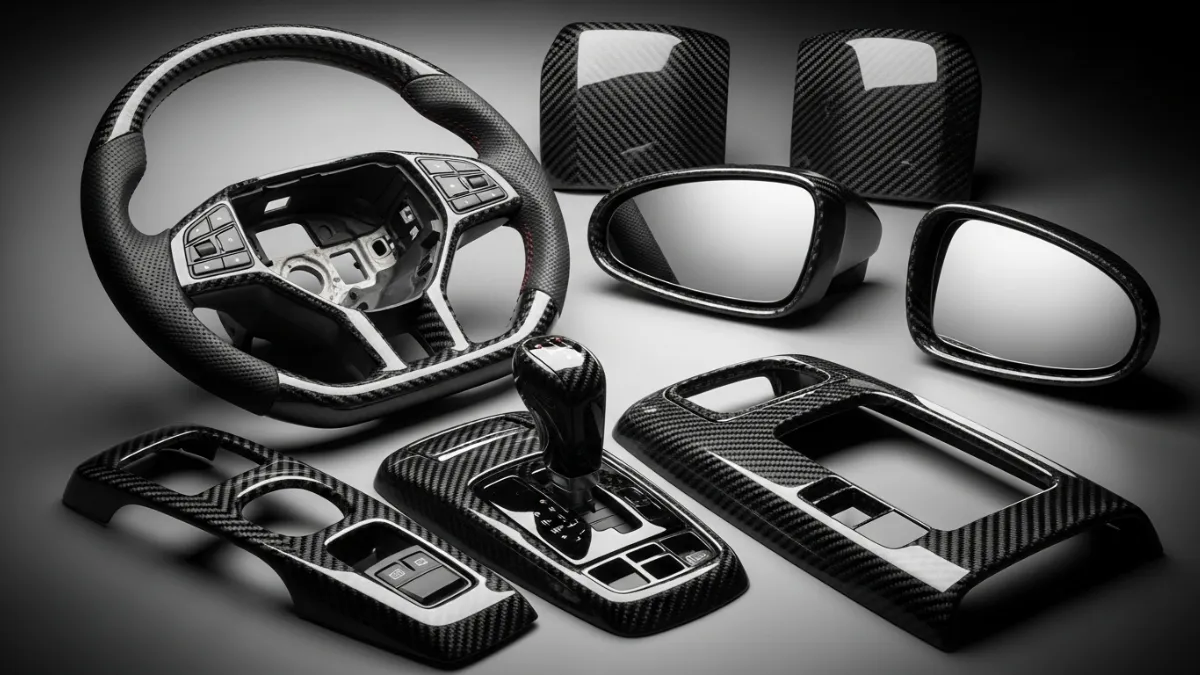
Carbon fiber is also widely used for interior customization and performance applications. Its unique texture, lightweight properties, and premium appearance make it suitable for both decorative and functional components.
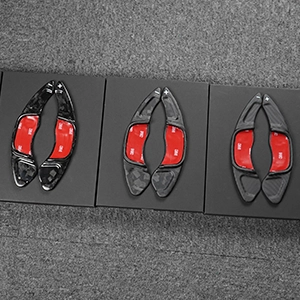
Common applications include dashboard trims, steering wheel covers, センターコンソール, and door panels. For motorsport and high-performance vehicles, carbon fiber components also support weight reduction and performance-oriented designs.
By expanding into interior and specialized applications, automotive businesses can build broader product portfolios and serve different market segments.
Benefits of Custom Carbon Fiber Parts for Automotive Businesses
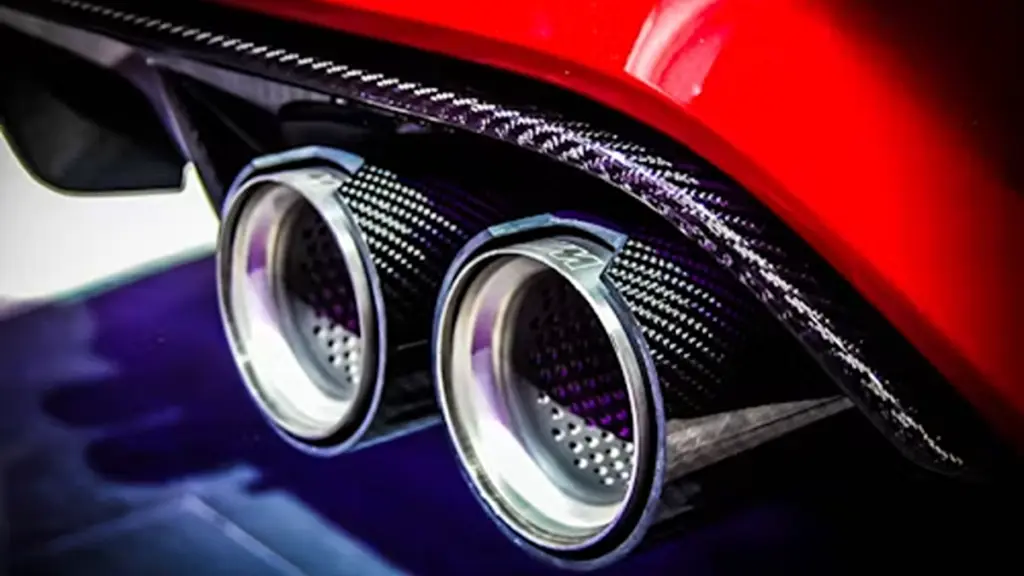
Custom carbon fiber solutions help automotive businesses move beyond standard products by creating unique designs, targeted applications, and stronger market positioning. They provide value throughout product development and aftermarket growth.
Improve Vehicle Appearance with Premium Carbon Fiber Designs
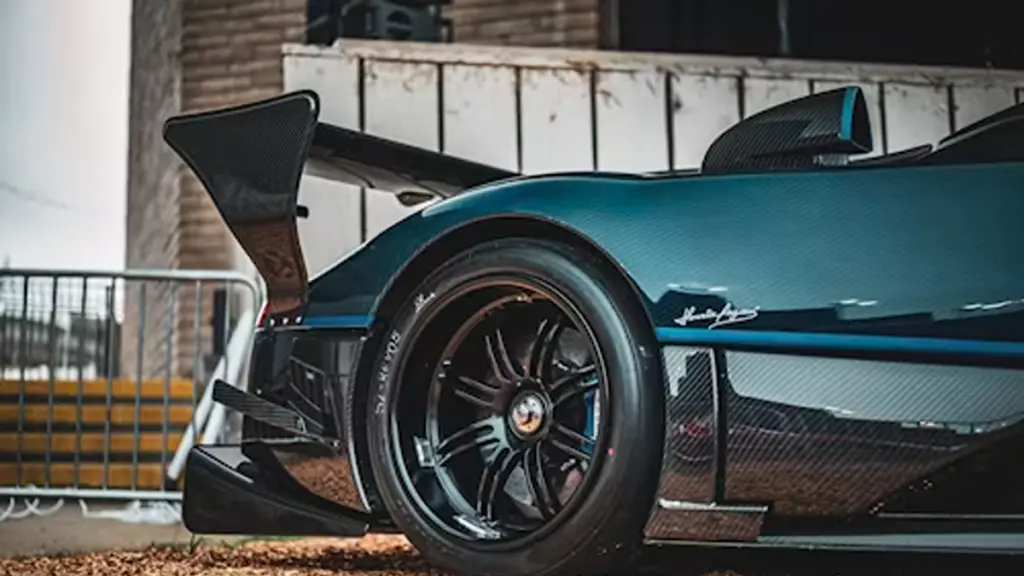
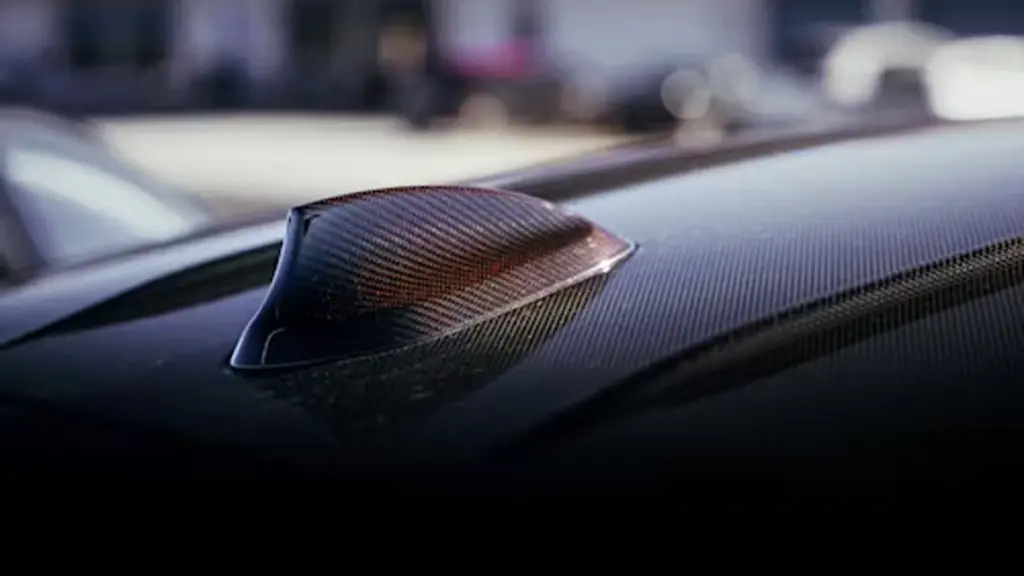
Carbon fiber is widely recognized for its distinctive weave pattern, lightweight appearance, and premium finish. For aftermarket brands, these visual advantages help create products that attract customers seeking personalized and high-end vehicle upgrades.
Businesses can customize different design elements, 含む:
- Surface finishes: Glossy, matte, or satin effects to match different vehicle styles.
- Visual designs: Unique carbon patterns and styling details for brand differentiation.
- Product shapes: Customized components that fit specific vehicle designs and customer preferences.
By offering visually appealing carbon fiber products, automotive companies can strengthen their premium positioning and increase the perceived value of their product lines.
Create Vehicle-Specific Products for Different Automotive Markets
Automotive markets vary by region, vehicle popularity, and customer preferences. A universal product may not meet the expectations of customers looking for precise fitment and model-specific upgrades.
Custom carbon fiber parts allow businesses to develop products based on:
- Vehicle demand: Popular models and modification trends in target markets.
- Customer expectations: Different preferences for luxury, レーシング, or performance upgrades.
- Market positioning: Product solutions designed for specific customer groups.
例えば, a distributor focusing on European luxury vehicles may develop premium interior carbon fiber upgrades, while a performance aftermarket brand may prioritize aerodynamic exterior components.
This flexibility helps businesses reduce direct competition and create more targeted product offerings.
Build Competitive Product Lines for Aftermarket Businesses
For aftermarket companies, offering unique products is essential to maintaining competitive advantages. Selling identical universal components often leads to price-based competition and limited brand growth.
Custom carbon fiber manufacturing supports stronger product strategies through:
- Exclusive product development: Create designs that competitors cannot easily replicate.
- Private label opportunities: Build branded product lines for specific markets.
- Premium product positioning: Offer higher-value upgrades with stronger customer appeal.
With reliable manufacturing support, businesses can develop products from initial concepts to finished components more efficiently, creating long-term opportunities in the automotive aftermarket.
Factory-Direct Carbon to Scale Your Brand
How Custom Carbon Fiber Parts Are Developed and Manufactured
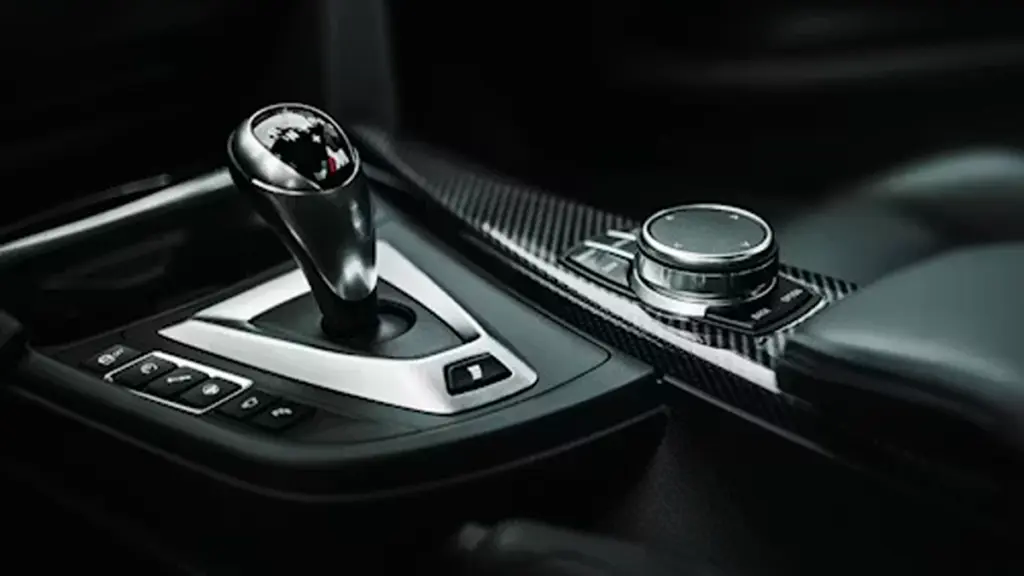
Producing reliable carbon fiber automotive parts requires careful engineering, precise manufacturing, and consistent quality control. Each step affects product performance, 取り付け精度, and long-term business value.
Product Requirements, Design and Engineering Preparation
Every custom project starts with clear product requirements. Manufacturers need to understand the target vehicle, application purpose, design expectations, and production goals before developing the product.
Key information usually includes:
- Vehicle specifications: モデル, year, and installation position.
- Product requirements: Function, styling direction, and performance expectations.
- Production planning: Target quantity and manufacturing requirements.
Engineers then create 3D models and production drawings to confirm dimensions, 構造, and compatibility. Early engineering preparation helps identify potential issues before manufacturing begins and improves development efficiency.
金型開発, Prototype Testing and Fitment Verification
After the design approval, manufacturers create molds and produce prototypes for testing. This step ensures that the carbon fiber part matches the vehicle accurately and meets the expected quality standards.
During prototype verification, manufacturers typically evaluate:
- Fitment accuracy: Whether the part aligns correctly with the vehicle structure.
- Surface quality: Whether the carbon fiber finish meets appearance requirements.
- Installation performance: Whether customers can install the product efficiently.
Prototype testing reduces modification costs during mass production and helps businesses launch more reliable aftermarket products.
Carbon Fiber Forming, CNC Processing and Surface Finishing
Once the prototype passes verification, manufacturers move into production. Different manufacturing techniques influence the strength, 外観, and consistency of the final carbon fiber parts.
Common production processes include:
- Carbon fiber forming: Creating the basic structure through layup and curing processes.
- CNC processing: Achieving precise dimensions and clean edges.
- Surface finishing: Applying polishing, coating, or other treatments for the desired appearance.
These processes require skilled technicians and proper equipment because even small production differences can affect fitment and surface quality.
Quality Inspection and Mass Production
Quality control plays an important role in maintaining consistent products during mass production. Professional manufacturers inspect both appearance and performance before shipment.
| Inspection Area | Purpose |
|---|---|
| Visual Inspection | Check carbon weave, surface defects, and finishing quality |
| Dimension Testing | Confirm accurate size and vehicle fitment |
| Installation Testing | Verify compatibility with the target vehicle |
| Final Inspection | Ensure production consistency before delivery |
自動車関連事業向け, stable quality control helps maintain brand reputation, reduce after-sales issues, and support long-term cooperation with customers.
Market Opportunities for Custom Carbon Fiber Automotive Parts
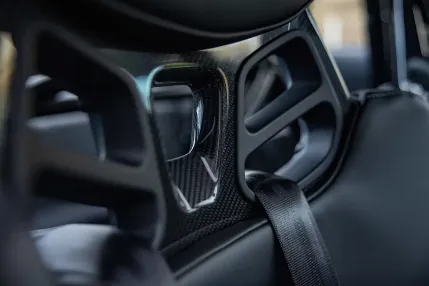
The automotive industry is moving toward lightweight, high-performance, and personalized vehicles. ブランド向け, 販売代理店, and aftermarket businesses, this trend creates new opportunities to develop カスタムカーボンファイバーパーツ for premium and performance-focused markets.
Growing Demand for Premium Vehicle Modification Products
Vehicle customization continues to drive demand for premium aftermarket products. Performance cars, 高級車, and enthusiast markets are seeking upgrades that improve appearance, 独占性, and driving experience.
Meanwhile, carbon fiber composites are gaining wider adoption in automotive applications due to their lightweight properties and high strength-to-weight ratio. This creates opportunities for businesses to develop:
- Exterior upgrades: ネタバレ, ディフューザー, フード, and aerodynamic components.
- Interior enhancements: Trim panels and decorative components for premium vehicles.
- Specialized solutions: Vehicle-specific products for niche automotive markets.
Expansion Opportunities for Distributors and E-commerce Sellers
The growth of online automotive sales allows distributors and e-commerce sellers to reach global customers with specialized carbon fiber products.
Custom manufacturing helps businesses expand their product strategies through:
- Private-label products: Develop branded carbon fiber upgrades for specific markets.
- Product expansion: Add more vehicle-specific solutions to existing portfolios.
- Market flexibility: Respond faster to changing customer demands.
By offering unique products instead of standard replacements, businesses can reduce price competition and build stronger market positioning.
Increasing Demand for Vehicle-Specific Carbon Fiber Solutions
As vehicle models become more diverse, customers increasingly expect precise fitment and personalized designs. Vehicle-specific carbon fiber solutions provide better integration than universal components.
This trend creates opportunities for automotive businesses to serve luxury vehicles, スポーツカー, and emerging EV markets while building differentiated aftermarket product lines.
How to Choose a Custom Carbon Fiber Parts Manufacturer
Finding a reliable carbon fiber partner requires more than comparing prices. Automotive businesses should evaluate manufacturing capability, development experience, and long-term support to ensure stable product quality and growth.
Evaluate Material Quality and Manufacturing Capability
Material selection and production capability directly influence the durability, 外観, and consistency of carbon fiber parts. A qualified manufacturer should have experience with different carbon fiber applications and understand how production methods affect final product performance.
Key factors to evaluate include:
- Material capability: Access to suitable carbon fiber materials for different applications.
- Manufacturing technology: Experience with forming, CNC processing, そして表面仕上げ.
- Quality systems: Processes that maintain consistent results during production.
A capable manufacturer can also provide technical recommendations based on product requirements, helping businesses develop more practical and reliable solutions.
Check Custom Development and Production Experience
Custom automotive projects require more than manufacturing capacity. Businesses need a partner that can support product development from early concepts to final production.
Important capabilities include:
- Engineering support: Assisting with design optimization and production preparation.
- Prototype development: Creating and testing samples before mass production.
- Production flexibility: Supporting different order volumes and project requirements.
For companies launching new aftermarket products, experienced manufacturers can reduce development risks and improve time-to-market efficiency.
Compare Quality Control, MOQ and Service Support
Beyond production capability, cooperation terms also affect long-term business success. A suitable manufacturer should provide stable quality, reasonable production flexibility, and responsive communication.
| 要素 | なぜそれが重要なのか |
|---|---|
| 品質管理 | Ensures consistent product performance and appearance |
| MOQ Requirements | Helps businesses manage inventory and investment risks |
| 生産能力 | Supports future business expansion and larger orders |
| Communication Support | Improves project efficiency and problem solving |
| アフターサポート | Helps maintain stable cooperation after delivery |
A strong carbon fiber manufacturer should provide more than production services. By working with a reliable partner, automotive businesses can develop new products, improve market response, and build sustainable growth in the aftermarket industry.
If you are evaluating manufacturers, you may find this article useful: Leading Carbon Fiber Auto Parts Manufacturers You Should Know
最終的な考え
Custom carbon fiber parts help automotive businesses develop unique products, meet the needs of specific vehicle markets, and strengthen their aftermarket competitiveness. From product development to manufacturing quality, each stage plays an important role in delivering reliable solutions and long-term business value.
ブランド向け, 販売代理店, and modification companies expanding their carbon fiber product lines, working with an experienced partner can reduce development risks and improve production efficiency. シャシャカーボン 提供します custom carbon fiber solutions to support businesses with vehicle-specific designs, precision production, and consistent quality.
よくある質問
What are custom carbon fiber parts?
Custom carbon fiber parts are non-standard composite components engineered to meet specific structural, functional, and aesthetic requirements. Unlike off-the-shelf stock shapes, their geometry, material system (fiber and resin), and fiber layup are all tailored for a specific application in industries like aerospace, automotive, or marine to achieve an optimal balance of high strength, low weight, and design complexity.
Can carbon fiber parts be made for any car model?
はい, custom carbon fiber parts can be made for virtually any car model, provided the manufacturer can access the part’s geometry. This is typically done by using an original OEM part as a template, creating a 3D scan, or working from CAD files. From this data, a custom mold is created. While cosmetic and semi-structural parts are feasible for any model, the primary constraints are the high cost of one-off tooling and the extensive engineering needed for safety-critical structural components.
Do custom carbon fiber parts require mold development?
はい, most custom carbon fiber parts require mold development to achieve accurate dimensions and vehicle-specific fitment. Manufacturers create molds based on CAD designs or original part data, then use prototypes to verify installation accuracy before mass production. For businesses developing new aftermarket products, proper mold development helps reduce production risks and ensures consistent quality.
What is the difference between custom and aftermarket carbon fiber parts?
The main difference is specificity and scale. Custom parts are one-off or low-volume pieces engineered for a specific client’s vehicle and unique requirements. Aftermarket parts are standardized components mass-produced by independent brands for a broader market. Custom parts offer tailored fitment and performance at a higher cost and longer lead time, while aftermarket parts are more affordable and readily available but may have variable quality.
How do manufacturers make custom carbon fiber parts?
Manufacturers make custom carbon fiber parts through a multi-stage process. It begins with CAD design and the creation of a precise mold. Carbon fiber fabric is then carefully laid into the mold. The layup is compacted under vacuum and cured using heat (in an oven) or both heat and pressure (in an autoclave). Finally, the part is demolded, trimmed, sanded, and polished to achieve the desired dimensional accuracy and surface finish.
What should businesses consider when working with a carbon fiber parts manufacturer?
Businesses should evaluate a manufacturer’s material quality, engineering capability, production experience, quality control process, and communication support. A reliable carbon fiber parts manufacturer should be able to support the entire development process, from product design and prototyping to mass production and consistent quality inspection.