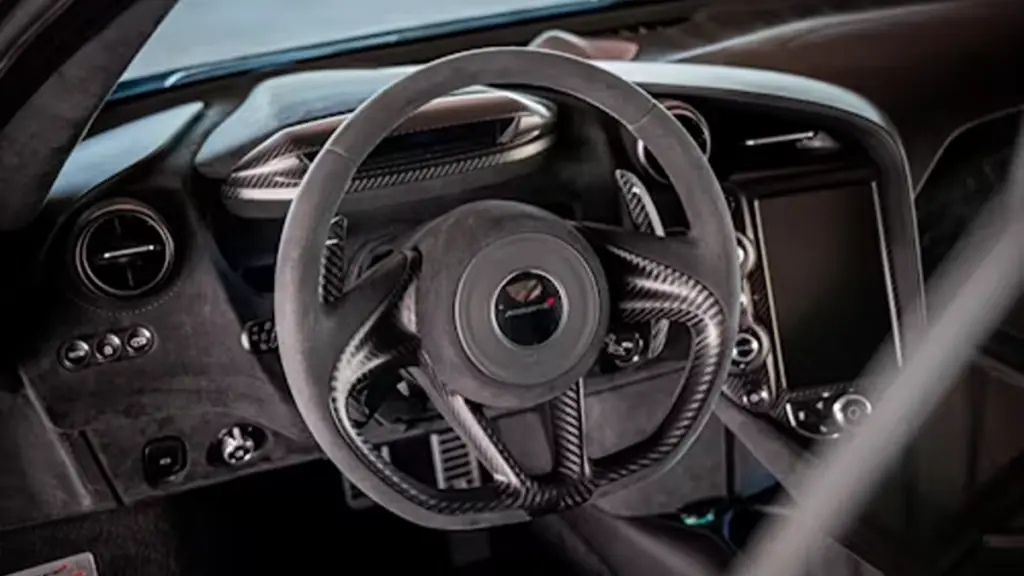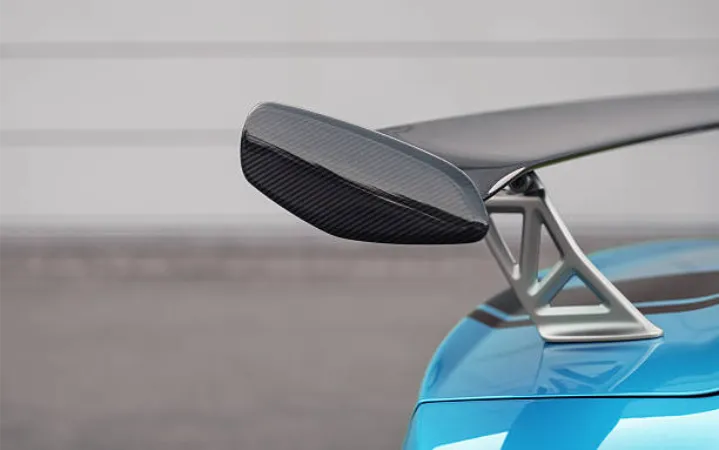

自動車業界ではカーボンファイバーやグラスファイバーなどの先進的な素材の採用が増えています。, 多くのお客様は、自動車部品の適切なオプションを選択する際に課題に直面しています。. シャシャカーボンファイバーにて, この分野のトップメーカー, お客様がこれら 2 つの素材の間で迷っているのをよく見かけます。. それで, カーボンファイバーとグラスファイバーの違いは何ですか?
簡単に言えば, 炭素繊維は強いです, ライター, グラスファイバーよりも硬い, しかし、それにはより高いコストがかかります. グラスファイバー, 一方で, より柔軟です, 費用対効果の高い, それでも高い強度対重量比を実現, 予算の制約が重要な用途に最適です.
この記事ではカーボンファイバーとファイバーグラスについて詳しく説明します。, そして、その強さの違いを比較してください, 弾性, 重さ, 耐熱性, 耐薬品性, そしてコスト. 最後までに, どの素材がニーズに最適であるかをより明確に理解できるようになります, 自動車業界にいるかどうか, 航空宇宙, または製造業.
カーボンファイバー vs. グラスファイバー: 主な違い
| 財産 | カーボンファイバー | グラスファイバー |
|---|---|---|
| 強さ | カーボンファイバーはグラスファイバーよりも強い, 以上の引張強さを提供します。 20% より高い. | グラスファイバーは強いです, しかしカーボンファイバーほど強くはありません. より柔軟です. |
| 弾性 | 柔軟性が低く、剛性が高い, より高い引張弾性率を持つ (4 グラスファイバーの数倍). | 柔軟性が高く、破損することなく大きな負担に耐えることができます。. |
| 重さ | グラスファイバーよりも軽い, 通常約 15% 体重が軽い. | カーボンファイバーより重い, それでも鋼などの金属よりははるかに軽い. |
| 耐熱性 | 低熱膨張で耐熱性に優れる, 極端な温度でも安定性を維持. | 耐熱性が低い; 温度変化により膨張または収縮する可能性があります, ただし、特定のタイプは 7200°C まで耐えることができます。. |
| 耐薬品性 | 非常に耐腐食性が高い, 酸, と擦り傷. | 耐薬品性にも優れています, しかし、機械的特性の点ではカーボンファイバーほど強くありません。. |
| 料金 | 製造プロセスが複雑なため、製造コストが高くなる. | より手頃な価格, 生産コストが低くなり、大量生産が容易になります. |
炭素繊維とは

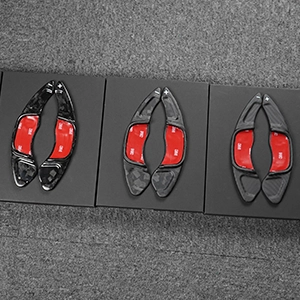
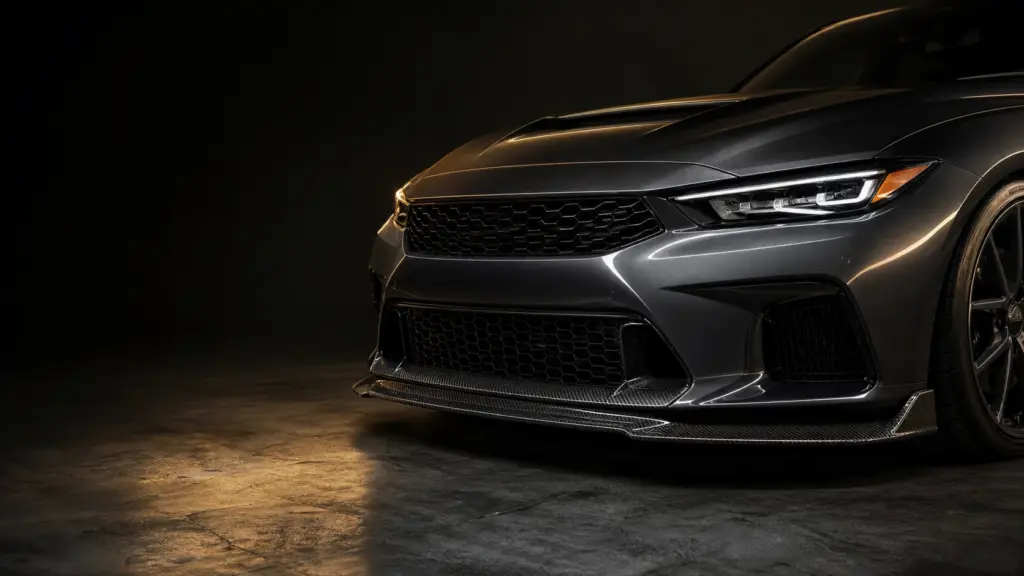
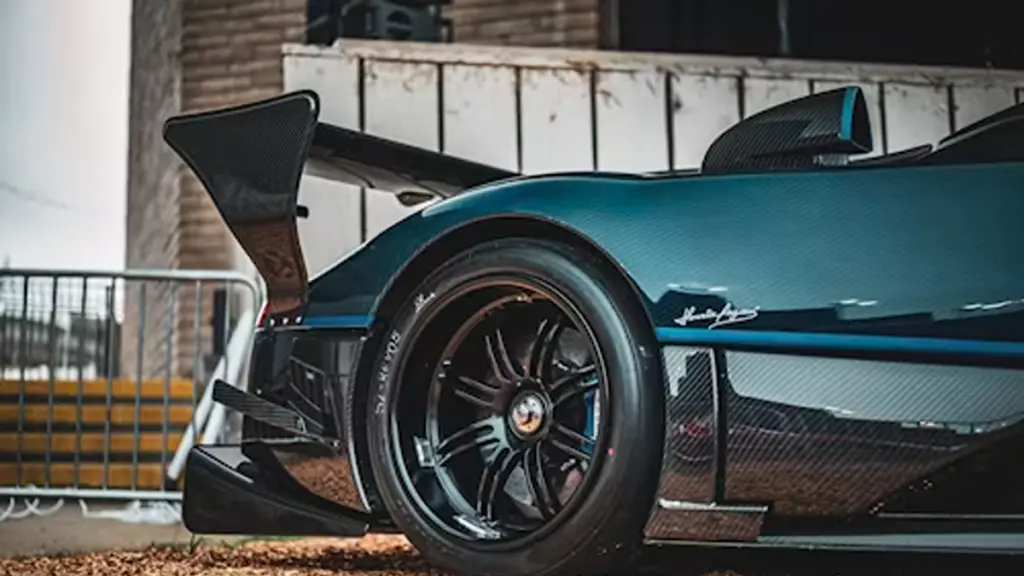
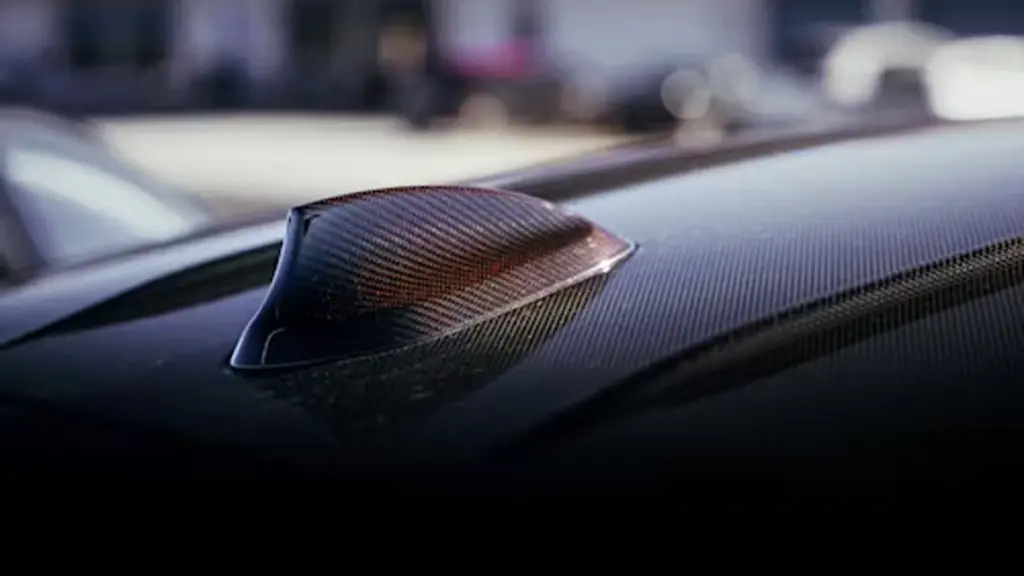
オートショーやカーレースを見ているとき, 視聴者はよく聞くでしょう カーボンファイバー自動車部品, カーボンファイバー製の車の外装, または カーボンファイバーの車のインテリア” 主人の紹介で. 炭素繊維は自動車製造に広く使用されている複合材料です. 生産技術が高度化するにつれ、, より多くのメーカーがバックミラーケースなどのカーボンファイバー自動車部品を提供し始めています, インテリアドアパネル, ドアハンドル, シフトバー, レーシングシート, エアキット, 等.
炭素繊維は有機繊維を炭化・黒鉛化して作られます。, 直径が のフィラメント状物質が得られます。 5-10 ミクロンを超える炭素含有量 90%. 小さな束に分類されます (24K 未満のファイバー) そして大きな束 (24K以上のファイバー). 1K バンドルには以下が含まれます 1,000 個々の繊維.
カーボンファイバーの長所
- 強度重量比: カーボンファイバーは驚くほど強力で軽量です, 高性能アプリケーションに最適です, 特に自動車産業と航空宇宙産業では.
- 耐久性: 優れた耐腐食性を発揮します, 着る, そして高温, 要求の厳しい環境でも寿命と信頼性を確保.
- 剛性: カーボンファイバーはグラスファイバーよりも硬い, そのため、構造的完全性が重要な用途に適しています。, 自動車部品やスポーツ用品など.
- 美的魅力: カーボンファイバーの独特の織り模様は、機能的用途と装飾的用途の両方で高く評価されています。, 自動車の内外装など.
カーボンファイバーの短所
- 高コスト: 複雑で時間のかかる製造プロセスにより、カーボンファイバーはグラスファイバーやアルミニウムなどの素材よりも大幅に高価になります。.
- 脆さ: カーボンファイバーはグラスファイバーよりも脆く、過度の衝撃やストレスがかかると亀裂が入ったり壊れたりする可能性があります。, 柔軟なアプリケーションでの使用を制限する.
- 製造の複雑さ: 炭素繊維の製造には特殊な設備と技術が必要です, 大量生産が難しくなり、製造時間が長くなる.
Shasha カーボンファイバーは自動車アフターマーケットの大手メーカーです, 高品質の炭素繊維製品の提供に努めます. 最先端のテクノロジーと専門的なデザインにより、, Shasha はシームレスな接続を保証します, パートナーと顧客向けのワンストップ ショッピング エクスペリエンス.
ファイバーグラスとは何ですか

ファイバーグラス, グラスファイバーとも呼ばれる, 優れた特性を備えた無機非金属材料の一種です, 現在では産業資材として広く使われています. ガラス糸を紡いで生地を作る技術は非常に古い, 遡って 1713.
Fファイバーグラスは非常に細いガラス繊維から作られています。. ガラス繊維の主成分はシリカの形です, 主に砂, 石灰岩, 石灰とホウ砂. ガラス繊維を作るには, ガラスが溶けるまで加熱され、超微細な孔に押し込まれます。, 非常に薄いガラスフィラメントが得られます. モノフィラメントの直径は数ミクロンから20ミクロン以上まであります。, と同等 1/20-1/5 人間の髪の毛の.
ガラス繊維製品は大きく4つのグループに分類されます: チョップドストランド, 直接延伸ロービング, 組み立てられたロービング, およびマット製品.
グラスファイバーの長所
- 費用対効果が高い: グラスファイバーはカーボンファイバーに比べて製造コストがはるかに安い, 多くのアプリケーションにとってコスト効率の高いオプションになります.
- 軽量: カーボンファイバーのような, グラスファイバーは軽量で、重量に対する強度の特性が優れています。, さまざまな業界での使用に最適です, 自動車および建設を含む.
- 耐久性: グラスファイバーは耐久性に優れています, 優れた耐腐食性を提供します, 化学薬品, と摩耗, 過酷な環境での長期使用に適しています。.
- 柔軟性: カーボンファイバーとは異なります, グラスファイバーは脆性が低く、破損することなくより多くの負荷に耐えることができます。, 柔軟性が必要なアプリケーションに最適です.
グラスファイバーの短所
- 強度の低下: グラスファイバーはカーボンファイバーほど強くも硬くもありません, そのため、最大の強度と剛性を必要とする高性能用途での使用が制限されます。.
- 剛性の低下: グラスファイバーはカーボンファイバーよりも剛性が低い, つまり、特定の用途では同じ構造的完全性が得られない可能性があります.
- バルカー: 軽量でありながら, グラスファイバーはカーボンファイバーに比べてまだかさばります, これは、スペースや重量が重要な要素となるアプリケーションでは不利になる可能性があります。.
カーボンファイバーとカーボンファイバーの違い. グラスファイバー
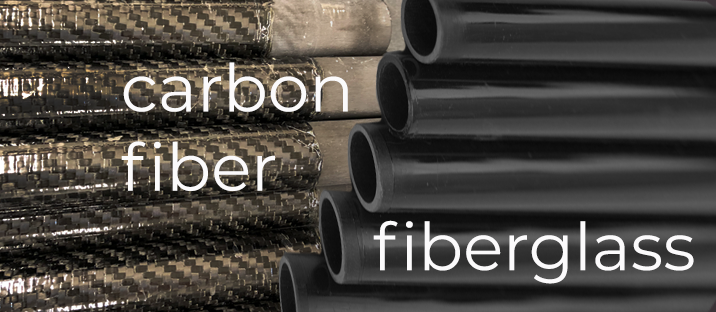
ソース: グッドウィンズ
カーボンファイバーはグラスファイバーとよく混同されます. 製造においては類似点があり、家具や自動車の成形品などの最終製品にはいくつかの交差がありますが、, 彼らは違います.
ファイバーグラス vs. 炭素繊維, 全体的にどっちが良いか? アプリケーションや特性に依存するため、この質問に正確に答えるのは非常に困難です。. 一部の地域では, 例えば, 航空宇宙製造, カーボンファイバーはグラスファイバーを超える. しかし, 断熱材に関して言えば, グラスファイバーは理想的な選択です.
強さ
カーボンファイバーはその並外れた強度で知られています, これは主にその繊維構造と高い引張強度によるものです。. 以上です 20% グラスファイバーよりも強く、強度対重量比は約 2 倍です. 炭素繊維は繊維がしっかりと結合しているため丈夫です, 余分な重量を追加することなく、高レベルの構造的完全性を提供します.
一方で, グラスファイバーは依然としてスチールよりもはるかに強い, しかし、その強さはより均等に分散されます, カーボンファイバーよりも剛性が低くなります. 脆性が少なく、柔軟性が高くなります, しかし、このトレードオフは、グラスファイバーが剛性と強度が重要な用途にはあまり適していないことを意味します。.
弾性
カーボンファイバーはグラスファイバーよりも柔軟性がはるかに劣ります, 4倍高い引張弾性率を持つ. これは、カーボンファイバーがより硬く、剛性が高いことを意味します. 対照的に, グラスファイバーの方が弾力性がある, 破損することなく曲げることができ、より多くの張力を吸収することができます。, 全体的により柔軟になる.
重さ
カーボンファイバーは通常約 15% グラスファイバーよりも軽い. この重量の違いにより、重量を最小限に抑えることが重要な用途ではカーボンファイバーが有利になります。.
どちらの素材もスチールやアルミニウムなどの金属よりも軽いですが、, グラスファイバーは依然として好ましい重量対強度比を提供しますが、カーボンファイバーと比較すると比較的重いです。.
耐熱性
炭素繊維は熱膨張係数が低く、寸法安定性が高い, つまり、極端な温度でも機械的特性を維持します。. 負の熱膨張係数は、マトリックスの正の係数によって相殺されます。, その結果、ほぼ中性の全体的な熱膨張が生じます. これにより、極度の高温と低温の両方でカーボンファイバーの安定性が向上します。.
対照的に, グラスファイバーは熱で膨張し、冷たさで収縮します, 温度が変動すると安定性が低下する. しかし, 一部の特殊なグラスファイバータイプは、最大 7200°C の熱に耐えることができます。.
耐薬品性
カーボンファイバーとグラスファイバーはどちらも有害な化学物質に対する優れた耐性を備えています。, 腐食, 酸, と摩耗. しかし, 一般にカーボンファイバーは極限環境でより優れたパフォーマンスを発揮します, より広範囲の化学物質に対する耐性が高いため、. ファイバーグラスは強力な耐薬品性も備えています, 特定の腐食性の高い条件ではそれほど効果的ではない可能性があります.
料金
グラスファイバーは、製造プロセスが簡単で原材料が入手しやすいため、一般にカーボンファイバーよりもコスト効率が高くなります。. したがって, グラスファイバーはカーボンファイバーよりも幅広い用途に使用されています.
炭素繊維は量産化が容易ではない. カーボンファイバーの製造は、グラスファイバーよりも集中的で時間のかかるプロセスです。炭素繊維の製造プロセスはより組織化され、関与する必要がある, そして炭素繊維の確立された生産者は少なくなっている.
カーボンファイバーとグラスファイバーの一般的な用途

炭素繊維の用途
炭素繊維は高い導電性を持っています (体積インピーダンス) 同様に優れています EMIシールド プロパティ. こういった特徴があるため、, CFRP (炭素繊維強化プラスチック) EMIシールドの分野に応用されています. CFRPはスチールやガラス繊維強化プラスチックよりも優れています (GFRP) 比引張強さと比弾性率の観点から (比剛性).
加えて, 炭素繊維複合材は自動車産業や航空宇宙産業で広く使用されています, スポーツ用品や、軽量性と強度が重要なその他の高性能用途にも使用されます。. 材料の汎用性により、幅広い製品に採用されています, 釣り竿や自転車フレームから高級自動車まで
カーボンファイバーには強度指数があります, 引張強度に応じて等級分けされています. 一般的なカーボンファイバーの種類は T300 です, T400, T700, T800, T1000. T300の製品は主に一般民生用です, T800以上の製品は主に軍事宇宙分野で使用されます. 炭素繊維市場は、 $8.9 10億まで 2031. この数字は、カーボンファイバーの広範な使用と人気を示しています。.
グラスファイバーの用途
ファイバーグラスは通常、強化材として使用されます, 複合材料製造時の電気絶縁材料、断熱材料. ガラス繊維が織り込まれたら, さまざまな樹脂を追加して製品の強度を高めることができます, そのため、さまざまな形状に成形することができます.
さまざまなメーカーが、さまざまな最終用途に合わせてさまざまな種類のガラス繊維を製造しています. グラスファイバーで作られた一般的なアイテムには、家庭用家具の生地が含まれます, アパレルと衣類, タイヤ, スポーツ用品, 車の外装部品. グラスファイバーなので軽くて丈夫です, より複雑な用途に最適な材料です, 回路基板など.
結論
総括する, カーボンファイバーとファイバーグラスには、さまざまな面で長所と短所があります。. 繊維の種類ごとに強度などの特性が異なります, 弾性, 重さ, 耐熱性, 耐薬品性, コストとコストを考慮して、状況に応じて業界の特定の側面で異なる材料を交換できるようにする.
消費者は購入する際に鉄鋼の特性を考慮する必要があります。カーボンファイバーとファイバーグラスを選択する際には、考慮すべき多くの要素があります. 場合によっては、消費者はメーカーやサプライヤーも考慮する必要があります。
よくある質問
カーボンファイバーの重さはどのくらいですか?
カーボンファイバーの重量は通常、立方センチメートルあたり約 1.6 ~ 2.0 グラムです。 (g/cm3). それは 15-20% グラスファイバーよりも軽い, 高強度の製品に最適です。, 軽量アプリケーション.
カーボンファイバーは高価ですか?
はい, カーボンファイバーは通常、グラスファイバーよりもはるかに高価です, からの価格帯 $10 に $20 ポンド当たり, グレードに応じて. 製造工程が複雑なためコストが高い, ただし、その優れた強度と軽量により、特殊な用途ではコストが正当化されることがよくあります。.
どちらが良いですか, カーボンファイバーまたはグラスファイバー?
アプリケーションによって異なります. カーボンファイバーのほうが強い, ライター, そしてより堅い, 高性能な用途に最適です, 一方、グラスファイバーはより手頃な価格で柔軟性があります, 費用対効果の高いプロジェクトに適しています.