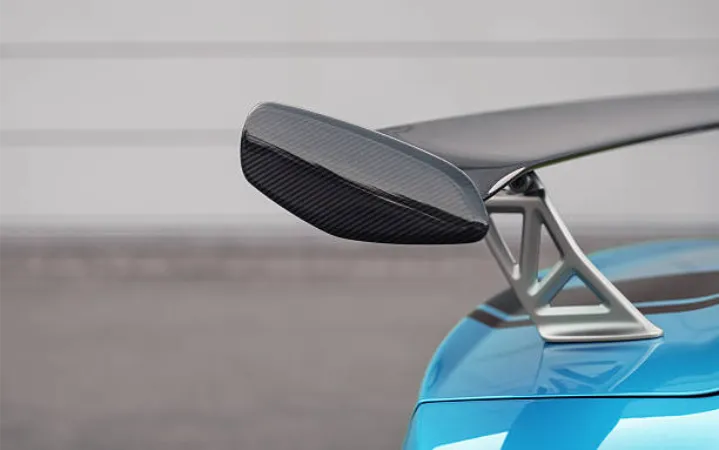

À medida que a indústria automotiva adota cada vez mais materiais avançados como fibra de carbono e fibra de vidro, muitos clientes enfrentam desafios ao escolher a opção certa para as peças dos seus automóveis. Na Shasha Fibra de Carbono, um fabricante líder no campo, muitas vezes vemos clientes divididos entre esses dois materiais. Então, qual é a diferença entre fibra de carbono e fibra de vidro?
Simplificando, fibra de carbono é mais forte, isqueiro, e mais rígido que fibra de vidro, mas tem um custo maior. Fibra de vidro, por outro lado, é mais flexível, econômico, e ainda oferece uma alta relação resistência-peso, tornando-o ideal para aplicações onde as restrições orçamentárias são um fator.
Este artigo discutirá profundamente a fibra de carbono e a fibra de vidro, e então compare sua diferença na força, elasticidade, peso, resistência ao calor, resistência química, e custo. No final, você terá uma compreensão mais clara de qual material é mais adequado para suas necessidades, se você está no setor automotivo, aeroespacial, ou indústria transformadora.
Fibra de carbono vs.. Fibra de vidro: Principais diferenças
| Propriedade | Fibra de Carbono | Fibra de vidro |
|---|---|---|
| Força | A fibra de carbono é mais forte que a fibra de vidro, oferecendo uma resistência à tração que é mais do que 20% mais alto. | A fibra de vidro é forte, mas não tão forte quanto a fibra de carbono. É mais flexível. |
| Elasticidade | Menos flexível e mais rígido, com um módulo de tração mais alto (4 vezes maior que a fibra de vidro). | Mais flexível e pode suportar maior tensão sem quebrar. |
| Peso | Mais leve que fibra de vidro, normalmente sobre 15% menos em peso. | Mais pesado que fibra de carbono, mas ainda muito mais leve que metais como o aço. |
| Resistência ao Calor | Excelente resistência ao calor com baixa expansão térmica, mantendo a estabilidade mesmo em temperaturas extremas. | Menos resistente ao calor; pode expandir ou contrair com mudanças de temperatura, mas certos tipos podem suportar até 7200°C. |
| Resistência Química | Muito resistente à corrosão, ácidos, e abrasões. | Também altamente resistente a produtos químicos, mas não tão forte quanto a fibra de carbono em termos de propriedades mecânicas. |
| Custo | Mais caro de produzir devido ao complexo processo de fabricação. | Mais acessível, com custos de produção mais baixos e produção em massa mais fácil. |
O que é fibra de carbono

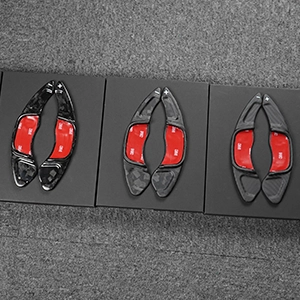
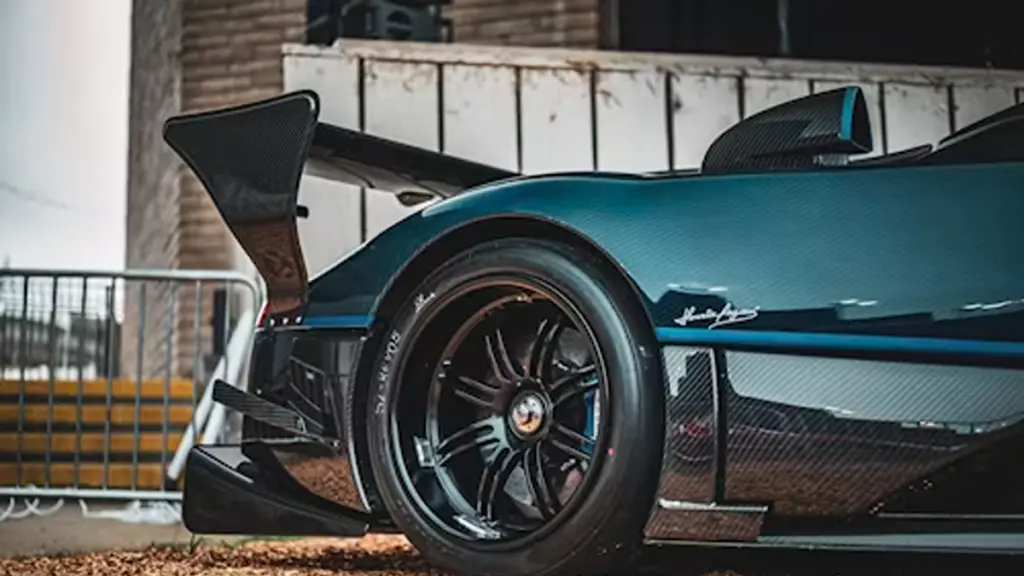
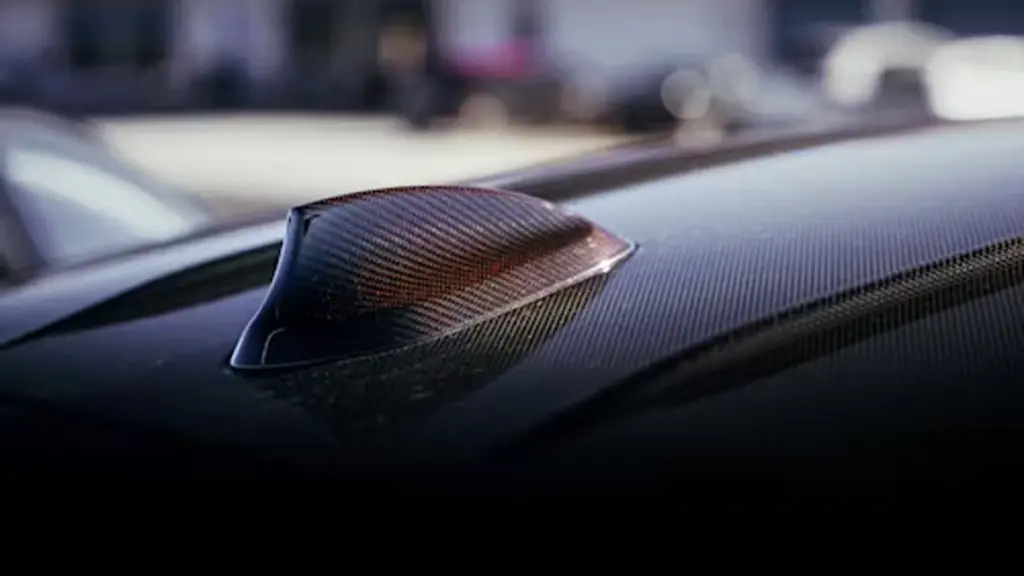
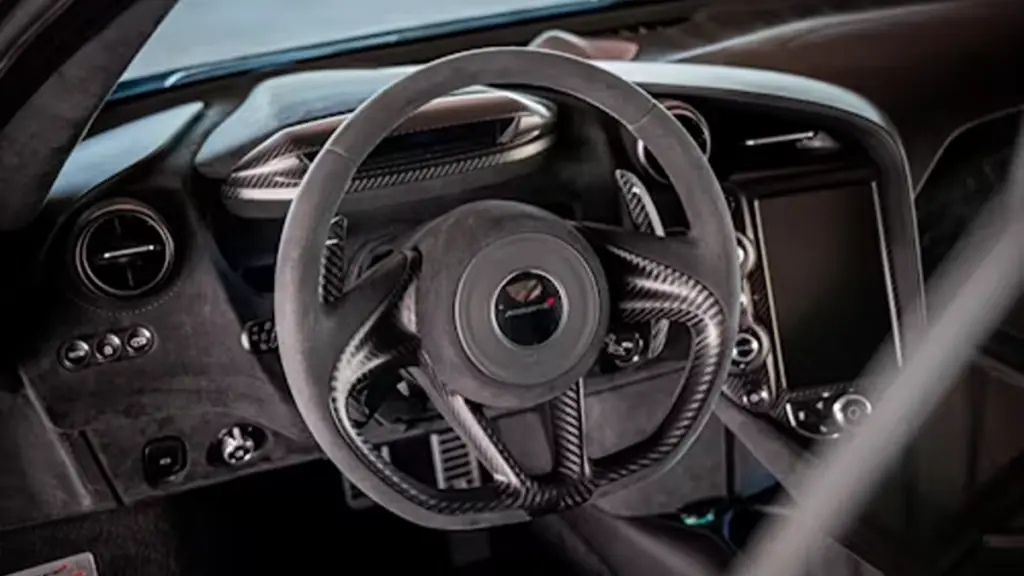
Ao assistir a um salão do automóvel ou a uma corrida de carros, o público frequentemente ouvirá peças de carro de fibra de carbono, exterior do carro em fibra de carbono, ou interior do carro em fibra de carbono” apresentado pelo anfitrião. A fibra de carbono é um material compósito amplamente utilizado na fabricação automotiva. À medida que a tecnologia de produção se torna mais avançada, mais fabricantes começam a fornecer peças automotivas de fibra de carbono, como caixas de espelhos retrovisores, painéis de portas interiores, maçanetas, barras de mudança, assentos de corrida, kits de ar, etc..
A fibra de carbono é produzida através da carbonização e grafitização de fibras orgânicas, resultando em um material filamentoso com um diâmetro de 5-10 mícrons e um teor de carbono superior 90%. É classificado em pequenos pacotes (menos de fibras de 24K) e pacotes grandes (mais de fibras 24K). Um pacote de 1K contém 1,000 fibras individuais.
Prós da fibra de carbono
- Relação resistência/peso: A fibra de carbono é incrivelmente forte e leve, tornando-o ideal para aplicações de alto desempenho, especialmente nas indústrias automotiva e aeroespacial.
- Durabilidade: Oferece excelente resistência à corrosão, vestir, e altas temperaturas, garantindo longevidade e confiabilidade em ambientes exigentes.
- Rigidez: A fibra de carbono é mais rígida que a fibra de vidro, o que o torna adequado para aplicações onde a integridade estrutural é crucial, como peças de automóveis e equipamentos esportivos.
- Apelo Estético: O padrão distinto de fibra de carbono é altamente valorizado em aplicações funcionais e decorativas, como interiores e exteriores automotivos.
Contras da fibra de carbono
- Alto custo: O processo de fabricação complexo e demorado torna a fibra de carbono significativamente mais cara do que materiais como fibra de vidro ou alumínio.
- Fragilidade: A fibra de carbono é mais frágil que a fibra de vidro e pode rachar ou quebrar sob impacto ou estresse excessivo, limitando seu uso em aplicações flexíveis.
- Complexidade de fabricação: A produção de fibra de carbono requer equipamentos e tecnologia especializados, tornando desafiador a produção em massa e aumentando o tempo de fabricação.
Shasha Carbon Fiber é um fabricante líder no mercado de reposição automotiva, comprometido em fornecer produtos de fibra de carbono de alta qualidade. Com tecnologia de ponta e design especializado, Shasha garante uma perfeita, experiência de compra completa para seus parceiros e clientes.
O que é fibra de vidro

Fibra de vidro, também chamada de fibra de vidro, é um tipo de material inorgânico não metálico com excelentes propriedades, amplamente utilizado como material industrial atualmente. A arte de fiar fios de vidro para fazer tecidos é muito antiga, namoro de volta a 1713.
FA fibra de vidro é feita de fibras de vidro extremamente finas. Os ingredientes básicos das fibras de vidro são formas de sílica, principalmente areia, calcário, cinza de pedra e bórax. Para fazer fibras de vidro, o vidro é aquecido até derreter e depois forçado através de poros ultrafinos, resultando em um filamento de vidro muito fino. Os monofilamentos variam em diâmetro de alguns mícrons a mais de vinte mícrons, equivalente a 1/20-1/5 de um cabelo humano.
Os produtos de fibra de vidro são categorizados em quatro grupos principais: fios picados, mechas de tração direta, mechas montadas, e produtos de tapete.
Prós da fibra de vidro
- Econômico: A fibra de vidro é muito mais barata de produzir em comparação com a fibra de carbono, tornando-o uma opção econômica para muitas aplicações.
- Leve: Como fibra de carbono, a fibra de vidro é leve e tem propriedades favoráveis de resistência/peso, tornando-o ideal para uso em vários setores, incluindo automotivo e construção.
- Durabilidade: A fibra de vidro é altamente durável, oferecendo boa resistência à corrosão, produtos químicos, e abrasão, tornando-o adequado para uso duradouro em ambientes agressivos.
- Flexibilidade: Ao contrário da fibra de carbono, a fibra de vidro é menos frágil e pode suportar mais tensão sem quebrar, tornando-o ideal para aplicações onde a flexibilidade é necessária.
Contras da fibra de vidro
- Menos força: A fibra de vidro não é tão forte ou rígida quanto a fibra de carbono, o que limita seu uso em aplicações de alto desempenho que exigem máxima resistência e rigidez.
- Menor Rigidez: A fibra de vidro é menos rígida que a fibra de carbono, o que significa que pode não fornecer a mesma integridade estrutural em certas aplicações.
- Mais volumoso: Embora leve, a fibra de vidro ainda é mais volumosa em comparação com a fibra de carbono, o que pode ser uma desvantagem em aplicações onde o espaço ou o peso são um fator crítico.
Diferenças entre fibra de carbono vs.. Fibra de vidro
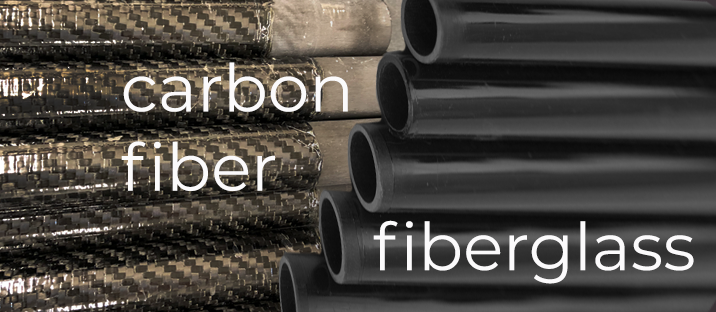
Fonte: Bons ventos
A fibra de carbono é frequentemente confundida com fibra de vidro. Embora existam semelhanças na fabricação e alguns cruzamentos em produtos finais, como móveis e molduras automotivas, eles são diferentes.
Fibra de vidro versus. fibra de carbono, o que é melhor no geral? É muito difícil dar uma resposta precisa a esta pergunta porque depende das aplicações e propriedades. Em algumas áreas, por exemplo, fabricação aeroespacial, fibra de carbono supera fibra de vidro. No entanto, quando se trata de isolamento, fibra de vidro é a escolha ideal.
Força
A fibra de carbono é conhecida por sua resistência excepcional, o que se deve em grande parte à sua estrutura fibrosa e alta resistência à tração. É mais do que 20% mais forte que a fibra de vidro e tem uma relação resistência-peso aproximadamente duas vezes maior. A fibra de carbono é forte porque suas fibras estão firmemente ligadas, proporcionando um alto nível de integridade estrutural sem adicionar peso excessivo.
Por outro lado, a fibra de vidro ainda é muito mais forte que o aço, mas sua força é distribuída de maneira mais uniforme, tornando-o menos rígido que a fibra de carbono. É menos frágil e oferece mais flexibilidade, mas esta compensação significa que a fibra de vidro é menos adequada para aplicações onde a rigidez e a resistência são críticas.
Elasticidade
A fibra de carbono é muito menos flexível que a fibra de vidro, com um módulo de tração quatro vezes maior. Isso significa que a fibra de carbono é muito mais rígida e rígida. Em contraste, fibra de vidro é mais elástica, capaz de dobrar e absorver mais tensão sem quebrar, tornando-o mais flexível em geral.
Peso
A fibra de carbono é normalmente sobre 15% mais leve que fibra de vidro. Esta diferença de peso dá à fibra de carbono uma vantagem em aplicações onde a minimização do peso é importante.
Embora ambos os materiais sejam mais leves que metais como aço e alumínio, a fibra de vidro ainda oferece uma relação peso/resistência favorável, mas é relativamente mais pesada em comparação com a fibra de carbono.
Resistência ao Calor
A fibra de carbono possui baixo coeficiente de expansão térmica e alta estabilidade dimensional, o que significa que mantém suas propriedades mecânicas em temperaturas extremas. Seu coeficiente negativo de expansão térmica é compensado pelo coeficiente positivo de sua matriz, resultando em uma expansão térmica geral quase neutra. Isso dá à fibra de carbono melhor estabilidade em calor e frio extremos.
Em contraste, a fibra de vidro se expande com o calor e se contrai com o frio, tornando-o menos estável em temperaturas flutuantes. No entanto, alguns tipos especializados de fibra de vidro podem suportar calor de até 7.200°C.
Resistência Química
Tanto a fibra de carbono quanto a fibra de vidro oferecem excelente resistência a produtos químicos nocivos, corrosão, ácidos, e abrasão. No entanto, a fibra de carbono geralmente tem melhor desempenho em ambientes extremos, pois é mais resistente a uma gama mais ampla de produtos químicos. Embora a fibra de vidro também forneça forte resistência química, pode não ser tão eficaz em certas condições altamente corrosivas.
Custo
A fibra de vidro é geralmente mais econômica do que a fibra de carbono devido ao seu processo de fabricação mais simples e à disponibilidade de matérias-primas. Portanto, a fibra de vidro é usada em uma gama mais ampla de aplicações do que a fibra de carbono.
Não é fácil para a fibra de carbono realizar a produção em massa. É um processo mais intensivo e demorado fabricar fibra de carbono do que fibra de vidro. O processo de fabricação da fibra de carbono deveria ser mais organizado e envolvente, e há menos produtores estabelecidos de fibra de carbono.
Aplicações comuns de fibra de carbono e fibra de vidro

Aplicações de fibra de carbono
A fibra de carbono tem alta condutividade elétrica (impedância volumétrica) bem como excelente Blindagem EMI propriedades. Devido a essas características, PRFC (plásticos reforçados com fibra de carbono) são aplicados no campo de blindagem EMI. CFRP é superior aos plásticos reforçados com aço ou fibra de vidro (PRFV) em termos de resistência à tração específica e módulo de elasticidade específico (rigidez específica).
Além disso, compósitos de fibra de carbono são amplamente utilizados nas indústrias automotiva e aeroespacial, bem como em equipamentos esportivos e outras aplicações de alto desempenho onde o peso leve e a resistência são cruciais. A versatilidade do material levou à sua adoção em uma ampla gama de produtos, desde varas de pesca e quadros de bicicletas até automóveis de alta qualidade
A fibra de carbono tem um índice de resistência, que é classificado de acordo com a resistência à tração. Os tipos comuns de fibra de carbono são T300, T400, T700, T800, T1000. Os produtos do T300 são principalmente para uso civil comum, e produtos do T800 e superiores são usados principalmente no campo espacial militar. O mercado de fibra de carbono deverá atingir um valor superior a $8.9 bilhão por 2031. O número é indicativo do amplo uso e popularidade das fibras de carbono.
Aplicações de fibra de vidro
A fibra de vidro é geralmente usada como material de reforço, materiais de isolamento elétrico e materiais de isolamento térmico na fabricação de materiais compósitos. Uma vez que as fibras de vidro são tecidas juntas, diferentes resinas podem ser adicionadas para aumentar a resistência do produto, o que permite que ele seja moldado em uma variedade de formas.
Vários fabricantes produzem diferentes tipos de fibras de vidro para diferentes usos finais. Itens comuns feitos de fibra de vidro incluem tecidos para decoração de casa, vestuários e roupas, pneus, equipamento esportivo, peças exteriores do carro. Como a fibra de vidro é leve e durável, é um material ideal para aplicações mais elaboradas, como placas de circuito.
Conclusão
Resumindo, tanto a fibra de carbono quanto a fibra de vidro têm vantagens e desvantagens em diferentes aspectos. Cada tipo de fibra varia em suas propriedades, como resistência, elasticidade, peso, resistência ao calor, resistência química, e custo para que diferentes materiais possam ser trocados em certos aspectos da indústria, dependendo das circunstâncias.
Os consumidores devem levar em consideração as propriedades do aço no momento da compra. Há muitos fatores a serem considerados ao escolher fibra de carbono e fibra de vidro. Às vezes, os consumidores também precisam levar em consideração o fabricante e o fornecedor.
Perguntas frequentes
Qual é o peso da fibra de carbono?
A fibra de carbono normalmente pesa cerca de 1,6–2,0 gramas por centímetro cúbico (g/cm³). Isso é 15-20% mais leve que fibra de vidro, tornando-o uma escolha ideal para alta resistência, aplicações leves.
A fibra de carbono é cara?
Sim, a fibra de carbono é normalmente muito mais cara que a fibra de vidro, com preços que variam de $10 para $20 por libra, dependendo da nota. Seu alto custo se deve ao complexo processo de fabricação, embora sua resistência superior e peso leve muitas vezes justifiquem o gasto em aplicações especializadas.
O que é melhor, fibra de carbono ou fibra de vidro?
Depende da aplicação. A fibra de carbono é mais forte, isqueiro, e mais rígido, tornando-o ideal para usos de alto desempenho, enquanto a fibra de vidro é mais acessível e flexível, adequado para projetos econômicos.