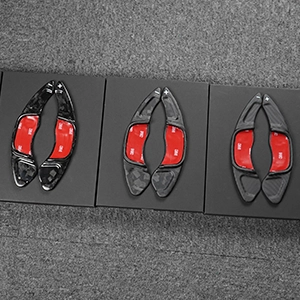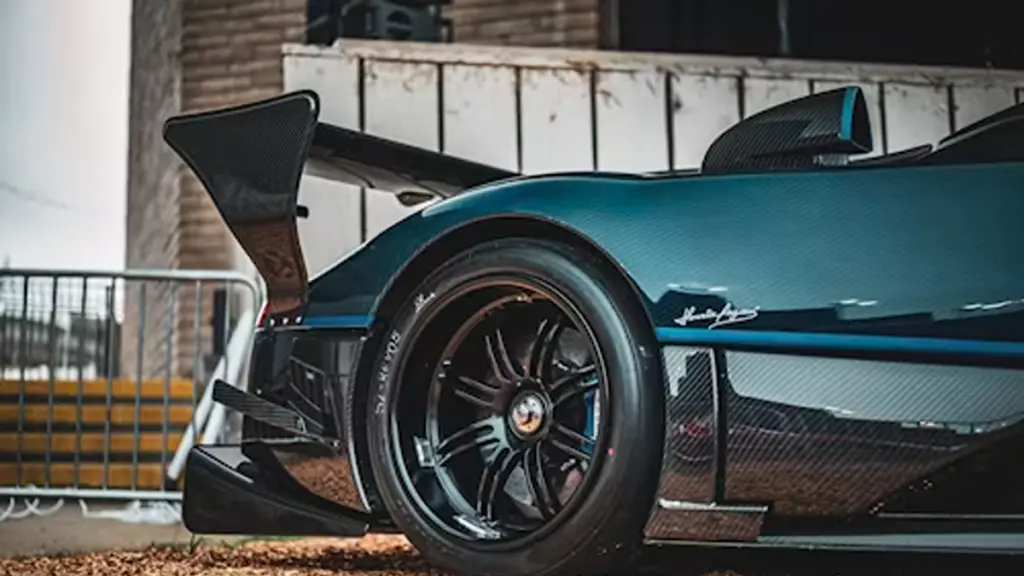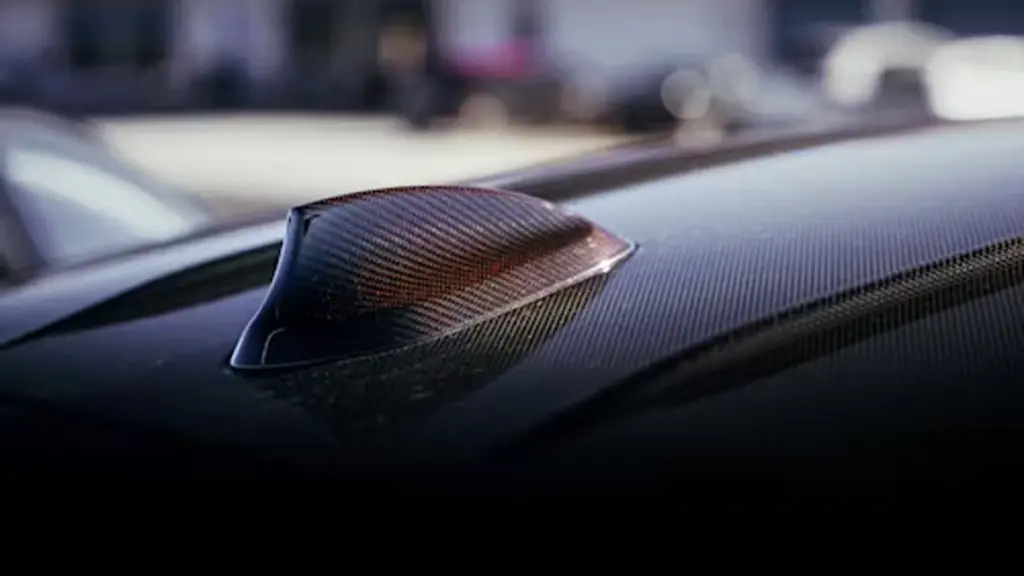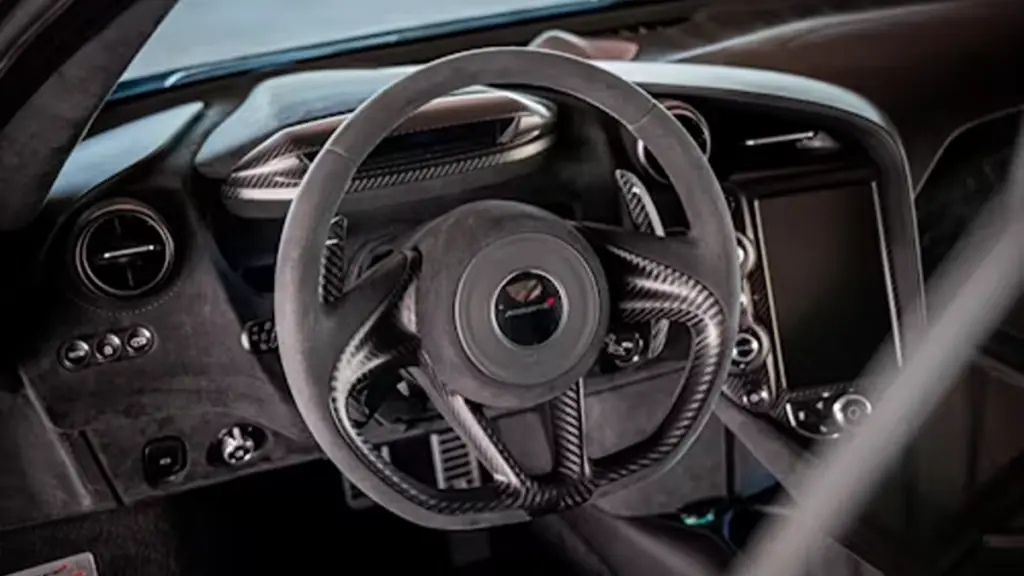

A medida que la industria automotriz adopta cada vez más materiales avanzados como fibra de carbono y fibra de vidrio, Muchos clientes enfrentan desafíos al elegir la opción correcta para las piezas de su automóvil.. En fibra de carbono Shasha, un fabricante líder en el campo, A menudo vemos clientes divididos entre estos dos materiales.. Entonces, ¿Cuál es la diferencia entre fibra de carbono y fibra de vidrio??
En pocas palabras, La fibra de carbono es más fuerte., encendedor, y más rígido que la fibra de vidrio, pero tiene un costo mayor. Fibra de vidrio, por otro lado, es mas flexible, rentable, y aún ofrece una alta relación resistencia-peso, lo que lo hace ideal para aplicaciones donde las restricciones presupuestarias son un factor.
Este artículo discutirá en profundidad la fibra de carbono y la fibra de vidrio., y luego comparar su diferencia en la fuerza, elasticidad, peso, resistencia al calor, resistencia química, y costo. Al final, Tendrá una comprensión más clara de qué material se adapta mejor a sus necesidades., ya sea que estés en el automóvil, aeroespacial, o industria manufacturera.
Fibra de carbono vs.. Fibra de vidrio: Diferencias clave
| Propiedad | Fibra de carbon | Fibra de vidrio |
|---|---|---|
| Fortaleza | La fibra de carbono es más fuerte que la fibra de vidrio., ofreciendo una resistencia a la tracción que es más que 20% más alto. | La fibra de vidrio es fuerte, pero no tan fuerte como la fibra de carbono. es mas flexible. |
| Elasticidad | Menos flexible y más rígido., con un módulo de tracción más alto (4 veces mayor que la fibra de vidrio). | Más flexible y puede soportar una mayor tensión sin romperse. |
| Peso | Más ligero que la fibra de vidrio, típicamente sobre 15% menos en peso. | Más pesado que la fibra de carbono., pero aún así mucho más ligero que metales como el acero. |
| Resistencia al calor | Excelente resistencia al calor con baja expansión térmica, manteniendo la estabilidad incluso en temperaturas extremas. | Menos resistente al calor; Puede expandirse o contraerse con los cambios de temperatura., pero ciertos tipos pueden soportar hasta 7200°C. |
| Resistencia química | Muy resistente a la corrosión, ácidos, y abrasiones. | También muy resistente a los productos químicos., pero no tan fuerte como la fibra de carbono en términos de propiedades mecánicas. |
| Costo | Más caro de producir debido al complejo proceso de fabricación.. | Más asequible, con menores costos de producción y una producción en masa más fácil. |
¿Qué es la fibra de carbono?

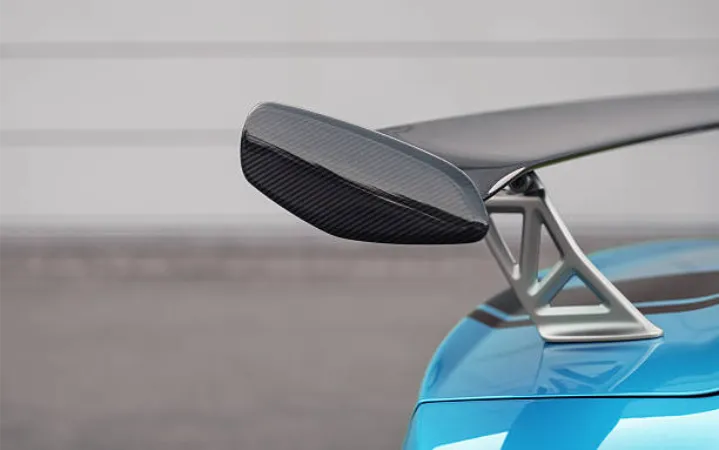
Al ver una exhibición de autos o una carrera de autos, El público a menudo escuchará piezas de coche de fibra de carbono, exterior del coche de fibra de carbono, o interior del coche de fibra de carbono» presentado por el anfitrión. La fibra de carbono es un material compuesto muy utilizado en la fabricación de automóviles.. A medida que la tecnología de producción se vuelve más avanzada, Más fabricantes comienzan a proporcionar piezas de automóviles de fibra de carbono, como carcasas de espejos retrovisores., paneles de puertas interiores, manijas de puerta, barras de cambio, asientos de carreras, kits de aire, etc..
La fibra de carbono se fabrica mediante la carbonización y grafitización de fibras orgánicas., dando como resultado un material filamentoso con un diámetro de 5-10 micras y un contenido de carbono superior 90%. Se clasifica en pequeños paquetes. (menos de 24K fibras) y paquetes grandes (más de fibras 24K). Un paquete de 1K contiene 1,000 fibras individuales.
Ventajas de la fibra de carbono
- Relación fuerza-peso: La fibra de carbono es increíblemente fuerte y liviana., haciéndolo ideal para aplicaciones de alto rendimiento, especialmente en las industrias automotriz y aeroespacial.
- Durabilidad: Ofrece una excelente resistencia a la corrosión., tener puesto, y altas temperaturas, asegurando longevidad y confiabilidad en entornos exigentes.
- Rigidez: La fibra de carbono es más rígida que la fibra de vidrio., lo que lo hace adecuado para aplicaciones donde la integridad estructural es crucial, como piezas de automóviles y equipos deportivos.
- Atractivo estético: El distintivo patrón tejido de fibra de carbono es muy valorado tanto en aplicaciones funcionales como decorativas., como interiores y exteriores de automóviles.
Contras de la fibra de carbono
- Alto costo: El complejo y lento proceso de fabricación hace que la fibra de carbono sea significativamente más cara que materiales como la fibra de vidrio o el aluminio..
- fragilidad: La fibra de carbono es más frágil que la fibra de vidrio y puede agrietarse o romperse bajo un impacto o tensión excesivos., limitando su uso en aplicaciones flexibles.
- Complejidad de fabricación: La producción de fibra de carbono requiere equipos y tecnología especializados., lo que dificulta la producción en masa y aumenta el tiempo de fabricación.
Shasha Carbon Fiber es un fabricante líder en el mercado de repuestos para automóviles., comprometidos a proporcionar productos de fibra de carbono de alta calidad. Con tecnología de punta y diseño experto, Shasha garantiza una perfecta, experiencia de compra integral para sus socios y clientes.
¿Qué es la fibra de vidrio?

Fibra de vidrio, también llamada fibra de vidrio, Es un tipo de material inorgánico no metálico con excelentes propiedades., Ampliamente utilizado como material industrial en la actualidad.. El arte de hilar hilos de vidrio para hacer tejidos es muy antiguo, que se remonta a 1713.
La fibra de vidrio está hecha de fibras de vidrio extremadamente finas.. Los ingredientes base de las fibras de vidrio son formas de sílice., principalmente arena, caliza, ceniza de piedra y bórax. Para hacer fibras de vidrio., El vidrio se calienta hasta que se funde y luego se hace pasar a través de poros ultrafinos., dando como resultado un filamento de vidrio muy delgado. Los monofilamentos varían en diámetro desde unas pocas micras hasta más de veinte micras., equivalente a 1/20-1/5 de un cabello humano.
Los productos de fibra de vidrio se clasifican en cuatro grupos principales.: hebras picadas, mechas de tiro directo, mechas ensambladas, y productos de tapete.
Ventajas de la fibra de vidrio
- Rentable: La fibra de vidrio es mucho más barata de producir que la fibra de carbono., lo que lo convierte en una opción rentable para muchas aplicaciones.
- Ligero: Como fibra de carbono, La fibra de vidrio es liviana y tiene propiedades favorables de resistencia al peso., haciéndolo ideal para su uso en diversas industrias, incluyendo automoción y construcción.
- Durabilidad: La fibra de vidrio es muy duradera., ofreciendo buena resistencia a la corrosión, quimicos, y abrasión, haciéndolo adecuado para un uso duradero en entornos hostiles.
- Flexibilidad: A diferencia de la fibra de carbono, La fibra de vidrio es menos frágil y puede soportar más tensión sin romperse., haciéndolo ideal para aplicaciones donde se necesita flexibilidad.
Contras de la fibra de vidrio
- menos fuerza: La fibra de vidrio no es tan fuerte ni rígida como la fibra de carbono., lo que limita su uso en aplicaciones de alto rendimiento que requieren máxima resistencia y rigidez..
- Menor rigidez: La fibra de vidrio es menos rígida que la fibra de carbono., lo que significa que puede no proporcionar la misma integridad estructural en ciertas aplicaciones.
- granelero: Aunque es ligero, La fibra de vidrio es aún más voluminosa en comparación con la fibra de carbono., lo que puede ser una desventaja en aplicaciones donde el espacio o el peso son un factor crítico.
Diferencias entre fibra de carbono y. Fibra de vidrio
Fuente: buenos vientos
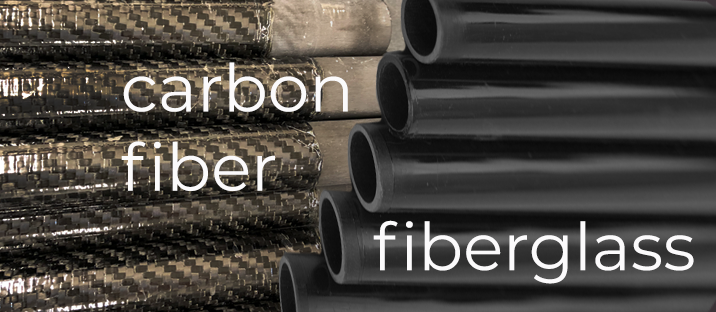
La fibra de carbono se suele confundir con la fibra de vidrio.. Aunque existen similitudes en la fabricación y algunos cruces en productos finales como muebles y molduras de automóviles., son diferentes.
Fibra de vidrio vs.. Fibra de carbon, cual es mejor en general? Es bastante difícil dar una respuesta precisa a esta pregunta porque depende de las aplicaciones y propiedades.. En algunas áreas, por ejemplo, fabricación aeroespacial, La fibra de carbono supera a la fibra de vidrio.. Sin embargo, cuando se trata de aislamiento, La fibra de vidrio es la opción ideal..
Fortaleza
La fibra de carbono es conocida por su resistencia excepcional., lo que se debe en gran parte a su estructura fibrosa y su alta resistencia a la tracción. es mas que 20% Más fuerte que la fibra de vidrio y tiene una relación resistencia-peso que es aproximadamente el doble.. La fibra de carbono es fuerte porque sus fibras están fuertemente unidas., proporcionando un alto nivel de integridad estructural sin agregar exceso de peso.
Por otro lado, La fibra de vidrio sigue siendo mucho más resistente que el acero., pero su fuerza está más uniformemente distribuida, haciéndolo menos rígido que la fibra de carbono. Es menos frágil y ofrece más flexibilidad., pero esta compensación significa que la fibra de vidrio es menos adecuada para aplicaciones donde la rigidez y la resistencia son críticas..
Elasticidad
La fibra de carbono es mucho menos flexible que la fibra de vidrio., con un módulo de tracción cuatro veces mayor. Esto significa que la fibra de carbono es mucho más rígida y rígida.. En contraste, la fibra de vidrio es más elástica, capaz de doblarse y absorber más tensión sin romperse, haciéndolo más flexible en general.
Peso
La fibra de carbono suele ser aproximadamente 15% más ligero que la fibra de vidrio. Esta diferencia de peso le da a la fibra de carbono una ventaja en aplicaciones donde minimizar el peso es importante..
Si bien ambos materiales son más ligeros que metales como el acero y el aluminio., La fibra de vidrio todavía ofrece una relación peso-resistencia favorable, pero es relativamente más pesada en comparación con la fibra de carbono..
Resistencia al calor
La fibra de carbono tiene un bajo coeficiente de expansión térmica y una alta estabilidad dimensional., lo que significa que mantiene sus propiedades mecánicas en temperaturas extremas. Su coeficiente negativo de expansión térmica se compensa con el coeficiente positivo de su matriz., lo que resulta en una expansión térmica general casi neutral. Esto le da a la fibra de carbono una mejor estabilidad tanto en calor como en frío extremos..
En contraste, La fibra de vidrio se expande con el calor y se contrae con el frío., haciéndolo menos estable en temperaturas fluctuantes. Sin embargo, Algunos tipos de fibra de vidrio especializados pueden soportar temperaturas de hasta 7200 °C..
Resistencia química
Tanto la fibra de carbono como la fibra de vidrio ofrecen una excelente resistencia a los productos químicos nocivos., corrosión, ácidos, y abrasión. Sin embargo, La fibra de carbono generalmente funciona mejor en ambientes extremos., ya que es más resistente a una gama más amplia de productos químicos. Mientras que la fibra de vidrio también proporciona una fuerte resistencia química., Puede que no sea tan efectivo en ciertas condiciones altamente corrosivas..
Costo
La fibra de vidrio es generalmente más rentable que la fibra de carbono debido a su proceso de fabricación más simple y a la disponibilidad de materias primas.. Por lo tanto, La fibra de vidrio se utiliza en una gama más amplia de aplicaciones que la fibra de carbono..
No es fácil para la fibra de carbono realizar una producción en masa.. Es un proceso más intensivo y que requiere más tiempo fabricar fibra de carbono que fibra de vidrio. El proceso de fabricación de fibra de carbono debería ser más organizado e implicado., y hay menos productores establecidos de fibra de carbono.
Aplicaciones comunes de la fibra de carbono y la fibra de vidrio

Aplicaciones de fibra de carbono
La fibra de carbono tiene una alta conductividad eléctrica. (impedancia volumétrica) ademas de excelente Blindaje EMI propiedades. Debido a estas características, CFRP (Plásticos reforzados con fibra de carbono.) se aplican en el campo del blindaje EMI. El CFRP es superior al acero o a los plásticos reforzados con fibra de vidrio. (PRFV) en términos de resistencia a la tracción específica y módulo elástico específico (rigidez específica).
Además, Los compuestos de fibra de carbono se utilizan ampliamente en las industrias automotriz y aeroespacial., así como en equipos deportivos y otras aplicaciones de alto rendimiento donde el peso ligero y la resistencia son cruciales.. La versatilidad del material ha llevado a su adopción en una amplia gama de productos., desde cañas de pescar y cuadros de bicicletas hasta automóviles de alta gama.
La fibra de carbono tiene un índice de resistencia., que se clasifica según la resistencia a la tracción. Los tipos comunes de fibra de carbono son el T300., T400, T700, T800, T1000. Los productos del T300 son principalmente para uso civil ordinario., y los productos de T800 y superiores se utilizan principalmente en el campo espacial militar. Se espera que el mercado de fibra de carbono alcance un valor de más de $8.9 mil millones por 2031. El número es indicativo del amplio uso y popularidad de las fibras de carbono..
Aplicaciones de fibra de vidrio
La fibra de vidrio se suele utilizar como material de refuerzo., Materiales de aislamiento eléctrico y materiales de aislamiento térmico en la fabricación de materiales compuestos.. Una vez que las fibras de vidrio están entrelazadas, Se pueden añadir diferentes resinas para aumentar la resistencia del producto., lo que permite moldearlo en una variedad de formas..
Varios fabricantes producen diferentes tipos de fibras de vidrio para diferentes usos finales.. Los artículos comunes hechos de fibra de vidrio incluyen telas para muebles para el hogar., prendas y prendas, llantas, equipo deportivo, partes exteriores del auto. Dado que la fibra de vidrio es liviana y duradera, es un material ideal para aplicaciones más elaboradas, como placas de circuito.
Conclusión
para resumir, Tanto la fibra de carbono como la fibra de vidrio tienen ventajas y desventajas en diferentes aspectos.. Cada tipo de fibras varía en sus propiedades como la resistencia., elasticidad, peso, resistencia al calor, resistencia química, y costo para que se puedan intercambiar diferentes materiales en ciertos aspectos de la industria dependiendo de las circunstancias.
Los consumidores deben tener en cuenta las propiedades del acero a la hora de comprarlo. Hay muchos factores a considerar al elegir fibra de carbono y fibra de vidrio.. A veces los consumidores también necesitan tener en cuenta al fabricante y al proveedor.
Preguntas frecuentes
¿Cuánto pesa la fibra de carbono??
La fibra de carbono suele pesar entre 1,6 y 2,0 gramos por centímetro cúbico. (gramos/cm³). Es 15-20% más ligero que la fibra de vidrio, lo que lo convierte en una opción ideal para alta resistencia, aplicaciones ligeras.
¿Es cara la fibra de carbono??
Sí, La fibra de carbono suele ser mucho más cara que la fibra de vidrio., con precios que van desde $10 a $20 por libra, dependiendo del grado. Su elevado coste se debe al complejo proceso de fabricación., aunque su resistencia superior y peso ligero a menudo justifican el gasto en aplicaciones especializadas.
cual es mejor, fibra de carbono o fibra de vidrio?
Depende de la aplicación. La fibra de carbono es más fuerte., encendedor, y más rígido, haciéndolo ideal para usos de alto rendimiento, mientras que la fibra de vidrio es más asequible y flexible, adecuado para proyectos rentables.