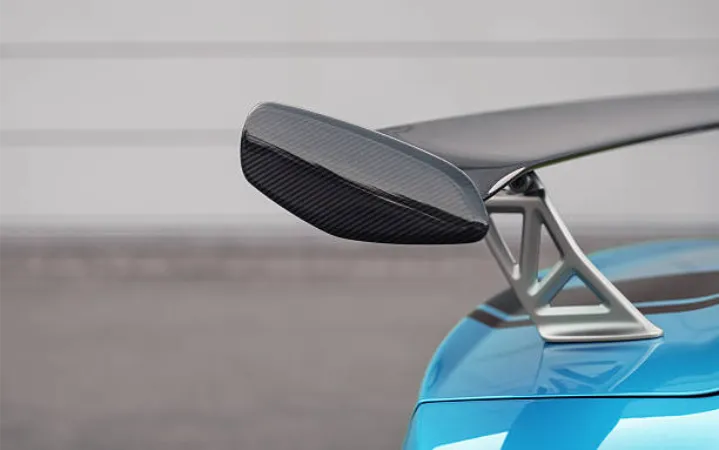
Choosing between carbon fiber and steel is often a difficult decision for automotive engineers and OEM buyers. The wrong material choice can lead to higher costs, unnecessary weight, or reduced long-term performance, especially when balancing safety, Haltbarkeit, und Produktionseffizienz.
This article explains the real differences between carbon fiber and steel from an engineering and sourcing perspective. You will understand how each material performs in strength, Gewicht, kosten, und Haltbarkeit, and how to select the right solution for different automotive applications with clearer decision-making confidence.
What Carbon Fiber and Steel Are in Automotive Engineering

In automotive engineering, carbon fiber and steel are two different material systems. Carbon fiber focuses on lightweight performance and directional strength, while steel focuses on structural stability, cost efficiency, and mass production reliability.
They are not direct substitutes. Engineers select them based on performance targets, safety needs, and production scale.
Carbon Fiber Composite Structure and Key Characteristics
Carbon fiber is a composite made of carbon fibers and a resin matrix. Im Gegensatz zu Metallen, its performance comes from engineered structure rather than uniform material composition.
This leads to directional and process-dependent behavior:
- Directional strength: Performance depends on fiber orientation, not uniform material structure
- Lightweight efficiency: High strength-to-weight ratio reduces vehicle mass
- Thermal stability: Low expansion helps maintain shape accuracy under heat
- Process sensitivity: Final performance depends on layup and curing quality
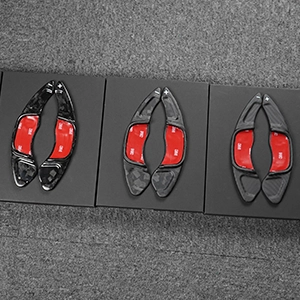
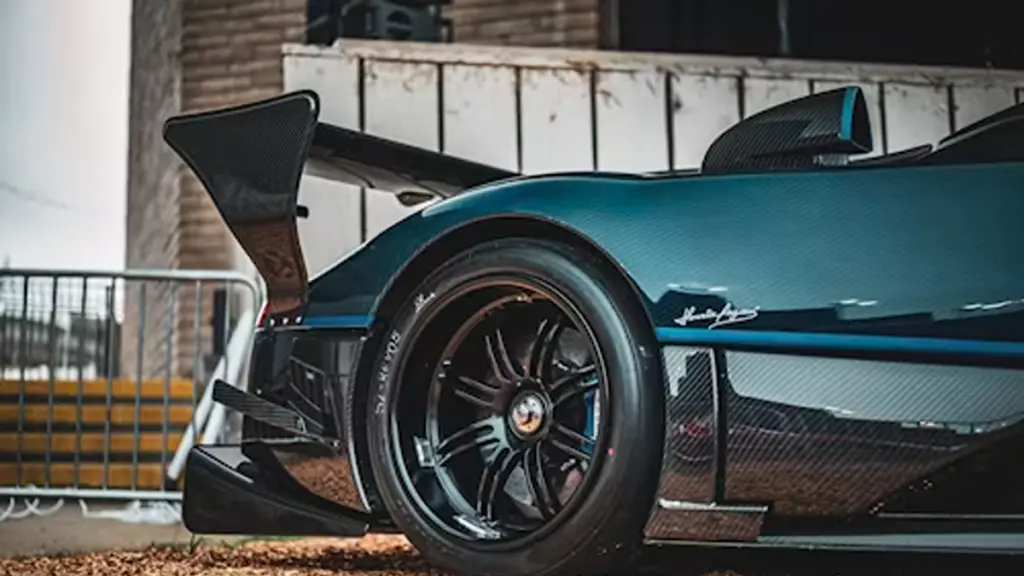
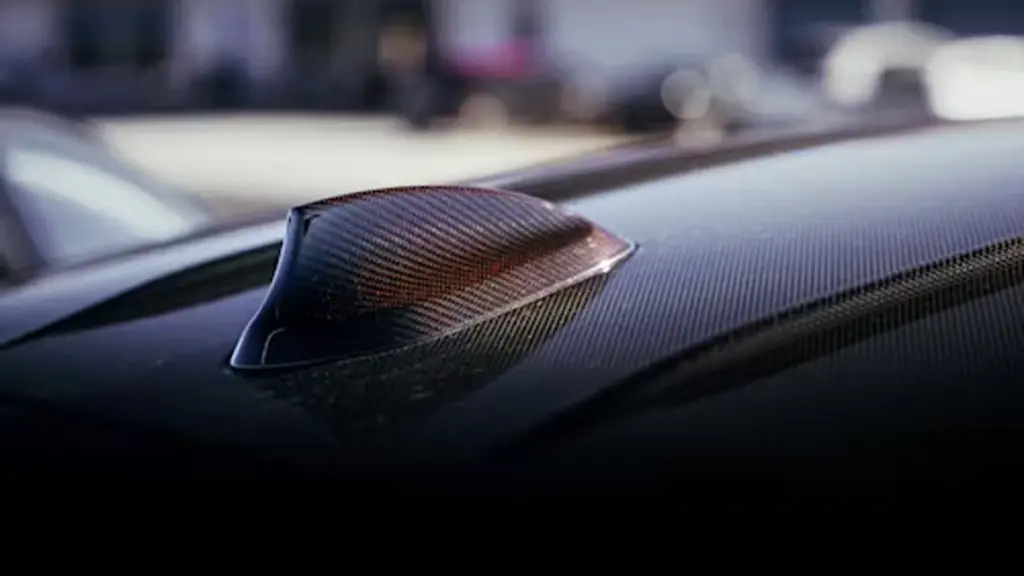
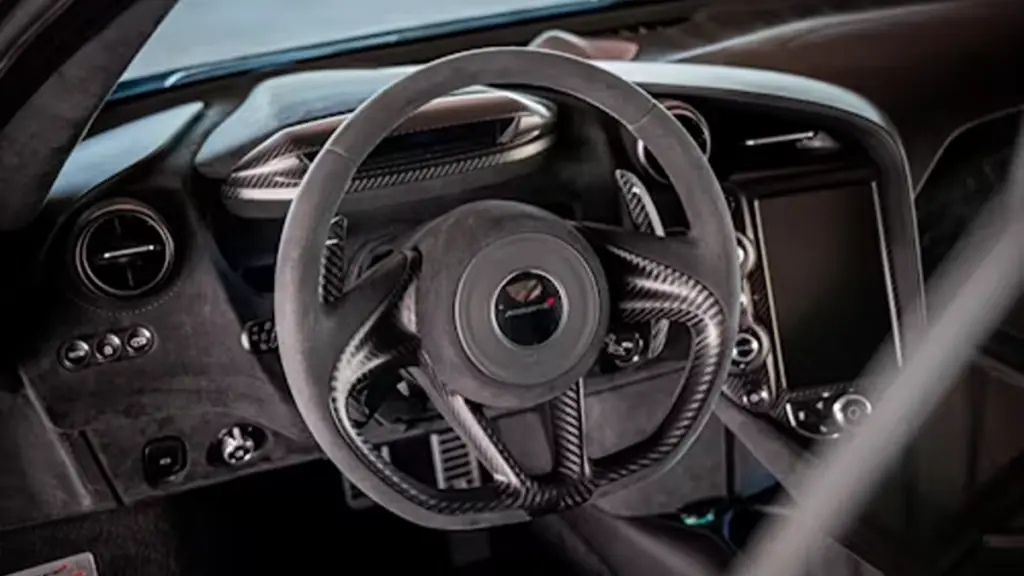
Because of this structure, carbon fiber is widely used in performance and OEM parts where weight and precision are critical. In systems like Shasha Carbon, prepreg materials and autoclave curing help maintain stable quality and repeatable fitment.
Structural Steel Grades and Mechanical Behavior
Steel is an iron-carbon alloy produced through controlled industrial processing. Unlike carbon fiber, it has uniform mechanical behavior in all directions, which makes it highly predictable.
Common automotive grades include mild steel, high-strength steel, and ultra-high-strength steel, each designed for different structural needs.
Steel offers several key advantages:
- Isotropic strength: Consistent performance in all directions
- Impact absorption: Effective energy deformation during crashes
- Safety margin: Controlled bending before failure improves safety
- Mass production efficiency: Suitable for stamping and large-scale manufacturing
Aufgrund dieser Eigenschaften, steel remains the main material for chassis systems, body structures, and safety-critical components.
Fundamental Differences in Material Design Principles
Carbon fiber and steel follow two different engineering logic systems.
| Aspekt | Kohlefaser | Stahl |
|---|---|---|
| Design Logic | Performance defined during layup and curing | Performance defined by alloy composition and processing |
| Control Method | Process-driven material system | Standardized material-grade system |
| Consistency Source | Manufacturing process stability | Industrial material standardization |
| Engineering Focus | Designed during production | Defined before production |
This leads to a clear engineering trade-off: carbon fiber depends on strict process control, while steel depends on mature material standards and scalable manufacturing.
In der Praxis, engineers select between them based on whether the priority is performance optimization or production predictability at scale.
Why Automotive Engineers Compare Carbon Fiber and Steel
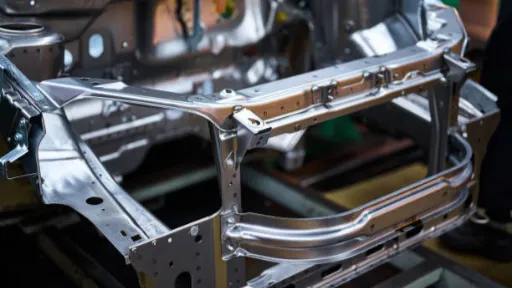
Engineers do not compare carbon fiber and steel because one replaces the other. Instead, they evaluate both because modern automotive design must balance performance, Sicherheit, and cost under multiple engineering constraints.
Growing Pressure for Lightweight and Safety Balance
Modern vehicle development is driven by two competing goals: reducing weight and maintaining crash safety performance. These requirements often conflict in real automotive design.
- Weight reduction demand: Lower mass improves fuel efficiency and extends EV driving range
- Crash safety requirement: Vehicle structures must absorb impact energy in a controlled and predictable way
Carbon fiber supports lightweight design with high stiffness, while steel provides stable deformation during impact. This difference makes both materials necessary in engineering evaluation rather than direct replacement.
These conflicting requirements explain why carbon fiber and steel remain core materials in modern automotive engineering systems rather than being substituted by a single solution.
How Engineers Evaluate Key Trade-Offs
Material selection in automotive engineering is based on multi-factor analysis, not single performance advantages. Engineers typically compare three main dimensions:
- Strength performance: Behavior under static load and dynamic stress
- Weight efficiency: Influence on handling, energy consumption, and vehicle dynamics
- Cost scalability: Suitability for mass production and long-term manufacturing stability
Carbon fiber performs strongly in weight reduction and stiffness efficiency. Stahl, Jedoch, offers more stable production costs and easier large-scale manufacturing integration. This trade-off defines most OEM material decisions.
In der Praxis, these trade-offs also explain why both materials remain essential in modern automotive engineering systems across different vehicle platforms.
OEM-Grade Carbon Fiber, Flawless Fitment Guaranteed.

Stärke, Stiffness and Weight Performance Comparison
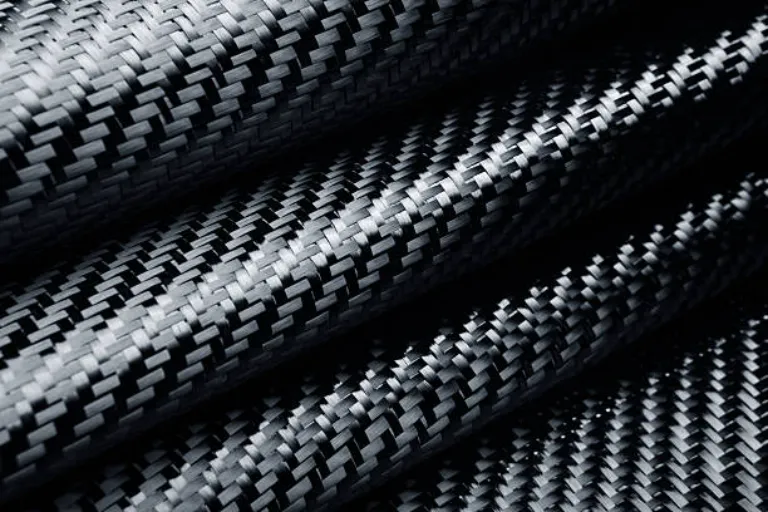
Performance differences between carbon fiber and steel are most obvious in weight efficiency, stiffness behavior, and vehicle dynamics. These differences directly affect real automotive performance.
Strength-to-Weight Advantage of Carbon Fiber
Carbon fiber achieves high performance through structural design rather than material mass.
- Weight efficiency: Extremely high strength-to-weight ratio
- Performance gain: Improved acceleration and energy efficiency
- Design control: Enables stiffness optimization without adding mass
This is why carbon fiber is widely used in performance and lightweight components. are also rated for impact toughness using Charpy tests. This rating ensures the material can resist fracturing from a sudden blow, which is especially important for applications in cold environments.
Stiffness and Load Behavior Differences
Steel and carbon fiber respond differently under stress due to their internal structure.
Carbon Fiber vs Steel Performance Comparison
| Leistungsfaktor | Kohlefaser | Stahl |
|---|---|---|
| Weight Behavior | Extrem leicht, high strength-to-weight ratio | Heavier but structurally stable |
| Stiffness Behavior | High directional stiffness, depends on fiber orientation | Uniform stiffness in all directions |
| Failure Mode | Sudden failure under extreme overload | Gradual deformation before failure |
| Energy Absorption | Low deformation, relies on structural design | High energy absorption through plastic deformation |
Real Impact on Vehicle Dynamics and Efficiency
These differences directly affect vehicle handling, energy use, and crash behavior. Carbon fiber improves responsiveness, while steel enhances structural stability and safety.
- Carbon fiber effect: Better agility and efficiency
- Steel effect: Stronger crash protection and durability
- System approach: Most vehicles combine both materials
Haltbarkeit, Corrosion and Long-Term Reliability
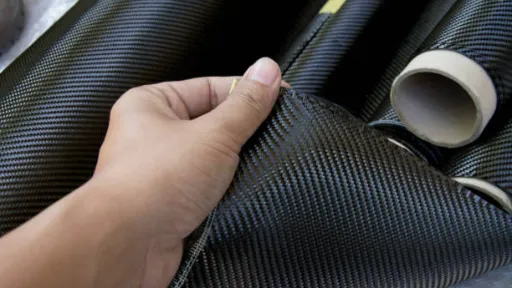
Long-term durability plays a key role in automotive material selection. Engineers evaluate not only strength, but also environmental stability, fatigue behavior, and long-term structural aging.
Carbon fiber and steel show clear differences in how they respond to corrosion and long-term stress conditions.
Corrosion Resistance and Environmental Stability
Carbon fiber is a non-metallic composite, so it does not rust or oxidize under normal conditions. Stahl, Jedoch, reacts with moisture and oxygen, which requires protective coatings such as galvanization or surface treatment.
Key environmental differences
| Faktor | Kohlefaser | Stahl |
|---|---|---|
| Corrosion Behavior | No rust or oxidation | Prone to rust without protection |
| Humidity Resistance | High stability in humid environments | Requires coating for protection |
| Salt Exposure | Stable in coastal/road salt conditions | Corrosion risk without treatment |
In practical automotive applications, this is why carbon fiber is often used in exterior and visible components, while steel relies on protective surface systems to ensure long-term durability.
Fatigue and Impact Resistance in Steel Structures
Steel performs well under repeated stress because it can absorb energy through controlled deformation. This makes it highly suitable for crash structures and load-bearing components.
Carbon fiber behaves differently, maintaining stiffness under normal conditions but showing sudden failure when stress exceeds its structural limit.
Structural behavior comparison
| Faktor | Kohlefaser | Stahl |
|---|---|---|
| Fatigue Resistance | Stable under normal load cycles | Excellent long-term fatigue durability |
| Impact Response | Starr, limited energy absorption | High energy absorption through deformation |
| Failure Behavior | Sudden fracture under overload | Gradual deformation before failure |
This difference is critical in automotive safety design, especially in components that must manage crash energy in a controlled and predictable way.
Real-World Automotive Durability Behavior
In real vehicle applications, both materials demonstrate stable but different lifecycle characteristics.
Carbon fiber maintains stiffness and appearance over time, especially in Innere Und außen Anwendungen. Steel provides predictable structural integrity throughout long-term service life.
- Carbon fiber focus: Lightweight stability and surface performance
- Steel focus: Structural safety and repair predictability
- System approach: Maintenance strategy depends on material behavior, not only strength
Kosten, Manufacturing and Lifecycle Trade-Offs
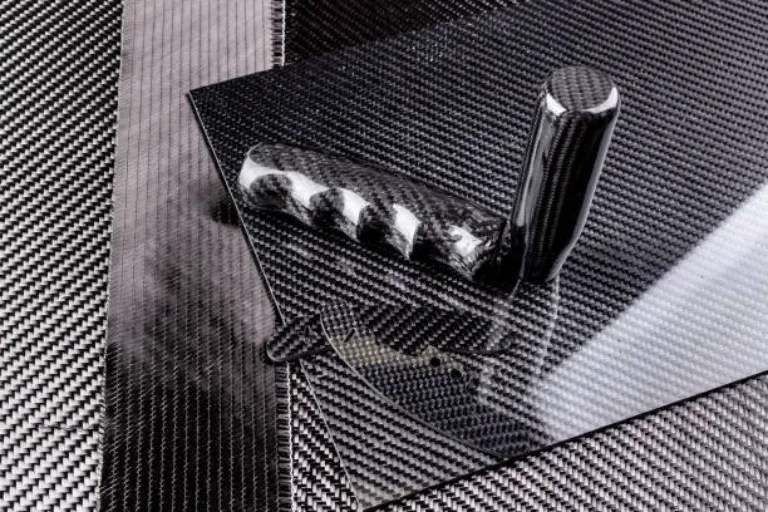
Cost and manufacturing complexity are key factors in automotive material selection, directly influencing production feasibility and lifecycle value.
Carbon Fiber Production and Manufacturing Process
Carbon fiber manufacturing is a controlled multi-stage process where performance is defined during production rather than forming.
Typical production steps include prepreg preparation, layup, autoclave curing, and CNC finishing. This process requires strict control over temperature, pressure, and fiber alignment, which increases manufacturing complexity but enables high-precision OEM components.
Und Shasha Carbon, this controlled system ensures stable quality and repeatable fitment for automotive applications.
Steel Mass Production and Cost Efficiency
Steel production is designed for high-speed and large-scale manufacturing. Its system focuses on automation, low cost, and stable output.
Key advantages include high-speed stamping, low material cost, and strong scalability for mass-market vehicles.
Lifecycle cost comparison
| Faktor | Kohlefaser | Stahl |
|---|---|---|
| Reparierbarkeit | Often requires full part replacement | Easier and lower-cost repair options |
| Upfront Cost | High production cost due to complex process | Low cost in mass production systems |
| Lifecycle Benefit | Weight reduction improves efficiency over time | Stable and predictable long-term service cost |
In Automobilanwendungen, carbon fiber is often chosen for performance efficiency through weight reduction, while steel is preferred for its low production cost and easier repairability across the vehicle lifecycle.
Automotive Material Selection and Application Decision Framework

Engineers do not choose materials in isolation. Instead, they follow application-driven logic based on Leistung, Sicherheit, and cost balance across the full vehicle system.
To simplify material selection, engineers often evaluate carbon fiber and steel using a quick decision framework based on their most suitable application scenarios.
Quick Material Selection Checklist
Carbon Fiber is the right choice when:
- Weight reduction is critical for performance or EV range improvement
- High stiffness and precision are required in design-sensitive components
- Premium OEM applications demand advanced structural optimization
- Controlled manufacturing processes (Prepreg + Autoklav) are available
Carbon fiber performs best in applications where efficiency and engineering precision matter more than cost.
Steel is the right choice when:
- Structural safety and crash resistance are top priorities
- Large-scale mass production requires cost efficiency
- Predictable deformation behavior is needed in crash zones
- High manufacturing scalability is essential for vehicle platforms
Steel remains the foundation of automotive structures due to its reliability and production stability.
Hybrid Material Strategy in Modern Vehicle Engineering
Modern vehicles rarely rely on a single material. Instead, engineers combine different materials to balance Sicherheit, Gewicht, and cost efficiency.
A typical structure uses:
- Steel for crash resistance and structural integrity
- Carbon fiber for lightweight optimization and performance enhancement
- Aluminum for partial weight reduction in selected components
This hybrid approach allows manufacturers to optimize performance at system level. It is especially important in EV development, where both driving range and structural strength must be achieved simultaneously.
Häufig gestellte Fragen
Which material is more durable, carbon fiber or steel?
They excel in different ways. Carbon fiber is highly resistant to corrosion and fatigue from repeated stress. Steel is more durable against direct impacts and high temperatures, as it tends to bend or dent instead of cracking like carbon fiber can.
Why is carbon fiber so much more expensive than steel?
The high cost of carbon fiber comes from its complex and specialized manufacturing process. It requires layering materials by hand or machine, using expensive resins, and curing parts under high pressure and temperature. Steel production is a much simpler, more established process.
Can carbon fiber completely replace steel in cars?
Not really. Carbon fiber is great for performance parts like body panels, Innenverkleidung, and spoilers to save weight. But steel is still essential for the main vehicle frame and safety structures because it bends to absorb crash energy, which is critical for passenger protection.
When does it make sense to choose carbon fiber over steel?
You should choose carbon fiber when the main goals are reducing weight and resisting corrosion. It’s the right choice for high-performance parts where its light weight improves speed and handling, and its durability against rust justifies the higher initial cost.
Letzte Gedanken
Carbon fiber and steel represent two different engineering directions in automotive design. Carbon fiber focuses on lightweight performance, stiffness efficiency, and precision manufacturing, while steel delivers structural strength, crash safety, and cost-effective mass production. In most modern vehicle platforms, the real decision is not Kohlefaser vs. Stahl, but how to balance both materials to achieve optimized performance across safety, Gewicht, and production requirements.
Bei Shasha Carbon, we support this engineering balance by producing OEM-grade carbon fiber components through prepreg autoclave molding and CNC precision machining. Our focus is on stable quality, repeatable fitment, und langfristige Zuverlässigkeit, helping automotive brands and B2B partners build consistent and scalable product systems worldwide.