
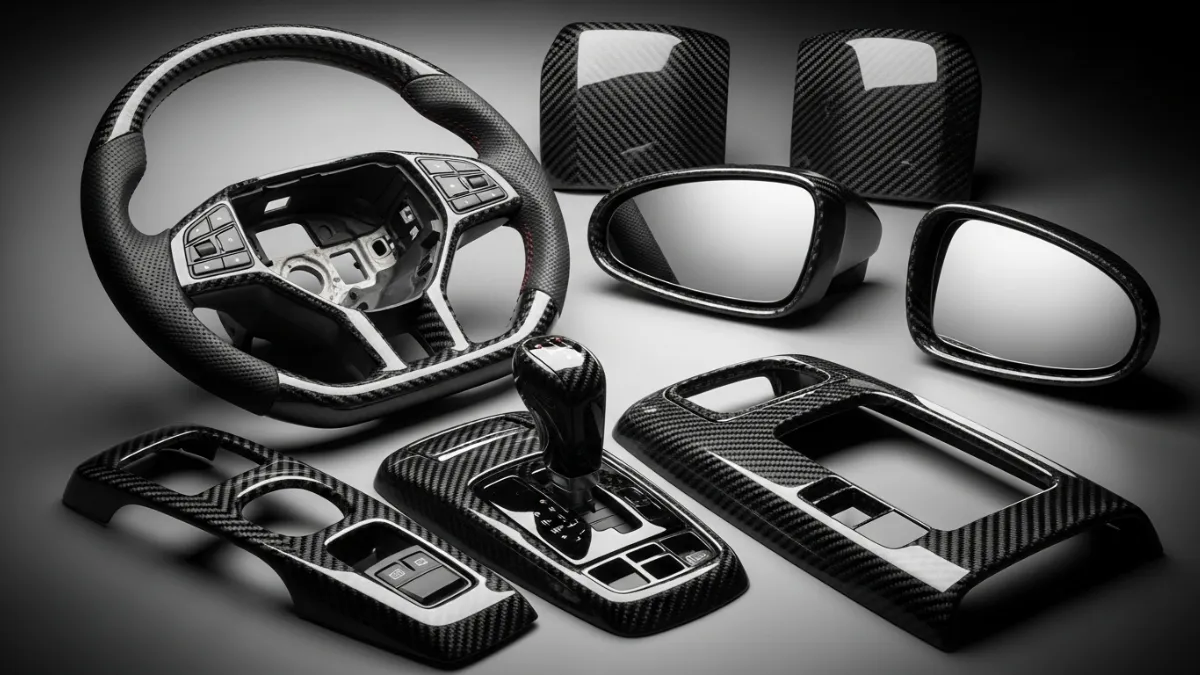


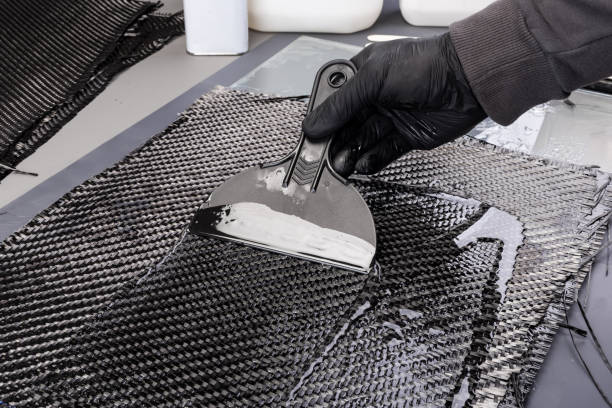

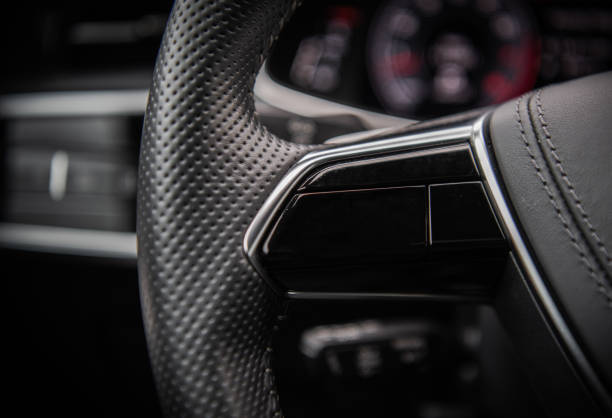

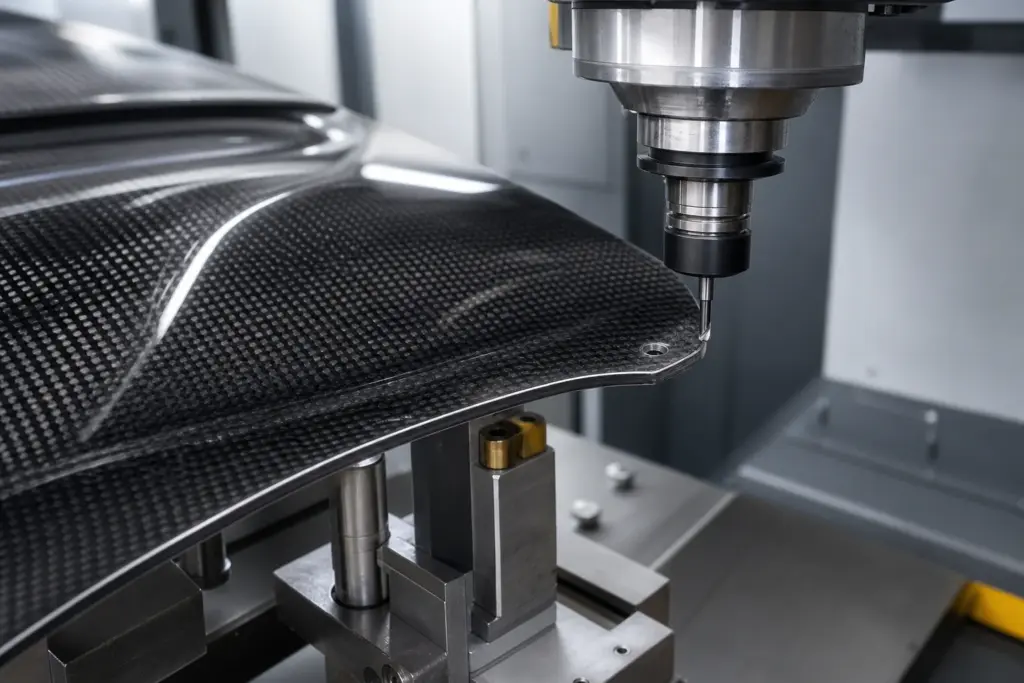
{"id":14109,"date":"2025-12-30T10:37:59","date_gmt":"2025-12-30T10:37:59","guid":{"rendered":"https:\/\/shashacarbon.com\/?p=14109"},"modified":"2026-01-26T07:25:50","modified_gmt":"2026-01-26T07:25:50","slug":"carbon-fiber-vs-forged-plastic","status":"publish","type":"post","link":"https:\/\/shashacarbon.com\/ru\/carbon-fiber-vs-forged-plastic\/","title":{"rendered":"\u0423\u0433\u043b\u0435\u0440\u043e\u0434\u043d\u043e\u0435 \u0432\u043e\u043b\u043e\u043a\u043d\u043e \u043f\u0440\u043e\u0442\u0438\u0432 \u043a\u043e\u0432\u0430\u043d\u043e\u0433\u043e \u043f\u043b\u0430\u0441\u0442\u0438\u043a\u0430: \u043a\u0430\u043a\u043e\u0439 \u043c\u0430\u0442\u0435\u0440\u0438\u0430\u043b \u043b\u0443\u0447\u0448\u0435 \u043f\u043e\u0434\u0445\u043e\u0434\u0438\u0442 \u0434\u043b\u044f \u0430\u0432\u0442\u043e\u043c\u043e\u0431\u0438\u043b\u044c\u043d\u044b\u0445 \u0430\u043a\u0441\u0435\u0441\u0441\u0443\u0430\u0440\u043e\u0432?"},"content":{"rendered":"<p>Carbon fiber and forged carbon fiber are two of the most talked\u2011about materials in the automotive aftermarket world today. Both look premium, both are \u201creal carbon,\u201d but they are not the same\u2014and choosing the right one can make a big difference in performance, durability, style, and cost for your next project with Shasha Carbon.<\/p>\n\n\n\n<h2 class=\"wp-block-heading\">Key Differences Between Carbon Fiber and Forged Carbon Fiber<\/h2>\n\n\n\n<figure class=\"wp-block-image size-large\"><img fetchpriority=\"high\" decoding=\"async\" width=\"1024\" height=\"576\" src=\"https:\/\/shashacarbon.com\/wp-content\/uploads\/2025\/12\/carbon-fiber-vs-forged-carbon-1024x576.webp\" alt=\"\" class=\"wp-image-14112\" srcset=\"https:\/\/shashacarbon.com\/wp-content\/uploads\/2025\/12\/carbon-fiber-vs-forged-carbon-1024x576.webp 1024w, https:\/\/shashacarbon.com\/wp-content\/uploads\/2025\/12\/carbon-fiber-vs-forged-carbon-300x169.webp 300w, https:\/\/shashacarbon.com\/wp-content\/uploads\/2025\/12\/carbon-fiber-vs-forged-carbon-768x432.webp 768w, https:\/\/shashacarbon.com\/wp-content\/uploads\/2025\/12\/carbon-fiber-vs-forged-carbon-18x10.webp 18w, https:\/\/shashacarbon.com\/wp-content\/uploads\/2025\/12\/carbon-fiber-vs-forged-carbon-600x338.webp 600w, https:\/\/shashacarbon.com\/wp-content\/uploads\/2025\/12\/carbon-fiber-vs-forged-carbon.webp 1200w\" sizes=\"(max-width: 1024px) 100vw, 1024px\" \/><\/figure>\n\n\n\n<div style=\"overflow-x: auto; margin-bottom: 20px;\">\n  <table style=\"width: 100%; border-collapse: collapse; font-family: Arial, sans-serif; font-size: 14px; line-height: 1.5; border: 1px solid #ddd;\">\n    <thead>\n      <tr style=\"background-color: #2c2c2c; color: #ffffff; text-align: left;\">\n        <th style=\"padding: 12px 15px; border: 1px solid #444;\">Aspect<\/th>\n        <th style=\"padding: 12px 15px; border: 1px solid #444; background-color: #000;\">Traditional Carbon Fiber<\/th>\n        <th style=\"padding: 12px 15px; border: 1px solid #444;\">\u041a\u043e\u0432\u0430\u043d\u043e\u0435 \u0443\u0433\u043b\u0435\u0440\u043e\u0434\u043d\u043e\u0435 \u0432\u043e\u043b\u043e\u043a\u043d\u043e<\/th>\n      <\/tr>\n    <\/thead>\n    <tbody>\n      <tr style=\"background-color: #f9f9f9;\">\n        <td style=\"padding: 10px 15px; border: 1px solid #ddd; font-weight: bold;\">Fiber Form<\/td>\n        <td style=\"padding: 10px 15px; border: 1px solid #ddd;\">Continuous woven fabric (e.g. 2&#215;2 twill).<\/td>\n        <td style=\"padding: 10px 15px; border: 1px solid #ddd;\">Chopped \/ flake carbon fibers in resin.<\/td>\n      <\/tr>\n      <tr>\n        <td style=\"padding: 10px 15px; border: 1px solid #ddd; font-weight: bold;\">Fiber Orientation<\/td>\n        <td style=\"padding: 10px 15px; border: 1px solid #ddd;\">Mainly controlled and directional (0\u00b0 \/ 45\u00b0 \/ 90\u00b0 lay-up).<\/td>\n        <td style=\"padding: 10px 15px; border: 1px solid #ddd;\">Mostly random, multi-directional.<\/td>\n      <\/tr>\n      <tr style=\"background-color: #f9f9f9;\">\n        <td style=\"padding: 10px 15px; border: 1px solid #ddd; font-weight: bold;\">Density<\/td>\n        <td style=\"padding: 10px 15px; border: 1px solid #ddd;\"><strong>~1.5 \u2013 1.6 g\/cm\u00b3<\/strong> (typical CFRP laminate).<\/td>\n        <td style=\"padding: 10px 15px; border: 1px solid #ddd;\">~1.6 \u2013 1.8 g\/cm\u00b3 (depends on fiber volume).<\/td>\n      <\/tr>\n <tr>\n        <td style=\"padding: 10px 15px; border: 1px solid #ddd; font-weight: bold;\">Weight (Part Level)<\/td>\n        <td style=\"padding: 10px 15px; border: 1px solid #ddd;\">Typically the lightest option for the same stiffness\/strength, thanks to higher fiber efficiency.<\/td>\n        <td style=\"padding: 10px 15px; border: 1px solid #ddd;\">Still very lightweight, but parts are usually slightly heavier than an equivalent optimized woven laminate.<\/td>\n      <\/tr>\n      <tr>\n        <td style=\"padding: 10px 15px; border: 1px solid #ddd; font-weight: bold;\">\u041f\u0440\u0435\u0434\u0435\u043b \u043f\u0440\u043e\u0447\u043d\u043e\u0441\u0442\u0438<\/td>\n        <td style=\"padding: 10px 15px; border: 1px solid #ddd;\"><strong>~600 \u2013 1000 MPa<\/strong> for well-optimized laminates (directional).<\/td>\n        <td style=\"padding: 10px 15px; border: 1px solid #ddd;\">Often in the ~400 \u2013 800 MPa range for bulk forged laminates.<\/td>\n      <\/tr>\n      <tr style=\"background-color: #f9f9f9;\">\n        <td style=\"padding: 10px 15px; border: 1px solid #ddd; font-weight: bold;\">Tensile Modulus<\/td>\n        <td style=\"padding: 10px 15px; border: 1px solid #ddd;\">Roughly <strong>50 \u2013 70 GPa<\/strong> in main fiber directions.<\/td>\n        <td style=\"padding: 10px 15px; border: 1px solid #ddd;\">Typically slightly lower than optimized woven laminates.<\/td>\n      <\/tr>\n      <tr>\n        <td style=\"padding: 10px 15px; border: 1px solid #ddd; font-weight: bold;\">\u0412\u043b\u0438\u044f\u043d\u0438\u0435 \u043d\u0430 \u043f\u043e\u0432\u0435\u0434\u0435\u043d\u0438\u0435<\/td>\n        <td style=\"padding: 10px 15px; border: 1px solid #ddd;\">Very strong in designed directions; more sensitive to off-axis impacts.<\/td>\n        <td style=\"padding: 10px 15px; border: 1px solid #ddd;\">Good overall impact resistance, more balanced in all directions.<\/td>\n      <\/tr>\n      <tr style=\"background-color: #f9f9f9;\">\n        <td style=\"padding: 10px 15px; border: 1px solid #ddd; font-weight: bold;\">Visual Appearance<\/td>\n        <td style=\"padding: 10px 15px; border: 1px solid #ddd;\">Regular carbon weave, clean and uniform \u201cmotorsport\u201d look.<\/td>\n        <td style=\"padding: 10px 15px; border: 1px solid #ddd;\">Marbled \/ forged pattern, each part has a unique look.<\/td>\n      <\/tr>\n      <tr>\n        <td style=\"padding: 10px 15px; border: 1px solid #ddd; font-weight: bold;\">Typical Process<\/td>\n        <td style=\"padding: 10px 15px; border: 1px solid #ddd;\">Hand lay-up \/ prepreg, vacuum bagging or autoclave curing.<\/td>\n        <td style=\"padding: 10px 15px; border: 1px solid #ddd;\">Compression molding of chopped carbon fiber charge.<\/td>\n      <\/tr>\n      <tr style=\"background-color: #f9f9f9;\">\n        <td style=\"padding: 10px 15px; border: 1px solid #ddd; font-weight: bold;\">Volume Fit<\/td>\n        <td style=\"padding: 10px 15px; border: 1px solid #ddd;\">Very suitable for low\u2013mid volume, customized parts.<\/td>\n        <td style=\"padding: 10px 15px; border: 1px solid #ddd;\">Very efficient for mid\u2013high volume, complex 3D parts.<\/td>\n      <\/tr>\n      <tr>\n        <td style=\"padding: 10px 15px; border: 1px solid #ddd; font-weight: bold;\">Best Use in Cars<\/td>\n        <td style=\"padding: 10px 15px; border: 1px solid #ddd;\">Performance aero, structural-oriented accessories, classic carbon kits.<\/td>\n        <td style=\"padding: 10px 15px; border: 1px solid #ddd;\">Forged carbon steering wheels, trims, covers, and complex styling parts.<\/td>\n      <\/tr>\n    <\/tbody>\n  <\/table>\n<\/div>\n\n\n\n\n<p><strong>Key takeaways:<\/strong><\/p>\n\n\n\n<ul class=\"wp-block-list\">\n<li>Traditional carbon fiber: superior directional strength, lightweight, sleek woven appearance.<\/li>\n\n\n\n<li>Forged carbon fiber: slightly more impact-resistant in multiple directions, unique aesthetic, easier to mold complex shapes.<\/li>\n<\/ul>\n\n\n\n<h2 class=\"wp-block-heading\">What Is Carbon Fiber?<\/h2>\n\n\n\n<figure class=\"wp-block-image size-large\"><img decoding=\"async\" width=\"1024\" height=\"576\" src=\"https:\/\/shashacarbon.com\/wp-content\/uploads\/2025\/12\/carbon-fiber-pure-car-part-1024x576.webp\" alt=\"carbon fiber pure car part\" class=\"wp-image-14115\" srcset=\"https:\/\/shashacarbon.com\/wp-content\/uploads\/2025\/12\/carbon-fiber-pure-car-part-1024x576.webp 1024w, https:\/\/shashacarbon.com\/wp-content\/uploads\/2025\/12\/carbon-fiber-pure-car-part-300x169.webp 300w, https:\/\/shashacarbon.com\/wp-content\/uploads\/2025\/12\/carbon-fiber-pure-car-part-768x432.webp 768w, https:\/\/shashacarbon.com\/wp-content\/uploads\/2025\/12\/carbon-fiber-pure-car-part-18x10.webp 18w, https:\/\/shashacarbon.com\/wp-content\/uploads\/2025\/12\/carbon-fiber-pure-car-part-600x338.webp 600w, https:\/\/shashacarbon.com\/wp-content\/uploads\/2025\/12\/carbon-fiber-pure-car-part.webp 1200w\" sizes=\"(max-width: 1024px) 100vw, 1024px\" \/><\/figure>\n\n\n\n<p><a href=\"https:\/\/shashacarbon.com\/ru\/what-is-carbon-fiber-material\/\"><strong>\u0423\u0433\u043b\u0435\u0440\u043e\u0434\u043d\u043e\u0435 \u0432\u043e\u043b\u043e\u043a\u043d\u043e<\/strong> <\/a>is a high-strength, lightweight material made from thin strands of carbon atoms bonded in a crystal structure. These strands are typically woven together and combined with a resin to create carbon fiber reinforced polymer (CFRP). <\/p>\n\n\n\n<p>In automotive accessories, carbon fiber is primarily applied in:<\/p>\n\n\n\n<ul class=\"wp-block-list\">\n<li><strong>Exterior aerodynamic parts<\/strong>: spoilers, diffusers, splitters<\/li>\n\n\n\n<li><strong><a href=\"https:\/\/shashacarbon.com\/ru\/products_category\/carbon-fiber-interior\/\">Interior trim pieces<\/a><\/strong>: dashboards, center consoles, door panels<\/li>\n\n\n\n<li><strong>Performance components<\/strong>: engine covers, seat frames, structural reinforcements<\/li>\n<\/ul>\n\n\n\n<h2 class=\"wp-block-heading\">\u041f\u0440\u0435\u0438\u043c\u0443\u0449\u0435\u0441\u0442\u0432\u0430 \u0438 \u043d\u0435\u0434\u043e\u0441\u0442\u0430\u0442\u043a\u0438 \u0443\u0433\u043b\u0435\u0440\u043e\u0434\u043d\u043e\u0433\u043e \u0432\u043e\u043b\u043e\u043a\u043d\u0430<\/h2>\n\n\n\n<p><strong>\u041f\u043b\u044e\u0441\u044b:<\/strong><\/p>\n\n\n\n<ol class=\"wp-block-list\">\n<li><strong>Exceptional Strength and Stiffness<\/strong>: Carbon fiber provides one of the highest strength-to-weight ratios among available materials.<\/li>\n\n\n\n<li><strong>\u041b\u0435\u0433\u043a\u0438\u0439<\/strong>: Reduces overall vehicle weight, which improves acceleration, handling, and fuel efficiency.<\/li>\n\n\n\n<li><strong>Premium Aesthetic<\/strong>: The classic woven texture adds a high-end appearance to any vehicle.<\/li>\n\n\n\n<li><strong>Corrosion Resistant<\/strong>: Unlike metals, carbon fiber does not rust or corrode over time.<\/li>\n<\/ol>\n\n\n\n<p><strong>\u041c\u0438\u043d\u0443\u0441\u044b:<\/strong><\/p>\n\n\n\n<ol class=\"wp-block-list\">\n<li><strong>Higher Cost<\/strong>: Carbon fiber is more expensive than traditional plastics like ABS, particularly for large or complex parts.<\/li>\n\n\n\n<li><strong>Directional Strength<\/strong>: While extremely strong in fiber-aligned directions, carbon fiber can be weaker under forces applied perpendicular to the fiber orientation.<\/li>\n\n\n\n<li><strong>Manufacturing Complexity<\/strong>: Requires specialized molds, curing ovens, and skilled labor for precise results.<\/li>\n<\/ol>\n\n\n\n<p>\u0412 <strong>\u0428\u0430\u0448\u0430 \u041a\u0430\u0440\u0431\u043e\u043d<\/strong>, we mitigate these challenges by optimizing fiber layups and using advanced resin systems, ensuring that our carbon fiber parts meet both performance and aesthetic standards for automotive applications.<\/p>\n\n\n\n<h2 class=\"wp-block-heading\">What Is Forged Carbon Fiber?<\/h2>\n\n\n\n<figure class=\"wp-block-image size-large\"><img decoding=\"async\" width=\"1024\" height=\"576\" src=\"https:\/\/shashacarbon.com\/wp-content\/uploads\/2025\/12\/forged-carbon-fiber-spoiler-1024x576.webp\" alt=\"\" class=\"wp-image-14117\" srcset=\"https:\/\/shashacarbon.com\/wp-content\/uploads\/2025\/12\/forged-carbon-fiber-spoiler-1024x576.webp 1024w, https:\/\/shashacarbon.com\/wp-content\/uploads\/2025\/12\/forged-carbon-fiber-spoiler-300x169.webp 300w, https:\/\/shashacarbon.com\/wp-content\/uploads\/2025\/12\/forged-carbon-fiber-spoiler-768x432.webp 768w, https:\/\/shashacarbon.com\/wp-content\/uploads\/2025\/12\/forged-carbon-fiber-spoiler-18x10.webp 18w, https:\/\/shashacarbon.com\/wp-content\/uploads\/2025\/12\/forged-carbon-fiber-spoiler-600x338.webp 600w, https:\/\/shashacarbon.com\/wp-content\/uploads\/2025\/12\/forged-carbon-fiber-spoiler.webp 1200w\" sizes=\"(max-width: 1024px) 100vw, 1024px\" \/><\/figure>\n\n\n\n<p><strong>Forged carbon fiber<\/strong>, also known as <strong>forged composite<\/strong>, is an evolution of traditional carbon fiber technology. Short carbon fiber pieces are mixed with resin and pressed into molds under high pressure. This technique creates:<\/p>\n\n\n\n<ul class=\"wp-block-list\">\n<li><strong>Highly isotropic mechanical properties<\/strong><\/li>\n\n\n\n<li><strong>Ability to produce complex shapes with minimal waste<\/strong><\/li>\n\n\n\n<li><strong>Unique, visually striking marbled appearance<\/strong><\/li>\n<\/ul>\n\n\n\n<p>Forged carbon is particularly popular in interior trim and decorative exterior panels where aesthetics and moderate structural performance are both important. Many high-end automotive brands use forged carbon for small, visually impactful components because each piece has a slightly unique pattern, adding a sense of craftsmanship and exclusivity.<\/p>\n\n\n\n<h2 class=\"wp-block-heading\">Pros and Cons of Forged Carbon Fiber<\/h2>\n\n\n\n<p><strong>\u041f\u043b\u044e\u0441\u044b:<\/strong><\/p>\n\n\n\n<ol class=\"wp-block-list\">\n<li><strong>Uniform Strength<\/strong>: Unlike traditional carbon fiber, forged carbon distributes strength more evenly, reducing weak points.<\/li>\n\n\n\n<li><strong>Design Flexibility<\/strong>: Easier to mold into complex shapes, making it ideal for custom automotive accessories.<\/li>\n\n\n\n<li><strong>Visual Uniqueness<\/strong>: Each part has a distinct marbled pattern, offering high aesthetic value.<\/li>\n\n\n\n<li><strong>\u041b\u0435\u0433\u043a\u0438\u0439<\/strong>: Still significantly lighter than metals while maintaining good mechanical properties.<\/li>\n<\/ol>\n\n\n\n<p><strong>\u041c\u0438\u043d\u0443\u0441\u044b:<\/strong><\/p>\n\n\n\n<ol class=\"wp-block-list\">\n<li><strong>Slightly Lower Stiffness<\/strong>: Forged carbon generally has lower directional stiffness than continuous carbon fiber.<\/li>\n\n\n\n<li><strong>\u0421\u043e\u043e\u0431\u0440\u0430\u0436\u0435\u043d\u0438\u044f \u0441\u0442\u043e\u0438\u043c\u043e\u0441\u0442\u0438<\/strong>: While less labor-intensive for complex shapes, raw material costs remain higher than ABS.<\/li>\n\n\n\n<li><strong>\u041e\u0442\u0434\u0435\u043b\u043a\u0430 \u043f\u043e\u0432\u0435\u0440\u0445\u043d\u043e\u0441\u0442\u0438<\/strong>: Requires additional polishing or coating to achieve a flawless high-gloss finish.<\/li>\n<\/ol>\n\n\n\n<p>\u0412 <strong>\u0428\u0430\u0448\u0430 \u041a\u0430\u0440\u0431\u043e\u043d<\/strong>, we leverage <strong>forged carbon technology<\/strong> to provide premium interior and exterior automotive components, balancing <strong>performance, design, and manufacturability<\/strong>.<\/p>\n\n\n\n<h2 class=\"wp-block-heading\">Manufacturing Process of Carbon Fiber<\/h2>\n\n\n\n<figure class=\"wp-block-image size-large\"><img loading=\"lazy\" decoding=\"async\" width=\"1024\" height=\"576\" src=\"https:\/\/shashacarbon.com\/wp-content\/uploads\/2025\/12\/carbon-fiber-exterior-1024x576.webp\" alt=\"carbon fiber exterior\" class=\"wp-image-14114\" srcset=\"https:\/\/shashacarbon.com\/wp-content\/uploads\/2025\/12\/carbon-fiber-exterior-1024x576.webp 1024w, https:\/\/shashacarbon.com\/wp-content\/uploads\/2025\/12\/carbon-fiber-exterior-300x169.webp 300w, https:\/\/shashacarbon.com\/wp-content\/uploads\/2025\/12\/carbon-fiber-exterior-768x432.webp 768w, https:\/\/shashacarbon.com\/wp-content\/uploads\/2025\/12\/carbon-fiber-exterior-18x10.webp 18w, https:\/\/shashacarbon.com\/wp-content\/uploads\/2025\/12\/carbon-fiber-exterior-600x338.webp 600w, https:\/\/shashacarbon.com\/wp-content\/uploads\/2025\/12\/carbon-fiber-exterior.webp 1200w\" sizes=\"(max-width: 1024px) 100vw, 1024px\" \/><\/figure>\n\n\n\n<p>The production of traditional carbon fiber automotive components is a <strong>highly precise process<\/strong>, ensuring both structural performance and visual quality. At Shasha Carbon, we follow strict protocols to deliver parts that meet the highest automotive standards.<\/p>\n\n\n\n<ol class=\"wp-block-list\">\n<li><strong>Material Selection<\/strong><br>High-quality <strong>prepreg sheets<\/strong> are selected, consisting of carbon fibers pre-impregnated with an epoxy resin system. Fiber orientation, resin type, and thickness are chosen according to structural and cosmetic requirements.<\/li>\n\n\n\n<li><strong>Layup and Stacking<\/strong><br>Prepreg sheets are cut and stacked in a <strong>specific fiber orientation<\/strong> to optimize directional strength. For example, unidirectional fibers may be aligned at 0\u00b0, 45\u00b0, and 90\u00b0 angles depending on load requirements. Automated cutting tools and templates ensure precision and minimize waste.<\/li>\n\n\n\n<li><strong>Molding and Consolidation<\/strong><br>The stacked layup is placed in a rigid mold and <strong>\u0432 \u0432\u0430\u043a\u0443\u0443\u043c\u043d\u043e\u043c \u043f\u0430\u043a\u0435\u0442\u0435<\/strong> to remove trapped air and ensure uniform pressure during curing. A vacuum of approximately <strong>0.9 bar (\u221213 psi)<\/strong> is typically applied to ensure proper consolidation.<\/li>\n\n\n\n<li><strong>Curing<\/strong><br>The mold is placed in an <strong>autoclave<\/strong> or heated press. Typical curing parameters for automotive epoxy prepregs are:<ul><li><strong>Temperature:<\/strong> 120\u2013180\u00b0C (248\u2013356\u00b0F), depending on the resin system<\/li><li><strong>Pressure:<\/strong> 5\u20137 bar (72\u2013100 psi)<\/li><li><strong>Time:<\/strong> 2\u20133 hours, sometimes followed by a post-cure at 180\u2013200\u00b0C (356\u2013392\u00b0F) for 1\u20132 hours to maximize thermal and mechanical properties<\/li><\/ul>This controlled process allows the resin to fully polymerize and bond with the fibers, producing <strong>maximum stiffness, strength, and surface quality<\/strong>.<\/li>\n\n\n\n<li><strong>Demolding and Trimming<\/strong><br>After curing, the part is removed from the mold. Excess flash is trimmed using CNC routers or precision hand tools.<\/li>\n\n\n\n<li><strong>Sanding, Polishing, and Coating<\/strong><br>Surface finishing involves multi-stage sanding, polishing, and clear-coating. This not only enhances the visual appeal of the woven texture but also provides <strong>UV resistance and scratch protection<\/strong>, essential for automotive interior and exterior parts.<\/li>\n\n\n\n<li><strong>\u041a\u043e\u043d\u0442\u0440\u043e\u043b\u044c \u043a\u0430\u0447\u0435\u0441\u0442\u0432\u0430<\/strong><br>Each part undergoes dimensional inspection and structural testing to ensure it meets mechanical and cosmetic specifications.<\/li>\n<\/ol>\n\n\n\n<h2 class=\"wp-block-heading\">Manufacturing Process of Forged Carbon Fiber<\/h2>\n\n\n\n<figure class=\"wp-block-image size-large\"><img loading=\"lazy\" decoding=\"async\" width=\"1024\" height=\"576\" src=\"https:\/\/shashacarbon.com\/wp-content\/uploads\/2025\/12\/carbon-fiber-auto-parts-under-the-hood-1024x576.webp\" alt=\"carbon fiber auto parts under the hood\" class=\"wp-image-14113\" srcset=\"https:\/\/shashacarbon.com\/wp-content\/uploads\/2025\/12\/carbon-fiber-auto-parts-under-the-hood-1024x576.webp 1024w, https:\/\/shashacarbon.com\/wp-content\/uploads\/2025\/12\/carbon-fiber-auto-parts-under-the-hood-300x169.webp 300w, https:\/\/shashacarbon.com\/wp-content\/uploads\/2025\/12\/carbon-fiber-auto-parts-under-the-hood-768x432.webp 768w, https:\/\/shashacarbon.com\/wp-content\/uploads\/2025\/12\/carbon-fiber-auto-parts-under-the-hood-18x10.webp 18w, https:\/\/shashacarbon.com\/wp-content\/uploads\/2025\/12\/carbon-fiber-auto-parts-under-the-hood-600x338.webp 600w, https:\/\/shashacarbon.com\/wp-content\/uploads\/2025\/12\/carbon-fiber-auto-parts-under-the-hood.webp 1200w\" sizes=\"(max-width: 1024px) 100vw, 1024px\" \/><\/figure>\n\n\n\n<p>Forged carbon fiber, or forged composite, offers <strong>design flexibility<\/strong> and a unique aesthetic while maintaining strong mechanical properties. The process is different from traditional woven carbon fiber and is ideal for complex automotive parts.<\/p>\n\n\n\n<ol class=\"wp-block-list\">\n<li><strong>Fiber Chopping and Resin Mixing<\/strong><br>Continuous carbon fibers are chopped into short lengths (typically <strong>6\u201312 mm<\/strong>) and mixed with an epoxy resin to create a <strong>homogeneous composite slurry<\/strong>. Resin content is usually <strong>30\u201340% by weight<\/strong>, adjusted for mechanical performance and moldability.<\/li>\n\n\n\n<li><strong>Mold Preparation<\/strong><br>Complex molds are prepared to match the exact shape of the part. Forged carbon allows <strong>intricate geometries<\/strong> with fewer layering steps compared to traditional carbon fiber.<\/li>\n\n\n\n<li><strong>Compression Molding<\/strong><br>The fiber-resin mixture is placed into the mold and compressed under heat and pressure. Typical process parameters:<ul><li><strong>Temperature:<\/strong> 140\u2013160\u00b0C (284\u2013320\u00b0F)<\/li><li><strong>Pressure:<\/strong> 50\u201380 bar (725\u20131,160 psi)<\/li><li><strong>Time:<\/strong> 20\u201340 minutes depending on part thickness<\/li><\/ul>The high pressure ensures the mixture fully conforms to the mold and eliminates air pockets, resulting in a <strong>dense, uniform composite<\/strong> with a marbled visual texture.<\/li>\n\n\n\n<li><strong>Cooling and Demolding<\/strong><br>After curing, the mold is cooled gradually to room temperature before demolding to maintain dimensional stability and prevent warping.<\/li>\n\n\n\n<li><strong>Trimming and Surface Finishing<\/strong><br>Flash and excess material are trimmed with precision tools. Sanding, polishing, and clear coating follow to enhance appearance and provide <strong>scratch resistance and UV protection<\/strong>.<\/li>\n\n\n\n<li><strong>\u041f\u0440\u043e\u0432\u0435\u0440\u043a\u0430 \u043a\u0430\u0447\u0435\u0441\u0442\u0432\u0430<\/strong><br>Each forged carbon part undergoes thorough inspection for <strong>dimensional accuracy, surface quality, and mechanical integrity<\/strong>. Randomized visual patterns give each component a unique aesthetic, a hallmark of high-end automotive applications.<\/li>\n<\/ol>\n\n\n\n<h2 class=\"wp-block-heading\">How to Choose the Right Material for Your Next Project with Shasha Carbon<\/h2>\n\n\n\n<p>Selecting the right carbon fiber material is crucial for automotive projects, balancing performance, design, and manufacturability. At Shasha Carbon, we guide clients through this process using our expertise in both traditional carbon fiber and forged carbon fiber.<\/p>\n\n\n\n<ul class=\"wp-block-list\">\n<li><strong>Performance Considerations:<\/strong> Traditional carbon fiber provides exceptional stiffness and directional strength, making it ideal for structural or load-bearing components. Forged carbon fiber, with its isotropic strength, offers more uniform performance and is better suited for complex shapes or parts exposed to multi-directional stresses.<\/li>\n\n\n\n<li><strong>Design and Aesthetics:<\/strong> Forged carbon allows intricate molds and produces a <strong>unique marbled pattern<\/strong>, perfect for decorative interior or exterior elements. Traditional carbon fiber delivers the classic woven look, conveying a premium, high-performance feel.<\/li>\n\n\n\n<li><strong>Manufacturing and Production:<\/strong> Shasha Carbon evaluates the part geometry, required mechanical properties, and production volume to recommend the most suitable material. Our team ensures that each component meets structural integrity, weight optimization, and visual quality standards.<\/li>\n<\/ul>\n\n\n\n<p><strong><a href=\"https:\/\/shashacarbon.com\/ru\/contact-us\/\">Contact Shasha Carbon today<\/a><\/strong> to discuss your project and let our team help you select the perfect carbon fiber material for high-performance, precision-engineered automotive components.<\/p>\n\n\n\n<p><\/p>","protected":false},"excerpt":{"rendered":"<p>\u0423\u0437\u043d\u0430\u0439\u0442\u0435 \u043e \u0440\u0430\u0437\u043b\u0438\u0447\u0438\u044f\u0445 \u043c\u0435\u0436\u0434\u0443 \u043a\u043e\u0432\u0430\u043d\u044b\u043c \u0438 \u0442\u0440\u0430\u0434\u0438\u0446\u0438\u043e\u043d\u043d\u044b\u043c \u0443\u0433\u043b\u0435\u0440\u043e\u0434\u043d\u044b\u043c \u0432\u043e\u043b\u043e\u043a\u043d\u043e\u043c \u0434\u043b\u044f \u0430\u0432\u0442\u043e\u043c\u043e\u0431\u0438\u043b\u044c\u043d\u044b\u0445 \u0430\u043a\u0441\u0435\u0441\u0441\u0443\u0430\u0440\u043e\u0432. \u041f\u043e\u043b\u0443\u0447\u0438\u0442\u0435 \u0438\u043d\u0444\u043e\u0440\u043c\u0430\u0446\u0438\u044e \u043e \u043f\u0440\u043e\u0438\u0437\u0432\u043e\u0434\u0438\u0442\u0435\u043b\u044c\u043d\u043e\u0441\u0442\u0438, \u044d\u0441\u0442\u0435\u0442\u0438\u043a\u0435 \u0438 \u043e\u0441\u043e\u0431\u0435\u043d\u043d\u043e\u0441\u0442\u044f\u0445 \u043f\u0440\u043e\u0438\u0437\u0432\u043e\u0434\u0441\u0442\u0432\u0430 \u043e\u0442 \u043a\u043e\u043c\u043f\u0430\u043d\u0438\u0438 Shasha Carbon, \u043f\u0440\u043e\u0444\u0435\u0441\u0441\u0438\u043e\u043d\u0430\u043b\u044c\u043d\u043e\u0433\u043e \u043f\u0440\u043e\u0438\u0437\u0432\u043e\u0434\u0438\u0442\u0435\u043b\u044f \u0434\u0435\u0442\u0430\u043b\u0435\u0439 \u0438\u0437 \u0443\u0433\u043b\u0435\u0440\u043e\u0434\u043d\u043e\u0433\u043e \u0432\u043e\u043b\u043e\u043a\u043d\u0430.<\/p>","protected":false},"author":2,"featured_media":14112,"comment_status":"open","ping_status":"open","sticky":false,"template":"","format":"standard","meta":{"_acf_changed":false,"footnotes":""},"categories":[39],"tags":[],"class_list":["post-14109","post","type-post","status-publish","format-standard","has-post-thumbnail","hentry","category-all"],"acf":[],"yoast_head":"<!-- This site is optimized with the Yoast SEO plugin v20.4 - https:\/\/yoast.com\/wordpress\/plugins\/seo\/ -->\n<title>Carbon Fiber vs Forged Carbon Fiber: Which Material Is Better?<\/title>\n<meta name=\"description\" content=\"Discover the differences between forged carbon fiber and traditional carbon fiber for automotive accessories. Learn about performance, aesthetics, and manufacturing insights from Shasha Carbon, a professional carbon fiber parts manufacturer.\" \/>\n<meta name=\"robots\" content=\"index, follow, max-snippet:-1, max-image-preview:large, max-video-preview:-1\" \/>\n<link rel=\"canonical\" href=\"https:\/\/shashacarbon.com\/ru\/carbon-fiber-vs-forged-plastic\/\" \/>\n<meta property=\"og:locale\" content=\"ru_RU\" \/>\n<meta property=\"og:type\" content=\"article\" \/>\n<meta property=\"og:title\" content=\"Carbon Fiber vs Forged Carbon Fiber: Which Material Is Better?\" \/>\n<meta property=\"og:description\" content=\"Discover the differences between forged carbon fiber and traditional carbon fiber for automotive accessories. Learn about performance, aesthetics, and manufacturing insights from Shasha Carbon, a professional carbon fiber parts manufacturer.\" \/>\n<meta property=\"og:url\" content=\"https:\/\/shashacarbon.com\/ru\/carbon-fiber-vs-forged-plastic\/\" \/>\n<meta property=\"og:site_name\" content=\"ShaShaCarbon\" \/>\n<meta property=\"article:published_time\" content=\"2025-12-30T10:37:59+00:00\" \/>\n<meta property=\"article:modified_time\" content=\"2026-01-26T07:25:50+00:00\" \/>\n<meta property=\"og:image\" content=\"https:\/\/shashacarbon.com\/wp-content\/uploads\/2025\/12\/carbon-fiber-vs-forged-carbon.webp\" \/>\n\t<meta property=\"og:image:width\" content=\"1200\" \/>\n\t<meta property=\"og:image:height\" content=\"675\" \/>\n\t<meta property=\"og:image:type\" content=\"image\/webp\" \/>\n<meta name=\"author\" content=\"infilityfun@gmail.com\" \/>\n<meta name=\"twitter:card\" content=\"summary_large_image\" \/>\n<meta name=\"twitter:label1\" content=\"\u041d\u0430\u043f\u0438\u0441\u0430\u043d\u043e \u0430\u0432\u0442\u043e\u0440\u043e\u043c\" \/>\n\t<meta name=\"twitter:data1\" content=\"infilityfun@gmail.com\" \/>\n\t<meta name=\"twitter:label2\" content=\"\u041f\u0440\u0438\u043c\u0435\u0440\u043d\u043e\u0435 \u0432\u0440\u0435\u043c\u044f \u0434\u043b\u044f \u0447\u0442\u0435\u043d\u0438\u044f\" \/>\n\t<meta name=\"twitter:data2\" content=\"8 \u043c\u0438\u043d\u0443\u0442\" \/>\n<script type=\"application\/ld+json\" class=\"yoast-schema-graph\">{\"@context\":\"https:\/\/schema.org\",\"@graph\":[{\"@type\":\"WebPage\",\"@id\":\"https:\/\/shashacarbon.com\/carbon-fiber-vs-forged-plastic\/\",\"url\":\"https:\/\/shashacarbon.com\/carbon-fiber-vs-forged-plastic\/\",\"name\":\"Carbon Fiber vs Forged Carbon Fiber: Which Material Is Better?\",\"isPartOf\":{\"@id\":\"https:\/\/shashacarbon.com\/#website\"},\"datePublished\":\"2025-12-30T10:37:59+00:00\",\"dateModified\":\"2026-01-26T07:25:50+00:00\",\"author\":{\"@id\":\"https:\/\/shashacarbon.com\/#\/schema\/person\/522303af42a65c3bae48118b1869df4f\"},\"description\":\"Discover the differences between forged carbon fiber and traditional carbon fiber for automotive accessories. Learn about performance, aesthetics, and manufacturing insights from Shasha Carbon, a professional carbon fiber parts manufacturer.\",\"breadcrumb\":{\"@id\":\"https:\/\/shashacarbon.com\/carbon-fiber-vs-forged-plastic\/#breadcrumb\"},\"inLanguage\":\"ru-RU\",\"potentialAction\":[{\"@type\":\"ReadAction\",\"target\":[\"https:\/\/shashacarbon.com\/carbon-fiber-vs-forged-plastic\/\"]}]},{\"@type\":\"BreadcrumbList\",\"@id\":\"https:\/\/shashacarbon.com\/carbon-fiber-vs-forged-plastic\/#breadcrumb\",\"itemListElement\":[{\"@type\":\"ListItem\",\"position\":1,\"name\":\"Home\",\"item\":\"https:\/\/shashacarbon.com\/\"},{\"@type\":\"ListItem\",\"position\":2,\"name\":\"Carbon Fiber vs Forged Plastic: Which Material Is Better for Automotive Accessories?\"}]},{\"@type\":\"WebSite\",\"@id\":\"https:\/\/shashacarbon.com\/#website\",\"url\":\"https:\/\/shashacarbon.com\/\",\"name\":\"ShaShaCarbon\",\"description\":\"\",\"potentialAction\":[{\"@type\":\"SearchAction\",\"target\":{\"@type\":\"EntryPoint\",\"urlTemplate\":\"https:\/\/shashacarbon.com\/?s={search_term_string}\"},\"query-input\":\"required name=search_term_string\"}],\"inLanguage\":\"ru-RU\"},{\"@type\":\"Person\",\"@id\":\"https:\/\/shashacarbon.com\/#\/schema\/person\/522303af42a65c3bae48118b1869df4f\",\"name\":\"infilityfun@gmail.com\",\"image\":{\"@type\":\"ImageObject\",\"inLanguage\":\"ru-RU\",\"@id\":\"https:\/\/shashacarbon.com\/#\/schema\/person\/image\/\",\"url\":\"https:\/\/secure.gravatar.com\/avatar\/b817fe97f54b75c2e2e43d98888f8835a808e72961453f5dc482acab62334aa2?s=96&d=mm&r=g\",\"contentUrl\":\"https:\/\/secure.gravatar.com\/avatar\/b817fe97f54b75c2e2e43d98888f8835a808e72961453f5dc482acab62334aa2?s=96&d=mm&r=g\",\"caption\":\"infilityfun@gmail.com\"},\"url\":\"https:\/\/shashacarbon.com\/ru\/author\/infilityfungmail-com\/\"}]}<\/script>\n<!-- \/ Yoast SEO plugin. -->","yoast_head_json":{"title":"Carbon Fiber vs Forged Carbon Fiber: Which Material Is Better?","description":"Discover the differences between forged carbon fiber and traditional carbon fiber for automotive accessories. Learn about performance, aesthetics, and manufacturing insights from Shasha Carbon, a professional carbon fiber parts manufacturer.","robots":{"index":"index","follow":"follow","max-snippet":"max-snippet:-1","max-image-preview":"max-image-preview:large","max-video-preview":"max-video-preview:-1"},"canonical":"https:\/\/shashacarbon.com\/ru\/carbon-fiber-vs-forged-plastic\/","og_locale":"ru_RU","og_type":"article","og_title":"Carbon Fiber vs Forged Carbon Fiber: Which Material Is Better?","og_description":"Discover the differences between forged carbon fiber and traditional carbon fiber for automotive accessories. Learn about performance, aesthetics, and manufacturing insights from Shasha Carbon, a professional carbon fiber parts manufacturer.","og_url":"https:\/\/shashacarbon.com\/ru\/carbon-fiber-vs-forged-plastic\/","og_site_name":"ShaShaCarbon","article_published_time":"2025-12-30T10:37:59+00:00","article_modified_time":"2026-01-26T07:25:50+00:00","og_image":[{"width":1200,"height":675,"url":"https:\/\/shashacarbon.com\/wp-content\/uploads\/2025\/12\/carbon-fiber-vs-forged-carbon.webp","type":"image\/webp"}],"author":"infilityfun@gmail.com","twitter_card":"summary_large_image","twitter_misc":{"\u041d\u0430\u043f\u0438\u0441\u0430\u043d\u043e \u0430\u0432\u0442\u043e\u0440\u043e\u043c":"infilityfun@gmail.com","\u041f\u0440\u0438\u043c\u0435\u0440\u043d\u043e\u0435 \u0432\u0440\u0435\u043c\u044f \u0434\u043b\u044f \u0447\u0442\u0435\u043d\u0438\u044f":"8 \u043c\u0438\u043d\u0443\u0442"},"schema":{"@context":"https:\/\/schema.org","@graph":[{"@type":"WebPage","@id":"https:\/\/shashacarbon.com\/carbon-fiber-vs-forged-plastic\/","url":"https:\/\/shashacarbon.com\/carbon-fiber-vs-forged-plastic\/","name":"Carbon Fiber vs Forged Carbon Fiber: Which Material Is Better?","isPartOf":{"@id":"https:\/\/shashacarbon.com\/#website"},"datePublished":"2025-12-30T10:37:59+00:00","dateModified":"2026-01-26T07:25:50+00:00","author":{"@id":"https:\/\/shashacarbon.com\/#\/schema\/person\/522303af42a65c3bae48118b1869df4f"},"description":"Discover the differences between forged carbon fiber and traditional carbon fiber for automotive accessories. Learn about performance, aesthetics, and manufacturing insights from Shasha Carbon, a professional carbon fiber parts manufacturer.","breadcrumb":{"@id":"https:\/\/shashacarbon.com\/carbon-fiber-vs-forged-plastic\/#breadcrumb"},"inLanguage":"ru-RU","potentialAction":[{"@type":"ReadAction","target":["https:\/\/shashacarbon.com\/carbon-fiber-vs-forged-plastic\/"]}]},{"@type":"BreadcrumbList","@id":"https:\/\/shashacarbon.com\/carbon-fiber-vs-forged-plastic\/#breadcrumb","itemListElement":[{"@type":"ListItem","position":1,"name":"Home","item":"https:\/\/shashacarbon.com\/"},{"@type":"ListItem","position":2,"name":"Carbon Fiber vs Forged Plastic: Which Material Is Better for Automotive Accessories?"}]},{"@type":"WebSite","@id":"https:\/\/shashacarbon.com\/#website","url":"https:\/\/shashacarbon.com\/","name":"ShaShaCarbon","description":"","potentialAction":[{"@type":"SearchAction","target":{"@type":"EntryPoint","urlTemplate":"https:\/\/shashacarbon.com\/?s={search_term_string}"},"query-input":"required name=search_term_string"}],"inLanguage":"ru-RU"},{"@type":"Person","@id":"https:\/\/shashacarbon.com\/#\/schema\/person\/522303af42a65c3bae48118b1869df4f","name":"infilityfun@gmail.com","image":{"@type":"ImageObject","inLanguage":"ru-RU","@id":"https:\/\/shashacarbon.com\/#\/schema\/person\/image\/","url":"https:\/\/secure.gravatar.com\/avatar\/b817fe97f54b75c2e2e43d98888f8835a808e72961453f5dc482acab62334aa2?s=96&d=mm&r=g","contentUrl":"https:\/\/secure.gravatar.com\/avatar\/b817fe97f54b75c2e2e43d98888f8835a808e72961453f5dc482acab62334aa2?s=96&d=mm&r=g","caption":"infilityfun@gmail.com"},"url":"https:\/\/shashacarbon.com\/ru\/author\/infilityfungmail-com\/"}]}},"_links":{"self":[{"href":"https:\/\/shashacarbon.com\/ru\/wp-json\/wp\/v2\/posts\/14109","targetHints":{"allow":["GET"]}}],"collection":[{"href":"https:\/\/shashacarbon.com\/ru\/wp-json\/wp\/v2\/posts"}],"about":[{"href":"https:\/\/shashacarbon.com\/ru\/wp-json\/wp\/v2\/types\/post"}],"author":[{"embeddable":true,"href":"https:\/\/shashacarbon.com\/ru\/wp-json\/wp\/v2\/users\/2"}],"replies":[{"embeddable":true,"href":"https:\/\/shashacarbon.com\/ru\/wp-json\/wp\/v2\/comments?post=14109"}],"version-history":[{"count":0,"href":"https:\/\/shashacarbon.com\/ru\/wp-json\/wp\/v2\/posts\/14109\/revisions"}],"wp:featuredmedia":[{"embeddable":true,"href":"https:\/\/shashacarbon.com\/ru\/wp-json\/wp\/v2\/media\/14112"}],"wp:attachment":[{"href":"https:\/\/shashacarbon.com\/ru\/wp-json\/wp\/v2\/media?parent=14109"}],"wp:term":[{"taxonomy":"category","embeddable":true,"href":"https:\/\/shashacarbon.com\/ru\/wp-json\/wp\/v2\/categories?post=14109"},{"taxonomy":"post_tag","embeddable":true,"href":"https:\/\/shashacarbon.com\/ru\/wp-json\/wp\/v2\/tags?post=14109"}],"curies":[{"name":"wp","href":"https:\/\/api.w.org\/{rel}","templated":true}]}}