Nell'aftermarket automobilistico, due materiali dominano la conversazione: Fibra di carbonio e plastica ABS.
Per i rivenditori, negozi di tuning, e appassionati di auto, la scelta tra questi due determina le prestazioni del prodotto, longevità, e margini di profitto. Mentre la plastica ABS offre una soluzione economica per la produzione di massa, la fibra di carbonio secca fornisce la rigidità strutturale e la riduzione del peso necessarie per applicazioni ad alte prestazioni.
AShasha Carbone, produciamo componenti automobilistici utilizzando sia carbonio secco in autoclave che compositi di alta qualità. Questa guida fornisce un confronto tecnico oggettivo diFibra di carbonio secca in autoclave vs. ABS stampato ad iniezione, aiutandoti a prendere decisioni di acquisto basate sui dati.
Cos'è la fibra di carbonio nelle parti di automobili?
Fibra di carbonio è un materiale composito costituito da sottili, robusti filamenti di carbonio cristallino intrecciati in filo e intrecciati in tessuto.
Nelle modifiche automobilistiche, la fibra di carbonio è comunemente usata per:
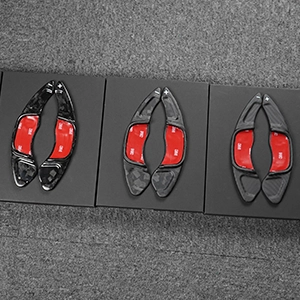
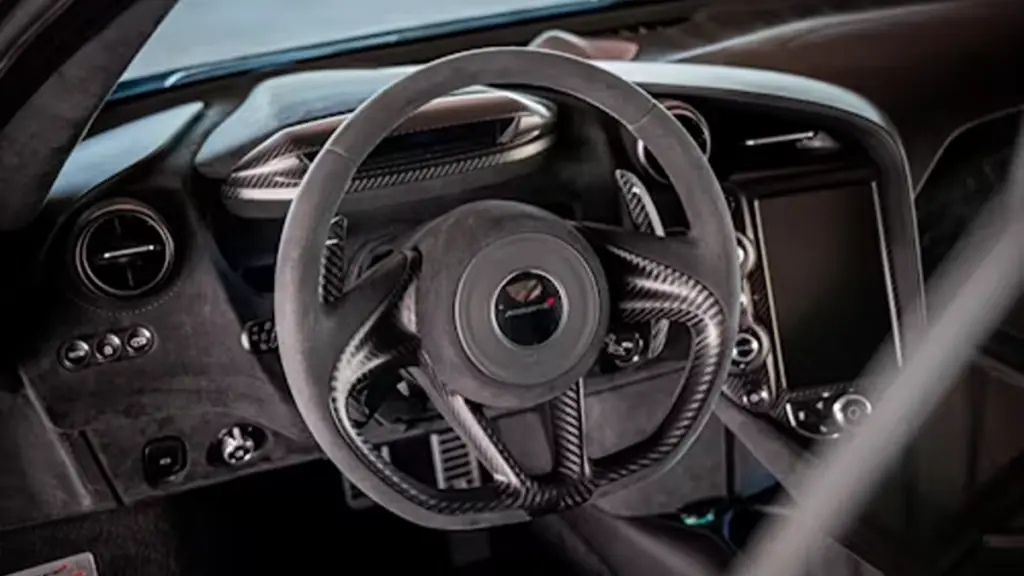
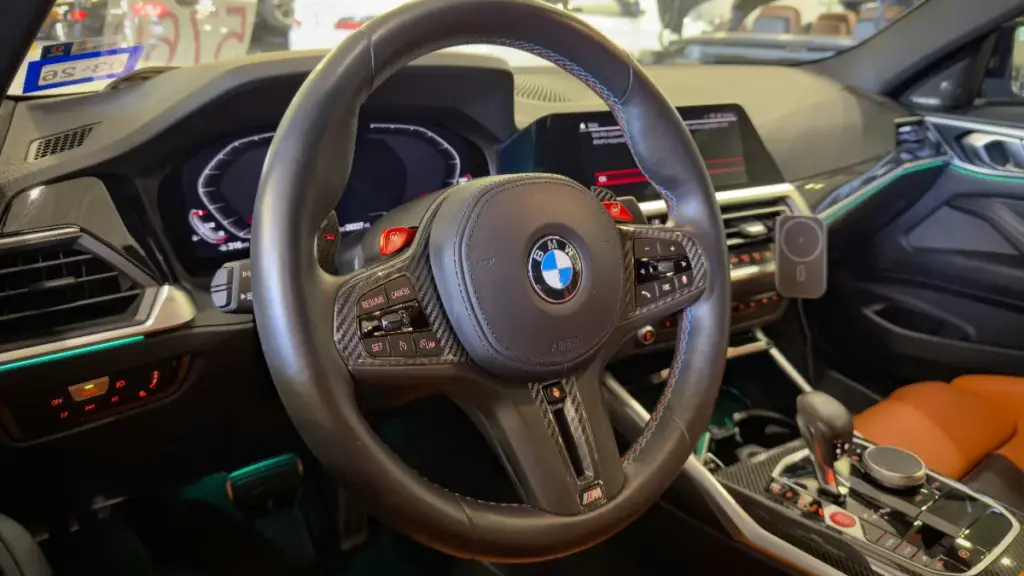
- Finiture interne (paddle del cambio, finiture della console centrale, accenti del volante)
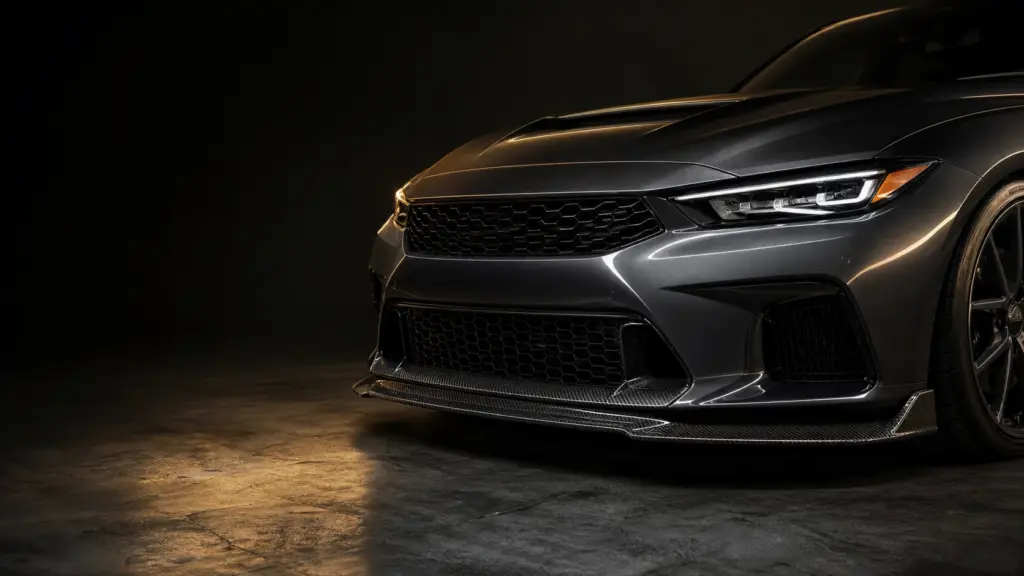
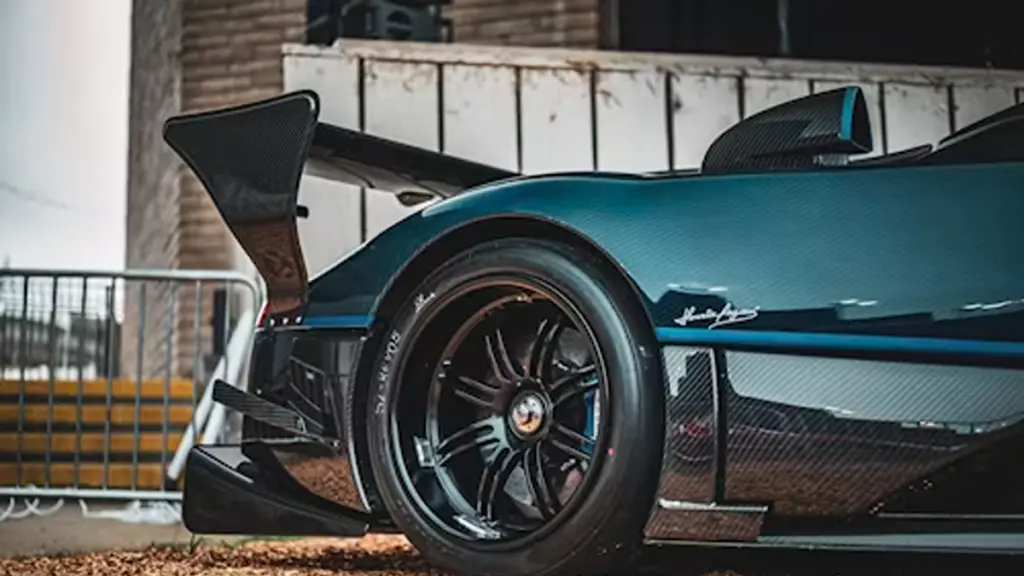
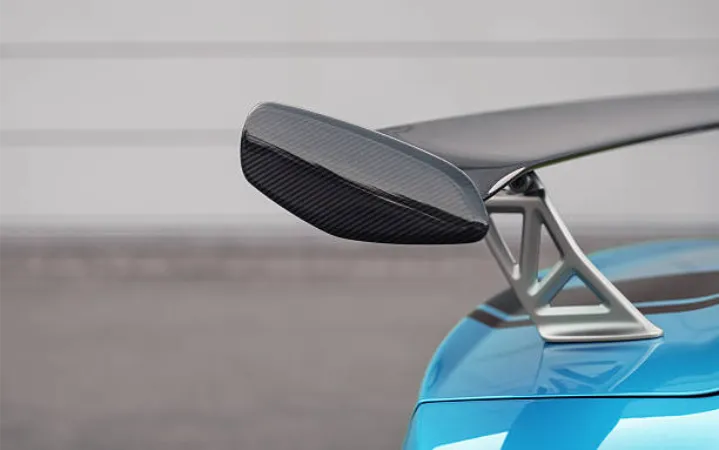
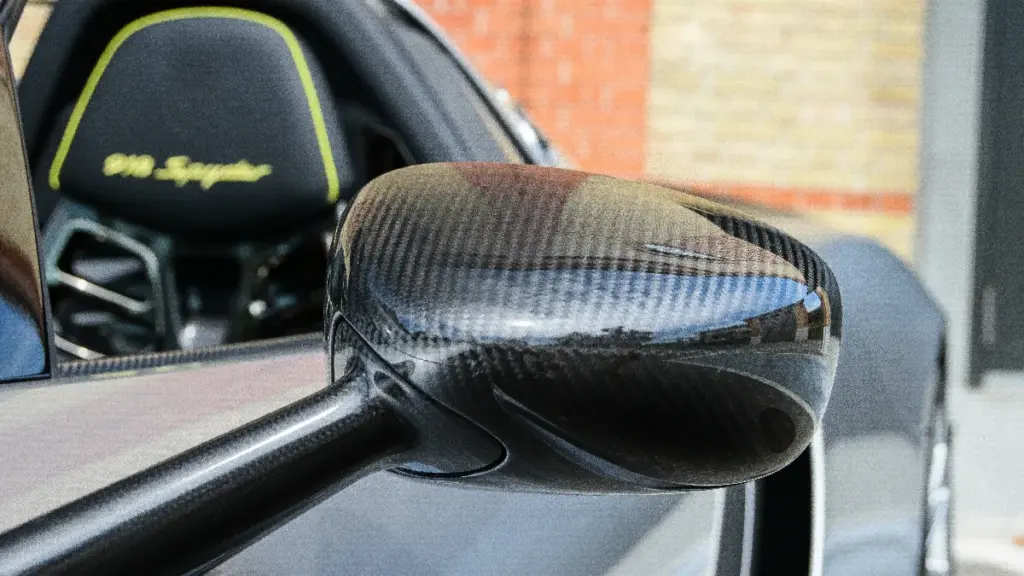
- Parti esterne (spoiler, coperture degli specchietti, diffusori)
- Componenti funzionali leggeri
Lo standard industriale per le parti ad alte prestazioni è la fibra di carbonio secca prepreg. Questo materiale utilizza tessuto di carbonio pre-impregnato con una precisa quantità di resina. Viene polimerizzato ad alta pressione e calore, risultando in una parte con un elevato rapporto fibra/resina.
Pro e contro della fibra di carbonio
Vantaggi della fibra di carbonio
- Estremamente leggero rispetto alle plastiche tradizionali
- Elevata resistenza e rigidità
- Eccellente resistenza al calore
- Aspetto premium con vera trama tessuta 3D
- Ideale per aggiornamenti interni ed esterni di automobili di fascia alta
Limitazioni della fibra di carbonio
- Maggiori costi di materiale e produzione
- Più complesso processo di produzione
- Non ideale per prodotti a bassissimo costo o usa e getta
Cos'è la plastica ABS nelle parti di automobili?
ABS (Acrilonitrile Butadiene Stirene) è un polimero termoplastico ampiamente utilizzato per componenti OEM come i paraurti, ordinare, e dashboard. Viene prodotto tramite stampaggio ad iniezione, dove la plastica fusa viene iniettata in uno stampo di acciaio e raffreddata.
Nel mercato delle modifiche automobilistiche, La plastica ABS viene generalmente utilizzata per:
- Rifiniture e rivestimenti interni
- Parti estetiche esterne
- Accessori effetto carbonio (con idroimmersione o motivi stampati)
Molti “stile fibra di carbonio” le parti sul mercato sono in realtà plastica ABS trattata con Hydro-dipping(Stampa a trasferimento d'acqua). Questo applica un modello di carbone stampato sulla superficie di plastica, seguito da uno strato trasparente.
Pro e contro della plastica ABS
Vantaggi della plastica ABS
- Costo inferiore rispetto alla fibra di carbonio
- Buona resistenza agli urti e flessibilità
- Ideale per produzioni di grandi volumi
- Tempi di consegna più brevi per le parti stampate
Limitazioni della plastica ABS
- Più pesante della fibra di carbonio
- Resistenza al calore inferiore
- La finitura superficiale e la struttura sono limitate
- La durabilità a lungo termine può diminuire in caso di esposizione ai raggi UV
Differenze chiave tra fibra di carbonio e plastica ABS in breve
Per aiutarti a fare una cosa veloce, decisione basata sui dati, abbiamo compilato un confronto tecnico diretto tra la fibra di carbonio secca in autoclave (Toray 3K) e plastica ABS stampata ad iniezione standard.
| Caratteristica | Fibra di carbonio secca in autoclave | Plastica ABS (Stampato ad iniezione) |
|---|---|---|
| Composizione materiale | Fibra di carbonio Toray 3K + Matrice di resina epossidica | Acrilonitrile Butadiene Stirene (Termoplastico) |
| Peso (Tipico) | Tipicamente più leggero per lo stesso design della parte (elevata resistenza/peso, meno materiale necessario) | Tipicamente più pesante per la stessa dimensione della parte (necessita di sezioni più spesse per rimanere rigido) |
| Peso specifico (Densità) | ~1,5 – 1.6 g/cm³ (Ultraleggero) | ~1.04 – 1.07 g/cm³ (Peso moderato) |
| Resistenza alla trazione | Alto (>3500 MPa for fiber) | Moderare (~40-50MPa) |
| Temp. di deflessione del calore | Eccellente (>120°C / 248°F) | Moderare (~85°C – 100°C / 185°F – 212°F) |
| Rigidità (Modulo) | Molto alto (Rigido, mantiene la forma sotto carico) | Basso (Flessibile, incline alla deformazione) |
| Comportamento d'impatto | Fragile (Può rompersi sotto forte stress) | Duttili (Ammacca o deforma prima di rompersi) |
| Finitura visiva | 3D Profondità olografica, Trama tessuta | Colore piatto o stampa 2D “Aspetto carbonio” |
| Costo di produzione | Alto (Alta intensità di manodopera, processo lungo) | Basso (Veloce, produzione di massa automatizzata) |
| Riparabilità | Difficile (Richiede una riparazione professionale del composito) | Facile (Può essere saldato in plastica, incollato, o riempito) |
| Migliore applicazione | Cappe, Bauli, Spoiler, Calotte degli specchietti, Finiture interne | Paraurti, Minigonne laterali, Splitter (Parti usa e getta) |
Fibra di carbonio vs. Plastica ABS: 5 Differenze chiave che devi conoscere
1. Processo di produzione: Fibra di carbonio in autoclave vs. ABS stampato ad iniezione
Le parti automobilistiche in fibra di carbonio, in particolare il carbonio secco, vengono prodotte utilizzando la tecnologia dell'autoclave. Strati di preimpregnato in fibra di carbonio vengono depositati negli stampi, sottovuoto, e polimerizzato ad alta temperatura e pressione (tipicamente 120–180°C). Questo processo rimuove l'aria e la resina in eccesso, con conseguente elevata densità di fibre, controllo preciso dello spessore, e prestazioni strutturali costanti.
Le parti in plastica ABS sono realizzate tramite stampaggio ad iniezione. I pellet di ABS vengono fusi a circa 200–240°C e iniettati in stampi di acciaio, poi raffreddato ed espulso. Questo processo è veloce ed economicamente vantaggioso, ma la resistenza e la precisione della parte finale dipendono fortemente dalla qualità dello stampo e dal comportamento del flusso della plastica. La differenza di processo influisce direttamente sul montaggio, peso, e durabilità a lungo termine.
2. Riduzione del peso & Prestazione
La fibra di carbonio è nota per il suo eccezionale rapporto resistenza/peso. I tipici compositi in fibra di carbonio offrono resistenza alla trazione tra 500–800MPa pur rimanendo estremamente leggero. Ciò consente alle parti di essere più sottili senza sacrificare la rigidità, con conseguente notevole riduzione del peso e miglioramento delle prestazioni, soprattutto nella risposta e nella manovrabilità dello sterzo.
La plastica ABS è molto più pesante a parità di livello di resistenza. Per mantenere la rigidità, Le parti in ABS spesso richiedono pareti più spesse o rinforzi interni. Mentre adatto per componenti cosmetici, L’ABS non può eguagliare i vantaggi prestazionali della fibra di carbonio. Per gli automobilisti che puntano su aggiornamenti leggeri e una sensazione di guida raffinata, la fibra di carbonio offre un chiaro vantaggio.
3. Forza, Durabilità & Resistenza al calore
I compositi in fibra di carbonio mantengono la stabilità strutturale alle alte temperature. A seconda del sistema di resina, le parti in carbonio secco hanno tipicamente a temperatura di deflessione del calore (HDT) di 120–180°C, rendendoli adatti per interni esposti al sole e ambienti automobilistici esigenti. La fibra di carbonio resiste anche alla fatica e alla deformazione a lungo termine.
La plastica ABS ha un HDT inferiore, solitamente in giro 90–105°C. In caso di esposizione prolungata al calore, L'ABS potrebbe ammorbidirsi, ordito, o invecchiare più velocemente. Mentre l'ABS offre una buona resistenza agli urti, la sua durabilità a lungo termine è più limitata se esposto al calore, Luce UV, e cicli termici ripetuti.
4. Estetica visiva: Vera fibra di carbonio vs. ABS effetto carbonio
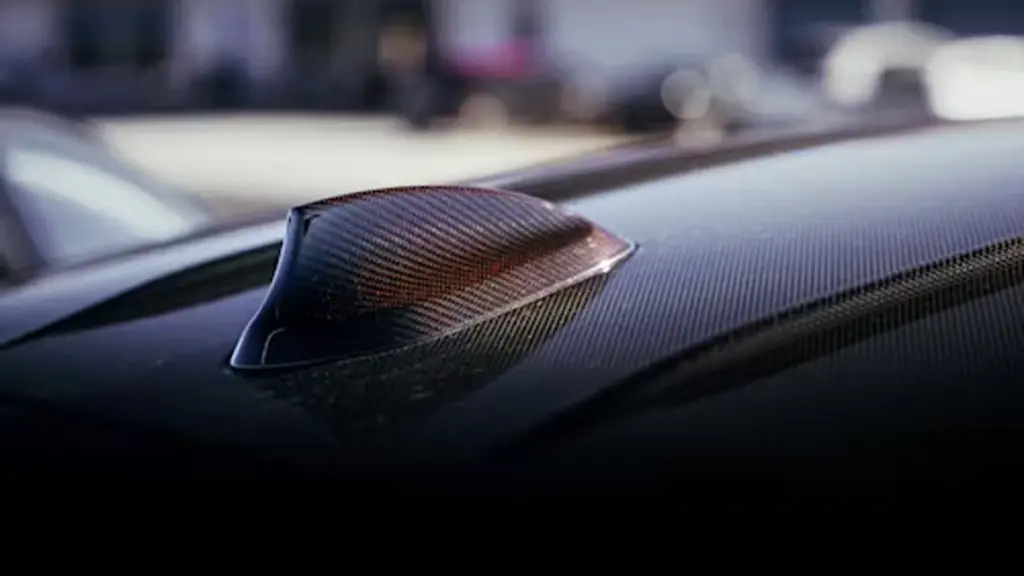
La vera fibra di carbonio presenta una vera struttura intrecciata tridimensionale. Gli strati di fibre creano profondità, riflessione della luce, e texture che cambiano con l'angolo di visione. Questa complessità visiva è uno dei motivi principali per cui la fibra di carbonio è associata agli aggiornamenti automobilistici premium.
Le parti in plastica ABS con aspetto carbonio si basano su trattamenti superficiali come motivi stampati o idroimmersione. Sebbene visivamente simili da lontano, la superficie rimane piana. Col tempo, l'usura o lo sbiadimento possono evidenziare ulteriormente la differenza. Per finiture interne di fascia alta, la fibra di carbonio offre un'esperienza visiva più autentica e duratura.
5. Prezzo & Analisi dei costi
Le parti in fibra di carbonio sono più costose a causa dei costi più elevati delle materie prime, cicli produttivi più lunghi, e un rigoroso controllo di qualità. Polimerizzazione in autoclave, Rifilatura CNC, e la finitura superficiale incidono sui costi di produzione, ma garantiscono anche una maggiore precisione e tassi di difetti inferiori.
La plastica ABS beneficia del basso costo del materiale e dello stampaggio a iniezione ad alta velocità, rendendolo ideale per la produzione di massa e prodotti entry-level. Tuttavia, il costo inferiore spesso comporta compromessi in termini di durabilità, resistenza al calore, e valore percepito. Molti marchi scelgono la fibra di carbonio quando il posizionamento del prodotto e la qualità a lungo termine contano più del costo iniziale.
Quale materiale è adatto al tuo progetto automobilistico?
Seleziona Plastica ABS Se:
- Mercato di riferimento: Consumatori attenti al budget o proprietari di veicoli entry-level.
- Applicazione: Parti soggette a frequenti raschiature (per esempio., splitter anteriori su vetture ribassate) dove il costo di sostituzione è un problema.
- Requisito: Parti che devono essere verniciate per abbinarsi al colore della carrozzeria.
Seleziona vera fibra di carbonio se:
- Mercato di riferimento: Negozi di tuning di fascia alta, proprietari di veicoli di lusso (BMWM, AMG, Tesla), e appassionati di pista.
- Applicazione: Aree ad alta visibilità (cappe, tronchi, specchi) e punti di contatto interni (volanti, leve del cambio).
- Requisito: Massimo risparmio di peso, resistenza al calore, e appeal estetico premium.
Hai bisogno di una soluzione personalizzata?
Shasha Carbon può sviluppare soluzioni ibride o stampi esclusivi su misura per le vostre esigenze di mercato. Contatta il nostro R&Squadra D per discutere del tuo progetto.
Come Shasha ti aiuta a scegliere la soluzione giusta
Come produttore dedicato di ricambi auto in fibra di carbonio con sede a Dongguan, Shasha Carbon colma il divario tra gli standard di qualità OEM e la flessibilità del mercato post-vendita.
- Materiali verificati: Usiamo solo importatiFibra di carbonio Toray. Non prendiamo scorciatoie con riempitivi in fibra di vetro mascherati da carbonio.
- Montaggio di precisione: Il nostro team di ingegneri utilizza3D Scansione ETaglio CNC per ogni stampo. Ciò garantisce che le nostre parti si adattino perfettamente, riducendo i tempi di installazione e i resi.
- Produzione scalabile: Con una struttura di 3.200 m² e 2000+ SKU, supportiamo tutto daMOQ per piccoli lotti (3-5 insiemi) ai cicli di produzione OEM su larga scala.
- Adempimento veloce: Offriamo5-tempi di consegna giornalieri per gli articoli in stock e supporto dropshipping per i venditori di e-commerce.
Alla ricerca di un partner produttivo affidabile?
Smetti di accontentarti di una qualità incoerente. L'approvvigionamento diretto dalla fabbrica garantisce margini migliori e un supporto più rapido.