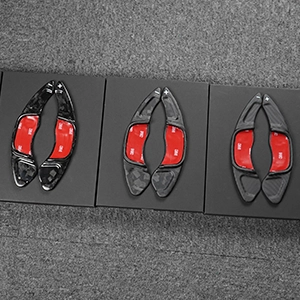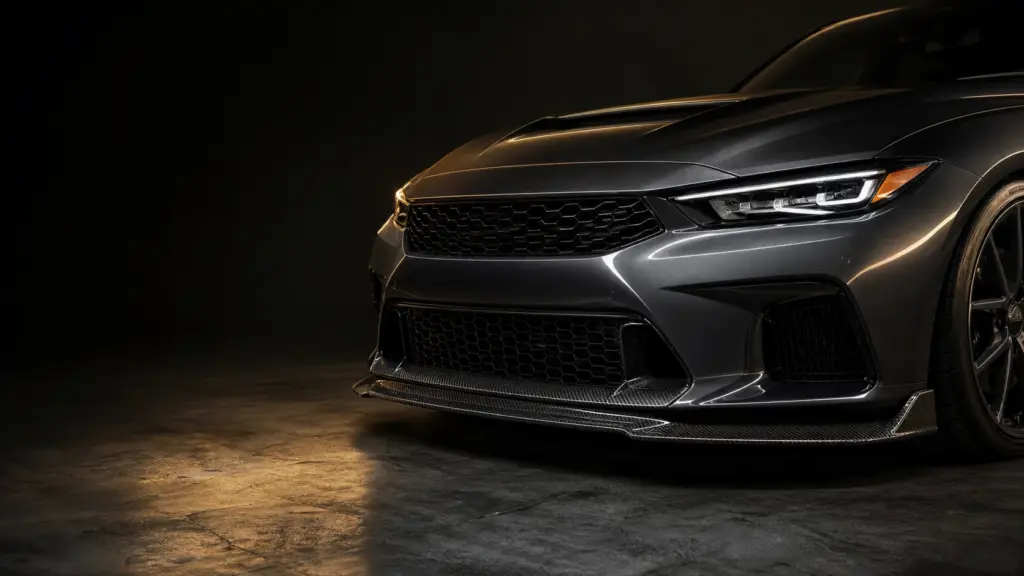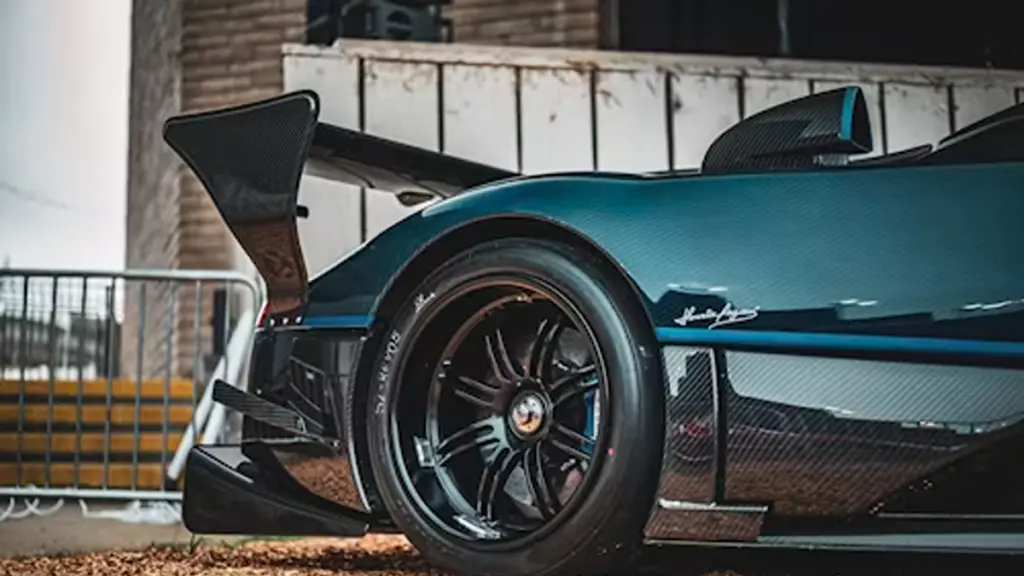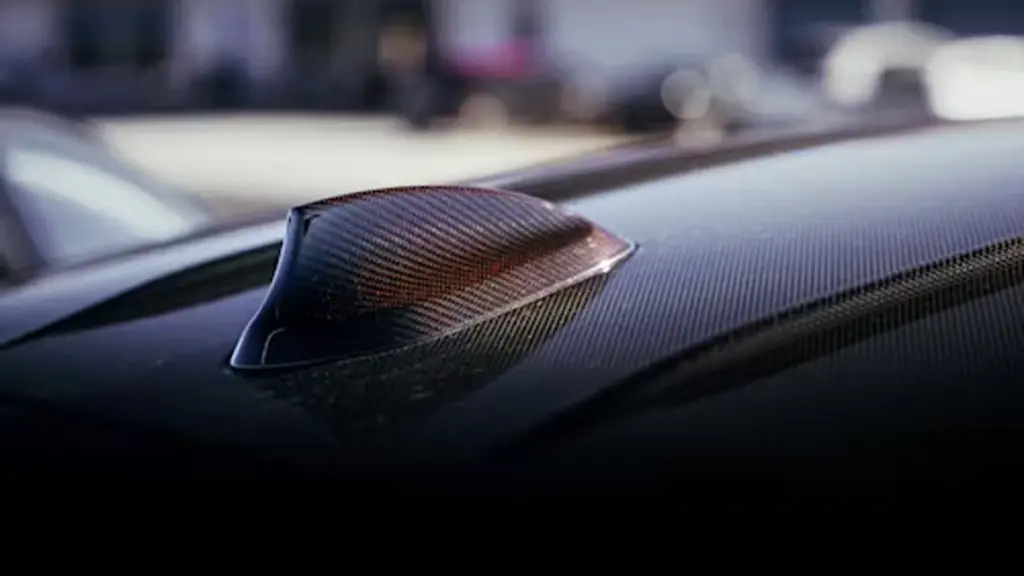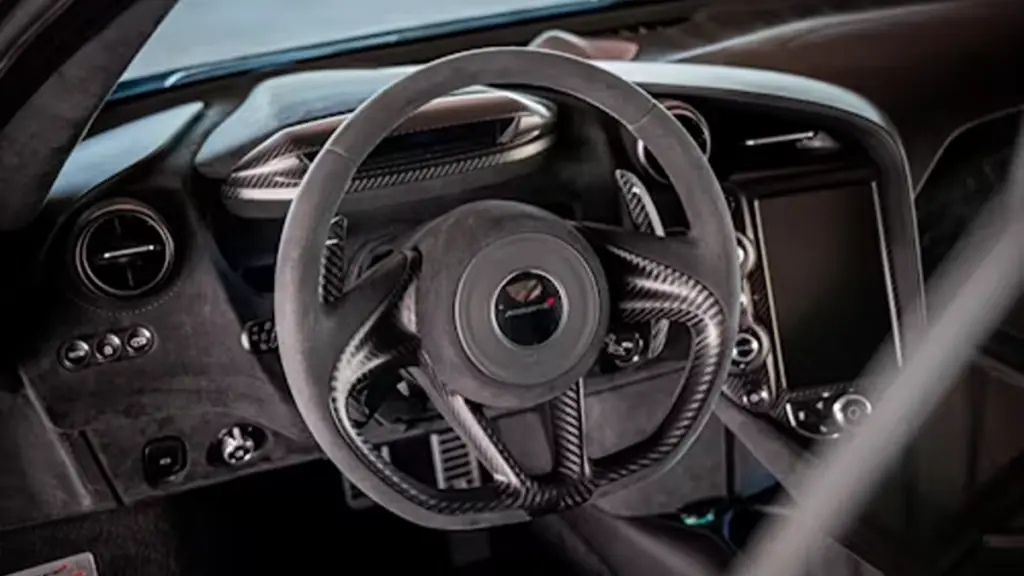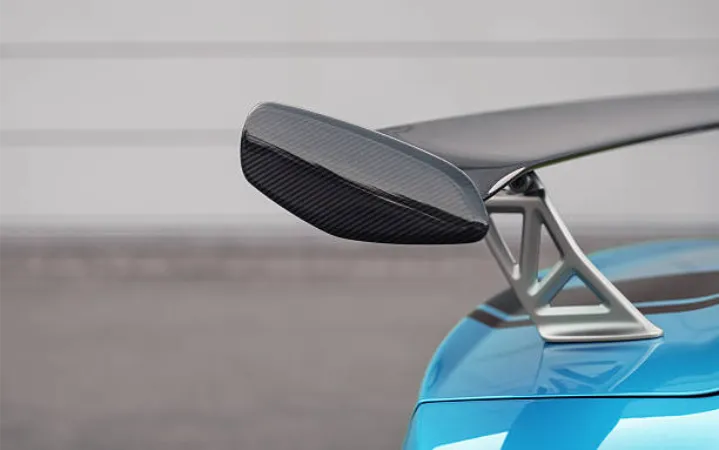
Carbon fiber is widely used in automotive spoilers, зеркальные чехлы, капюшоны, диффузоры, and interior trims due to its lightweight structure and premium visual appearance. Однако, many aftermarket products only imitate this material’s look, making it difficult for buyers to distinguish genuine composite parts from decorative alternatives.
For distributors, тюнинговые мастерские, and automotive importers, understanding how authentic components actually appear in real applications helps reduce sourcing risks and improve product consistency. This guide highlights key visual differences between real and imitation materials, including weave patterns, surface reflections, edge details, and practical inspection methods commonly used in the automotive aftermarket.
The Signature Look of Authentic Carbon Fiber
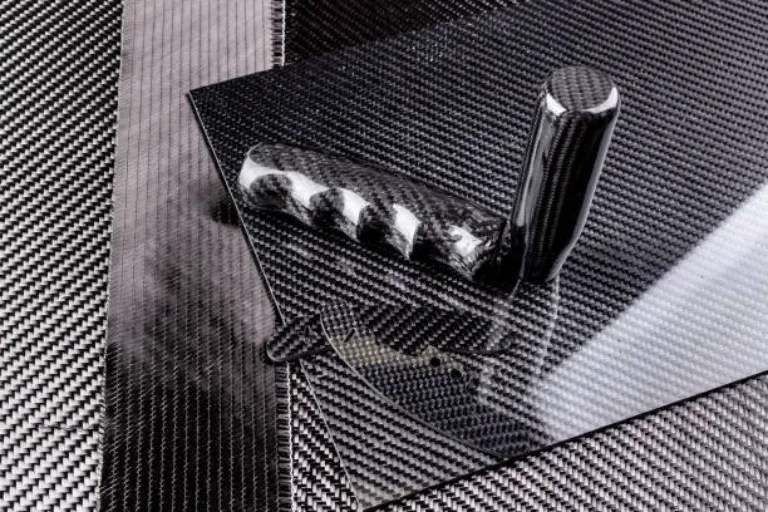
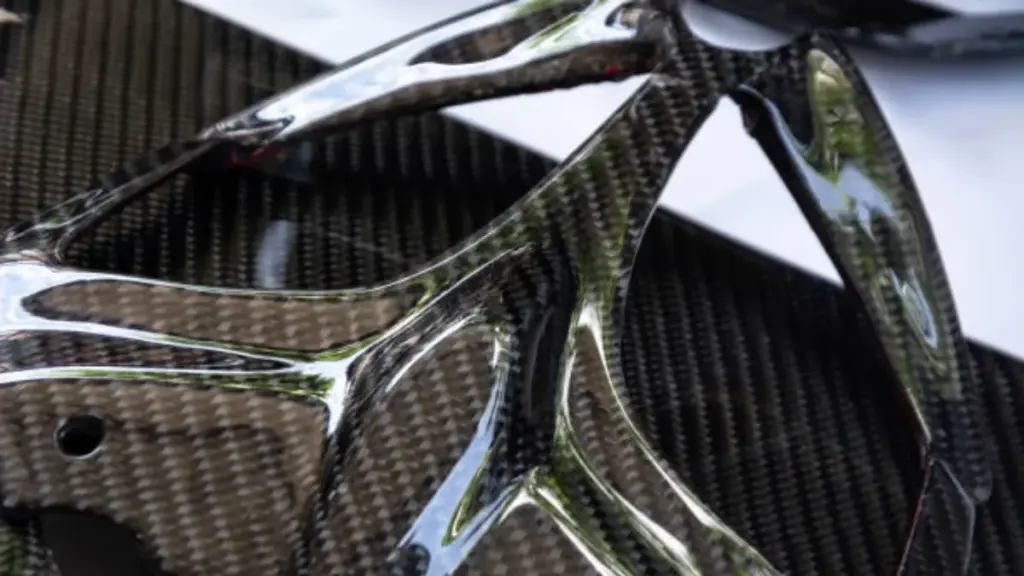
Real carbon fiber has a distinctive visual structure that printed materials and decorative films cannot fully replicate. Actual woven carbon filaments sit beneath a resin layer, creating visible depth, textured patterns, and changing reflections under different lighting conditions.
Real Material Shows Visible Depth
One of the clearest signs of authentic composite components is their three-dimensional appearance. Instead of sitting flat on the surface, the woven structure remains visible beneath the transparent resin layer.
As lighting angles change, genuine parts produce layered reflections that create a sharper and more technical appearance. In comparison, imitation materials usually look flatter and less dynamic.
Why Weave Alignment Matters
Authentic carbon fiber normally shows balanced and continuous weave alignment across the entire part. On high-quality automotive components, manufacturers maintain stable pattern transitions even around corners and curved surfaces.
Low-quality products often reveal visible inconsistencies, including:
- Distorted weave direction: Fiber patterns shift unevenly across the surface.
- Uneven spacing: The weave loses its balanced structure in certain areas.
- Misaligned corners: Pattern transitions become irregular around edges.
- Repeated graphics: Printed textures create duplicated visual patterns.
These issues become easier to notice on larger components such as hoods, спойлеры, and diffusers.
Resin Finish Influences Surface Quality
The resin layer strongly affects the final appearance of composite parts. A clean and evenly distributed finish improves weave clarity and creates more consistent gloss across the surface.
High-quality components usually show clear reflections, minimal air bubbles, smooth transitions between gloss levels, and sharp weave visibility beneath the resin layer. These visual details are key indicators of stable manufacturing quality.
Poor resin control can reduce both visual quality and long-term surface durability, even when genuine composite materials are used.
Common Carbon Fiber Weave Patterns in Automotive Parts
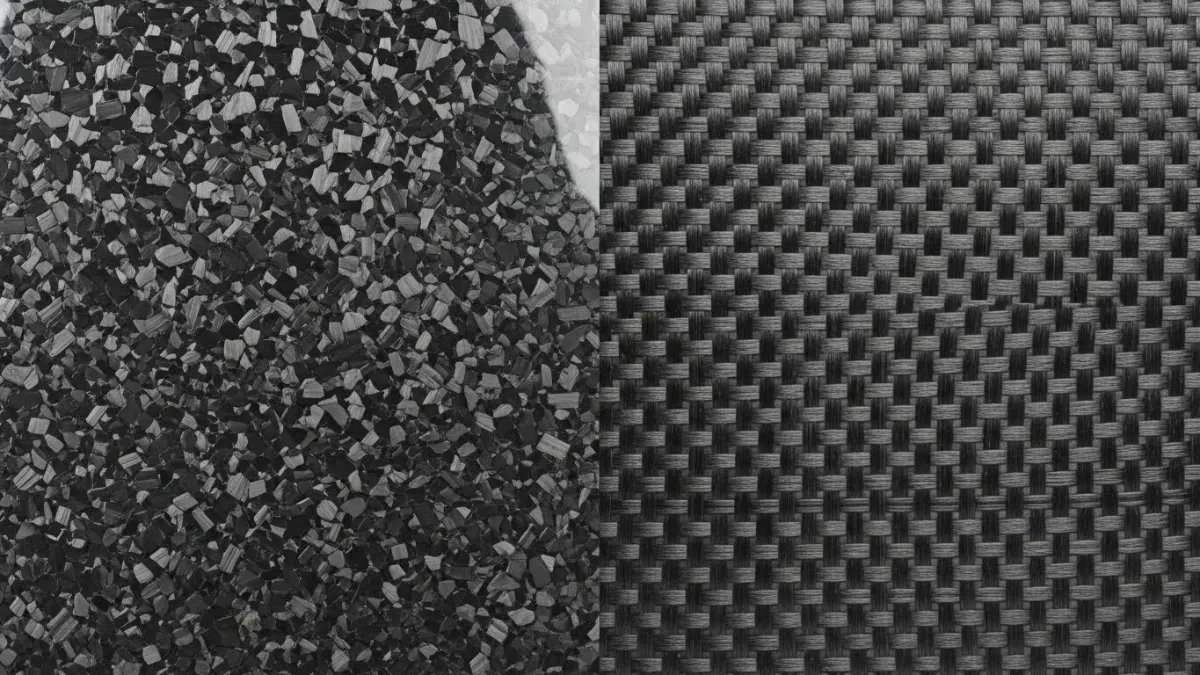
Carbon fiber does not follow a single visual style. Different weave structures create different surface textures, reflections, and visual effects, which is why automotive buyers often use weave patterns to evaluate product positioning and manufacturing quality.
Plain Weave Carbon Fiber
Plain weave uses a simple over-under fiber structure that creates a symmetrical checkerboard appearance. Because of its balanced layout and stable surface structure, this weave is commonly used in interior trim components and smaller decorative parts.
Typical characteristics include:
- Smaller weave pattern: The surface shows compact and evenly spaced fiber squares.
- Balanced appearance: The structure creates a clean and symmetrical visual effect.
- Traditional styling: Plain weave produces a more classic technical appearance.
- Stable surface structure: The tighter pattern helps maintain visual consistency across smaller components.
Manufacturers often use plain weave for interior panels, dashboard trims, and decorative accent pieces where a refined appearance matters more than aggressive styling.
Twill Weave Carbon Fiber
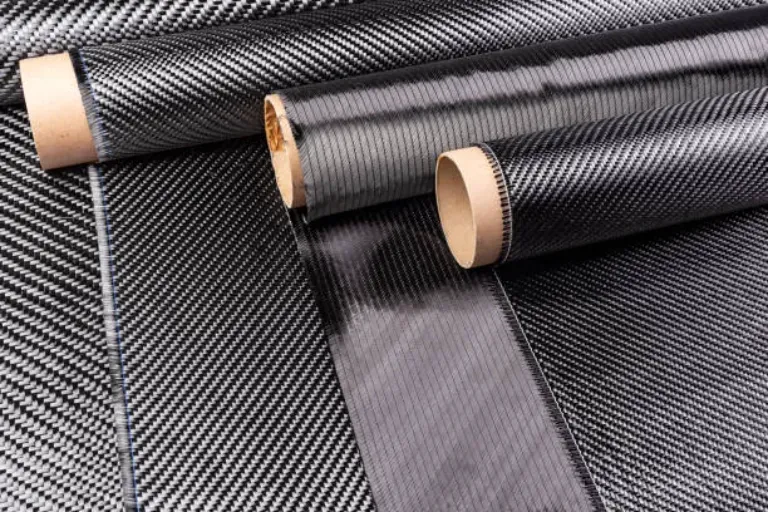
Twill weave is one of the most widely used carbon fiber patterns in the automotive aftermarket. Instead of forming square intersections, the fibers create a diagonal pattern that changes more dynamically under light.
This structure gives twill weave a stronger sense of movement and depth, which makes it especially popular for exterior performance parts.
Twill weave is commonly used for spoilers, зеркальные чехлы, диффузоры, engine covers, and other exterior performance components because the diagonal pattern creates a stronger sense of movement under light.
Many performance vehicles use 2×2 twill weave because it creates a sharper and more modern carbon fiber look.
Forged and Colored Carbon Fiber
Not all composite materials rely on traditional woven structures. Кованый versions use compressed carbon fragments instead of continuous fibers, creating a random marble-like appearance with a more aggressive visual style.
Colored variants combine standard weaving techniques with hybrid tinted fibers to achieve customized surface effects while maintaining authentic composite construction.
Popular options include red, blue, and silver hybrid finishes, which are mainly used in premium customization projects where visual uniqueness plays a larger role in product selection.
| Weave Type | Visual Style | Common Applications |
|---|---|---|
| Простое плетение | Balanced checkerboard appearance | Interior trims and decorative panels |
| Твил плетение | Dynamic diagonal reflections | Спойлеры, диффузоры, зеркальные чехлы |
| Кованый углерод | Random marble-like texture | Premium customization projects |
Source True Dry Carbon Parts that Sell.
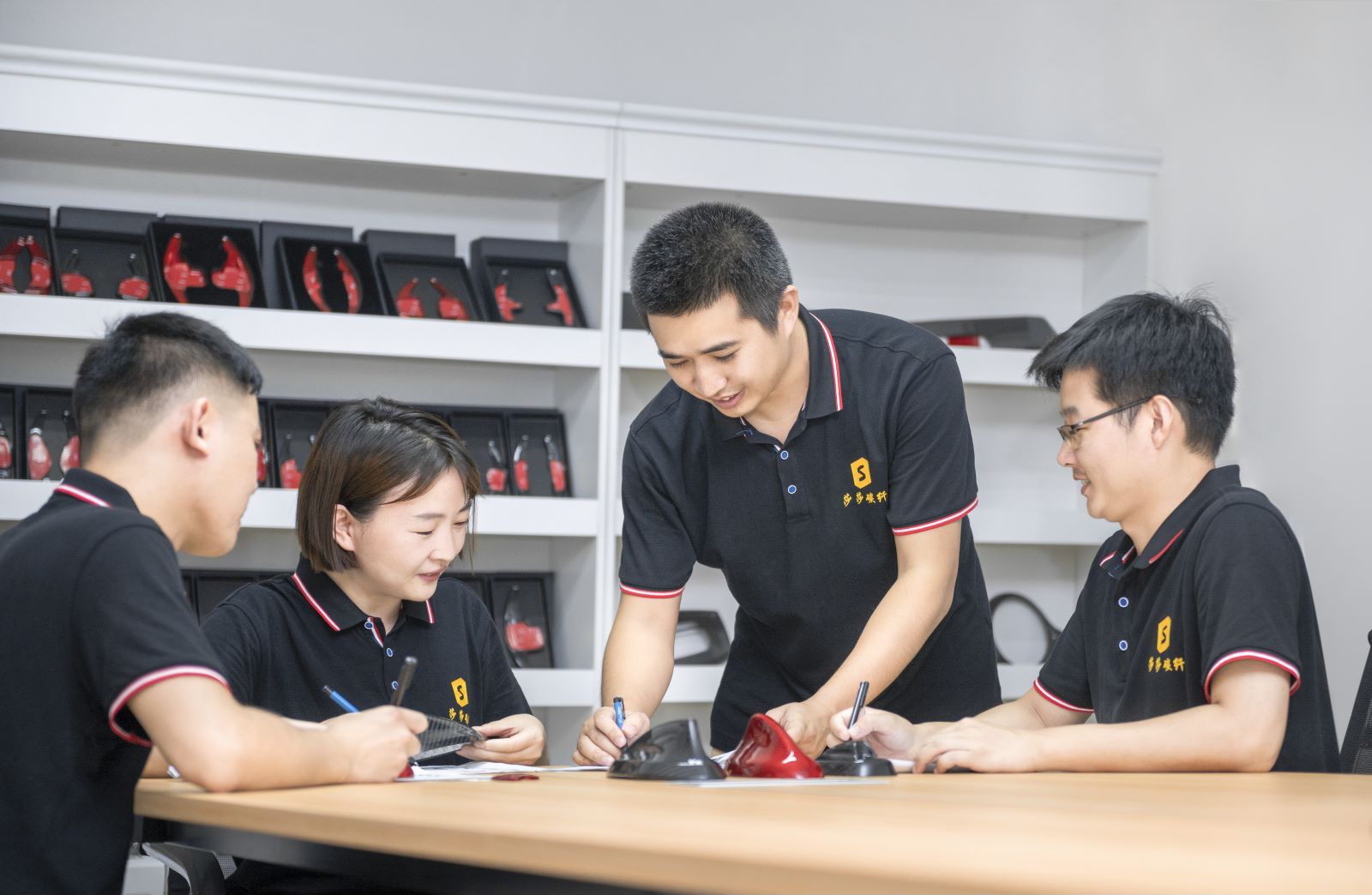
What Fake Carbon Fiber Actually Looks Like
Although authentic carbon fiber has recognizable weave structures and surface depth, many imitation materials are designed to reproduce a similar visual effect at lower cost. Как результат, automotive buyers often encounter products that look convincing at first glance but differ significantly during close inspection.
Printed and Hydro-Dipped Carbon Fiber
Printed films and hydro-dipped surfaces are among the most common imitation methods in the automotive aftermarket. These materials can appear convincing in online product images, but close inspection usually reveals visual inconsistencies.
Common signs include:
Common signs include a flat surface appearance, uniform reflections, blurry weave details, and repeated visual patterns. Unlike real carbon fiber, printed textures usually lack layered depth and dynamic light variation.
Plastic Carbon-Look Materials
Some aftermarket parts use molded plastic surfaces with embossed carbon-style textures. Although these products may include raised patterns, they still differ noticeably from genuine carbon fiber during close inspection.
Typical characteristics include:
- Limited weave depth: The surface texture appears shallow and artificial.
- Weak light variation: Reflections remain relatively flat under changing angles.
- Inconsistent texture quality: Surface patterns often lose definition near edges and curves.
- Lower structural feel: The material lacks the rigidity commonly associated with real composite parts.
These differences become easier to recognize on larger exterior components such as spoilers, зеркальные чехлы, and diffusers.
Why Imitation Materials Create Buyer Risks
For automotive distributors, тюнинговые мастерские, and aftermarket brands, low-quality imitation products can create more than visual problems. Inconsistent material quality often affects long-term customer satisfaction and resale reliability.
Common business risks include:
- Surface fading: Decorative coatings may lose gloss and texture over time.
- Lower durability: Plastic-based materials typically resist heat and UV exposure less effectively.
- Более высокие проценты возврата: Customers may reject products that look different from advertised images.
- Brand reputation damage: Inconsistent quality can reduce long-term buyer trust.
- Supply inconsistency: Different production batches may show visible appearance variations.
Understanding these differences helps automotive buyers make more consistent sourcing decisions and avoid quality-related disputes later in the supply chain.at printed patterns fail to capture.
How to Identify Real Carbon Fiber Quickly
In real purchasing situations, automotive buyers often need to judge material authenticity within a short inspection window. Surface reflections, edge details, and structural feel usually reveal major differences between genuine carbon fiber and imitation materials, especially on aftermarket exterior components.
Check Light Reflection and Surface Depth
Real carbon fiber reacts dynamically under changing light because the woven fiber structure sits beneath a transparent resin layer. As viewing angles shift, the surface produces visible depth and layered reflections instead of a flat visual effect.
Imitation materials usually show weaker visual variation because printed textures remain on the outer surface rather than inside a composite structure.
A close inspection under direct lighting often reveals clear differences in:
- Reflection depth: Real carbon fiber creates more layered visual movement.
- Surface texture: Authentic weave patterns appear sharper beneath the resin.
- Light variation: Reflections change naturally across curves and angles.
- Pattern clarity: Genuine fiber structures maintain cleaner visual definition.
These details become easier to identify on larger surfaces such as hoods, спойлеры, and mirror covers.
Inspect Edges, Corners, and Mounting Areas
Edges and mounting areas often expose the clearest signs of material authenticity because these sections reveal how the component was actually constructed.
Real carbon fiber parts commonly show:
- Layered composite structure: Fiber layers remain visible beneath trimmed edges.
- Controlled fiber transitions: The weave pattern continues more naturally around corners.
- Precision trimming quality: Cut areas appear cleaner and more consistent.
Imitation products often reveal:
- Plastic backing materials: Interior sections expose molded plastic structures.
- Decorative film edges: Printed layers separate from the underlying material.
- Artificial surface coatings: Surface textures stop abruptly near openings or corners.
Mounting holes, backside surfaces, and curved transitions usually provide the most reliable inspection points during product evaluation.
Compare Weight and Structural Feel
Authentic carbon fiber combines low масса with high rigidity, which creates a noticeably different handling feel compared with plastic-based imitation materials.
High-quality carbon fiber components usually feel:
- Легкий вес: The part remains lighter than comparable metal alternatives.
- Structurally stable: The surface resists excessive flex during handling.
- Solid under pressure: The component maintains rigidity across larger areas.
- More balanced: Weight distribution feels more controlled throughout the part.
Because these details directly affect both appearance and structural reliability, manufacturers such as Shasha Carbon Fiber place strong emphasis on weave alignment, resin consistency, and precision trimming throughout the production process.
Quick Visual Comparison for Automotive Buyers
During product sourcing and quality inspection, buyers often need to identify material differences quickly without performing detailed technical testing. The comparison below highlights some of the most visible distinctions between authentic carbon fiber and common imitation materials used in the automotive aftermarket.
| Inspection Area | Real Carbon Fiber | Fake Carbon Fiber |
|---|---|---|
| Pattern Depth | Visible layered texture beneath resin | Flat printed surface appearance |
| Light Reflection | Reflections change with viewing angle | Uniform or static reflections |
| Weave Consistency | Continuous woven fiber structure | Repeated printed pattern sections |
| Edges and Corners | Composite fiber layers remain visible | Plastic backing or film edges exposed |
| Weight and Feel | Lightweight with high rigidity | Plastic-like feel or excessive flexibility |
Часто задаваемые вопросы
Does real carbon fiber require special maintenance?
Да. Regular cleaning and UV protection help maintain surface gloss and reduce long-term resin discoloration, especially for exterior automotive parts exposed to sunlight.
Why do some carbon fiber parts turn yellow over time?
Surface yellowing usually comes from resin aging or insufficient UV-resistant coating rather than the carbon fiber itself.
Why do some aftermarket carbon fiber parts fit poorly?
Poor mold accuracy, inconsistent trimming, and uncontrolled production tolerances can affect fitment quality, especially on low-cost aftermarket products.
Does heavier carbon fiber mean better quality?
Not necessarily. Excessive resin content can increase weight without improving structural performance. High-quality carbon fiber parts usually balance strength, rigidity, and lightweight construction.
Is hydro-dipped carbon fiber as good as the real thing?
No, they serve different purposes. Real carbon fiber offers structural strength, is lightweight, and has an authentic 3D weave. Hydro-dipping is a purely cosmetic finish that applies a 2D carbon fiber pattern onto a surface. While more affordable, it lacks the structural benefits and visual depth of real carbon.
Заключительные мысли
Real carbon fiber stands out through its woven structure, layered depth, and dynamic light reflection, which are difficult for printed films and imitation materials to reproduce accurately. This visual guide for automotive buyers helps distributors, тюнинговые мастерские, and aftermarket brands evaluate carbon fiber products more confidently by understanding weave consistency, resin finish, edge construction, and overall material quality.
For businesses sourcing automotive carbon fiber components, stable manufacturing quality matters just as much as appearance. Shasha Carbon Fiber supports automotive brands, оптовики, and customization projects with consistent production control, OEM/ODM development, and a wide range of carbon fiber solutions for both interior and exterior applications.