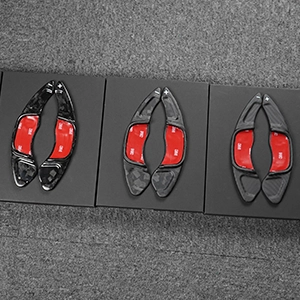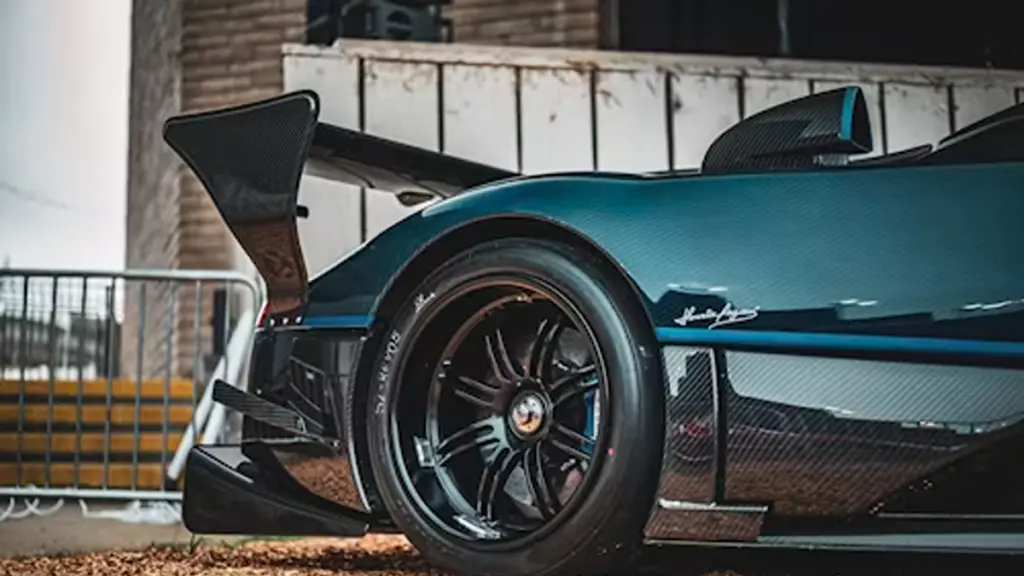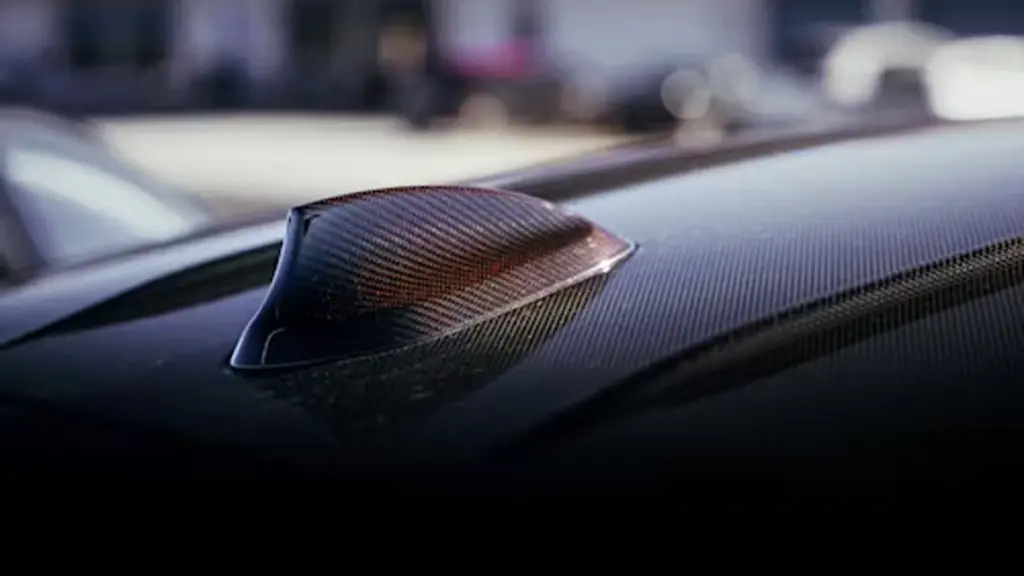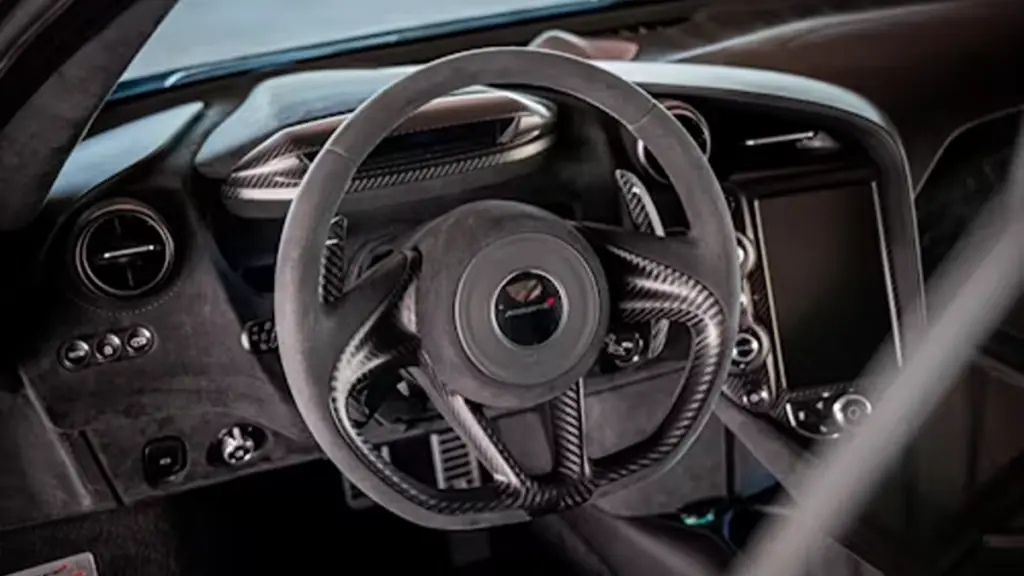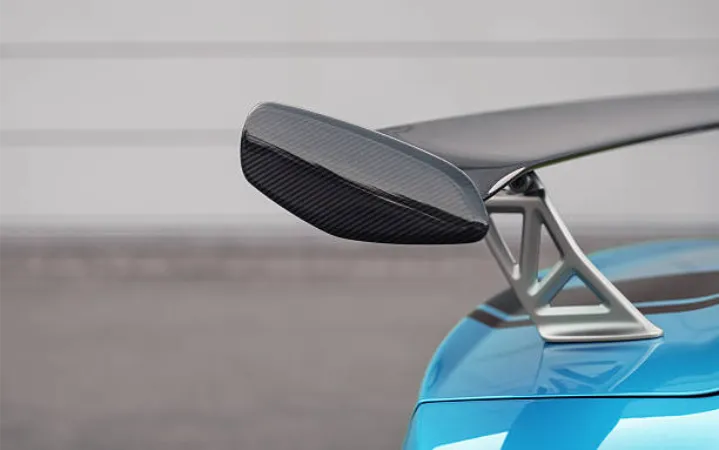
Carbon fiber and aluminum are both widely used in automotive parts, but they behave very differently during design and manufacturing. Em carbon fiber vs aluminum automotive parts, the decision is not only about weight, força, or material price. Orientação da fibra, forming methods, cura, machining, dimensional control, and production volume can all affect the final part.
For automotive buyers and aftermarket brands, these differences matter because a good material does not automatically produce a good component. The finished part must also have stable dimensions, reliable fitment, consistent appearance, and repeatable quality. This guide compares carbon fiber and aluminum from a manufacturing perspective, with a focus on material performance, production processes, durabilidade, custo, e montagem.
Carbon Fiber vs Aluminum in Automotive Parts Manufacturing
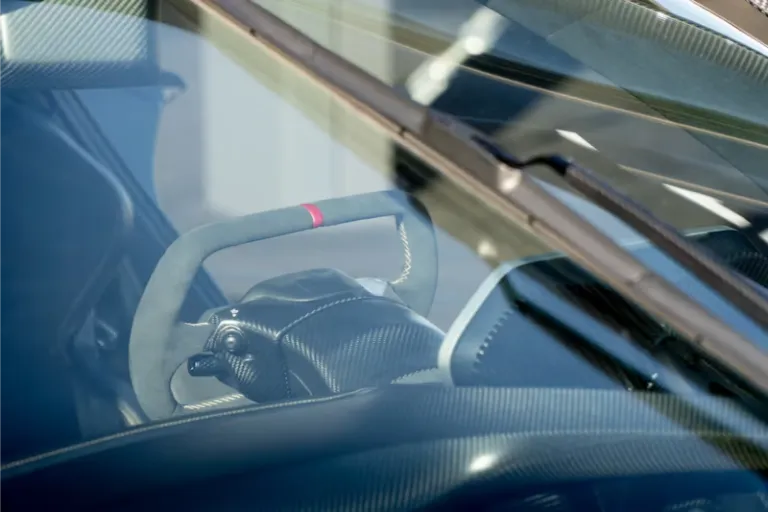
Aluminum offers predictable performance, efficient production, and broad application flexibility. Carbon fiber provides lower weight, high stiffness, and greater design flexibility through its composite structure. Both materials can deliver reliable automotive parts when the material, application, and manufacturing process are properly matched.
How Aluminum Is Used in Automotive Parts
Aluminum is widely used when automotive manufacturers need lightweight construction, predictable mechanical behavior, and efficient production.
- Lightweight Components: Lower density than steel makes aluminum suitable for weight-sensitive automotive applications.
- High-Volume Production: Stamping and forming allow efficient production when manufacturers need large quantities of standardized parts.
- Machined Components: CNC machining supports complex geometries and tighter dimensional requirements where conventional forming is less suitable.
This combination makes aluminum practical for automotive applications where production efficiency, scalability, and cost control are important.
How Carbon Fiber Is Used in Automotive Parts
Carbon fiber is commonly used when low weight, high stiffness, apelo visual, and design flexibility are important, particularly in premium and aftermarket automotive applications.
- Interior Upgrades: Common applications include paddle shifters, acabamentos do console central, gear knobs, and other vehicle-specific components.
- Exterior Accessories: Capas de espelho, capas de antena, fuel tank caps, and similar parts can use carbon fiber to reduce weight while adding a premium appearance.
- Vehicle-Specific Components: Fiber orientation and laminate design can be adapted to the geometry and performance requirements of individual automotive parts.
Unlike aluminum, carbon fiber depends heavily on fiber orientation and laminate construction. Lay-up, cura, and trimming therefore play an important role in determining the consistency and final quality of the finished component.
Why Material Choice Is Only One Part of Part Quality
Material selection establishes the basic performance potential of a component, but it does not determine the final quality by itself.
A more complete production chain is:
Material → Design → Molding or Forming → Machining → Finishing → Inspection → Fitment
For carbon fiber automotive parts, this relationship is especially important. Fiber quality, distribuição de resina, curing conditions, Corte CNC, and inspection can all affect the finished component. For buyers, evaluating the manufacturing process can therefore be just as important as evaluating the material specification.efficiency, customer satisfaction, and return rates.
Força, Stiffness and Weight
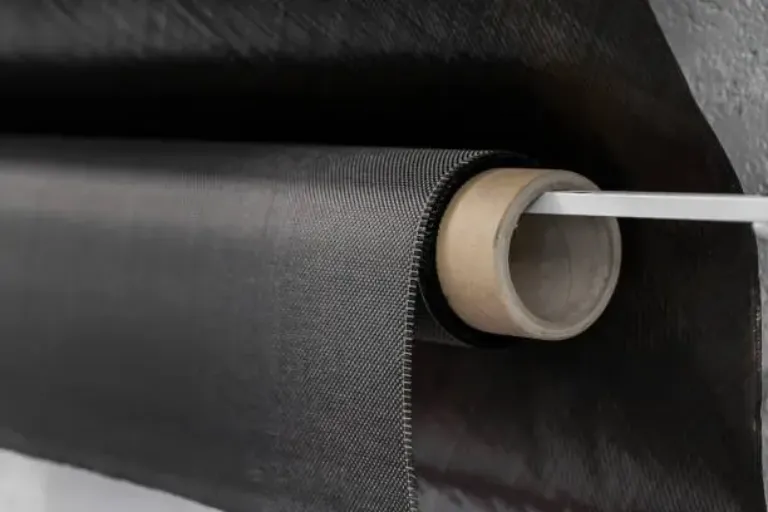
Carbon fiber and aluminum differ mainly in how their internal structures respond to load. Aluminum has relatively uniform properties in different directions, while carbon fiber is anisotropic and its performance depends on fiber orientation.
| Performance Factor | Alumínio | Fibra de Carbono |
|---|---|---|
| Força | Predictable performance across different loading directions | High strength-to-weight ratio with directional performance |
| Rigidez | Relatively uniform stiffness | High stiffness with performance influenced by fiber orientation |
| Peso | Lightweight compared with steel | Generally lower component weight |
| Load Response | Consistent under multi-directional loading | Can be optimized for specific load paths |
| Thermal Expansion | Higher and relatively uniform | Generally lower in the fiber direction |
| Flexibilidade de projeto | Well suited to established forming and machining | Fiber orientation can be tailored to the application |
| Manufacturing Sensitivity | Relatively stable through mature processes | More sensitive to lay-up, cura, and trimming |
Strength and Load Response
Aluminum provides predictable performance under multi-directional loads, while carbon fiber can be engineered around specific load paths. Its strength therefore depends on fiber orientation, laminate structure, and component design rather than the material name alone.
Stiffness and Structural Behavior
Carbon fiber offers a strong stiffness-to-weight advantage and allows fibers to be positioned according to the expected load direction. Aluminum provides more uniform mechanical behavior, making it easier to manage when loads come from multiple directions.
Weight Reduction and Thermal Stability in Automotive Parts
Carbon fiber can reduce component weight while maintaining high stiffness. It also generally has lower thermal expansion in the fiber direction, although actual dimensional behavior depends on laminate design, fiber orientation, and resin system.
Upgrade Your Catalog with OEM-Fit Dry Carbon
How Manufacturing Processes Affect Automotive Part Performance
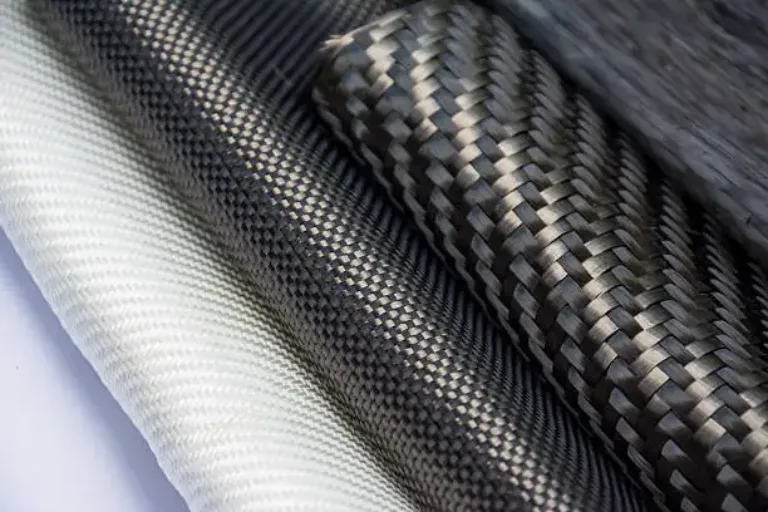
Manufacturing determines how consistently carbon fiber and aluminum become finished automotive components. Process control affects dimensions, estrutura, qualidade da superfície, montagem, and production consistency.
Aluminum Manufacturing: Stamping, Machining and Forming
Aluminum supports several established production methods, with each process suited to different automotive applications.
- Stamping and Forming: Efficient for repeat production and higher-volume automotive components.
- CNC Machining: Provides tighter dimensional control for complex shapes, bordas, and mounting points.
- Tooling Control: Helps maintain consistent geometry across repeated production cycles.
- Dimensional Inspection: Confirms that finished parts remain within the required manufacturing tolerance.
These mature processes allow aluminum parts to combine production efficiency with repeatable dimensions, especially when tooling and machining parameters remain stable.
Carbon Fiber Manufacturing: Lay-Up, Prepreg and Autoclave Molding
Carbon fiber requires more process control because manufacturers build its composite structure during production.
- Lay-Up: Determines fiber orientation and laminate structure, which influence directional stiffness and load response.
- Pré-impregnado: Provides controlled fiber and resin content for more consistent composite construction.
- Autoclave Molding: Uses controlled heat and pressure to consolidate the laminate and improve structural consistency.
- Process Control: Helps maintain stable dimensions and reduce variation between production batches.
Unlike aluminum, carbon fiber does not simply receive its final shape through forming. The manufacturing process actively creates the structure that gives the finished part its intended properties.
How Curing and CNC Trimming Affect Final Part Quality
Curing and CNC trimming connect the composite manufacturing process with the dimensional requirements of the finished automotive component.
| Manufacturing Factor | Effect on Carbon Fiber Parts | Importance for Automotive Components |
|---|---|---|
| Fiber Lay-Up | Controls fiber orientation and laminate structure | Influences stiffness and directional load response |
| Resin Distribution | Affects bonding between fiber layers | Supports structural consistency and surface quality |
| Autoclave Curing | Consolidates the laminate under controlled heat and pressure | Helps improve dimensional stability and reduce internal voids |
| CNC Trimming | Controls edges, openings, and mounting points | Supports accurate dimensions and OEM-level fitment |
| Inspeção de Qualidade | Identifies dimensional and surface variation | Helps maintain consistency between production batches |
Stable curing helps maintain the intended composite structure, while CNC trimming controls the final geometry. Together, these processes help ensure that carbon fiber automotive parts meet their required dimensions and fitment standards.
A carbon fiber part is not defined by the carbon fiber material alone. The manufacturing process determines how consistently that material becomes a usable automotive component.
Durability in Real Automotive Environments
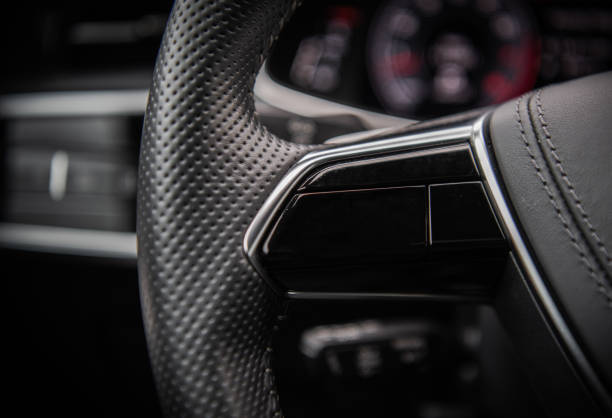
Automotive parts face heat, moisture, produtos químicos, sunlight, and repeated temperature changes. Material behavior and surface protection both influence long-term durability, aparência, e montagem.
Corrosion and Chemical Exposure
- Fibra de Carbono: Does not rust like aluminum or steel, but its resin matrix and surface coating can be affected by chemicals, moisture, and automotive fluids.
- Alumínio: Naturally forms a thin oxide layer that provides basic corrosion protection, although long-term resistance still depends on the alloy, surface condition, and protective treatment.
For exterior and high-exposure automotive components, suitable coatings and controlled finishing help protect both materials from long-term environmental damage.
Heat, Moisture and Temperature Cycling
- Fibra de Carbono: Thermal behavior depends on fiber direction, laminate construction, and resin system. Proper manufacturing helps maintain dimensional stability during repeated temperature changes.
- Alumínio: Expands and contracts more uniformly as temperature changes, which needs to be considered when the component requires tight dimensional tolerances.
- Moisture Protection: Carbon fiber composites rely on the resin system and surface finish to limit moisture exposure and maintain long-term appearance and performance.
For precision-fit aftermarket parts, manufacturers need to consider the complete material and production system rather than evaluating thermal behavior from the material name alone.
UV Protection and Surface Finish
- Fibra de Carbono: The carbon fibers themselves are not the main concern under UV exposure. The resin and surface finish require protection to reduce discoloration, gloss loss, and surface aging.
- Alumínio: Can use anodizing, paint, or other protective coatings depending on the application and required surface appearance.
- Clear Coating: A suitable clear coat helps protect visible carbon fiber surfaces while maintaining gloss and weave appearance.
For aftermarket automotive parts, acabamento superficial is therefore more than an appearance step. It also contributes to long-term product protection and customer satisfaction.
Carbon Fiber vs Aluminum Manufacturing Cost and Production Scale
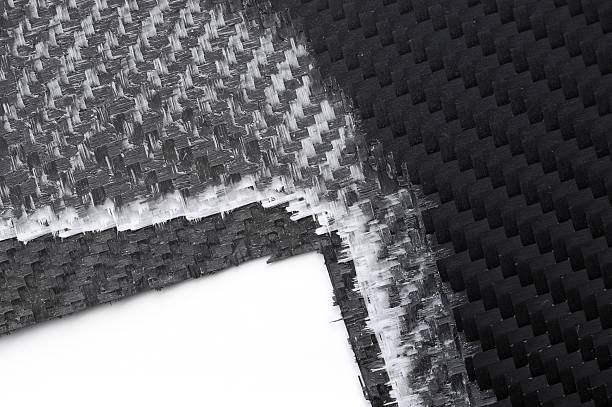
The cost difference between carbon fiber and aluminum depends on the complete manufacturing system, including material, ferramentas, labor, processing time, finishing, e volume de produção.
Material Cost vs Total Manufacturing Cost
A more useful cost evaluation considers the complete production workflow rather than raw material price alone.
Total Part Cost = Material + Tooling + Labor + Processing + Machining + Acabamento + Inspeção
- Fibra de Carbono: Lay-up, controlled curing, Corte CNC, and surface finishing can increase labor requirements and processing time.
- Alumínio: Established stamping, forming, and machining processes can provide higher production efficiency, particularly for larger volumes.
- Buyer Evaluation: The right material depends on the component design, production quantity, performance target, and required fitment—not material price alone.
Production Volume and Manufacturing Efficiency
Production volume has a direct effect on manufacturing economics.
- Alumínio: Stamping, forming, and machining can be optimized for high-volume production, allowing tooling and process efficiency to reduce unit cost as volume increases.
- Fibra de Carbono: More process-intensive production makes it well suited to specialized, premium, leve, and performance-focused components.
- Aftermarket Applications: Smaller carbon fiber production runs can remain practical when vehicle-specific fitment, lightweight construction, and product differentiation create additional value.
The best production method therefore depends on both the target market and the expected production scale.
When Manufacturing Precision Matters More Than Material Cost
The lowest material price does not always produce the lowest total cost. Poor dimensional accuracy can create additional costs after the part leaves the factory.
- Mau ajuste: Can require installation adjustments and additional labor.
- Dimensional Variation: Can create inconsistent customer experiences between production batches.
- Surface Defects: May result in rework, replacement, or quality complaints.
- Product Returns: Add logistics, inspeção, replacement, and customer service costs.
- Production Consistency: Helps distributors and automotive brands reduce quality-related costs over the product lifecycle.
For automotive distributors and aftermarket brands, total cost of ownership should therefore include fitment consistency, production reliability, inspeção, and potential return costs—not only the initial material price.
Why Manufacturing Precision Matters for Carbon Fiber Automotive Parts
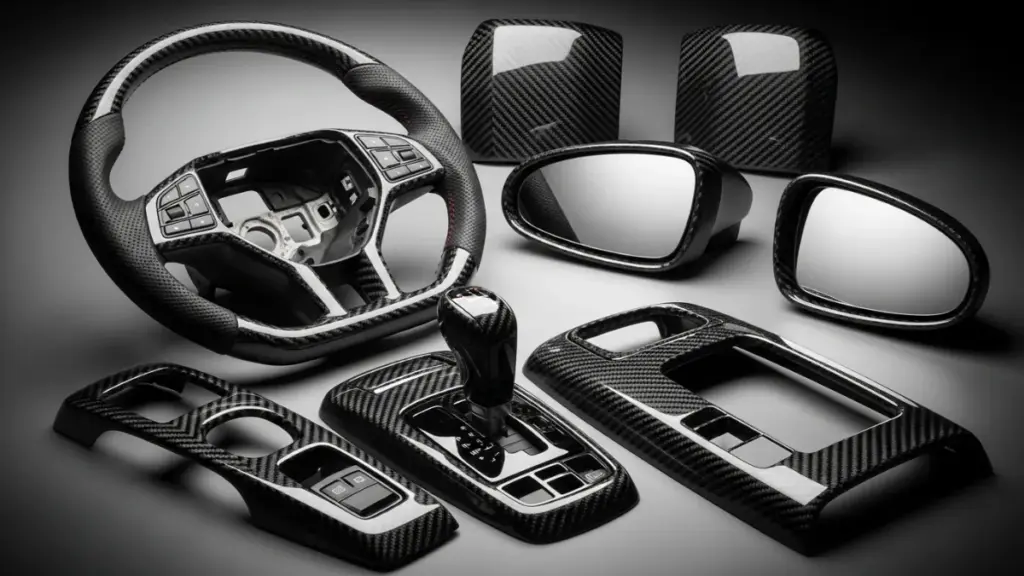
For precision aftermarket components, the manufacturing system determines whether the advantages of carbon fiber are delivered consistently from one production batch to another.
Precision Molding for Consistent Carbon Fiber Parts
Shasha Carbon uses imported Japan Toray 3K carbon fiber for its automotive accessories. Controlled lay-up helps maintain the intended fiber arrangement, while autoclave molding provides controlled temperature and pressure during curing.
This process helps create a dense and stable composite structure with consistent surface appearance and dimensional characteristics. Process control is particularly important for vehicle-specific components where the final geometry must match existing OEM mounting locations.
CNC Precision Cutting for OEM-Level Fitment
After molding, CNC precision cutting is used to control the final geometry of the component. CNC processing helps maintain consistent edges, openings, pontos de montagem, and other critical dimensions.
For aftermarket automotive parts, this step is directly related to installation quality. Accurate trimming reduces the need for manual adjustment and helps maintain consistent fitment across production batches.
From Carbon Fiber Material to Finished Automotive Component
A controlled production workflow connects material quality with finished-part performance:
Japan Toray 3K Carbon Fiber
- Lay-Up
- Autoclave Molding
- CNC Precision Trimming
- Acabamento superficial
- Inspeção de Qualidade
- OEM-Level Fitment
This approach allows Shasha Carbon to focus on precision carbon fiber interior and exterior automotive accessories rather than treating carbon fiber as only a visual upgrade. The combination of material selection, controlled molding, Usinagem CNC, finishing, and inspection helps support stable quality for aftermarket and OEM-fit applications.
Considerações Finais
Carbon fiber and aluminum each serve different roles in automotive parts manufacturing. Aluminum supports efficient, scalable production, while carbon fiber offers lower weight, high stiffness, and greater design flexibility. For automotive brands and distributors, carbon fiber vs aluminum should be evaluated through material performance, manufacturing precision, durabilidade, montagem, and total production cost rather than material price alone.
For businesses sourcing precision aftermarket components, Shasha Carbono combines Japan Toray 3K carbon fiber, controlled autoclave molding, and CNC precision cutting to produce stable, OEM-fit carbon fiber automotive parts. This manufacturing approach helps brands maintain consistent quality across vehicle-specific applications and long-term production programs.
Perguntas frequentes
Which automotive components are most suitable for carbon fiber upgrades?
Carbon fiber is most suitable for interior and exterior trim components where visual upgrade and weight reduction are both desirable. These typically include non-structural parts that allow flexibility in material substitution without affecting safety or load-bearing performance.
Can Aluminum parts be upgraded to carbon fiber without redesigning the vehicle?
Sim, many non-structural Aluminum or plastic components can be replaced with carbon fiber parts without affecting the vehicle’s core structure. No entanto, compatibility depends on accurate OEM data and precise manufacturing alignment.
Why do carbon fiber automotive parts vary so much in price?
Price differences come from production systems rather than material alone. Key factors include raw material grade, labor intensity, tooling precision, batch volume, and whether processes like autoclave curing and CNC finishing are used.
Why do two carbon fiber parts with the same material have different quality?
Because material is only one part of the final product. Differences usually come from manufacturing control, including molding method, curing stability, and CNC finishing accuracy. Poor process control can lead to inconsistent fitment even with high-grade carbon fiber.
What causes poor fitment in aftermarket carbon fiber components?
Fitment issues are often caused by dimensional deviation during production rather than installation errors. Inconsistent curing, weak tooling precision, or lack of OEM reference data during CNC trimming can all lead to misalignment during installation.