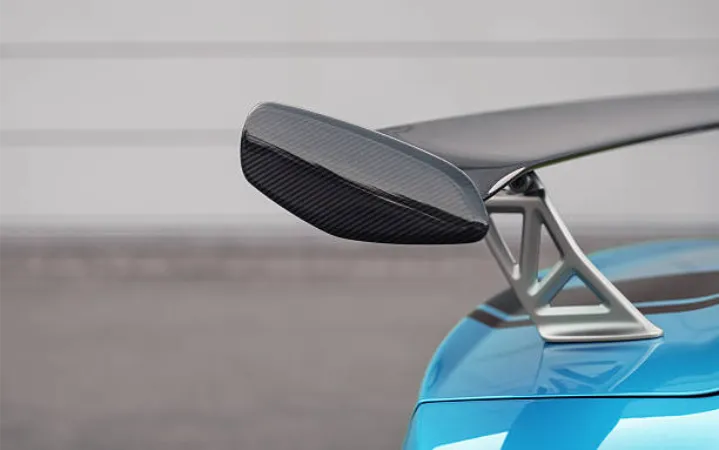
Poor fitment, unnecessary weight, and short product lifespan are common problems in automotive parts sourcing. Many buyers know carbon fiber offers performance advantages, but they are often unsure whether the higher cost translates into real engineering and commercial value.
This article helps clarify where carbon fiber outperforms traditional materials such as steel and aluminum, and where it may not. By understanding its impact on strength, durabilidade, qualidade de fabricação, and lifecycle performance, automotive brands and distributors can make more informed material and sourcing decisions.
What Carbon Fiber Is and How It Works
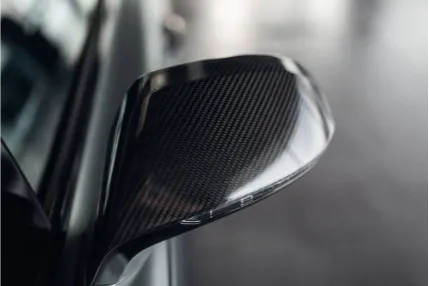
Carbon fiber is a composite material designed for structural performance in automotive engineering. It combines carbon filaments with a resin system to create a lightweight but highly controlled structure.
Ao contrário dos metais, its behavior does not come from a uniform internal grain. Instead, engineers define its performance through fiber layout, stacking direction, and curing conditions. This makes carbon fiber a design-controlled material, widely used in automotive components that require both strength and precision.
Material Structure and Composition
Carbon fiber is created by weaving fine carbon filaments into fabric forms such as plain weave or 3K twill. These fabrics are then combined with epoxy resin, which binds the fibers and allows loads to transfer across the structure.
The key value of this structure is not only strength, but also how each layer works together to form a stable composite system. The final performance depends on how fibers and resin interact during curing.
This structure allows engineers to balance reinforcement and stability in a controlled way, making it suitable for both structural and decorative automotive applications.
Fiber Orientation and Performance Control
One of the most important characteristics of carbon fiber is directional behavior. Ao contrário dos metais, it does not perform equally in all directions, which gives engineers more control over design outcomes.
By adjusting fiber orientation, engineers can guide how the material reacts under load:
- Strength Direction: Load resistance can be aligned with stress paths
- Stiffness Distribution: Different areas can be reinforced selectively
- Flexibility Control: Low-stress zones can remain more adaptable
This level of control makes carbon fiber especially useful in automotive parts where geometry and load conditions vary within the same component.
Engineered Nature of Carbon Fiber
Carbon fiber is best understood as a process-driven engineering system rather than a fixed material. Its performance depends heavily on how it is produced, especially during layup design and curing control.
Even small changes in manufacturing can affect final quality:
- Structural Strength: Improper curing can reduce load performance
- Surface Consistency: Fiber alignment affects weave appearance
- Durability Stability: Internal voids influence long-term reliability
Because of this, high-quality carbon fiber parts rely not only on raw materials, but also on strict process control such as autoclave curing and precision molding systems.
Strength and Stiffness Advantages
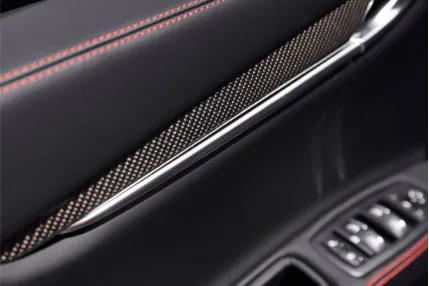
In automotive engineering, strength and stiffness define how a material responds under load, especially when reducing weight is a key design target. Carbon fiber provides high structural efficiency by combining low mass with strong directional reinforcement.
Ao contrário dos metais, its mechanical behavior depends on fiber architecture rather than bulk density, which allows engineers to design more optimized structural systems.
High Strength vs Traditional Metals
Carbon fiber offers very high tensile strength relative to its weight, which allows it to carry significant loads without increasing structural mass. This is fundamentally different from traditional metals, where strength is usually linked with higher density and weight.
In comparison with steel and aluminum, carbon fiber achieves strength through fiber reinforcement rather than bulk material volume. This changes how automotive engineers approach lightweight design.
This difference can be understood clearly in the following comparison:
| Material | Strength Mechanism | Weight Impact | Engineering Role |
|---|---|---|---|
| Fibra de Carbono | Fiber-based reinforcement structure | Very low mass | High-performance lightweight components |
| Aço | Density-based bulk strength | High mass | Structural load-bearing systems |
| Alumínio | Moderate structural strength | Medium mass | Balanced lightweight applications |
Stiffness-to-Weight Performance
The key advantage of carbon fiber is its stiffness-to-weight ratio, which means it delivers high rigidity without relying on added mass. Instead of increasing thickness or density, stiffness is achieved through fiber alignment and composite layering.
This structure allows engineers to design lightweight components that remain stable under load. It improves structural efficiency while maintaining consistent performance in dynamic driving conditions.
Como resultado, carbon fiber is widely used in automotive parts that require high rigidity, precise geometry, e baixo peso.
Structural Load Stability
Carbon fiber responds differently to mechanical load compared to metals. Instead of gradually deforming like steel, it maintains rigidity until it reaches its structural limit.
Because of this behavior, engineers must define load paths during the design stage rather than relying on material deformation after production. Force distribution inside the composite structure must be carefully controlled to ensure predictable performance.
This makes carbon fiber suitable for applications where load direction is fixed and structural response must remain consistent, such as precision automotive components and structural trim parts.
Elevate Your Inventory with Precision Carbon

Lightweight and Efficiency Benefits
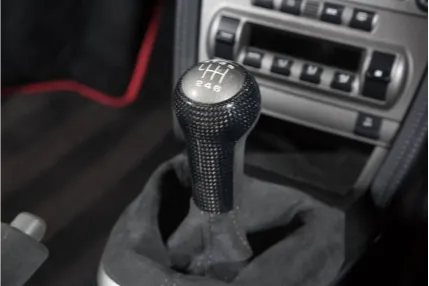
Weight reduction plays a central role in modern automotive design, especially as vehicles move toward electrification. Reducing mass improves not only performance but also energy efficiency and system optimization across the entire vehicle.
Carbon fiber supports this goal by delivering high mechanical performance at significantly lower weight compared to traditional metals.
Vehicle Weight Reduction Impact
Carbon fiber reduces vehicle mass significantly, often by 40–70% depending on the application. Instead of relying on structural thickness, engineers achieve strength through fiber reinforcement and composite design.
This weight reduction directly improves overall vehicle dynamics. Lower mass allows the vehicle to respond faster and operate more efficiently under acceleration, braking, and steering conditions.
Como resultado, driving performance becomes more stable and predictable, especially in performance-oriented automotive systems.
EV Range and Fuel Efficiency
In electric vehicles, weight has a direct impact on energy consumption. Heavier structures require more battery power to maintain the same level of performance, which reduces overall driving range.
By using carbon fiber, manufacturers can improve energy efficiency at a system level. This is especially important in EV platforms where every reduction in mass contributes to extended range and optimized power usage.
Key system-level improvements include:
- Energy Consumption: Lower vehicle mass reduces battery load requirements
- Driving Range: Improved efficiency extends EV range per charge
- System Efficiency: Better energy-to-performance conversion across driving cycles
Material Comparison Overview
To better understand the efficiency advantage, the table below compares it with common automotive materials such as aço e alumínio:
| Material | Weight Level | Strength Efficiency | Automotive Role |
|---|---|---|---|
| Fibra de Carbono | Muito baixo | Very high | Performance and lightweight structural design |
| Aço | Alto | High but weight-intensive | Structural safety and crash protection |
| Alumínio | Médio | Balanced | Lightweight metal alternative |
Durability and Environmental Resistance
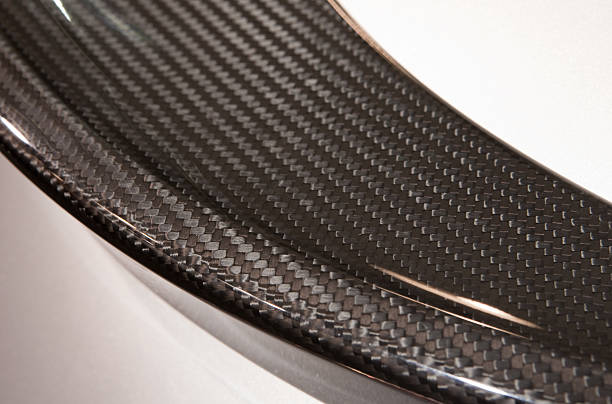
Durability is one of the key advantages of this material, particularly in environments exposed to moisture, produtos químicos, and long-term mechanical stress. Ao contrário dos metais, it does not rely on protective oxidation layers to maintain stable performance.
Its composite structure gives it inherent resistance to environmental degradation, which helps maintain stable performance over long service life.
Corrosão e Resistência Química
Carbon fiber is a non-metallic composite, so it does not rust or oxidize under environmental exposure. This gives it a clear advantage in automotive environments where moisture and chemicals are unavoidable.
It performs reliably in conditions such as humid climates, road salt exposure, and contact with common automotive chemicals like oils and cleaning agents. Ao contrário dos metais, it does not require continuous surface protection to maintain stability.
This inherent resistance reduces material degradation at the surface level and helps preserve structural consistency over time.
Fatigue Performance vs Metals
Under repeated mechanical stress, carbon fiber behaves differently from metals. Steel gradually deforms over time due to fatigue accumulation, while carbon fiber maintains structural stability within its designed load range.
No entanto, this performance depends heavily on engineering design. Load direction, fiber orientation, and safety margins must be defined during manufacturing to ensure predictable behavior.
- Load Stability: Maintains structural performance under repeated designed cycles
- Design Sensitivity: Requires accurate engineering of load paths and fiber alignment
This makes carbon fiber highly reliable in controlled automotive applications where stress conditions are well defined.
Long-Term Structural Reliability
When properly manufactured, carbon fiber maintains stable structural performance over long service life without corrosion-related degradation. This helps ensure consistent quality even in demanding automotive environments.
Ao contrário dos metais, which often require coatings or repairs to manage surface damage, carbon fiber retains its structural and visual integrity with minimal maintenance requirements.
Como resultado, it delivers long-term stability in both functional and aesthetic applications, especially in components that must maintain appearance and precision fitment over time.
Design Freedom and Interior Applications
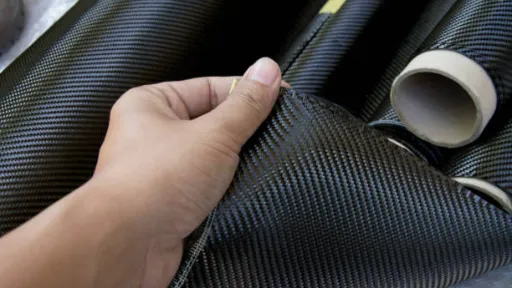
Carbon fiber is not only a structural material but also a design-driven solution widely used in automotive styling. Its composite nature allows engineers and designers to combine functional performance with visual expression in a single material system.
This makes it especially valuable in both interior e exterior automotive applications where aesthetics and efficiency must work together.
Complex Geometry and Mold Flexibility
Carbon fiber can be formed into complex geometries that are difficult to achieve with traditional metals. Because it is built through layered composites rather than stamping, engineers have greater control over shape and structure.
This flexibility supports modern automotive design requirements such as aerodynamic optimization and lightweight structural integration. It allows parts to maintain strength while adopting more advanced and refined surface shapes.
Como resultado, carbon fiber is widely used in components where both function and form are equally important.
Surface Finishes and Aesthetic Options
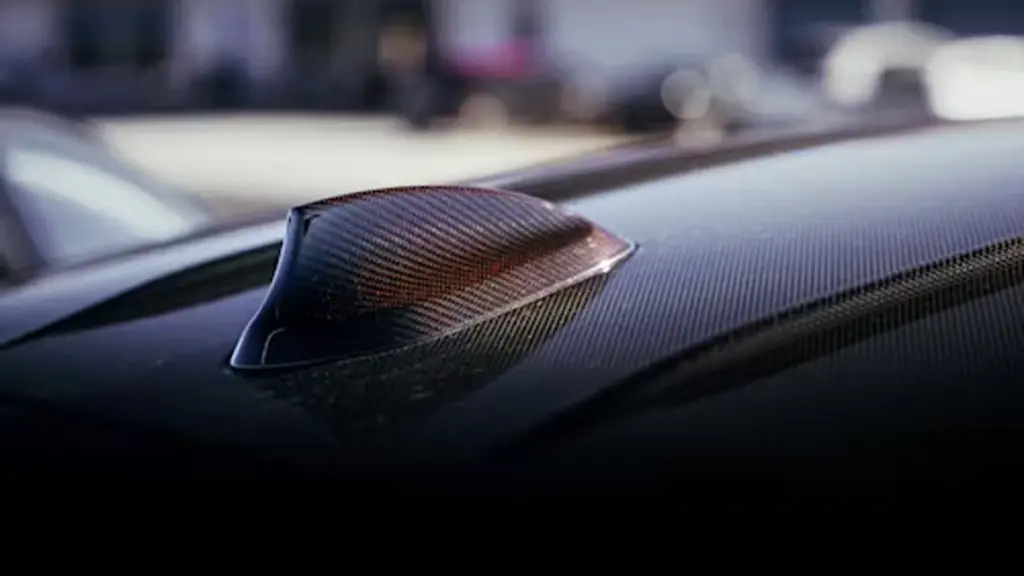
One of the key advantages of carbon fiber is its visible woven structure, which naturally creates a high-performance visual identity. Different finishing processes further enhance its appearance and surface protection.
Common surface treatments include:
- 3K Twill Weave: Standard performance pattern with strong visual depth
- Matte Finish: Reduces reflection for a subtle technical look
- UV Gloss Coating: Protects surface while enhancing deep weave clarity
These finishes allow carbon fiber components to match different vehicle interior and exterior styling requirements while maintaining material integrity.
Interior and Trim Applications
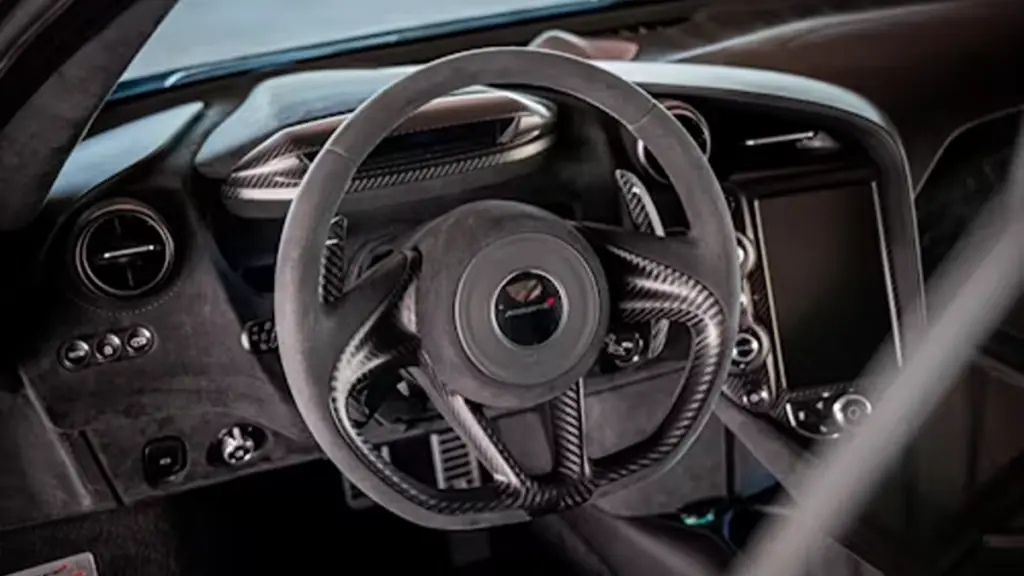
Carbon fiber is widely used in automotive interior and trim components because it balances lightweight structure with premium visual appeal. It does not only improve appearance but also enhances material consistency across different cabin zones.
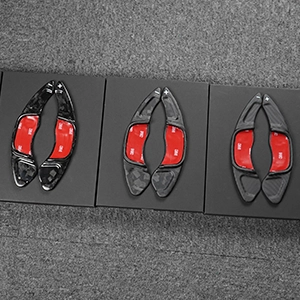
Typical applications include dashboard trims, painéis de console central, door inserts, and steering wheel accents. These parts benefit from carbon fiber’s combination of rigidity, baixo peso, and surface durability.
In modern vehicle design, carbon fiber helps create a more unified and high-end interior experience without adding unnecessary mass to the vehicle.
Custo, Manufacturing and Lifecycle Value
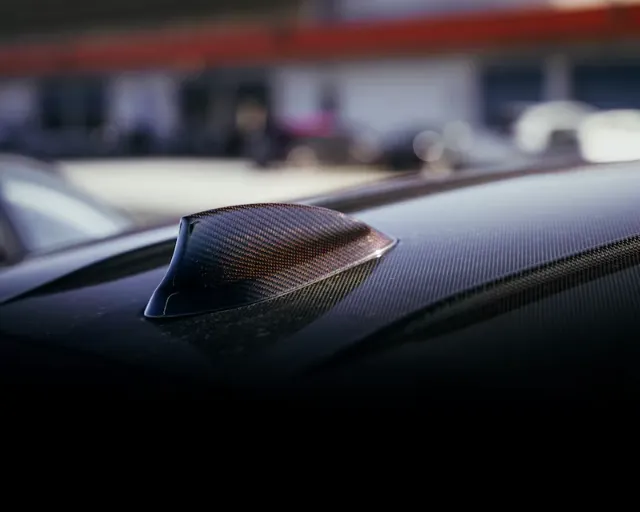
Although carbon fiber requires a higher initial investment compared to traditional materials, its real value is defined by long-term performance, manufacturing precision, and lifecycle efficiency. For automotive applications, cost evaluation must consider not only production price but also durability, maintenance, and operational impact over time.
This is why carbon fiber is increasingly selected in OEM and performance-focused vehicle programs where long-term value outweighs upfront cost.
Autoclave Manufacturing Process
Carbon fiber components are produced through a controlled manufacturing system that directly determines structural quality and surface consistency. Unlike metal forming, performance is built into the material during production rather than shaped afterward.
The process typically includes prepreg preparation, layer-by-layer layup, and autoclave curing under high temperature and pressure. This controlled environment ensures stable fiber alignment and resin distribution throughout the part.
The result of this process includes:
- Structural Density: High compression reduces internal voids and weak points
- Material Stability: Layer bonding improves long-term mechanical reliability
- Quality Consistency: Controlled curing ensures repeatable OEM-grade output
This manufacturing method is critical for ensuring that carbon fiber components meet automotive durability and precision requirements.
CNC Precision and OEM Fitment
After molding, CNC machining plays a key role in achieving final dimensional accuracy. It ensures that every edge, curve, and mounting point aligns precisely with original vehicle specifications.
This step is essential because even small dimensional deviations can affect installation quality and structural alignment in automotive applications.
Key outcomes include:
- OEM Fitment Accuracy: Parts align directly with factory mounting positions
- Installation Efficiency: Reduces adjustment time during assembly
- Production Reliability: Minimizes human error in finishing processes
Together, autoclave molding and CNC finishing create a manufacturing system that supports consistent high-precision automotive components.
Lifecycle Cost vs Long-Term Value
While steel and other traditional materials often provide lower initial cost, carbon fiber delivers stronger lifecycle value when performance and durability are considered over time.
Its lightweight nature reduces energy consumption, especially in performance and electric vehicle applications. Ao mesmo tempo, carbon fiber does not rust or suffer from corrosion-related degradation, which helps reduce maintenance requirements throughout its service life.
From a lifecycle perspective, carbon fiber offers:
- Energy Efficiency Gains: Reduced vehicle mass improves long-term fuel or battery efficiency.
- Lower Maintenance Demand: Resistance to rust and corrosion helps reduce repair and replacement frequency.
- Extended Service Life: Stable structural performance supports long-term reliability under normal operating conditions.
This makes carbon fiber a strategic material choice for manufacturers focusing on long-term value rather than only upfront cost control.
Perguntas frequentes
Which automotive parts benefit most from carbon fiber?
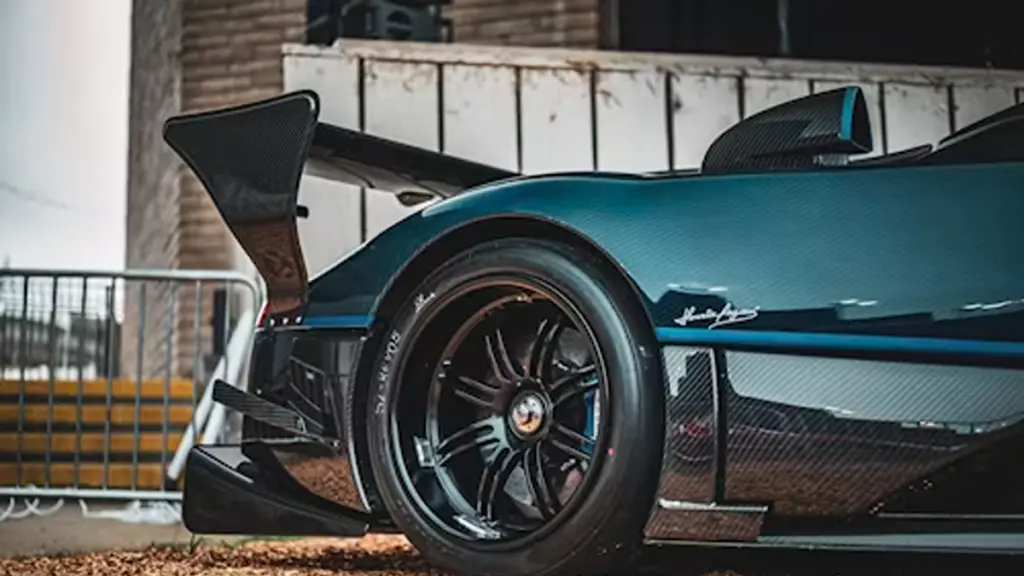
Carbon fiber delivers the greatest value in parts where lightweight construction, rigidez, and appearance are important. Common applications include interior trims, consoles centrais, steering wheel components, capas de espelho, spoilers, and other precision automotive accessories.
Does carbon fiber improve fuel economy or performance?
It improves both. By reducing a vehicle’s overall weight, carbon fiber can boost fuel efficiency significantly. This same weight reduction also enhances performance, leading to better acceleration, manuseio, and braking. Its design flexibility also allows for more aerodynamic shapes that reduce drag.
What are the main drawbacks of carbon fiber?
The biggest drawback is cost, as it is much more expensive to produce than steel or aluminum. It can also be brittle, cracking under sharp impacts instead of bending like metal. Repairs require specialized knowledge and can be costly. The manufacturing process is also more energy-intensive compared to traditional metals.
How does manufacturing quality affect carbon fiber performance?
The final performance of carbon fiber depends not only on the raw material but also on the production process. Factors such as fiber alignment, resin control, curing conditions, and machining accuracy directly influence structural strength, acabamento superficial, e durabilidade a longo prazo.
What should buyers evaluate when sourcing carbon fiber automotive parts?
Beyond material specifications, buyers should evaluate manufacturing methods, precisão de montagem, quality consistency, surface finish standards, and supplier production capabilities. Reliable suppliers provide stable quality across batches and maintain consistent dimensional accuracy for every component.
Considerações Finais
Carbon fiber delivers a strong advantage in modern automotive materials, especially when engineers prioritize weight reduction, stiffness efficiency, and long-term structural stability. Compared to traditional materials such as steel and aluminum, fibra de carbono allows a more efficient balance between performance, durabilidade, and design flexibility in automotive applications where precision and efficiency are critical.
No Shasha Carbono, we apply these material advantages through OEM-grade production systems built around prepreg layup, autoclave molding, and CNC precision finishing. Every fibra de carbono component is designed to ensure stable fitment, consistent quality, and reliable long-term performance, supporting automotive partners who require both engineering accuracy and production stability.