

| Criteria | Pièces en fibre de carbone | Pièces en aluminium |
|---|---|---|
| Force | Tensile strength: ~3,500 MPa | Tensile strength: ~250-350 MPa |
| Durabilité | Highly durable, resistant to corrosion, but more susceptible to impact damage | Highly durable, resistant to corrosion, but may dent or scratch easily |
| Poids | ~40-50% lighter than aluminum parts | Lighter than steel but heavier than carbon fiber |
| Entretien et réparation | More complex to repair, costs range from $500-$2,000 per repair | Easier to repair, cost-effective, and widely available |
| Coût | 3 to 5 times more expensive (e.g., carbon fiber hood: $1,500-$2,000) | More cost-effective (e.g., aluminum hood: $400-$800) |
| Disponibilité | Less available in large quantities, can be challenging to source | Widely produced and readily available for mass production |
| Density | 1.6 g/cm³ | 2.7 g/cm³ |

source : pinterest
As cars continue to evolve, so do the materials used to make them. Car part materials play a crucial role in the overall performance and appearance of a vehicle. Two popular materials used for car parts are carbon fiber and aluminum.
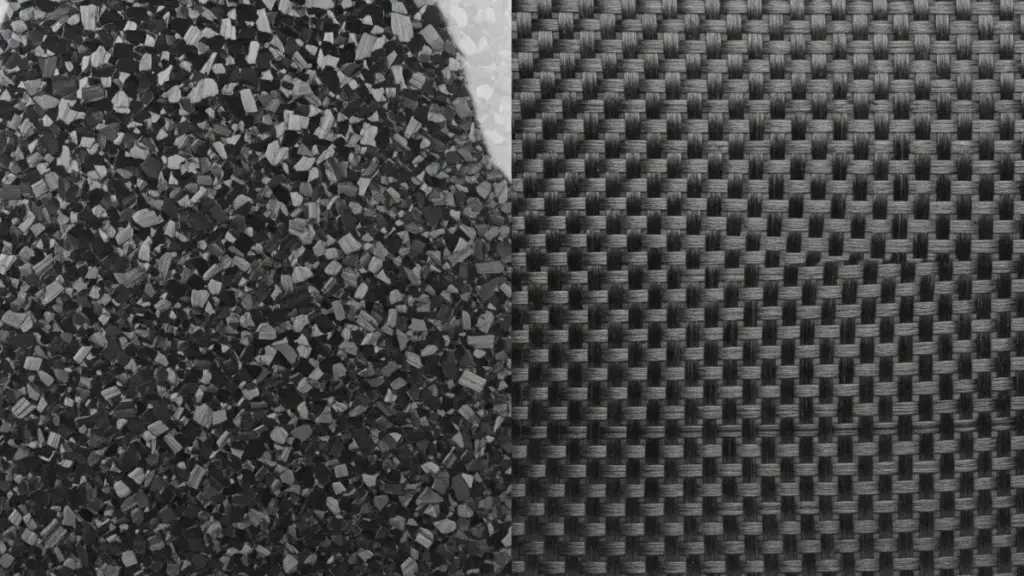
Carbon fiber is a composite material made of carbon fibers and resin. It has become increasingly popular in recent years, mainly due to its impressive strength to weight ratio. Aluminum, on the other hand, is a lightweight and durable metal that has been used in car manufacturing for many years.
Dans cet article, nous explorerons les différences entre pièces en fibre de carbone et des pièces en aluminium pour voitures et quelle est la meilleure option pour votre voiture.
Pièces automobiles en fibre de carbone

source : pinterest
Carbon fiber is known for its remarkable strength and lightweight nature, making it an ideal material for car parts.
Dans cette section, nous explorerons les avantages de l’utilisation de pièces automobiles en fibre de carbone, les types de pièces extérieures de voiture et pièces intérieures de voiture fabriqué en fibre de carbone.
Avantages des pièces automobiles en fibre de carbone
The primary advantage of carbon fiber car parts is their lightweight nature, which leads to improved fuel efficiency and vehicle performance. Carbon fiber parts are also highly durable, resistant to rust and corrosion, and have excellent thermal and acoustic insulation properties.
Disadvantages of Carbon Fiber Car Parts
One major disadvantage of carbon fiber car parts is their high cost, typically 3 to 5 times more expensive than aluminum. Additionally, carbon fiber is more prone to cracking on impact, making repairs complex and expensive compared to more durable materials like aluminum.
Pièces extérieures de voiture en fibre de carbone
Les pièces extérieures de voiture en fibre de carbone, telles que les capots, les spoilers, les pare-chocs et les jupes latérales, améliorent non seulement l'esthétique de la voiture, mais peuvent également améliorer les performances en réduisant la résistance au vent.
Pièces intérieures de voiture en fibre de carbone
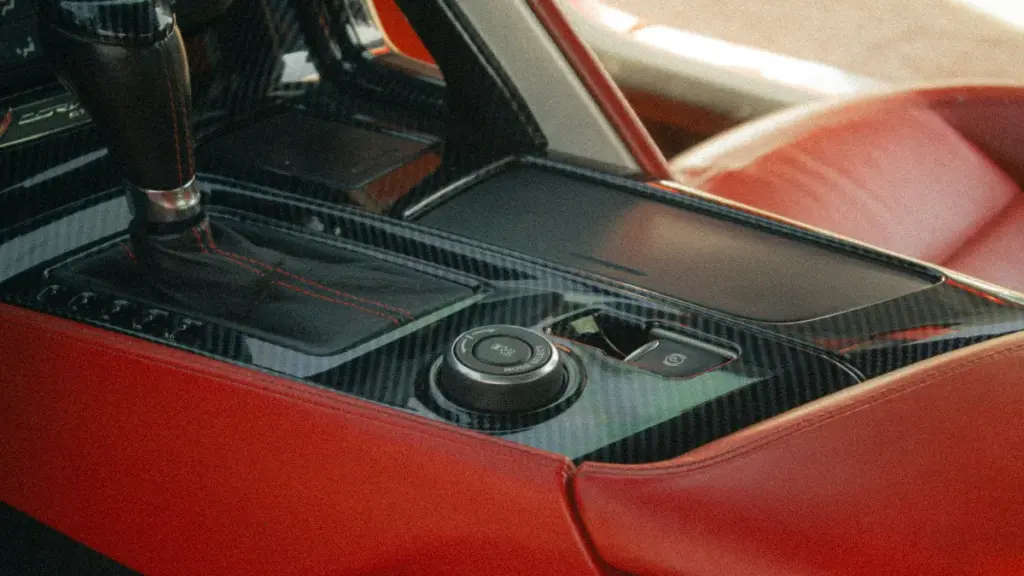
Pièces intérieures de voiture en fibre de carbone, telles que garniture du tableau de bord, les panneaux de porte et les sièges baquets de course ajoutent un look élégant et moderne à l'intérieur de la voiture tout en réduisant le poids total du véhicule.
Il convient de noter que les pièces en fibre de carbone sont généralement plus chères que l'acier ou l'aluminium et que la disponibilité peut varier en fonction de la fabricant.
Pièces automobiles en aluminium

source : pinterest
Aluminum is a lightweight metal that has been used in the manufacturing of car parts for decades. Its popularity stems from its high strength-to-weight ratio, corrosion resistance, and thermal conductivity.
Dans cette section, nous explorerons les avantages de l’utilisation de l’aluminium pour les pièces automobiles et ses applications dans la conception extérieure et intérieure des voitures.
Avantages des pièces automobiles en aluminium
Aluminum is a silvery-white and soft metal that is abundantly found in the earth’s crust. Due to its natural abundance and unique properties such as lightweight, durability, and corrosion resistance, aluminum has become a popular choice in the production of car parts. These properties help to improve fuel economy, performance, and strength of the vehicle’s components.
Disadvantages of Aluminum Car Parts
One drawback of aluminum car parts is their susceptibility to dents and scratches, which can affect their appearance and integrity. While aluminum is corrosion-resistant, it can still weaken over time when exposed to extreme conditions, especially in high-stress areas. Additionally, aluminum parts may not offer the same strength-to-weight ratio as carbon fiber in certain performance applications.
Pièces extérieures de voiture en aluminium
Aluminum can be used to construct various car exterior parts, including car frames, body panels, wheels, suspension, and powertrain components. When used for exterior design, aluminum parts can enhance a car’s style, performance, and fuel efficiency. For example, aluminum hoods and doors can significantly reduce vehicle weight, thereby improving acceleration, handling, and fuel economy.
Pièces intérieures de voiture en aluminium
In the interior, aluminum parts such as instrument panels, door panels, and steering wheels can create a stylish and sleek design while being lightweight and durable. Aluminum interiors not only look great, but also add a touch of luxury and sophistication to any car. Additionally, aluminum floor panels and roof structures can contribute to overall weight reduction and improve fuel economy.
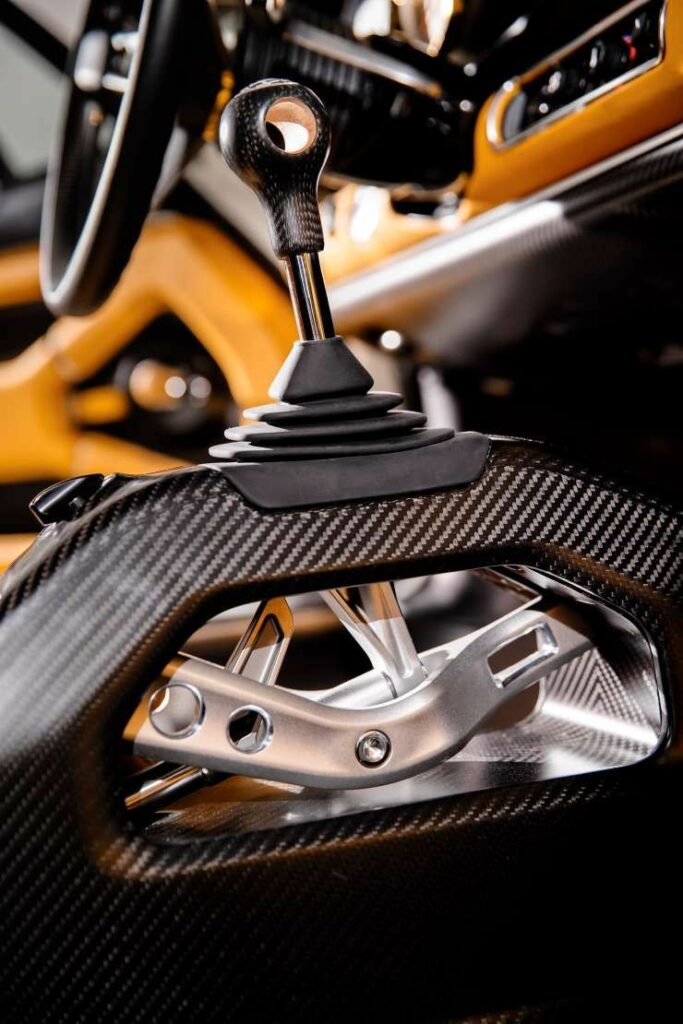
Fibre de carbone VS. Aluminium
source : pinterest
Both carbon fiber and aluminum are popular materials for car parts, known for their high strength and light weight.
Dans cette section, nous comparerons les deux matériaux en termes de résistance et de durabilité, de poids et de performances, de considérations d’entretien et de réparation, ainsi que de coût et de disponibilité.
Résistance et durabilité
Carbon fiber is stronger than aluminum due to its unique composition of interlacing fibers, offering a tensile strength of around 3,500 MPa, compared to aluminum’s 250-350 MPa. However, aluminum also exhibits high tensile strength and can withstand significant physical stress without compromising its structural integrity. Both materials are resistant to rust and corrosion, which makes them ideal for car parts.
Poids et performances
Carbon fiber parts are lighter than aluminum parts. Carbon fiber has a density of 1.6 g/cm³, while aluminum has a density of 2.7 g/cm³, making carbon fiber roughly 40-50% lighter. This weight reduction translates into improved acceleration, handling, and fuel efficiency. However, aluminium parties peuvent également contribuer aux performances car ils sont plus légers que les composants traditionnels en fer ou en acier.
Considérations relatives à l'entretien et à la réparation
Carbon fiber parts are more susceptible to damage from impacts and abrasion, which can compromise their structural integrity. Repairing carbon fiber is more complex and often requires specialized techniques, with repair costs ranging from $500 to $2,000. On the other hand, aluminum parts are easier to repair and maintain since they are more common and can be more easily serviced.
Coût et disponibilité
Carbon fiber parts are typically more expensive than aluminum, often costing 3 to 5 times more. For example, a carbon fiber hood may cost $1,500-$2,000, while an aluminum hood ranges from $400 to $800. The specialized manufacturing process and limited availability of carbon fiber contribute to its higher cost. Aluminum, by comparison, is more widely produced, more affordable, and more cost-effective for mass production.
Density
The density of carbon fiber is approximately 1.6 g/cm³, whereas aluminum has a higher density of 2.7 g/cm³. This difference in density plays a crucial role in weight reduction, with carbon fiber providing a more significant reduction in overall vehicle weight, leading to improved fuel economy and performance.
Globalement, la fibre de carbone et l'aluminium présentent chacun leurs atouts et leurs spécificités lorsqu'ils sont utilisés dans les pièces automobiles. Le choix entre ces deux matériaux dépendra des exigences spécifiques et des besoins principaux du véhicule, ainsi que du budget et de la disponibilité des pièces.
Is Carbon Fiber Better Than Aluminum?
The answer depends on the specific needs of the vehicle. Carbon fiber offers superior strength-to-weight ratio, making it ideal for high-performance applications, especially in racing or luxury sports cars where weight reduction and strength are critical. It is also more durable and resistant to corrosion than aluminum. However, carbon fiber comes at a significantly higher cost and is more challenging to repair, often requiring specialized expertise.
In contrast, aluminum is more affordable, easier to maintain, and widely available. While it’s not as strong or lightweight as carbon fiber, it still provides a solid performance boost over traditional materials like steel and is suitable for a broad range of automotive applications.
Ultimately, whether carbon fiber or aluminum is better depends on your performance needs, budget, and the specific requirements of the vehicle.
Conclusion

source : pinterest
To summarize, carbon fiber and aluminum are both strong and lightweight materials for car parts. Carbon fiber provides exceptional weight reduction and performance, while aluminum is cost-effective and easier to maintain. Choose the right material for your car parts based on specific needs, budget, and availability. As technology advances, new materials will likely be developed to improve vehicle capabilities and efficiency.
FAQS
Is carbon fiber stronger than aluminum?
Yes, carbon fiber is stronger than aluminum in terms of tensile strength. It offers superior strength-to-weight ratio, making it ideal for high-performance applications where weight reduction is crucial.
Is carbon fiber the strongest metal?
No, carbon fiber is not a metal. It is a composite material made of carbon fibers and resin, which provides exceptional strength and rigidity, but it’s not classified as a metal.
Why is carbon fiber so special?
Carbon fiber is valued for its lightweight nature, high strength, and resistance to corrosion. It’s also highly durable and offers excellent performance in demanding applications like automotive and aerospace industries.
Does carbon fiber break easily?
Carbon fiber is strong but can be brittle. It’s prone to cracking or shattering on impact, unlike metals that tend to bend. It’s especially vulnerable in low-speed collisions.
How long do carbon fiber car parts last?
Carbon fiber car parts can last a long time, typically 10-15 years or more, depending on exposure to environmental factors. Proper care and maintenance can extend their lifespan significantly.
Is aluminum cheaper than carbon fiber?
Yes, aluminum is generally much cheaper than carbon fiber. Aluminum parts are more cost-effective due to simpler manufacturing processes and the widespread availability of the material.

 French
  English
  Arabic
  German
  Hindi
Hindi  Italian
  Japanese
  Korean
  Portuguese
  Russian
  Spanish