

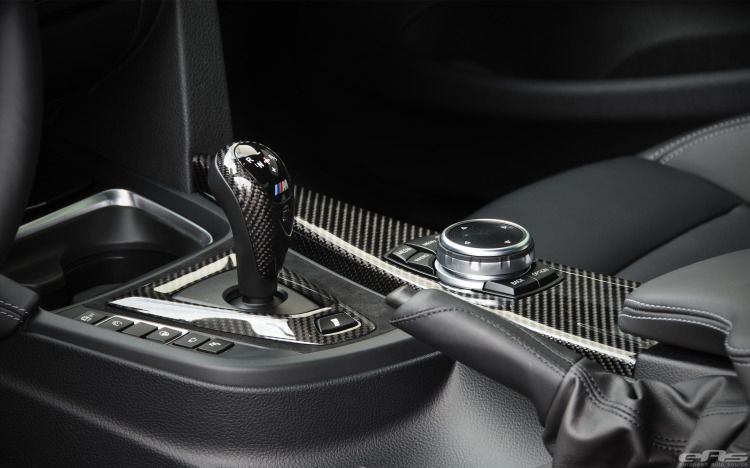
fuente: pinterest
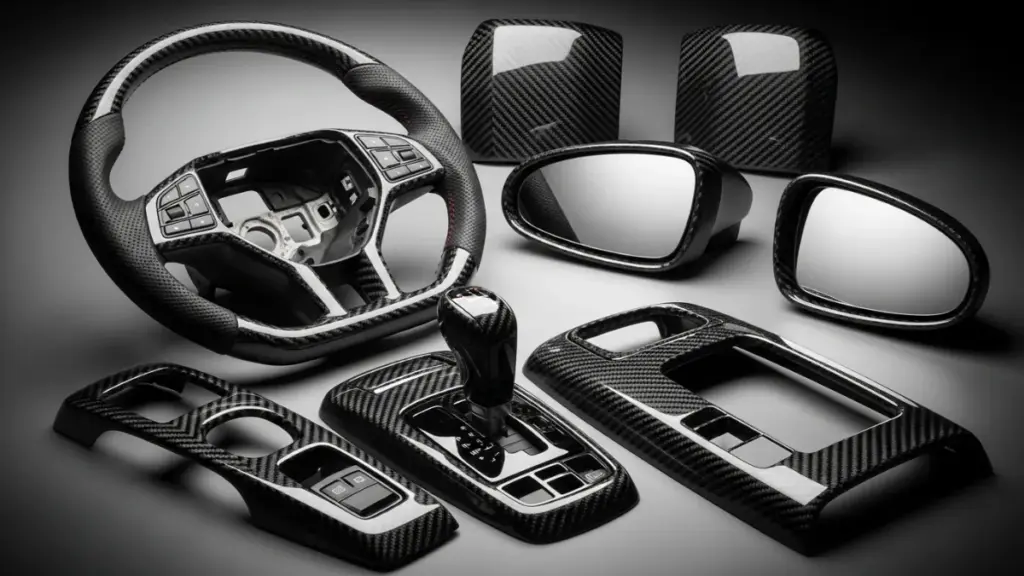
The automotive industry is increasingly turning to carbon fiber for its exceptional strength-to-weight ratio, driving a trend toward lighter, stronger car parts. As demand for high-performance and visually striking vehicles grows, understanding the materials used in production has become more important.
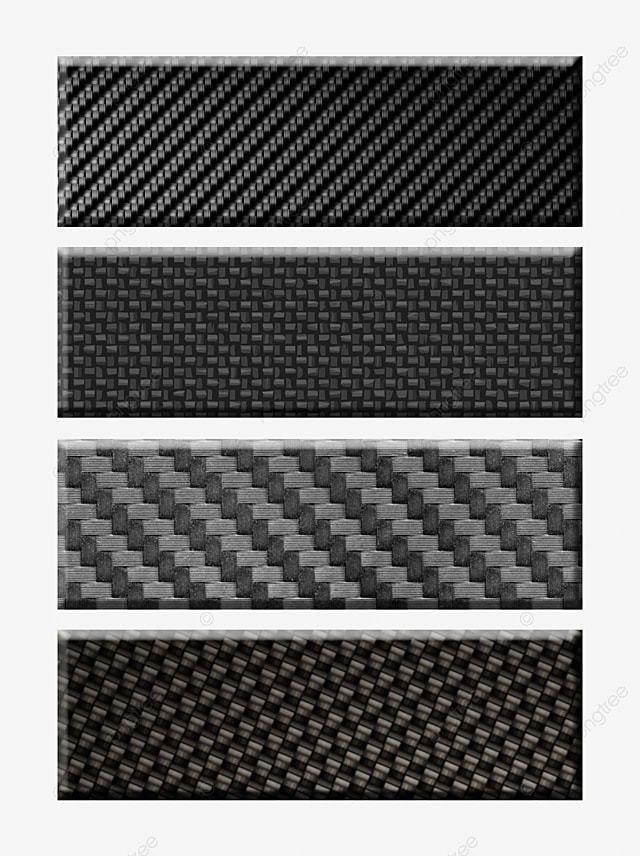
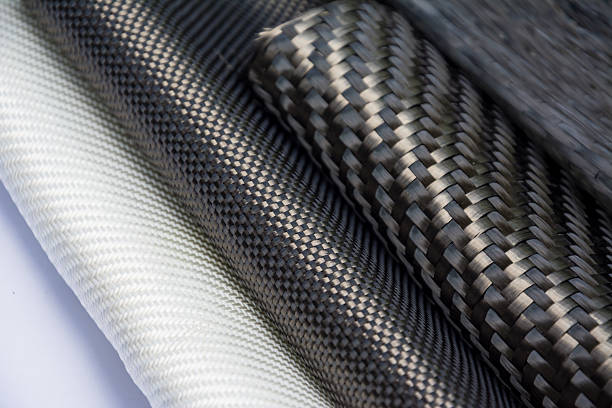
Carbon fiber is a lightweight, high-strength material used in various car parts. Common carbon fiber weave patterns include plain weave, twill weave, and satin weave. Plain weave is basic and cost-effective, while twill weave offers enhanced strength and durability. Satin weave is known for its glossy finish and aesthetic appeal.
This article will dive into these different carbon fiber weave types, exploring their characteristics, applications in car parts, and how they impact the performance and appearance of automotive components.
Common Carbon Fiber Weave Types
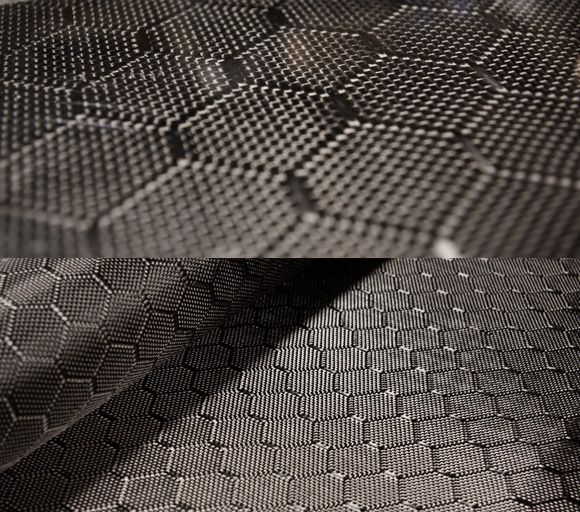
fuente: pinterest
fabricantes de fibra de carbono Utilizamos diversos patrones de tejido para crear piezas de automóviles. Los más comunes son el tejido liso, el de sarga y el de satén.
Tejido liso
The plain weave (1×1 weave) is the simplest carbon fiber pattern, where fibers are arranged in a checkerboard-like configuration through an under/over motion. This tight weave creates a stable and durable fabric but lacks the flexibility needed for curved surfaces.
While not as strong or stiff as more complex weaves, it is lightweight, cost-effective, and easy to handle, making it ideal for applications where strength is not a primary concern.
Common Uses of Plain Weave Carbon Fiber:
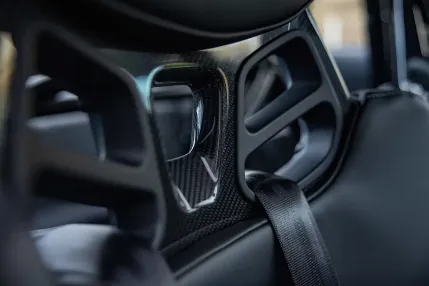
- Automotive Parts: Seat backs, speaker grills, dashboard trim, and other cosmetic interior components.
- Consumer Goods: Phone cases, laptop shells, and sporting equipment (e.g., bicycle frames).
- Aerospace Components: Non-structural parts like cabin panels.
Tejido de sarga
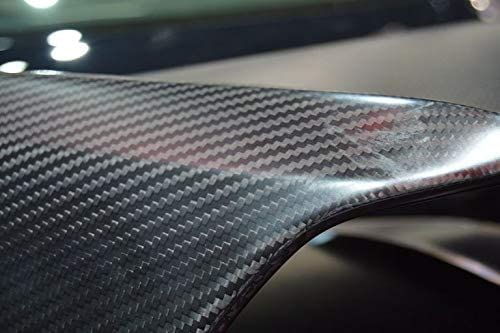
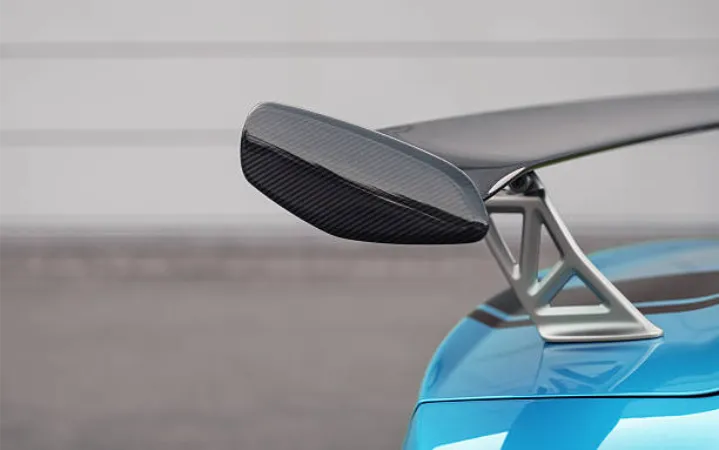
The twill weave is a diagonal carbon fiber pattern used in carbon fiber fabricación for its enhanced strength and performance. The diagonal fiber arrangement distributes forces more evenly, providing better stiffness and durability than plain weave carbon fiber, making it ideal for parts exposed to external stresses like impacts and high speeds. Despite its strength, the twill weave remains lightweight, making it suitable for automotive parts that require both strength and weight reduction, such as fenders and hoods.
While the twill weave excels in durability, it is less flexible than other carbon fiber weave types like plain weave, limiting its use in applications that require more flexibility. However, its balance of strength and weight makes it a popular choice in performance-oriented applications.
Common Uses of Twill Weave Carbon Fiber:
- Automotive Parts: Commonly used in hoods, fenders, spoilers, and engine covers, where additional strength, stiffness, and performance are critical.
- Racing and Sports Cars: Frequently found in racing and high-performance sports car components due to its enhanced strength-to-weight ratio and durability.
- Aerospace Components: Used in parts that need high resistance to external stresses without adding excessive weight.
Tejido de satén
The satin weave is a flexible carbon fiber pattern recognized for its glossy finish and refined aesthetic appeal. It is created by weaving fibers in a way that results in longer floats between interlacing fibers, which reflects light in a unique, visually pleasing manner.
While it provides a sleek, luxurious appearance, it is more complex to produce, making it time-consuming and more expensive than other carbon fiber weave types like plain weave and twill weave.
Common Uses of Satin Weave Carbon Fiber:
- Interior Trim: Frequently used in interior trims, dashboard components, and console parts, where visual appeal is as important as functionality.
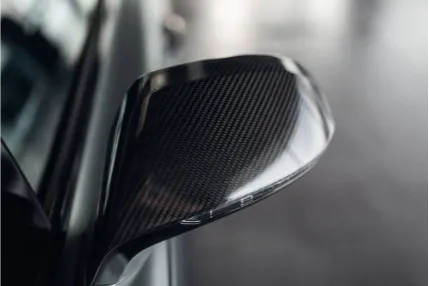
- Automotive & High-End Components: Often found in luxury car interior trims, side mirrors, and premium automotive parts.
- Luxury Goods: Used in high-end consumer products that require both elegance and durability.
Special Carbon Fiber Weave Patterns
Beyond the traditional weave patterns, carbon fiber manufacturers also utilize specialized techniques to achieve unique performance characteristics and aesthetic qualities.
Spread Tow Weave
The Spread Tow Weave is a carbon fiber pattern where individual tows (bundles of fibers) are spread out and woven in a flat arrangement. Unlike traditional weaves, which have a tight, crimped structure, the spread tow weave creates a broader, more uniform surface, improving the consistency of the material.
- Benefits: The spread tow weave allows for greater coverage with fewer fibers, reducing weight while maintaining strength. It also improves the material’s flatness and reduces fiber crimp, enhancing mechanical properties.
- Drawbacks: The complexity of the weaving process can make it more expensive and harder to manufacture compared to standard woven fabrics.
Best Cases:
- Aerospace components: Used for lightweight, high-strength parts.
- Automotive parts: Ideal for performance vehicles where weight reduction is key without compromising strength.
Braided Weave
Braided Weave refers to a carbon fiber pattern where the fibers are interlaced in a braided configuration, similar to traditional rope braiding. This pattern provides a unique 3D structure that enhances the material’s strength and flexibility, making it more suitable for curved or complex shapes.
- Benefits: The braided structure offers excellent tensile strength and flexibility, making it ideal for parts that need to be both strong and flexible.
- Drawbacks: It’s more difficult and expensive to manufacture compared to traditional weaves, and the finished product may not be as stiff as some other patterns.
Best Cases:
- Sports equipment: Used in high-performance items like bicycles, golf clubs, and tennis rackets.
- Automotive components: Suitable for parts that require flexibility and strength, like drive shafts and suspension components.
Fibra de carbono forjada
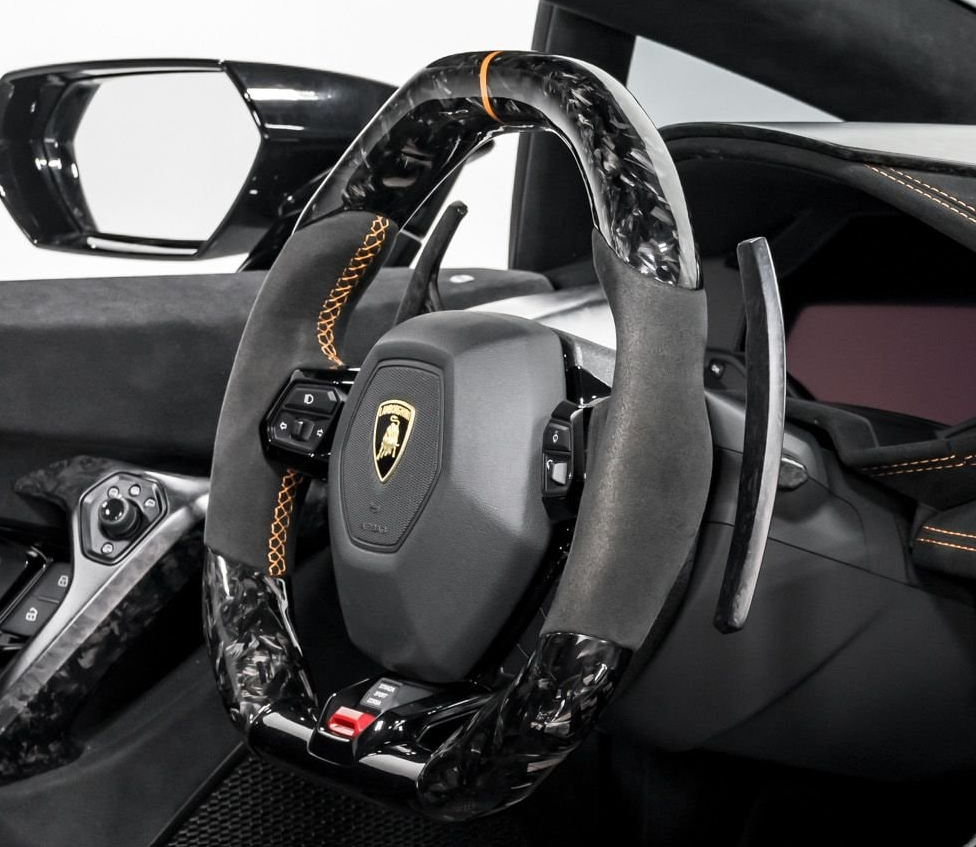
Forged Carbon Fiber is a composite material where short carbon fibers are randomly oriented and bonded together with resin, creating a solid part that mimics the appearance and performance of traditional woven carbon fiber. The material is formed using heat and pressure, resulting in a unique appearance and increased strength in certain applications.
- Benefits: Forged carbon fiber offers excellent strength-to-weight ratio and can be molded into complex shapes, making it ideal for parts with intricate geometries.
- Drawbacks: The process can be more costly, and it is less predictable in terms of fiber alignment, which can affect its performance in certain directions.
Best Cases:
- Automotive industry: Used in high-performance car parts like interior trim, engine components, and structural parts.
- Luxury goods: Ideal for premium products where both aesthetics and strength are desired.
Patrones de tejido combinado
fuente: pinterest
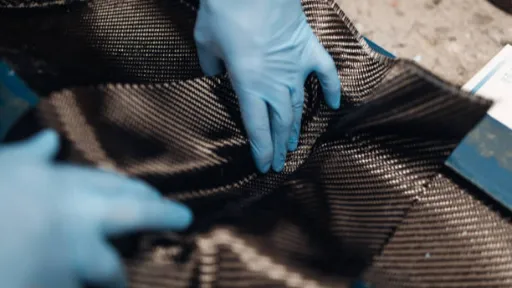
La combinación de diferentes patrones de tejido en una misma pieza de automóvil es una práctica común en la fabricación de fibra de carbono. Al utilizar diferentes patrones en distintas áreas de una pieza, los fabricantes pueden mejorar su rendimiento, estética y funcionalidad.
Una combinación de patrones de tejido puede proporcionar Mayor resistencia, rigidez y durabilidad En comparación con el uso de un patrón de tejido simple. Por ejemplo, un fabricante puede usar un patrón de tejido de sarga en zonas de alta tensión, como el capó o el alerón trasero, mientras que usa un patrón de tejido liso en las zonas menos exigentes de la pieza. Este enfoque ayuda a optimizar el uso de materiales y a mantener el peso total de la pieza.
La combinación de diferentes patrones de tejido también puede mejorar la estética de una piezaUn fabricante puede utilizar un patrón de tejido satinado en la superficie exterior de una pieza de automóvil, creando un efecto visual estéticamente agradable, mientras que utiliza un patrón de tejido de sarga en la parte inferior para mejorar la resistencia de la pieza.
Carbon Fiber Weave Comparison Table
| Weave Type | Flexibility | Peso | Strength Distribution | Apariencia | Costo | Best Use Case |
|---|---|---|---|---|---|---|
| Tejido liso | Low | Light | Even, but lower strength | Smooth, uniform | Low | Automotive parts, consumer goods, aerospace components |
| Tejido de sarga | Moderate | Light | Better force distribution | Diagonal, textured | Medium | Automotive parts (hoods, fenders), racing components |
| Tejido de satén | High | Light | Less stiff, flexible | Glossy, luxurious | High | Interior trims, luxury automotive, high-end consumer goods |
| Spread Tow Weave | Moderate | Ultra-light | Even, reduces crimp | Flat, smooth | High | Aerospace components, performance automotive |
| Braided Weave | High | Moderate | Even distribution, flexible | 3D, woven look | High | Sports equipment, automotive (drive shafts, suspension) |
| Fibra de carbono forjada | Low | Ligero | Random distribution | Unique, marble-like | High | Automotive parts (structural components, luxury goods) |
| Combination Weave | Moderate | Moderate | Tailored to specific needs | Multi-pattern, varied | Medium to High | Automotive parts, aerospace, custom applications |
Cómo elegir el patrón de tejido adecuado
fuente: pinterest
Elegir el patrón de tejido correcto para una determinada pieza del automóvil es crucial optimizar su rendimiento, peso y aparienciaAl seleccionar un patrón de tejido, se deben tener en cuenta varios factores como el peso, la resistencia, la durabilidad y el costo.
- Peso
Elegir un patrón de tejido liviano es esencial para las piezas de automóviles de alto rendimiento donde el peso reducido puede mejorar la aceleración, el manejo y la eficiencia del combustible.
- Resistencia y durabilidad
Para piezas de automóviles que requieren mayor resistencia, rigidez y durabilidad, un patrón de tejido más pesado y fuerte podría ser más apropiado.
- Consideraciones de costos
El costo es un factor importante en la selección del patrón de tejido, ya que los patrones de tejido más complejos tienden a ser más costosos.
- Tipo de pieza del automóvil y su función prevista
Otros factores, como el tipo de pieza del automóvil y su función prevista, también pueden influir en la selección del patrón de tejido. Por ejemplo, piezas como capós, guardabarros y alerones requieren un patrón que ofrezca resistencia y ligereza, mientras que las piezas de la consola interior pueden priorizar la estética sobre la resistencia.
Conclusión

fuente: pinterest
Comprender los diferentes patrones de tejido es esencial para seleccionar el mejor. optimizar el rendimiento, el peso y la estética en el diseño de productos de fibra de carbono.
El futuro de la fibra de carbono en la industria automotriz es emocionante y promete crear automóviles que sean Más seguro, más eficiente en términos de combustible y aún más atractivo visualmente. Como nunca antes. A medida que el uso de la fibra de carbono continúa creciendo en la industria, comprender los patrones de tejido seguirá siendo fundamental para crear piezas de automóvil innovadoras y sorprendentes.

 Spanish
  English
  Arabic
  French
  German
  Hindi
Hindi  Italian
  Japanese
  Korean
  Portuguese
  Russian