

The dry carbon fiber vs wet carbon fiber sourcing decision directly impacts your brand’s reputation and profit margins. Choosing a cheaper wet layup process often leads to customer complaints over poor fitment and yellowing finishes, triggering costly returns that erode any upfront savings.
This guide compares the generic manual wet process against our premium autoclave-formed dry carbon made with Japan Toray 3K fiber. We analyze the core differences in manufacturing and quality, then provide actionable advice to help you choose the best option for your business.
Quick Comparison of Dry vs Wet Carbon Fiber
Here is exactly how these two manufacturing methods differ in the metrics that matter to your business.
| Feature | Dry Carbon Fiber (Prepreg) | Wet Carbon Fiber (Hand Layup) |
|---|---|---|
| Manufacturing Process | Autoclave (High Heat & Pressure) | Manual Resin Application |
| Resin Type | High-Grade Epoxy Resin | Often Cheap Polyester Resin |
| Resin-to-Fiber Ratio | Optimal & Precise | Inconsistent & High |
| Peso | Extremely Lightweight | Heavier due to Excess Resin |
| Strength & Stiffness | Superior Structural Integrity | Moderate to Weak |
| Visual Finish | Flawless 3D Weave, Straight Lines | Prone to Waviness & Yellowing |
| Best For | Performance & Luxury Applications | Budget Prototypes & DIY |
Why Material Choice Matters for Auto Parts
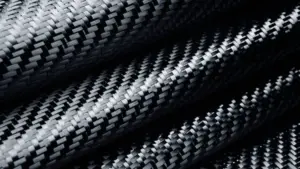
The Hidden Costs and Risks of Generic Wet Carbon
While wet carbon is cheaper to source, its inherent material properties often create long-term liabilities for retailers:
- Excessive Weight: Wet carbon relies on a liquid resin soak, resulting in a heavy, resin-rich part. This defeats the main purpose of fibra de carbono: weight reduction. To enthusiasts, this heavy construction looks like “fake performance” rather than a real upgrade.
- Structural Instability: Because the material lacks density, it is prone to warping under heat. An engine cover or spoiler that deforms after a few months leads to immediate warranty claims.
- Aesthetic Degradation: The heavy resin layer is chemically unstable. It acts like a magnifying glass for UV rays, causing the part to turn a sickly yellow. This degradation destroys the premium look your customers paid for.
The ROI and Advantages of Dry Prepreg Carbon
Dry carbon requires a higher upfront investment, but its material properties deliver value that justifies the price tag:
- True Performance Weight: With the resin strictly controlled at the factory level, dry carbon parts are up to 60% lighter than their wet counterparts. This is a tangible performance upgrade that drivers can feel.
- OEM-Level Durability: The tightly compacted fiber structure offers immense rigidity. It withstands engine heat, road vibration, and weather exposure without changing shape. This structural stability ensures the product looks new for years.
- Brand Protection: Selling a product that fits perfectly and stays clear builds trust. Dry carbon signals to your market that you prioritize quality over quick profits.
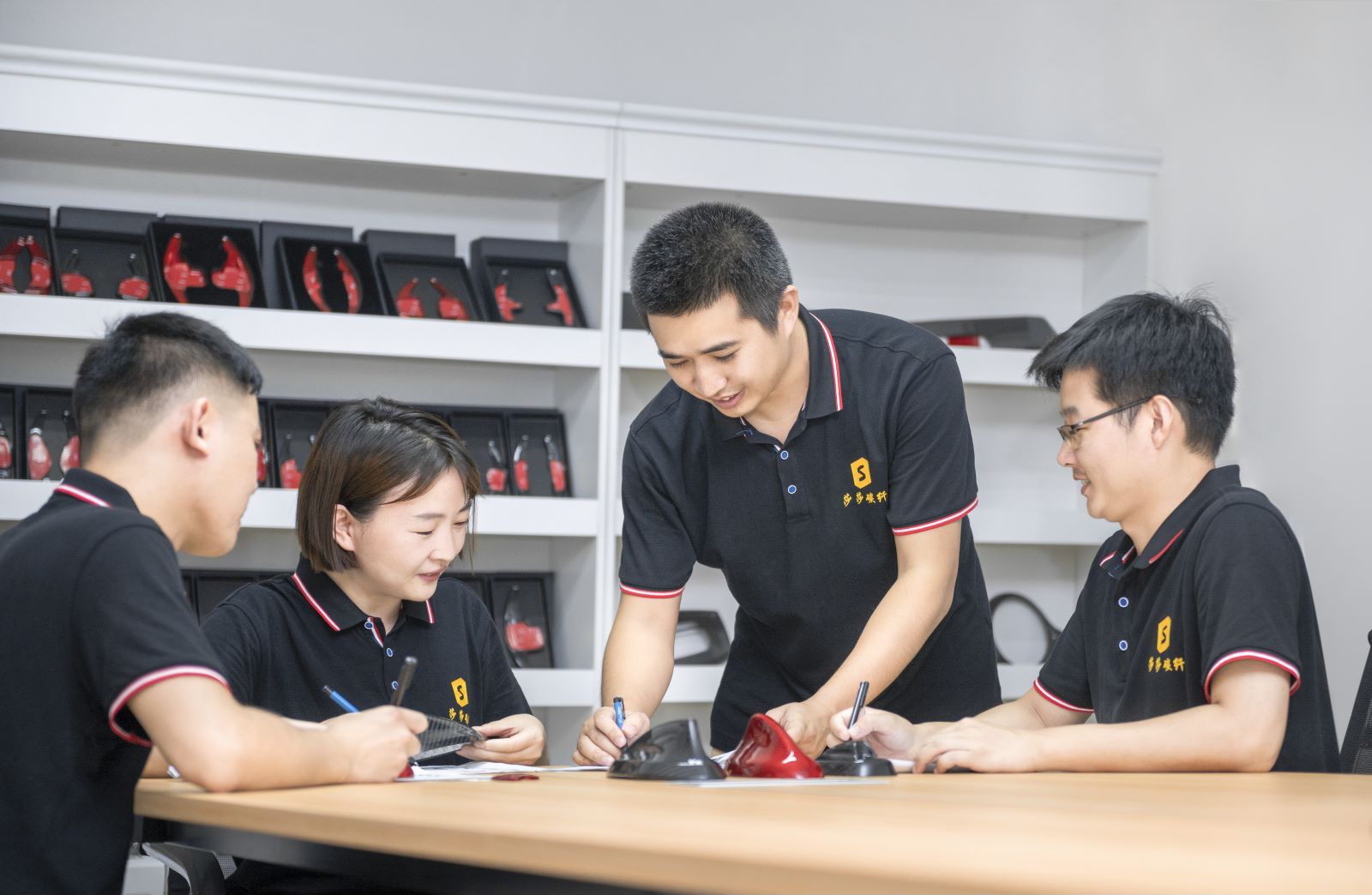
Premium Dry Carbon with Guaranteed Fitment
The Reality of Wet Carbon Fiber Production
Wet carbon fiber is made by manually applying liquid resin to dry carbon fabric. It’s often used for decorative auto parts where saving money is the only priority.
How the Wet Layup Process Works
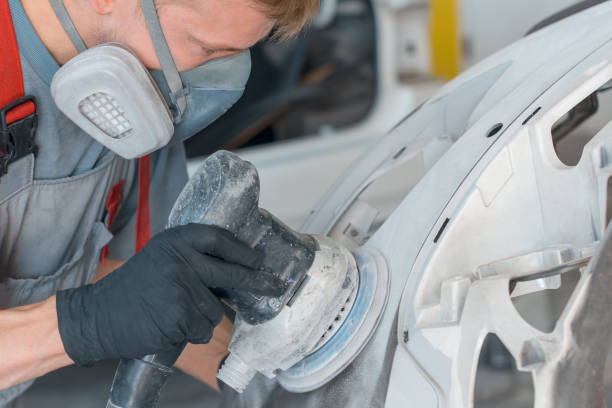
The wet layup process is essentially a manual craft. Technicians place dry carbon fabric into a mold and saturate it with liquid epoxy or polyester resin using brushes or rollers. Because a human applies the resin, achieving a perfectly uniform layer is physically impossible.
The Problem with Resin and Installation
Cheap manufacturing comes with expensive problems:
- Chemical Instability: Wet carbon often relies on cheaper polyester resins that are not UV stable. This is the primary cause of the “yellowing” effect seen on budget parts after a few months of sun exposure.
- Inconsistent Weave: The manual brushing action often pushes the fabric, causing “snaking” or distorted weave lines that look unprofessional.
- Difficult Installation: Because wet carbon parts are thicker and have rough backings, they often require messy glue or double-sided tape to install, rather than using precise OEM clips.
The Precision Engineering of Dry Carbon Fiber
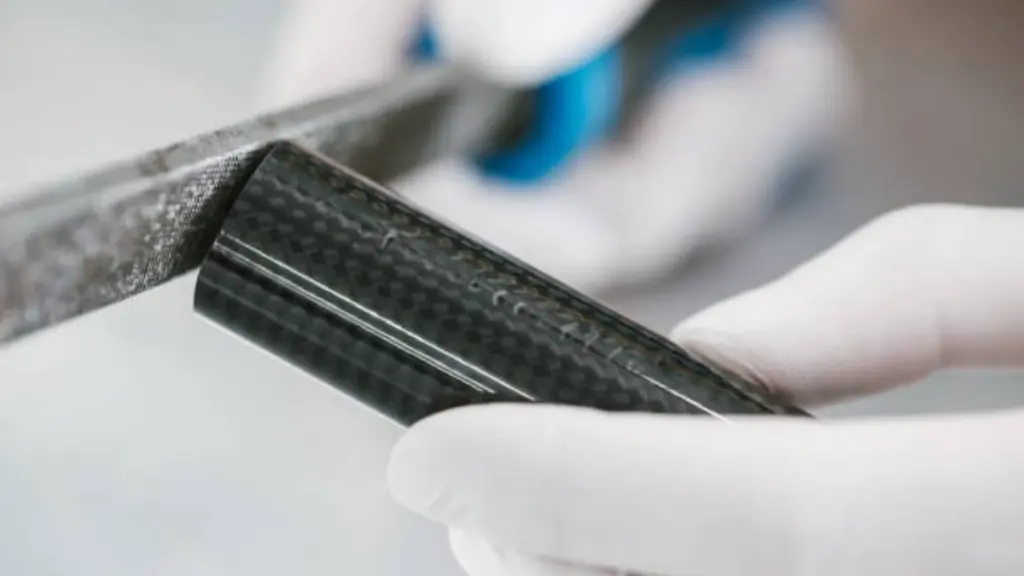
Dry carbon, also known as prepreg, utilizes carbon fabric with factory-applied resin. This controlled process creates lighter, stronger, and more consistent automotive parts.
The Prepreg Lamination and Curing Method
Dry carbon fiber starts as pre-impregnated (prepreg) sheets. In this process, the fabric is infused with a precise amount of epoxy resin in a factory environment. Epoxy offers superior clarity and chemical stability compared to polyester. At Shasha Carbon, we use Japan Toray 3K prepreg for this stage. Technicians place layers of this material into a mold, which is then sealed in a vacuum bag to remove air.
The Autoclave Advantage for Superior Strength
The vacuum-bagged part enters an autoclave, a specialized industrial oven. This machine applies intense, uniform heat and high pressure to cure the component.
- Void Elimination: The pressure forces out microscopic air pockets.
- Maximum Rigidity: The process consolidates carbon layers for superior structural integrity.
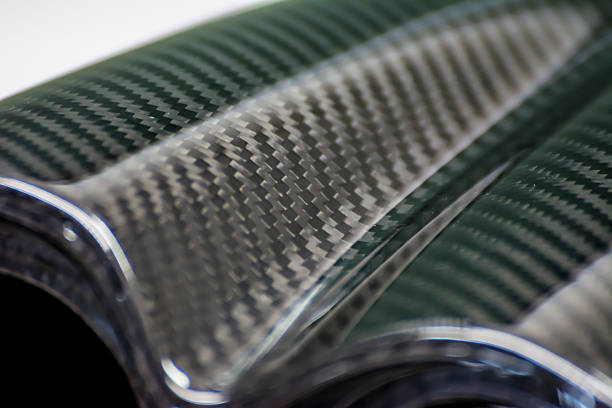
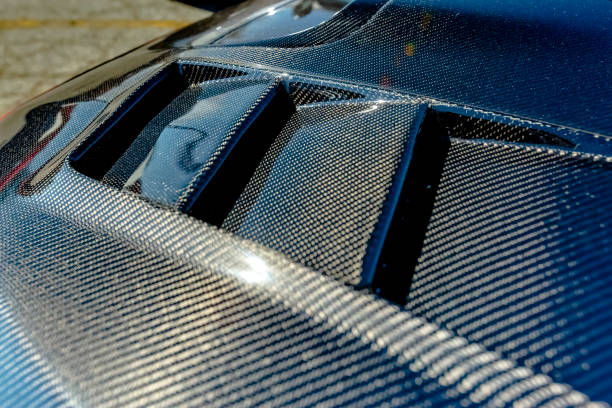
- Flawless Finish: The result is a smooth, glossy finish with straight, aligned weave lines—the standard for luxury auto parts.
Why We Choose Japan Toray 3K Raw Fiber
Starting with a superior raw material is non-negotiable for high-end automotive components. We rely on Japan Toray 3K fiber. It guarantees the deep, holographic 3D weave that high-end customers expect the moment they open the box. It creates a visual depth and uniform texture that standard domestic fibers simply cannot match.
How to Choose the Right Carbon Fiber for Your Market
Look beyond the price tag and focus on the physics. You must match the material to the stress it will endure to prevent heat warping and returns.
Factor 1: Heat Exposure and Environmental Stress
- Engine Bay & Exhaust Components: You must use dry carbon. The high-grade epoxy resin and autoclave curing process allow dry carbon to withstand significant thermal cycling without deforming or discoloring. Wet carbon will rapidly yellow and may even crack under engine heat.
- Exterior Aero Parts: For splitters, diffusers, and spoilers exposed to direct UV sunlight and road debris, dry carbon is the professional standard. Its structural rigidity ensures downforce effectiveness, whereas wet carbon is often too flexible and degrades under UV rays.
Factor 2: Part Geometry and Installation Method
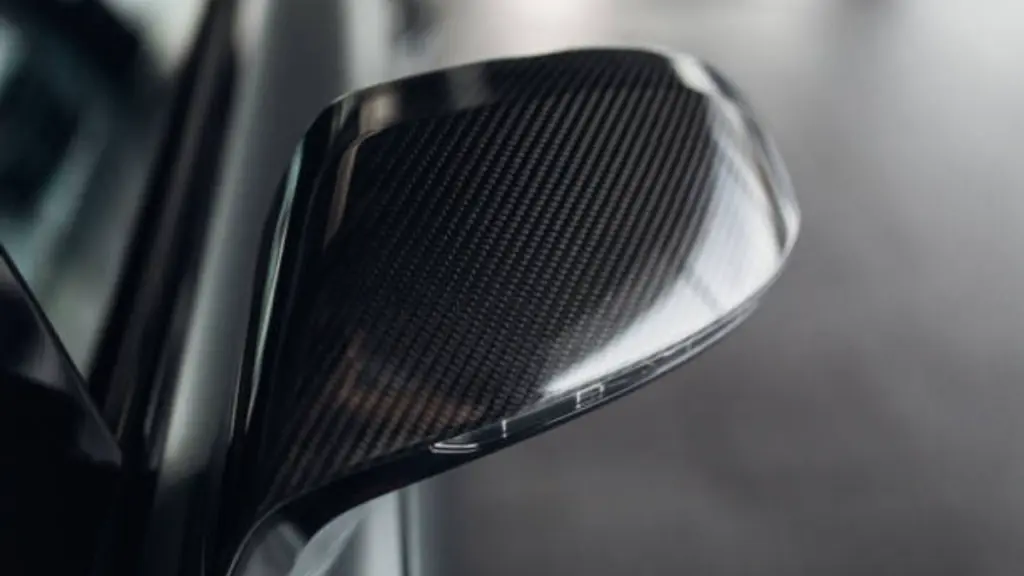
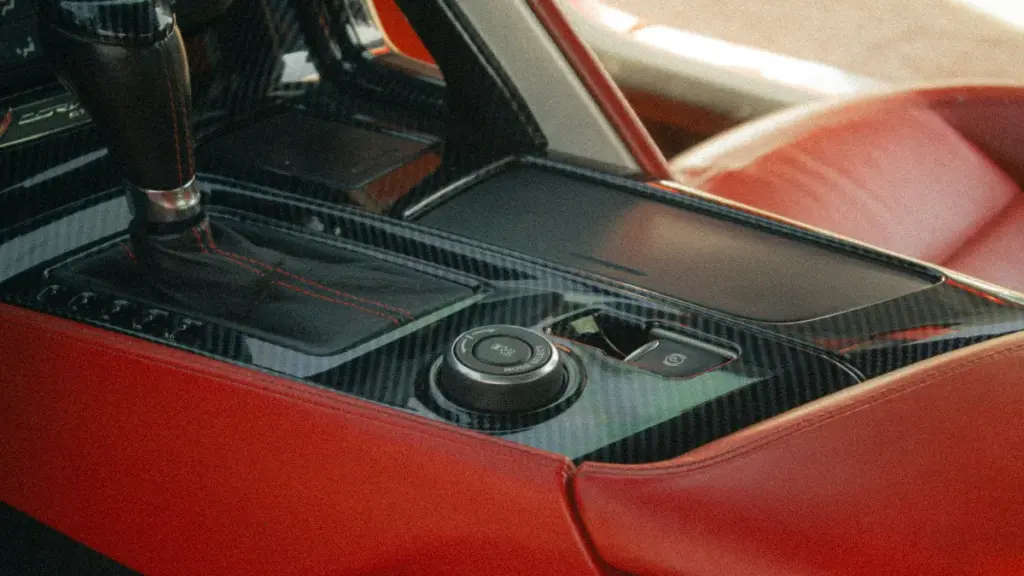
- Full Clip-on Replacement Parts: If the product replaces an original factory part, such as a full mirror assembly or center console panel, dry carbon is the only viable option. The autoclave process allows for the creation of precise, integrated mounting tabs that click into OEM slots.
- Stick-on Add-on Covers: For simple, cosmetic overlays that attach via double-sided tape, wet carbon can be an acceptable budget option. However, be aware that the thicker profile of wet carbon can create a visible “ledge” or gap that discerning customers may reject.
Factor 3: Target Audience and Brand Positioning
- The “Price-First” Consumer: If your market consists of entry-level enthusiasts primarily driving older vehicles where budget is the only concern, wet carbon allows you to compete on price.
- The “Quality-First” Client: If you cater to owners of late-model luxury vehicles like BMW M, Mercedes AMG, or Porsche, dry carbon is mandatory. These customers understand the difference between real prepreg carbon and overlay aesthetics. Offering wet carbon to this demographic risks damaging your brand’s reputation for quality.
How Shasha Designs and Produces Dry Carbon Auto Parts
Your customers judge your brand the moment they try to install the part. If it clicks in perfectly, you win trust; if they need to force it, you lose a repeat buyer. Shasha Carbon uses a “Real Carbon, Real Precision” workflow:
- 3D Scanning: We reverse-engineer original automotive parts to create digital blueprints.
- Autoclave Forming: Ensuring consistent material density and strength.
- CNC Robotic Cutting: We strictly avoid manual grinding. A robotic arm trims every piece to guarantee a 1:1 fitment. This allows us to integrate OEM-style mounting tabs directly into the part, ensuring a secure “click-in” installation without messy glues.
- UV-Resistant Clear Coat: Our dust-free painting workshop applies a finish that stays clear and glossy, protecting your brand from “yellowing” claims.
FAQs
What Is the Main Difference Between Dry and Wet Carbon Fiber?
Dry carbon fiber uses pre-impregnated sheets with epoxy resin, cured under high heat and pressure in an autoclave. Wet carbon involves manually applying liquid resin, which is less precise and results in a heavier part prone to yellowing.
Why Is Dry Carbon Fiber More Expensive?
The cost reflects the advanced materials like Japan Toray 3K prepreg and the complex autoclave manufacturing process. However, for auto parts retailers, this cost is offset by significantly lower return rates and higher customer satisfaction compared to wet carbon.
How Can I Identify a Genuine Dry Carbon Fiber Part?
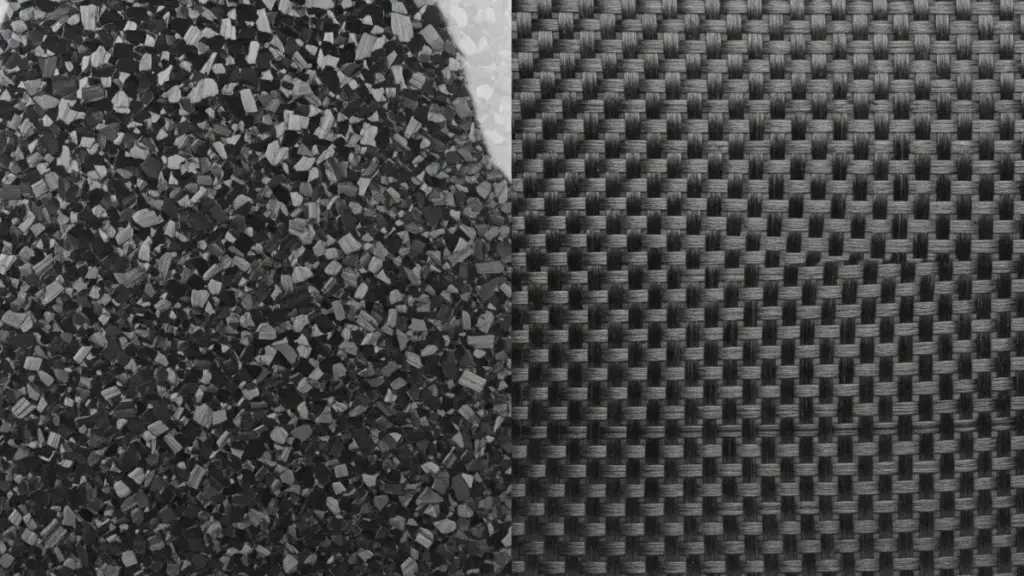
Check the weave lines first; dry carbon has perfectly straight, aligned lines, while wet carbon often shows “snaking” or distortion from manual brushing. Additionally, dry carbon feels incredibly light and has a smooth, clean backing, whereas wet carbon often has a rough, uneven back surface.
Will Dry Carbon Fiber Turn Yellow Over Time?
No, provided it is made with high-quality materials. High-end dry carbon uses UV-stable epoxy resin and is finished with a premium clear coat, preventing discoloration. In contrast, wet carbon often uses cheaper polyester resin, which reacts poorly to sunlight and causes the infamous “yellowing” effect within months.
Is Dry Carbon Easier to Install Than Wet Carbon?
Yes, especially for replacement parts. Because dry carbon is formed in high-precision molds, it can feature integrated OEM-style mounting tabs. This allows for a clean “click-in” installation. Wet carbon parts are often too thick to have precise tabs, forcing installers to rely on messy glue or double-sided tape.
Ready to build a reputation for quality?
At Shasha Carbon, we strictly adhere to the premium autoclave and epoxy standards outlined in this guide to deliver a guaranteed 1:1 fitment. Contact us today to explore our full range of dry carbon components or start your custom project.
 Spanish
  English
  Arabic
  French
  German
  Hindi
Hindi  Italian
  Japanese
  Korean
  Portuguese
  Russian