

The carbon fiber layup process is a key factor that determines the real performance, durability, and fitment accuracy of automotive composite parts. Even when using the same carbon fiber material, different layup methods can lead to significant differences in strength, surface quality, and long-term stability. For B2B buyers and automotive brands, this means the manufacturing process behind a part is often more important than the material itself.
This article explains how carbon fiber layup works and why it directly impacts product quality in automotive applications. You will learn how different layup methods affect performance, how to identify quality differences in real production, and how OEM-grade processes ensure consistent fitment and lower return risks. The goal is to help you evaluate suppliers more clearly and make better sourcing decisions in carbon fiber automotive parts.
What Is Carbon Fiber Layup?
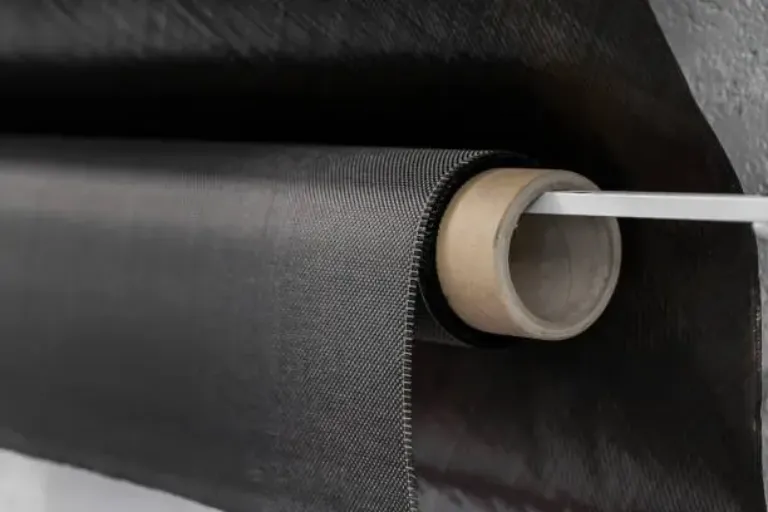
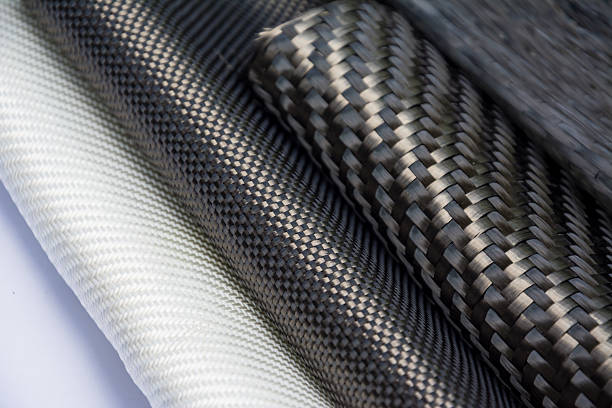
Carbon fiber layup is the process of placing carbon fiber fabric into a mold, combining it with a resin system, and curing it under controlled temperature and pressure to form a solid composite structure. The final part is strong, lightweight, and engineered for specific mechanical performance requirements.
At the core of this process are two essential materials:
- Carbon fiber fabric: Provides strength and stiffness
- Resin system: Bonds fibers together and transfers mechanical load
When these materials work together, they form a composite structure that delivers higher strength-to-weight performance than many traditional metals used in automotive applications.
Fiber Placement Inside the Mold
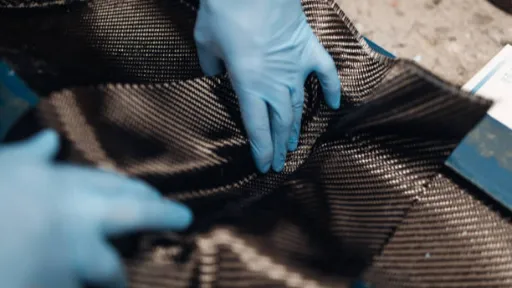
The process starts with placing carbon fiber fabric into a shaped mold. Each layer is pre-cut based on the part design, and engineers control the fiber direction carefully to ensure correct mechanical behavior.
Carbon fiber is not isotropic, which means its strength changes depending on direction. Different orientations serve different structural roles:
- 0° direction: Provides maximum strength along the main load path
- 90° direction: Improves lateral stability and structural balance
- ±45° direction: Controls twisting and shear resistance
Correct fiber alignment ensures the part distributes load properly under real driving conditions. If the orientation is wrong, stress concentration may build up and lead to deformation or failure over time.
Curing into a Solid Composite Structure
After carbon fiber layup process, the material enters the curing stage. Heat and pressure transform the layered structure into a rigid and stable composite part.
A properly controlled curing process helps achieve:
- Mechanical stability: Ensures consistent strength across the entire part
- Low void content: Reduces internal air pockets that weaken structure
- Surface consistency: Maintains smooth and uniform finish quality
- Long-term durability: Improves resistance to heat and mechanical stress
Without precise curing control, even high-quality carbon fiber and resin can produce unstable or inconsistent components, especially in automotive applications where precision is critical.
Why Layup Process Determines the Quality of Your Carbon Fiber Car Parts
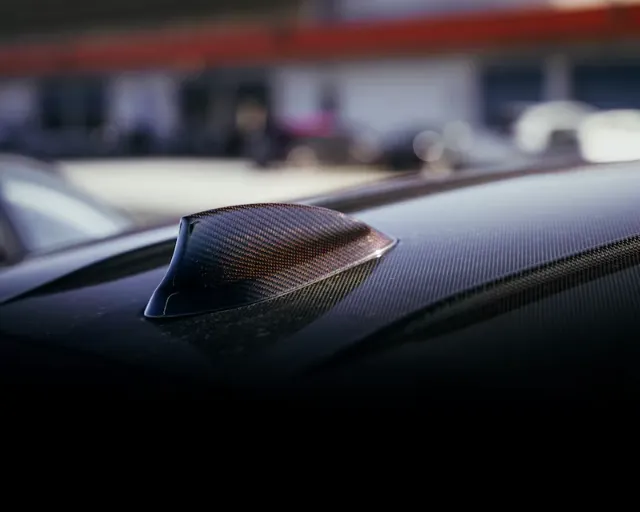
The layup process is not just a production step. It directly defines how a carbon fiber part performs under real automotive conditions. Even small changes in fiber alignment or resin control can create significant differences in strength, weight, and long-term stability.
This is why two parts made from the same carbon fiber material can still show very different quality levels in automotive production and sourcing decisions.
Fiber Orientation and Load Behavior
Carbon fiber does not behave like metal. Instead of distributing force evenly in all directions, it follows fiber orientation. This means engineers must design performance during the layup stage.
A controlled layup ensures:
- Load direction control: Forces follow engineered fiber paths
- Stress reduction: Prevents concentration in weak zones
- Shape stability: Maintains structure under mechanical pressure
When fiber orientation is inconsistent, the part cannot distribute stress properly. Over time, this may lead to warping, cracking, or structural failure, especially under continuous vibration or load.
Resin Ratio and Structural Balance
The fiber-to-resin ratio plays a direct role in both weight and mechanical performance. This balance must stay stable during production to ensure predictable results.
- Excess resin: Increases weight and reduces efficiency
- Insufficient resin: Creates dry spots and weak bonding areas
A controlled layup process keeps resin distribution stable across the entire part. As a result, manufacturers achieve more consistent strength and more reliable batch production quality.
Why Consistency Matters in Automotive Use
In automotive applications, consistency is not optional. Parts must fit precisely and perform the same way across every production batch.
When layup control is weak, common problems appear:
- Fitment variation: Parts may require adjustment during installation
- Surface inconsistency: Visible defects or uneven finish quality
- Batch variation: Differences between production runs
- Higher return rates: Increased after-sales cost and customer complaints
This is why layup control often becomes more important than the carbon fiber material itself. Material defines potential, but the layup process defines real-world performance.far superior parts compared to basic hand-layup techniques that cure at room temperature.
Source OEM-Fit Dry Carbon Parts Directly
Main Carbon Fiber Layup Methods Explained
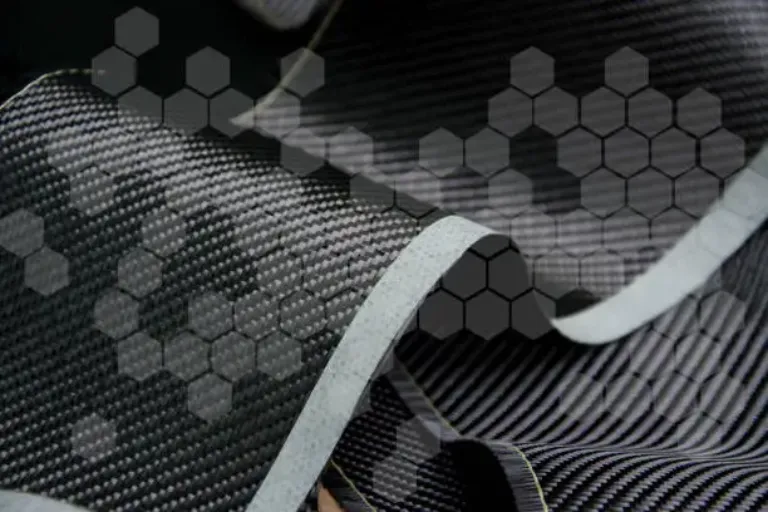
Different layup methods are used depending on production cost, performance requirements, and manufacturing scale. Each method reflects a different level of process control and consistency.
Wet Layup (Hand Layup)
Wet layup is the most basic carbon fiber manufacturing method. In this process, dry carbon fiber fabric is placed into a mold, and resin is applied manually to saturate the fibers.
It is commonly used for:
- Prototype development: Supports early-stage product testing and design validation
- Low-volume production: Suitable for small batch or custom orders
- Simple structural parts: Works for non-critical or low-stress components
This method depends heavily on manual operation. As a result, consistency can vary from part to part based on operator skill and experience.
Vacuum-Assisted Layup
Vacuum-assisted layup improves the wet layup process by adding vacuum pressure during curing. After resin application, the part is sealed in a vacuum bag to compress the material and remove trapped air.
This process improves:
- Fiber-to-resin balance: Helps reduce excess resin and improve weight control
- Air removal efficiency: Minimizes bubbles inside the composite structure
- Surface quality stability: Produces a smoother and more uniform finish
This method is commonly used in mid-range automotive components where manufacturers need to balance cost efficiency with improved performance consistency.
Prepreg Autoclave Layup
Prepreg layup uses carbon fiber that is pre-impregnated with a controlled resin system. The material is cut, placed into a mold, and then cured under high temperature and pressure inside an autoclave.
This method provides:
- High structural strength: Ensures stable mechanical performance under load
- Low void content: Reduces internal air pockets for stronger bonding
- Process repeatability: Maintains consistent quality across production batches
- Premium surface finish: Delivers smooth and visually stable appearance
This process is widely used for OEM-grade and high-performance automotive parts where consistency, precision, and reliability are critical.
Wet Layup vs Prepreg vs Other Methods: Key Differences in Performance
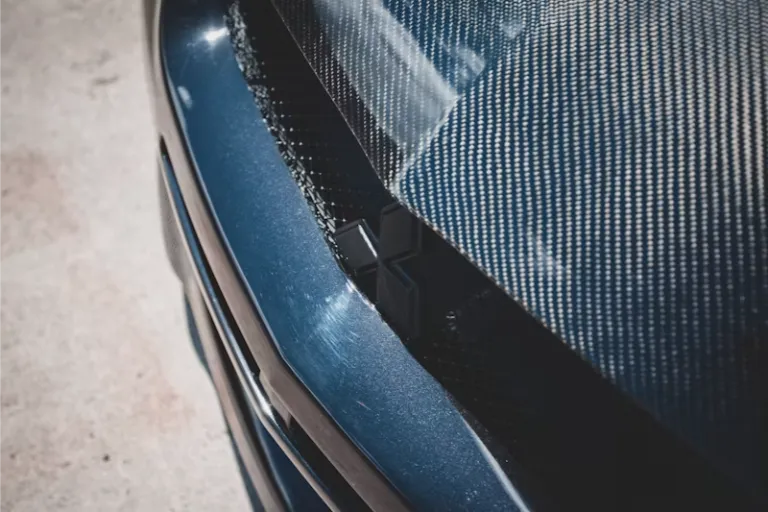
Different carbon fiber layup methods lead to clear differences in performance, cost, and application suitability. Understanding these differences helps buyers choose the right production method based on product requirements and budget expectations.
The table below highlights the key contrasts between the three main manufacturing approaches.
Comparison of Carbon Fiber Layup Methods
| Factor | Wet Layup | Vacuum-Assisted | Prepreg Autoclave |
|---|---|---|---|
| Resin Control | Manual application | Semi-controlled process | Fully controlled system |
| Strength Level | Medium | Medium to High | High |
| Weight Efficiency | Low | Medium | High |
| Surface Quality | Variable | Improved | Excellent |
| Production Cost | Low | Medium | High |
| Fitment Accuracy | Inconsistent | Improved | Highly precise |
Wet layup works well for low-cost prototypes and simple applications. Vacuum-assisted processes improve consistency and surface quality for mid-range production. Prepreg autoclave systems deliver the highest precision and repeatability, making them ideal for OEM-level automotive components.
Why Shasha Uses Prepreg Autoclave for OEM Dry Carbon Parts
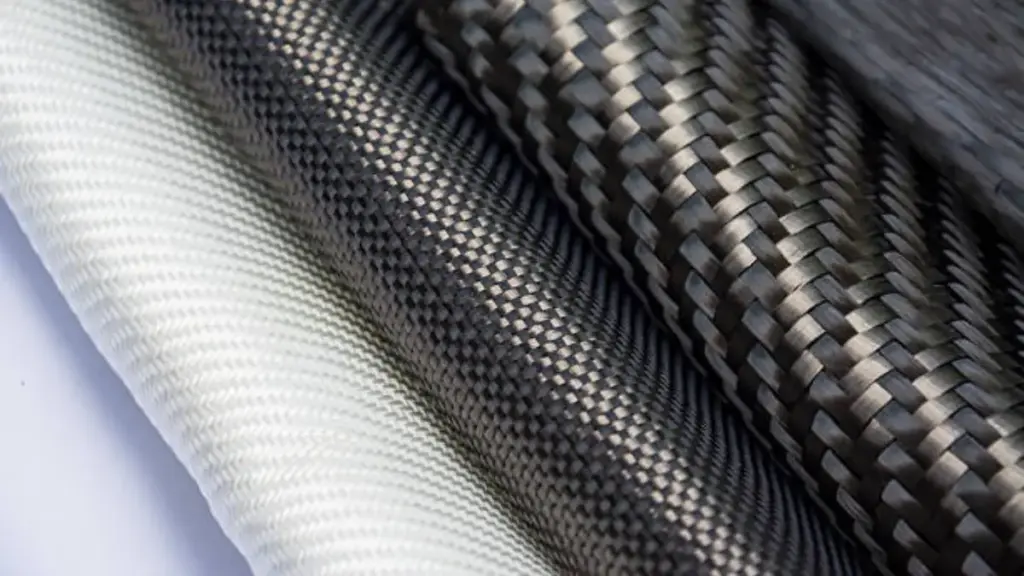
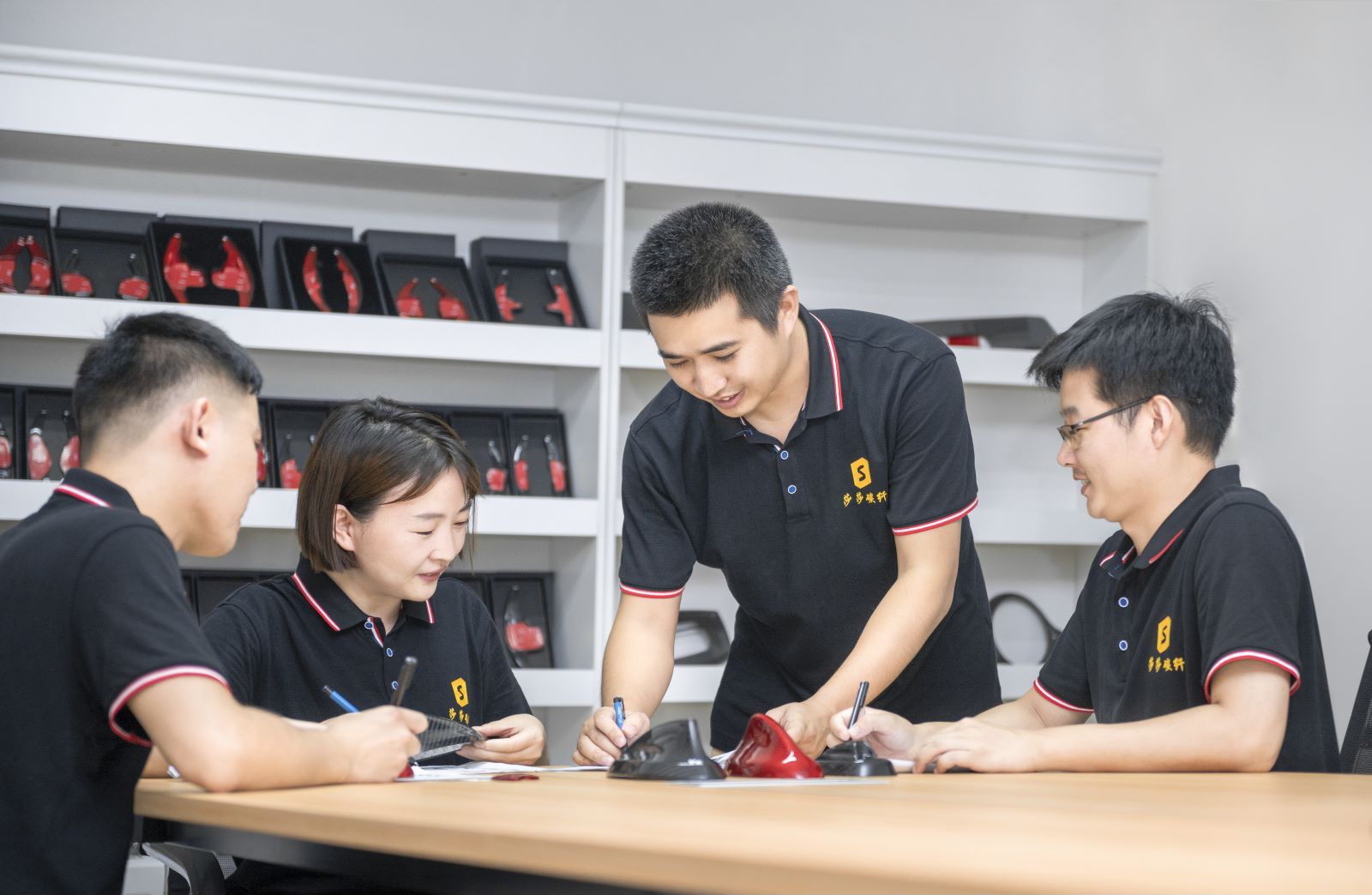
Shasha focuses on OEM-grade dry carbon automotive parts that require high precision, stable performance, and repeatable fitment across all production batches. To achieve this level of quality, we rely on Japan Toray 3K prepreg carbon fiber combined with autoclave molding technology. Wet layup methods are not used because they cannot provide the same level of dimensional control and repeatability required for OEM applications.
Compared to traditional processes, prepreg systems already contain a precisely controlled resin ratio. When cured under high temperature and pressure in an autoclave, the material becomes more compact, stable, and uniform. This improves both structural performance and surface finish.
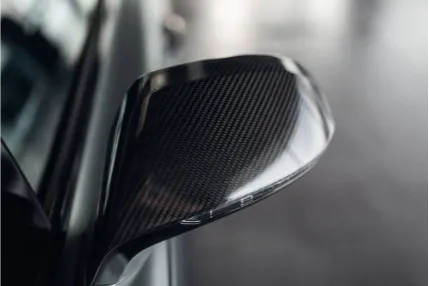
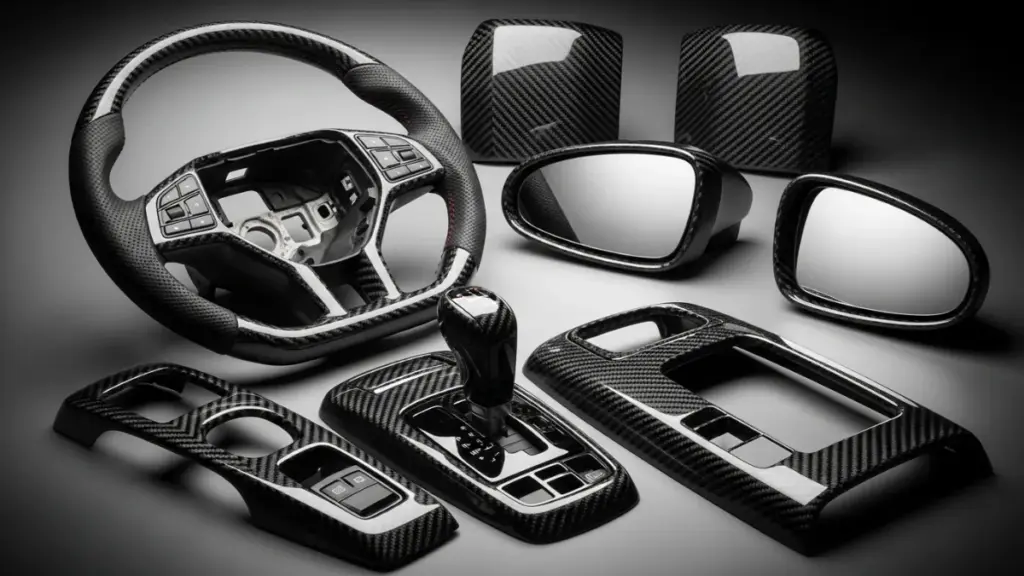
Most importantly, this controlled system allows Shasha to deliver consistent 1:1 OEM fitment, covering products such as paddle shifters, interior trims, mirror covers, and other automotive carbon fiber components.
Wet Layup vs Prepreg Autoclave: Key Production Differences
To clearly show why we use prepreg autoclave technology, the table below compares the main production differences in real manufacturing conditions.
| Process Step | Standard Industry Method | Shasha Precision System |
|---|---|---|
| Forming | Wet hand layup with inconsistent resin and air voids | High-pressure autoclave molding for uniform density and void-free structure |
| Cutting & Fitment | Manual trimming and grinding with variation risks | Robotic CNC cutting for precise OEM-level geometry |
| Control de calidad | Visual inspection only | Two-stage QC with physical OEM test-fitting |
How Shasha Ensures Consistent Layup Quality
Consistency is not achieved through inspection alone. It comes from strict control of materials, forming conditions, and curing parameters.
At Shasha, we eliminate variation by standardizing every production step from fiber placement to final machining.
Key Process Controls
- Fiber Placement Control: Carbon layers are placed with controlled orientation and tension to ensure structural repeatability.
- Vacuum Stabilization: Pressure control removes trapped air and excess resin, improving internal density and reducing weak points.
- Curing Precision: Temperature and pressure are strictly managed during autoclave curing to stabilize mechanical properties.
These controls ensure every part starts from the same structural baseline before machining.
Autoclave and CNC-Based OEM Manufacturing System
Shasha uses a fully integrated production system designed for OEM-level precision.
First, prepreg carbon fiber sheets are formed under high pressure in an autoclave environment. This creates a dense, void-free structure with consistent fiber distribution.
After curing, parts move into our CNC machining system, where robotic cutting ensures exact edge geometry and precise mounting alignment based on OEM CAD data.
Finally, every component goes through a two-stage quality control process, including surface inspection and physical test-fitting against original automotive parts. This guarantees that every product meets strict OEM fitment standards before shipment.
Frequently Asked Questions
What is the difference between OEM carbon fiber parts and aftermarket decorative parts?
OEM carbon fiber parts are manufactured with strict dimensional control to match original vehicle specifications, ensuring perfect fitment without modification. Aftermarket decorative parts usually focus more on appearance and use looser tolerance control, which may lead to installation gaps or alignment differences.
Is prepreg carbon fiber always better than wet layup for automotive parts?
Prepreg is not only about strength—it mainly reflects process control and repeatability. For automotive applications requiring OEM-level fitment and stable batch production, prepreg autoclave systems provide significantly higher consistency. Wet layup is more suitable for prototypes or low-precision parts.
What affects the quality of carbon fiber interior trim parts the most?
The key factors include not only carbon fiber material quality but also layup accuracy, curing process control, and post-machining precision. A stable manufacturing system ensures consistent fiber structure, while CNC trimming guarantees precise OEM-level fitment.
Can carbon fiber parts maintain consistent fitment across large production batches?
Yes, consistency is achievable when manufacturers use a fully controlled system that includes standardized layup methods, precise curing parameters, and CNC machining. Without strict process control, batch variation is common, especially in hand-laid or semi-manual production.
How does CNC machining affect carbon fiber part accuracy?
CNC machining ensures that every edge, hole, and surface follows exact CAD specifications. Compared to manual trimming, it significantly reduces dimensional variation and improves installation accuracy, especially for interior automotive components.
Final Thoughts
The carbon fiber layup process determines the real performance of every automotive composite part. From fiber orientation to curing conditions, each stage directly influences strength, weight, surface finish, and most importantly, OEM fitment accuracy. In automotive applications, stable manufacturing matters more than material selection alone, which is why advanced systems such as prepreg layup, autoclave curing, and CNC trimming are essential for achieving consistent results across production batches.
For OEM buyers and automotive brands, choosing the right supplier is ultimately about process control, not just carbon fiber materials. At Shasha Carbon, we specialize in prepreg autoclave dry carbon parts designed for repeatable precision, stable quality, and 1:1 fitment across every order. If you are looking for a reliable long-term manufacturing partner, Shasha provides full OEM support from design to production.

 Spanish
  English
  Arabic
  French
  German
  Hindi
Hindi  Italian
  Japanese
  Korean
  Portuguese
  Russian