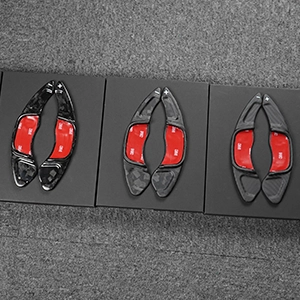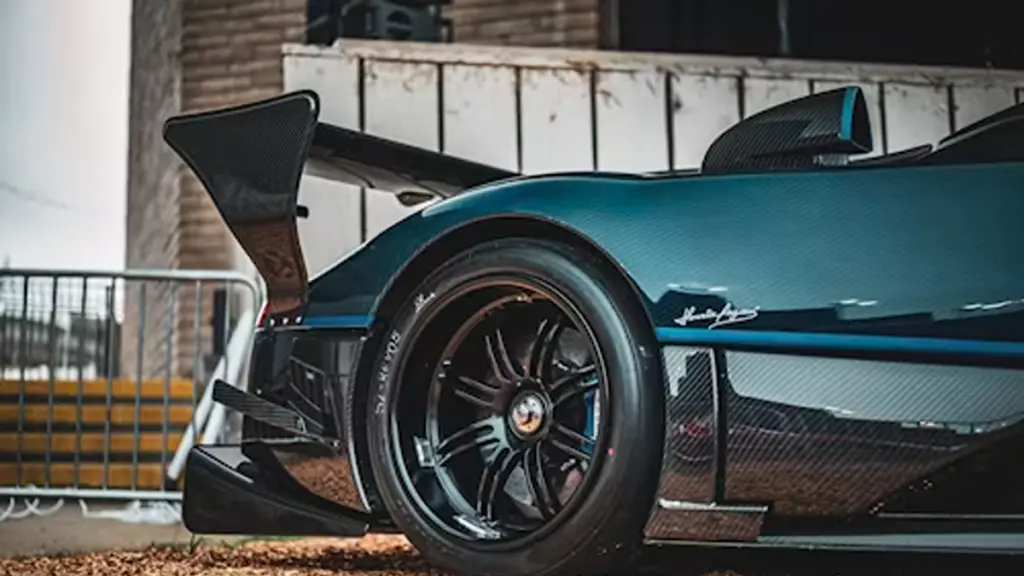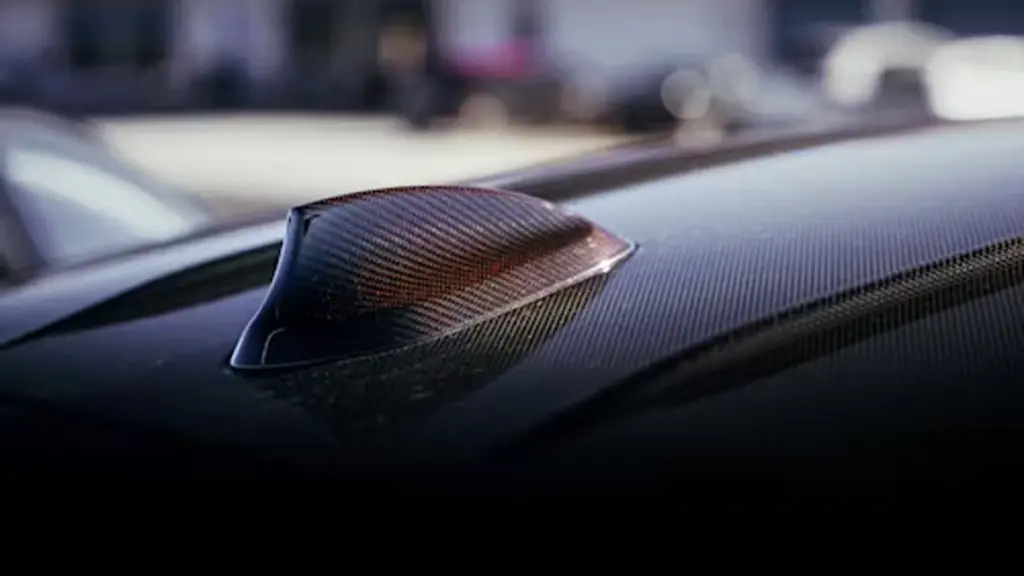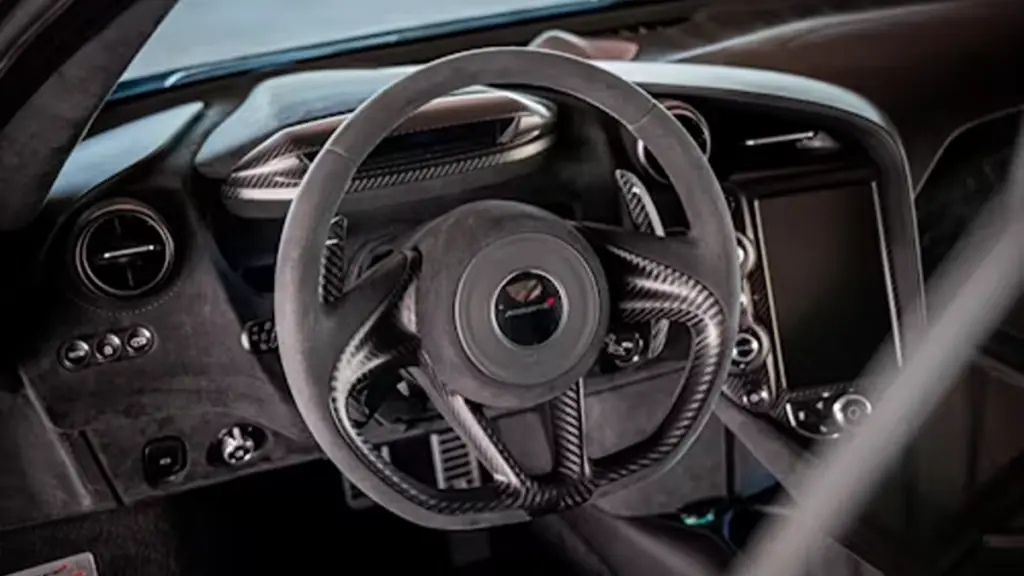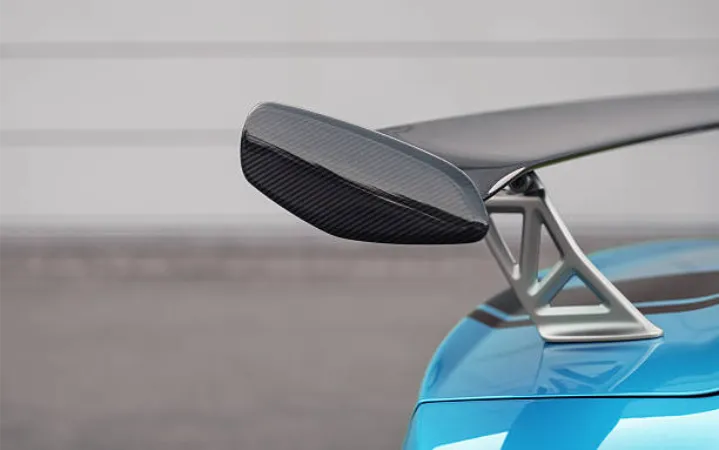
Kohlefaser-Autoteile werden häufig für die Individualisierung und Leistungssteigerung moderner Automobile verwendet. Sie sind für ihr geringes Gewicht bekannt, stark, und optisch erstklassig. Unter allen mechanischen Eigenschaften, Zugfestigkeit ist einer der wichtigsten Indikatoren, der die Zuverlässigkeit eines Kohlefaserteils unter realen Fahrbedingungen bestimmt.
Das Verständnis der Zugfestigkeit hilft Käufern, Ingenieure, und Händler wählen das richtige Material für Außen- und Innenanwendungen im Automobilbereich. Dies erklärt auch, warum Kohlefaser in vielen Leistungs- und Ästhetikteilen zur bevorzugten Wahl gegenüber herkömmlichen Metallen geworden ist.
Was ist Zugfestigkeit??

Unter Zugfestigkeit versteht man die maximale Zugkraft, der ein Material standhalten kann, bevor es bricht oder sich dauerhaft verformt. In einfachen Worten, Es misst, wie gut ein Material dem „Auseinanderziehen“ widersteht.
Im Ingenieurwesen, Die Zugfestigkeit wird normalerweise in gemessen Megapascal (MPa) oder Gigapascal (GPa).
Eine grundlegende Erklärung:
- Geringe Zugfestigkeit → Material bricht unter Spannung leicht
- Hohe Zugfestigkeit → Material widersteht Dehnung und Bruch
Für Autoteile aus Kohlefaser, Die Zugfestigkeit hängt sowohl vom Kohlefasergewebe als auch vom Harzsystem ab, das zur Bindung der Fasern verwendet wird. Durch diese Kombination entsteht eine Verbundstruktur, die sich ganz anders verhält als Metalle.
Kohlefaser ist kein einheitliches Material wie Stahl oder Aluminium. es ist ein zusammengesetzt, Das heißt, seine Stärke beruht auf der Wechselwirkung zwischen Fasern und Harz, nicht nur ein Element.
Typische Zugfestigkeitsbereiche für Kohlenstofffasern
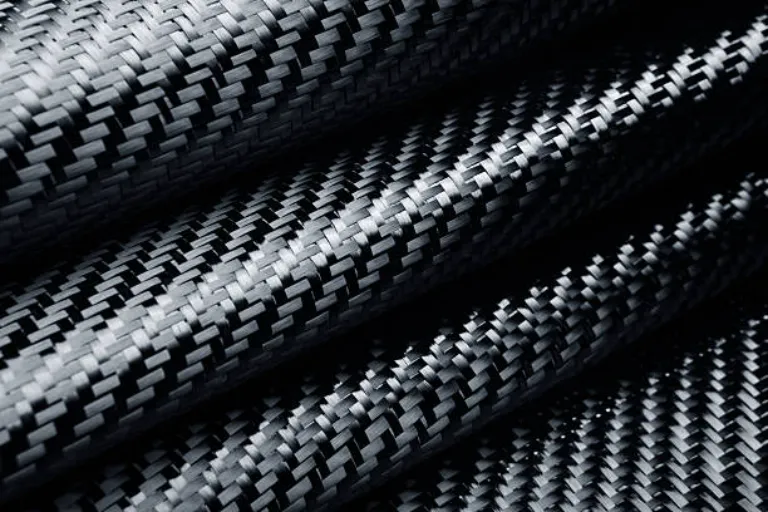
Für Kohlenstofffasern gibt es keinen festen Wert für die Zugfestigkeit. Es variiert je nach Klasse, Produktionsmethode, und Anwendung.
Nachfolgend finden Sie einen vereinfachten Vergleich typischer Zugfestigkeitsbereiche:
| Materialtyp | Zugfestigkeitsbereich | Notizen |
|---|---|---|
| Standard-Kohlefaserverbundwerkstoff | 500 – 1,200 MPa | Gängige Automobilqualität |
| Hochleistungs-Carbonfaser | 1,200 – 3,500 MPa | Wird im Motorsport und in der Luft- und Raumfahrt eingesetzt |
| Stahl (zum Vergleich) | 350 – 900 MPa | Schwerer, aber duktil |
| Aluminiumlegierung | 200 – 600 MPa | Leicht, aber geringere Festigkeit |
Aus diesem Vergleich, Kohlefaser bietet eindeutig ein höheres Verhältnis von Festigkeit zu Gewicht als herkömmliche Metalle.
Jedoch, Es ist wichtig zu verstehen, dass die Leistung von Carbonfasern stark vom Herstellungsprozess abhängt. Eine schlechte Formgebung oder ein Ungleichgewicht des Harzes kann die tatsächliche Festigkeit erheblich beeinträchtigen.
In Automobilteilen wie Spoilern, Hauben, oder Zierbezüge, Hersteller wie Shasha Carbon Fiber kontrollieren Materialschichten und Aushärtungsprozesse, um eine stabile Zugleistung über alle Produktionschargen hinweg sicherzustellen.
Warum Zugfestigkeit für Automobilmaterialien wichtig ist
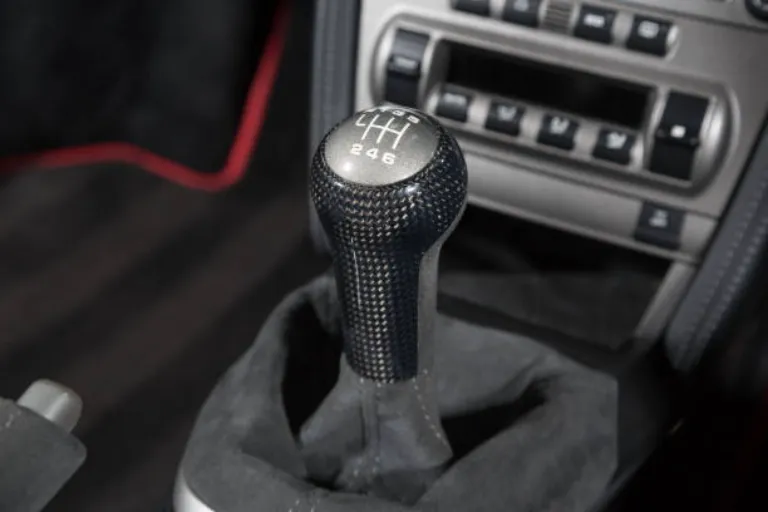
In Automobilanwendungen, Zugfestigkeit ist nicht nur ein technischer Wert – sie wirkt sich direkt auf die Sicherheit aus, Haltbarkeit, und langfristige Leistung.
Autoteile aus Kohlefaser sind während der Fahrt verschiedenen Kräften ausgesetzt:
- Winddruck bei hoher Geschwindigkeit
- Vibrationen aufgrund der Straßenverhältnisse
- Installationsbelastung durch Montagepunkte
- Geringe Auswirkungen im täglichen Gebrauch
Eine hohe Zugfestigkeit stellt sicher, dass die Teile unter diesen Kräften ihre Form und strukturelle Integrität behalten.
Zu den wichtigsten Vorteilen gehören::
- Strukturelle Stabilität: Verhindert die Verformung von Außenkomponenten wie Spoilern und Diffusoren
- Langfristige Haltbarkeit: Reduziert das Risiko von Rissen oder Faserablösungen
- Gewichtseffizienz: Behält die Festigkeit bei und reduziert gleichzeitig das Fahrzeuggewicht
- Leistungskonsistenz: Sorgt für stabiles Verhalten bei wiederholten Belastungszyklen
Im Leistungstuning, Die Zugfestigkeit ist besonders wichtig, da leichte Teile dennoch hohen aerodynamischen Belastungen standhalten müssen.
Ohne ausreichende Zugfestigkeit, Selbst optisch hochwertige Carbonfaserteile können vorzeitig ausfallen.
Premium-Dry-Carbon-Teile, Garantierte Passform.

Vergleich der Zugfestigkeit von Kohlenstofffasern mit Stahl und Aluminium
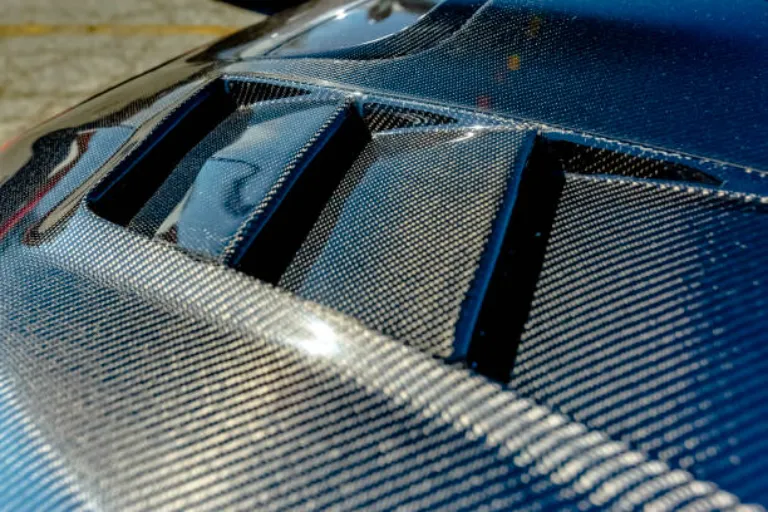
Kohlefaser wird oft mit Stahl und Aluminium verglichen, aber ihr Verhalten unter Spannung ist grundlegend anders.
Stahl ist duktil, Das heißt, es kann sich dehnen, bevor es bricht. Aluminium verfügt außerdem über eine gewisse Flexibilität, wenn auch weniger als Stahl. Kohlefaser, auf der anderen Seite, ist steif und spröde.
Hier ist ein klarerer Vergleich:
Stahl
Stahl hat eine mäßige Zugfestigkeit und eine ausgezeichnete Duktilität. Es biegt sich, bevor es bricht, was es in Crash-Szenarien vorhersehbar macht. Jedoch, seine hohe Dichte erhöht das Fahrzeuggewicht.
Aluminium
Aluminium ist leicht, hat aber eine geringere Zugfestigkeit. Es wird häufig in Karosserieteilen für Kraftfahrzeuge verwendet, kann sich jedoch unter hoher Belastung verformen.
Kohlefaser
Kohlefaser hat eine extrem hohe Zugfestigkeit, aber eine geringe Dehnung. Es verbiegt sich nicht viel, bevor es versagt.
| Material | Gewicht | Zugfestigkeitsverhalten | Fehlertyp |
|---|---|---|---|
| Stahl | Schwer | Mäßig bis hoch | Duktile Verformung |
| Aluminium | Licht | Medium | Allmähliche Verformung |
| Kohlefaser | Sehr leicht | Sehr hoch | Plötzlicher Bruch |
Aus diesem Grund wird Kohlefaser für die Leistungsästhetik und Strukturverstärkung in kontrollierten Umgebungen bevorzugt, während Metalle immer noch für tragende Sicherheitskonstruktionen verwendet werden.
Faktoren, die die Zugfestigkeit von Kohlefaser-Autoteilen verändern
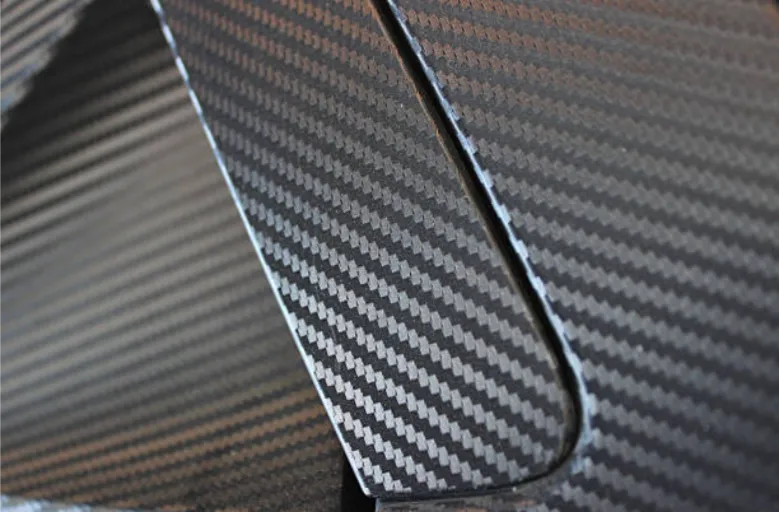
Auch wenn Kohlefaser von Natur aus stark ist, Die tatsächliche Zugfestigkeit kann je nach Produktions- und Nutzungsbedingungen erheblich variieren.
Faserorientierung
Die Richtung der Kohlenstofffasern spielt eine große Rolle. Ausgerichtete Fasern sorgen für maximale Festigkeit, während zufällige Ausrichtungen die Leistung verringern.
Harzqualität
Das Harz verbindet die Fasern miteinander. Eine schlechte Harzqualität kann zu einer schwachen Bindung führen, Verringerung der Gesamtfestigkeit.
Herstellungsprozess
Prozesse wie Heißpressen, Vakuumformen, und Aushärtung im Autoklaven wirken sich direkt auf die strukturelle Integrität aus. Durch Luftblasen oder ungleichmäßige Aushärtung können Schwachstellen entstehen.
Schichtstruktur
Mehrschichtige Carbonfaserstrukturen weisen im Allgemeinen eine höhere Zugfestigkeit auf als einschichtige Produkte. Auch die Stapelreihenfolge ist wichtig.
Umweltbelastung
UV-Licht, Wärmezyklen, und Feuchtigkeit kann Harz langsam abbauen, Beeinträchtigung der langfristigen Zugleistung.
Installationsqualität
Durch unsachgemäße Montage oder übermäßiges Anziehen können Spannungskonzentrationen entstehen, die die effektive Festigkeit verringern.
Das Verständnis dieser Faktoren hilft Käufern, zuverlässige Lieferanten auszuwählen und minderwertige Carbonfaserprodukte zu vermeiden, die vorzeitig ausfallen.
Prüfnormen und wie die Zugfestigkeit gemessen wird
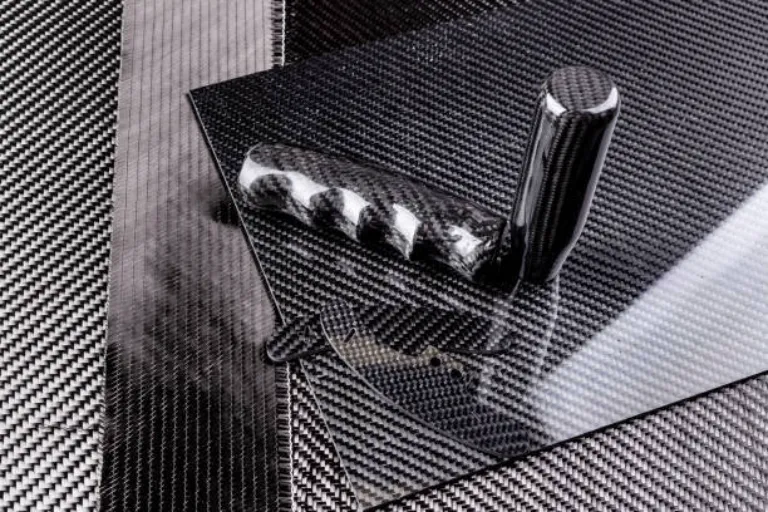
Die Zugfestigkeit wird gemessen, indem an einer Probe gezogen wird, bis sie bricht, Einhaltung von Standards wie ASTM. Das Endergebnis hängt stark von der Qualität des Rohmaterials und dem verwendeten Umformverfahren ab.
Zugfestigkeitstests werden mithilfe standardisierter mechanischer Testmethoden durchgeführt, um die Konsistenz aller Materialien sicherzustellen.
Zu den gängigsten Prüfnormen gehören::
- ASTM D3039 (Standardtestmethode für Zugeigenschaften von Polymermatrix-Verbundwerkstoffen)
- ISO 527 (Kunststoffe – Bestimmung der Zugeigenschaften)
Übersicht über den Testprozess:
- Eine Kohlefaserprobe wird in eine standardisierte Form geschnitten
- Die Probe wird in einer Zugprüfmaschine fixiert
- Es wird nach und nach Kraft ausgeübt, bis die Probe bricht
- Die maximale Kraft wird erfasst und in MPa oder GPa umgerechnet
Das Ergebnis zeigt, wie viel Zugkraft das Material aushält, bevor es versagt.
Für Carbonfaserkomponenten in Automobilqualität, Konsequente Tests sind unerlässlich. Dadurch wird sichergestellt, dass jede Charge die Leistungserwartungen erfüllt, insbesondere für die Großserienproduktion.
Hersteller mögen Shasha-Kohlefaser Typischerweise werden Materialtests mit Qualitätskontrollen auf Produktionsebene kombiniert, um eine stabile Leistung über Tausende von Einheiten hinweg aufrechtzuerhalten.
Grenzen der Zugfestigkeit: Auswirkungen, Komprimierung und reale Fehler
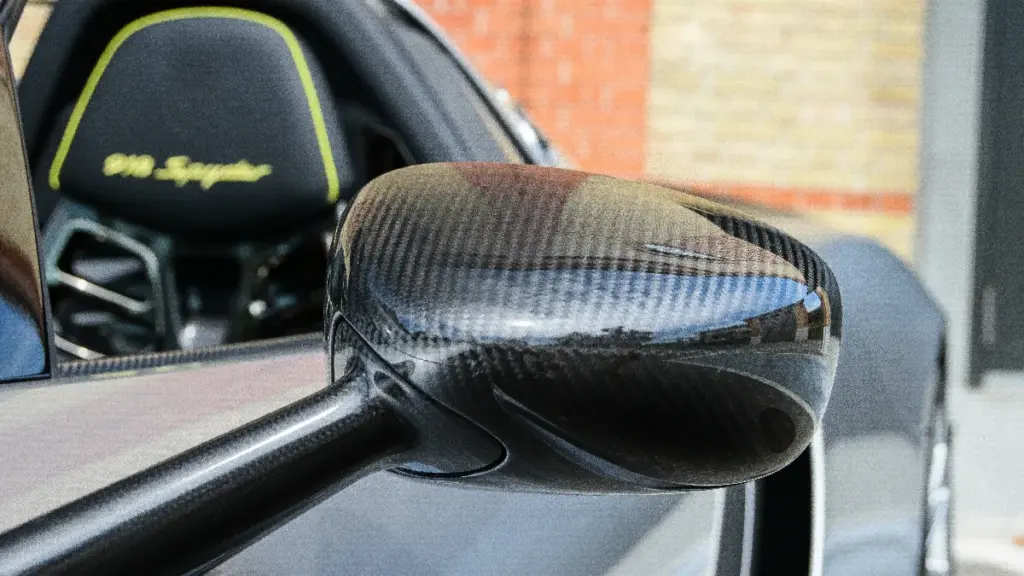
Die Zahlen zur Zugfestigkeit sind beeindruckend, Die praktischen Grenzen der Kohlefaser werden jedoch durch ihre schwächere Kompressions- und Scherleistung bestimmt. Die meisten Ausfälle entstehen durch Stöße, nicht ziehen.
Obwohl die Zugfestigkeit einer der größten Vorteile von Kohlefaser ist, es repräsentiert nicht alle mechanischen Verhaltensweisen.
Kohlefaser weist Einschränkungen auf, die im realen Automobileinsatz berücksichtigt werden müssen:
Schlagfestigkeit
Kohlefaser verhält sich bei starken Stößen schlecht. Ein Steinschlag oder eine Kollision kann zu Rissen führen, da sich das Material nicht stark verformt.
Kompressionsstärke
Während stark in Spannung, Kohlefaser ist unter Druckkräften schwächer. Eine falsche Lastrichtung kann zu Knicken oder Delamination führen.
Kantenschwäche
Schnittkanten oder schlecht bearbeitete Bereiche sind anfälliger für Beschädigungen, wenn sie nicht ordnungsgemäß versiegelt werden.
Echte Fahrbedingungen
Im echten Einsatz, Teile sind gemischten Kräften ausgesetzt:
- Kombinierte Spannung und Vibration
- Plötzlicher Aufprall durch Straßenschutt
- Wärmeausdehnungszyklen
Deshalb sind Designqualität und Fertigungspräzision ebenso wichtig wie die Materialstärke.
Bei einem gut gestalteten Kohlefaserteil kommt es nicht nur auf maximale Zugfestigkeit an, sondern auch um ausgewogenes Strukturverhalten.
Häufig gestellte Fragen
Was ist die typische Zugfestigkeit von Kohlefaser??
Die Zugfestigkeit von Kohlefasern liegt im Allgemeinen zwischen 3,500 Und 7,000 MPa, abhängig von der Note. Dies ist wesentlich fester als hochfeste Stahllegierungen, was das Maximum ausmacht 2,600 MPa, und Aluminium, Das ist in der Nähe 276 MPa. Auch wenn es zu einem Verbundteil geformt wird, Seine praktische Festigkeit ist in Bezug auf Festigkeit und Gewicht besser als die von Metallen.
Ist Kohlefaser stärker als Stahl??
Ja, hinsichtlich der Zugfestigkeit, Kohlefaser ist etwa 5 Zu 15 mal stärker als Standardstahl. Sein größter Vorteil ist sein Verhältnis von Festigkeit zu Gewicht; Es ist fast fünfmal leichter als Stahl, Es bietet weitaus mehr Festigkeit für sein Gewicht. Stahl, Jedoch, ist härter und verbiegt sich, bevor es bricht, während Kohlenstofffasern plötzlicher versagen.
Ist Kohlefaser stärker als Aluminium??
Ja, Kohlefaser ist deutlich stärker und steifer als Aluminium. Es bietet ca 3.8 die spezifische Zugfestigkeit und ist bis zu viermal steifer. Während sich Kohlefaser durch die Bewältigung von Zugkräften auszeichnet, Aluminium kann plötzliche Stöße besser absorbieren und Wärme ableiten.
Wie viel Kraft ist nötig, um Kohlefaser zu brechen??
Hochwertige Kohlefaserfilamente erfordern eine entsprechende Kraft 3,500 Zu 7,000 MPa, um unter Spannung zu brechen. Für ein fertiges Verbundteil, Diese Stärke liegt typischerweise zwischen 600 Und 2,000 MPa. Dabei kann es einer enormen Zugkraft standhalten, Es ist spröde und kann unter scharfen Kanten reißen, konzentrierte Einwirkungen.
Warum können Kohlefaserteile reißen, wenn das Material so stark ist??
Die Stärke von Kohlefaser ist richtungsabhängig, Das bedeutet, dass es entlang der Ausrichtung seiner Fasern am stärksten ist. Risse können durch Faktoren entstehen, für die es nicht ausgelegt ist, wie zum Beispiel scharfe Stöße, Herstellungsfehler, oder Ermüdung durch wiederholtes Beugen. Delaminierung, wo sich die Faser- und Harzschichten trennen, ist eine weitere häufige Fehlerursache, die die Struktur des Teils schwächt.
Verliert Kohlefaser mit der Zeit an Festigkeit??
Ja, Kohlefaserverbundwerkstoffe können sich mit der Zeit zersetzen, hauptsächlich aufgrund der Umweltbelastung. Bei längerer Einwirkung von Feuchtigkeit und hohen Temperaturen kann die Bindung zwischen den Carbonfasern und der Harzmatrix geschwächt werden. Studien an Teilen, die seit über einem Jahrzehnt im Einsatz sind, haben einen Zugfestigkeitsverlust von gezeigt 20% Zu 37%.
Letzte Gedanken
Die Zugfestigkeit ist ein wichtiger Indikator bei der Bewertung von Kohlefaser-Autoteilen, aber es sollte nicht isoliert betrachtet werden. Die tatsächliche Leistung hängt von mehreren Faktoren ab, inklusive Faserstruktur, Harzqualität, Fertigungsgenauigkeit, und Einbaubedingungen.
In Automobilanwendungen, Das Ziel ist nicht nur eine hohe Festigkeit, aber auch stabile und zuverlässige Leistung unter verschiedenen Fahrumgebungen. Für Unternehmen, die skalieren möchten Kohlefaserprodukt Linien, Die Zusammenarbeit mit einem stabilen Fertigungspartner gewährleistet eine gleichbleibende Qualität, Versorgungsstabilität, und flexible Anpassungsunterstützung.