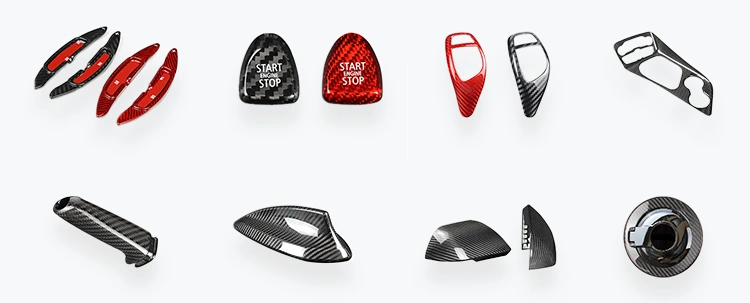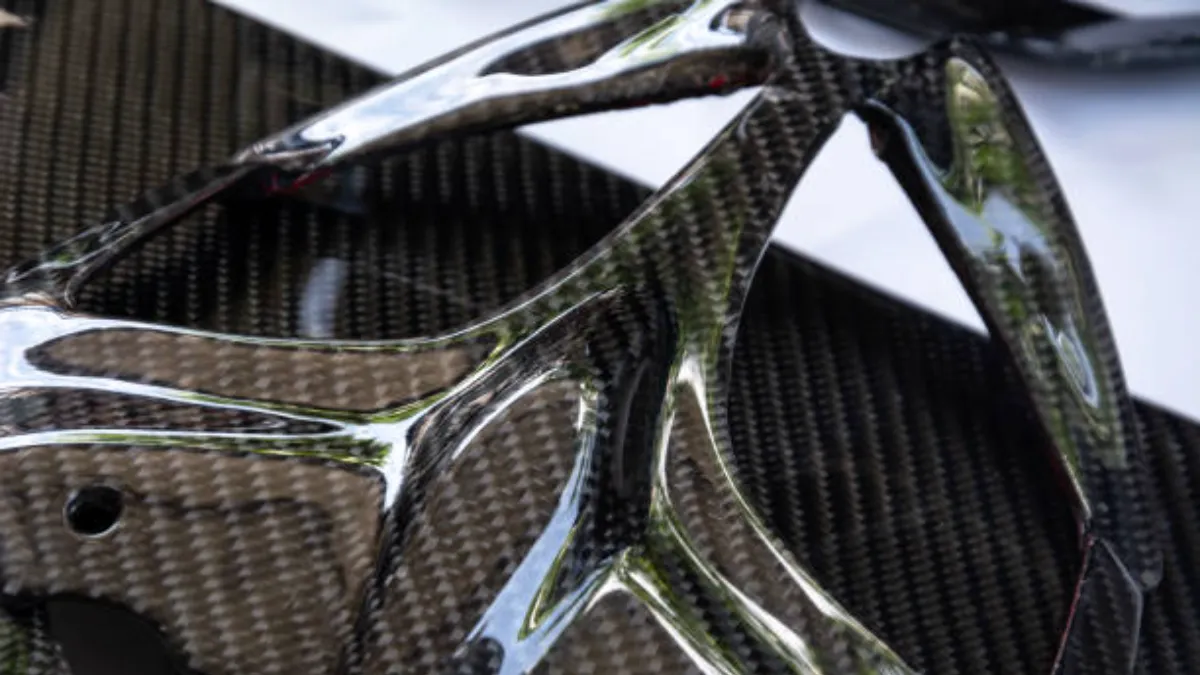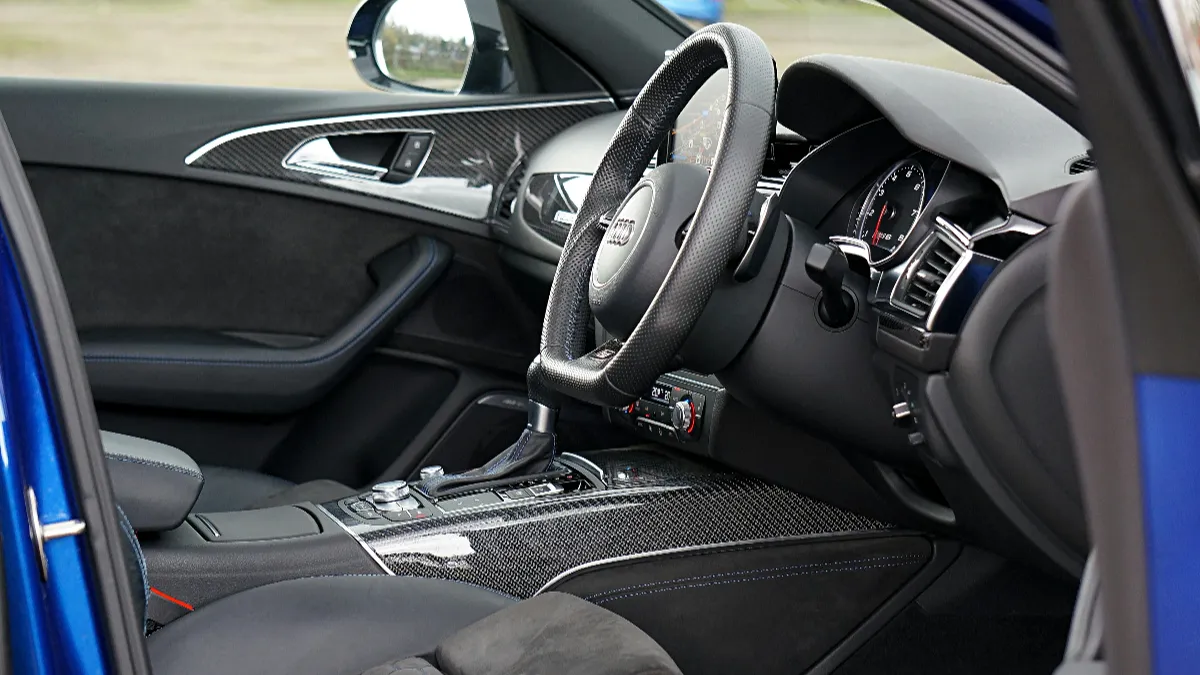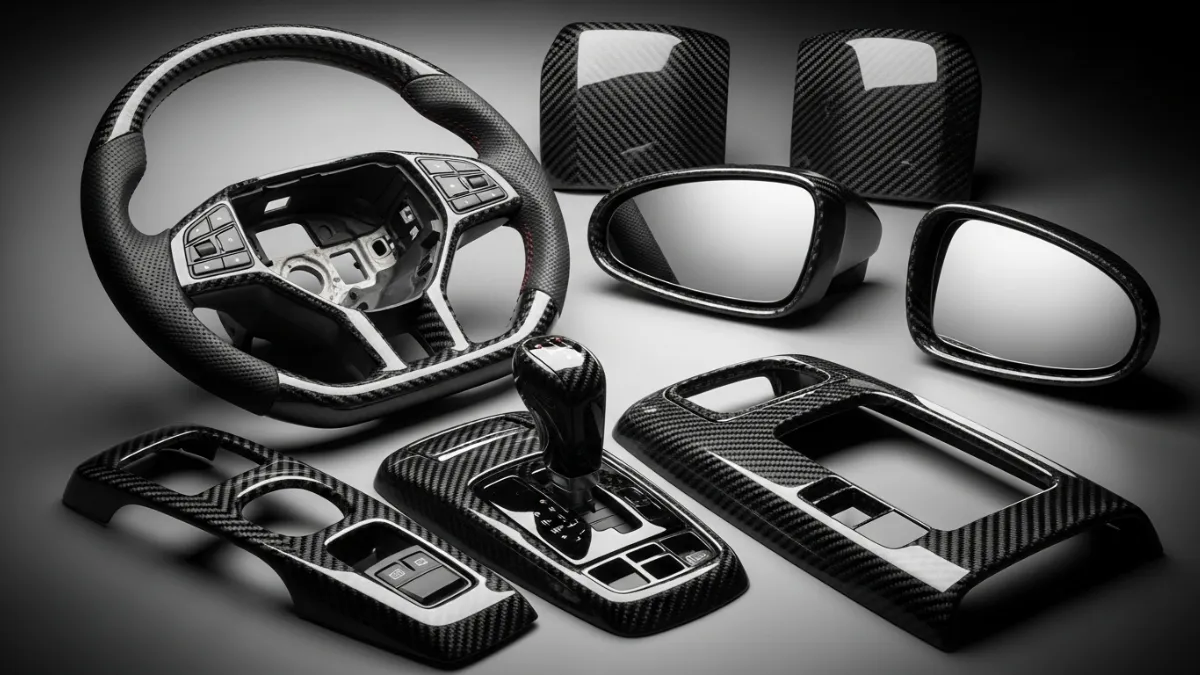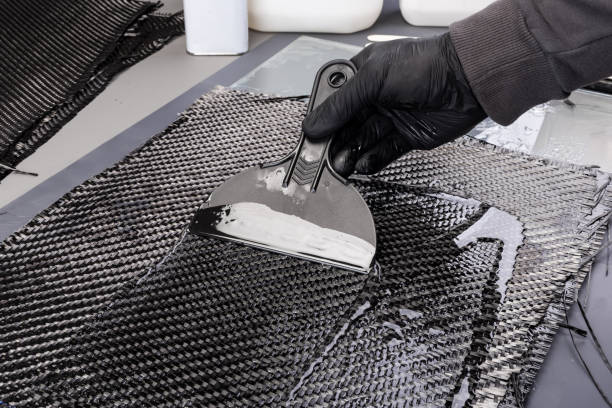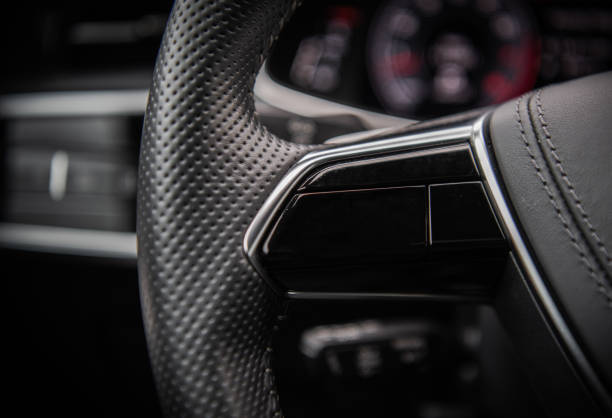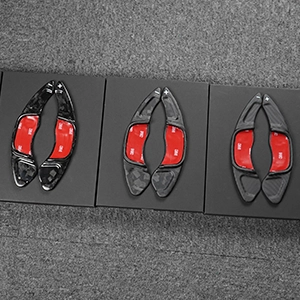
{"id":13998,"date":"2025-10-23T06:51:42","date_gmt":"2025-10-23T06:51:42","guid":{"rendered":"https:\/\/shashacarbon.com\/?p=13998"},"modified":"2025-10-23T06:58:00","modified_gmt":"2025-10-23T06:58:00","slug":"kevlar-vs-carbon-fiber-key-differences","status":"publish","type":"post","link":"https:\/\/shashacarbon.com\/ar\/kevlar-vs-carbon-fiber-key-differences\/","title":{"rendered":"Kevlar vs Carbon Fiber: Key Differences Explained"},"content":{"rendered":"<p>Kevlar and carbon fiber are two advanced materials we&#8217;ve ever known about. Both are highly regarded for their strength, lightweight nature, and versatile applications, but they differ significantly in their properties, performance, and the fields in which they are best suited. In this article, we\u2019ll explore the key differences between these materials, and help you understand which one might be better suited for your particular needs, whether you are an engineer, manufacturer, designer, or outdoor enthusiast.<\/p>\n\n\n\n<div style=\"height:100px\" aria-hidden=\"true\" class=\"wp-block-spacer\"><\/div>\n\n\n\n<h2 class=\"wp-block-heading\"><strong>What Is Kevlar?<\/strong><strong><\/strong><\/h2>\n\n\n\n<div style=\"height:20px\" aria-hidden=\"true\" class=\"wp-block-spacer\"><\/div>\n\n\n\n<figure class=\"wp-block-image size-large\"><img fetchpriority=\"high\" decoding=\"async\" width=\"1024\" height=\"576\" src=\"https:\/\/shashacarbon.com\/wp-content\/uploads\/2025\/10\/aramid-kevlar-1024x576.webp\" alt=\"aramid kevlar\" class=\"wp-image-14000\" srcset=\"https:\/\/shashacarbon.com\/wp-content\/uploads\/2025\/10\/aramid-kevlar-1024x576.webp 1024w, https:\/\/shashacarbon.com\/wp-content\/uploads\/2025\/10\/aramid-kevlar-300x169.webp 300w, https:\/\/shashacarbon.com\/wp-content\/uploads\/2025\/10\/aramid-kevlar-768x432.webp 768w, https:\/\/shashacarbon.com\/wp-content\/uploads\/2025\/10\/aramid-kevlar-18x10.webp 18w, https:\/\/shashacarbon.com\/wp-content\/uploads\/2025\/10\/aramid-kevlar-600x338.webp 600w, https:\/\/shashacarbon.com\/wp-content\/uploads\/2025\/10\/aramid-kevlar.webp 1200w\" sizes=\"(max-width: 1024px) 100vw, 1024px\" \/><\/figure>\n\n\n\n<div style=\"height:20px\" aria-hidden=\"true\" class=\"wp-block-spacer\"><\/div>\n\n\n\n<p>Kevlar is a synthetic fiber known for its incredible strength-to-weight ratio. Developed by Stephanie Kwolek at DuPont in 1965, it\u2019s primarily used in applications where strength, durability, and resistance to impacts are paramount. Kevlar is a type of <a href=\"https:\/\/en.wikipedia.org\/wiki\/Aramid\">aramid fiber<\/a>, meaning its chemical structure makes it highly resistant to heat and abrasion. Most notably, Kevlar is widely recognized for its use in ballistic and stab-resistant body armor, as well as in tires, ropes, and other high-performance products.<\/p>\n\n\n\n<div style=\"height:100px\" aria-hidden=\"true\" class=\"wp-block-spacer\"><\/div>\n\n\n\n<h2 class=\"wp-block-heading\"><strong>Pros and Cons of Kevlar<\/strong><strong><\/strong><\/h2>\n\n\n\n<h3 class=\"wp-block-heading\"><strong>Pros<\/strong><strong><\/strong><\/h3>\n\n\n\n<ol class=\"wp-block-list\">\n<li><strong>High tensile strength:<\/strong> Stronger than steel by weight, Kevlar handles extreme tension without stretching or deforming.<\/li>\n\n\n\n<li><strong>Excellent impact resistance:<\/strong> The fiber\u2019s energy absorption makes it ideal for helmets, armor, and vehicle panels.<\/li>\n\n\n\n<li><strong>Heat and flame resistance:<\/strong> Kevlar decomposes rather than melts, maintaining performance in high-temperature environments.<\/li>\n\n\n\n<li><strong>Lightweight:<\/strong> Its density is around <strong>1.44 g\/cm\u00b3<\/strong>, which means less mass for the same level of protection.<\/li>\n\n\n\n<li><strong>Chemical stability:<\/strong> Resistant to many solvents and fuels, making it suitable for harsh industrial settings.<\/li>\n<\/ol>\n\n\n\n<div style=\"height:30px\" aria-hidden=\"true\" class=\"wp-block-spacer\"><\/div>\n\n\n\n<h3 class=\"wp-block-heading\"><strong>Cons<\/strong><strong><\/strong><\/h3>\n\n\n\n<ol class=\"wp-block-list\">\n<li><strong>Poor compressive strength:<\/strong> Kevlar performs poorly when compressed or bent sharply, limiting its use in rigid structures.<\/li>\n\n\n\n<li><strong>UV degradation:<\/strong> Prolonged exposure to sunlight weakens its fibers over time.<\/li>\n\n\n\n<li><strong>Difficult to cut or machine:<\/strong> Its durability makes manufacturing and finishing more challenging.<\/li>\n\n\n\n<li><strong>Limited stiffness:<\/strong> Kevlar is flexible but not rigid enough for applications that require structural rigidity.<\/li>\n<\/ol>\n\n\n\n<div style=\"height:100px\" aria-hidden=\"true\" class=\"wp-block-spacer\"><\/div>\n\n\n\n<h2 class=\"wp-block-heading\"><strong>What Is Carbon Fiber?<\/strong><strong><\/strong><\/h2>\n\n\n\n<div style=\"height:20px\" aria-hidden=\"true\" class=\"wp-block-spacer\"><\/div>\n\n\n\n<figure class=\"wp-block-image size-large\"><img decoding=\"async\" width=\"1024\" height=\"576\" src=\"https:\/\/shashacarbon.com\/wp-content\/uploads\/2025\/10\/carbon-fiber-material-1024x576.webp\" alt=\"carbon fiber material\" class=\"wp-image-14003\" srcset=\"https:\/\/shashacarbon.com\/wp-content\/uploads\/2025\/10\/carbon-fiber-material-1024x576.webp 1024w, https:\/\/shashacarbon.com\/wp-content\/uploads\/2025\/10\/carbon-fiber-material-300x169.webp 300w, https:\/\/shashacarbon.com\/wp-content\/uploads\/2025\/10\/carbon-fiber-material-768x432.webp 768w, https:\/\/shashacarbon.com\/wp-content\/uploads\/2025\/10\/carbon-fiber-material-18x10.webp 18w, https:\/\/shashacarbon.com\/wp-content\/uploads\/2025\/10\/carbon-fiber-material-600x338.webp 600w, https:\/\/shashacarbon.com\/wp-content\/uploads\/2025\/10\/carbon-fiber-material.webp 1200w\" sizes=\"(max-width: 1024px) 100vw, 1024px\" \/><\/figure>\n\n\n\n<div style=\"height:20px\" aria-hidden=\"true\" class=\"wp-block-spacer\"><\/div>\n\n\n\n<p>Carbon fiber is a polymer-based composite material made of carbon atoms bonded in a crystalline lattice, first developed in the 1950s by Union Carbide and the Royal Aircraft Establishment. It is known for being lightweight yet extremely strong and stiff, often used in high-performance industries such as automotive, aerospace, and sports equipment. Carbon fiber is made by bonding carbon atoms into long strands, which are then woven into fabric and impregnated with a resin to form a solid composite.<\/p>\n\n\n\n<div style=\"height:100px\" aria-hidden=\"true\" class=\"wp-block-spacer\"><\/div>\n\n\n\n<h2 class=\"wp-block-heading\"><strong>Pros and Cons of Carbon Fiber<\/strong><strong><\/strong><\/h2>\n\n\n\n<h3 class=\"wp-block-heading\"><strong>Pros<\/strong><strong><\/strong><\/h3>\n\n\n\n<ol class=\"wp-block-list\">\n<li><strong>Exceptional stiffness:<\/strong> Its <strong>modulus of elasticity can reach 230 GPa<\/strong>, which provides excellent rigidity.<\/li>\n\n\n\n<li><strong>Lightweight yet strong:<\/strong> Delivers superior mechanical strength without adding unnecessary weight.<\/li>\n\n\n\n<li><strong>Corrosion and chemical resistance:<\/strong> Performs well in harsh environments, far better than metals.<\/li>\n\n\n\n<li><strong>Design flexibility:<\/strong> Easily molded into complex shapes using prepreg layup or resin transfer molding.<\/li>\n\n\n\n<li><strong>High fatigue resistance:<\/strong> Maintains structural integrity over long service cycles.<\/li>\n<\/ol>\n\n\n\n<div style=\"height:30px\" aria-hidden=\"true\" class=\"wp-block-spacer\"><\/div>\n\n\n\n<h3 class=\"wp-block-heading\"><strong>Cons<\/strong><strong><\/strong><\/h3>\n\n\n\n<ol class=\"wp-block-list\">\n<li><strong>Brittleness:<\/strong> Carbon fiber lacks impact absorption and can crack upon hard impact.<\/li>\n\n\n\n<li><strong>High cost:<\/strong> Production involves energy-intensive processes like carbonization, making it expensive.<\/li>\n\n\n\n<li><strong>Electrical conductivity:<\/strong> Can cause galvanic corrosion when paired with metals if not insulated.<\/li>\n\n\n\n<li><strong>Repair difficulty:<\/strong> Once damaged, carbon fiber components are hard to repair without losing performance.<\/li>\n<\/ol>\n\n\n\n<div style=\"height:100px\" aria-hidden=\"true\" class=\"wp-block-spacer\"><\/div>\n\n\n\n<h2 class=\"wp-block-heading\"><strong>Differences Between Kevlar and Carbon Fiber<\/strong><strong><\/strong><\/h2>\n\n\n\n<div style=\"height:20px\" aria-hidden=\"true\" class=\"wp-block-spacer\"><\/div>\n\n\n\n<figure class=\"wp-block-image size-large\"><img decoding=\"async\" width=\"1024\" height=\"576\" src=\"https:\/\/shashacarbon.com\/wp-content\/uploads\/2025\/10\/kevlar-material-close-up-1024x576.webp\" alt=\"kevlar material close up\" class=\"wp-image-14004\" srcset=\"https:\/\/shashacarbon.com\/wp-content\/uploads\/2025\/10\/kevlar-material-close-up-1024x576.webp 1024w, https:\/\/shashacarbon.com\/wp-content\/uploads\/2025\/10\/kevlar-material-close-up-300x169.webp 300w, https:\/\/shashacarbon.com\/wp-content\/uploads\/2025\/10\/kevlar-material-close-up-768x432.webp 768w, https:\/\/shashacarbon.com\/wp-content\/uploads\/2025\/10\/kevlar-material-close-up-18x10.webp 18w, https:\/\/shashacarbon.com\/wp-content\/uploads\/2025\/10\/kevlar-material-close-up-600x338.webp 600w, https:\/\/shashacarbon.com\/wp-content\/uploads\/2025\/10\/kevlar-material-close-up.webp 1200w\" sizes=\"(max-width: 1024px) 100vw, 1024px\" \/><\/figure>\n\n\n\n<div style=\"height:20px\" aria-hidden=\"true\" class=\"wp-block-spacer\"><\/div>\n\n\n\n<p>Both Kevlar and carbon fiber are advanced composite materials known for their excellent strength-to-weight ratios. However, their structures, properties, and manufacturing methods differ in many ways.<\/p>\n\n\n\n<p>The following table provides a quick side-by-side comparison of Kevlar and carbon fiber, highlighting their main physical and mechanical differences.<\/p>\n\n\n\n<figure class=\"wp-block-table\"><table class=\"has-fixed-layout\"><tbody><tr><td><strong>Property<\/strong><\/td><td><strong>Kevlar<\/strong><\/td><td><strong>Carbon Fiber<\/strong><\/td><\/tr><tr><td><strong>Tensile Strength<\/strong><\/td><td>~3,620 MPa<\/td><td>~4,000 MPa<\/td><\/tr><tr><td><strong>Elastic Modulus (Rigidity)<\/strong><\/td><td>~70\u2013125 GPa<\/td><td>~230 GPa<\/td><\/tr><tr><td><strong>Density<\/strong><\/td><td>1.44 g\/cm\u00b3<\/td><td>1.75 g\/cm\u00b3<\/td><\/tr><tr><td><strong>Impact Resistance<\/strong><\/td><td>Excellent<\/td><td>Moderate<\/td><\/tr><tr><td><strong>Compressive Strength<\/strong><\/td><td>Weak<\/td><td>Strong<\/td><\/tr><tr><td><strong>Thermal Stability<\/strong><\/td><td>Decomposes at 500\u00b0C<\/td><td>Oxidizes above 400\u00b0C<\/td><\/tr><tr><td><strong>Conductivity<\/strong><\/td><td>Non-conductive<\/td><td>Electrically conductive<\/td><\/tr><tr><td><strong>\u064a\u0643\u0644\u0641<\/strong><\/td><td>Lower<\/td><td>Higher<\/td><\/tr><tr><td><strong>Flexibility<\/strong><\/td><td>Flexible<\/td><td>Brittle<\/td><\/tr><tr><td><strong>\u0627\u0644\u062a\u0637\u0628\u064a\u0642\u0627\u062a<\/strong><\/td><td>Armor, gloves, tires<\/td><td>Car parts, drones, aircrafts<\/td><\/tr><\/tbody><\/table><\/figure>\n\n\n\n<div style=\"height:30px\" aria-hidden=\"true\" class=\"wp-block-spacer\"><\/div>\n\n\n\n<h3 class=\"wp-block-heading\"><strong>Chemical and Physical Structure<\/strong><strong><\/strong><\/h3>\n\n\n\n<p>Kevlar is an aramid polymer made of long molecular chains linked by hydrogen bonds, giving it high toughness and flexibility. Carbon fiber, in contrast, is formed from carbon atoms bonded in a crystalline lattice, resulting in greater stiffness and rigidity. Kevlar\u2019s structure resists stretching, while carbon fiber\u2019s atomic alignment resists bending.<\/p>\n\n\n\n<div style=\"height:30px\" aria-hidden=\"true\" class=\"wp-block-spacer\"><\/div>\n\n\n\n<h3 class=\"wp-block-heading\"><strong>Mechanical and Thermal Properties<\/strong><strong><\/strong><\/h3>\n\n\n\n<p>Kevlar excels in impact resistance and energy absorption, making it ideal for armor and protection. Carbon fiber offers superior tensile strength and stiffness, preferred for load-bearing components. Kevlar decomposes around 500\u00b0C, while carbon fiber begins to oxidize near 400\u00b0C, meaning both handle heat well but perform differently under long-term exposure.<\/p>\n\n\n\n<div style=\"height:30px\" aria-hidden=\"true\" class=\"wp-block-spacer\"><\/div>\n\n\n\n<h3 class=\"wp-block-heading\"><strong>Corrosion and Chemical Resistance<\/strong><strong><\/strong><\/h3>\n\n\n\n<p>Kevlar is chemically stable and resistant to many organic solvents, fuels, and moisture, but UV light can weaken it over time. Carbon fiber, though resistant to corrosion, can suffer galvanic corrosion when paired with metals due to its electrical conductivity. Proper insulation or coating is needed in hybrid structures.<\/p>\n\n\n\n<div style=\"height:20px\" aria-hidden=\"true\" class=\"wp-block-spacer\"><\/div>\n\n\n\n<figure class=\"wp-block-image size-large\"><img loading=\"lazy\" decoding=\"async\" width=\"1024\" height=\"576\" src=\"https:\/\/shashacarbon.com\/wp-content\/uploads\/2025\/10\/carbon-fiber-dashboard-1024x576.webp\" alt=\"carbon fiber dashboard\" class=\"wp-image-14001\" srcset=\"https:\/\/shashacarbon.com\/wp-content\/uploads\/2025\/10\/carbon-fiber-dashboard-1024x576.webp 1024w, https:\/\/shashacarbon.com\/wp-content\/uploads\/2025\/10\/carbon-fiber-dashboard-300x169.webp 300w, https:\/\/shashacarbon.com\/wp-content\/uploads\/2025\/10\/carbon-fiber-dashboard-768x432.webp 768w, https:\/\/shashacarbon.com\/wp-content\/uploads\/2025\/10\/carbon-fiber-dashboard-18x10.webp 18w, https:\/\/shashacarbon.com\/wp-content\/uploads\/2025\/10\/carbon-fiber-dashboard-600x338.webp 600w, https:\/\/shashacarbon.com\/wp-content\/uploads\/2025\/10\/carbon-fiber-dashboard.webp 1200w\" sizes=\"(max-width: 1024px) 100vw, 1024px\" \/><\/figure>\n\n\n\n<div style=\"height:20px\" aria-hidden=\"true\" class=\"wp-block-spacer\"><\/div>\n\n\n\n<h3 class=\"wp-block-heading\"><strong>Manufacturing Process<\/strong><strong><\/strong><\/h3>\n\n\n\n<p>Kevlar fibers are produced through solution spinning and woven into fabrics, often used as flexible layers. Carbon fiber is created through carbonization of polyacrylonitrile (PAN) or pitch fibers, then impregnated with resin to form composite sheets. Carbon fiber production is more energy-intensive and requires autoclave curing or resin infusion for structural components. If you are interested in carbon fiber manufacturing process, please <a href=\"https:\/\/shashacarbon.com\/ar\/7-steps-for-manufacturing-carbon-fiber-car-parts\/\">read our blog here<\/a>.<\/p>\n\n\n\n<div style=\"height:30px\" aria-hidden=\"true\" class=\"wp-block-spacer\"><\/div>\n\n\n\n<h3 class=\"wp-block-heading\"><strong>Manufacturing Cost<\/strong><strong><\/strong><\/h3>\n\n\n\n<p>Kevlar is generally more affordable, with raw fiber prices ranging from $20\u201340 per kg, while high-grade carbon fiber, such as T700 or T800, typically costs $60\u2013120 per kg depending on the type and <a href=\"https:\/\/shashacarbon.com\/ar\/understand-the-different-weave-patterns-of-carbon-fiber-parts\/\">weave patterns<\/a>. The carbonization and curing process adds substantial cost, making Kevlar more suitable for budget-sensitive projects, while carbon fiber fits premium, performance-focused designs.<\/p>\n\n\n\n<div style=\"height:30px\" aria-hidden=\"true\" class=\"wp-block-spacer\"><\/div>\n\n\n\n<h3 class=\"wp-block-heading\"><strong>Application and Performance<\/strong><strong><\/strong><\/h3>\n\n\n\n<p><strong>Kevlar Applications:<\/strong><\/p>\n\n\n\n<ul class=\"wp-block-list\">\n<li><strong>Personal protection:<\/strong> Bulletproof vests, helmets, and tactical gloves.<\/li>\n\n\n\n<li><strong>Automotive and aerospace:<\/strong> Reinforcement in tires, brake pads, and aircraft panels.<\/li>\n\n\n\n<li><strong>Industrial uses:<\/strong> Belts, ropes, and hoses requiring high tensile strength.<\/li>\n\n\n\n<li><strong>Sports equipment:<\/strong> Protective gear for motorcycling, skiing, and extreme sports.<\/li>\n\n\n\n<li><strong>Defense and security:<\/strong> Military vehicles and body armor for impact and blast protection.<\/li>\n<\/ul>\n\n\n\n<div style=\"height:30px\" aria-hidden=\"true\" class=\"wp-block-spacer\"><\/div>\n\n\n\n<p><strong>Carbon Fiber Applications:<\/strong><\/p>\n\n\n\n<ul class=\"wp-block-list\">\n<li><strong>Automotive industry:<\/strong> <a href=\"https:\/\/shashacarbon.com\/ar\/products_category\/carbon-fiber-interior\/\">carbon fiber interior<\/a>, <a href=\"https:\/\/shashacarbon.com\/ar\/products_category\/carbon-fiber-exterior\/\">carbon fiber exterior<\/a>, <a href=\"https:\/\/shashacarbon.com\/ar\/products_category\/carbon-fiber-trim-overlay\/\">carbon fiber trim overlay<\/a>, aerodynamic parts, and chassis components for weight reduction.<\/li>\n\n\n\n<li><strong>Aerospace:<\/strong> Aircraft fuselage, wings, and satellite structures requiring high stiffness.<\/li>\n\n\n\n<li><strong>Sports and recreation:<\/strong> Bicycles, tennis rackets, and fishing rods for enhanced performance.<\/li>\n\n\n\n<li><strong>Marine industry:<\/strong> Lightweight hulls and propeller blades with high corrosion resistance.<\/li>\n\n\n\n<li><strong>Industrial and robotics:<\/strong> Precision tools, robotic arms, and high-strength structural parts.<\/li>\n<\/ul>\n\n\n\n<div style=\"height:100px\" aria-hidden=\"true\" class=\"wp-block-spacer\"><\/div>\n\n\n\n<h2 class=\"wp-block-heading\"><strong>Kevlar vs Carbon Fiber: Which One Should You Choose?<\/strong><strong><\/strong><\/h2>\n\n\n\n<div style=\"height:20px\" aria-hidden=\"true\" class=\"wp-block-spacer\"><\/div>\n\n\n\n<figure class=\"wp-block-image size-large\"><img loading=\"lazy\" decoding=\"async\" width=\"1024\" height=\"576\" src=\"https:\/\/shashacarbon.com\/wp-content\/uploads\/2025\/10\/carbon-fiber-gear-shifter-lever-1024x576.webp\" alt=\"carbon fiber gear shifter lever\" class=\"wp-image-14002\" srcset=\"https:\/\/shashacarbon.com\/wp-content\/uploads\/2025\/10\/carbon-fiber-gear-shifter-lever-1024x576.webp 1024w, https:\/\/shashacarbon.com\/wp-content\/uploads\/2025\/10\/carbon-fiber-gear-shifter-lever-300x169.webp 300w, https:\/\/shashacarbon.com\/wp-content\/uploads\/2025\/10\/carbon-fiber-gear-shifter-lever-768x432.webp 768w, https:\/\/shashacarbon.com\/wp-content\/uploads\/2025\/10\/carbon-fiber-gear-shifter-lever-18x10.webp 18w, https:\/\/shashacarbon.com\/wp-content\/uploads\/2025\/10\/carbon-fiber-gear-shifter-lever-600x338.webp 600w, https:\/\/shashacarbon.com\/wp-content\/uploads\/2025\/10\/carbon-fiber-gear-shifter-lever.webp 1200w\" sizes=\"(max-width: 1024px) 100vw, 1024px\" \/><\/figure>\n\n\n\n<div style=\"height:20px\" aria-hidden=\"true\" class=\"wp-block-spacer\"><\/div>\n\n\n\n<p>Choosing between Kevlar and carbon fiber depends on your project\u2019s goals and performance priorities. The following guide helps you decide which material best fits your needs:<\/p>\n\n\n\n<div style=\"height:30px\" aria-hidden=\"true\" class=\"wp-block-spacer\"><\/div>\n\n\n\n<h3 class=\"wp-block-heading\"><strong>\u2705 Choose <\/strong><strong>Carbon Fiber<\/strong><strong> if you need:<\/strong><strong><\/strong><\/h3>\n\n\n\n<ul class=\"wp-block-list\">\n<li><strong>High structural strength and stiffness<\/strong> \u2014 ideal for load-bearing or aerodynamic components.<\/li>\n\n\n\n<li><strong>Lightweight performance<\/strong> \u2014 reduces overall mass while maintaining rigidity.<\/li>\n\n\n\n<li><strong>Smooth, aesthetic surface finish<\/strong> \u2014 perfect for visible automotive and aerospace parts.<\/li>\n\n\n\n<li><strong>Dimensional stability<\/strong> \u2014 holds shape under high mechanical stress.<\/li>\n\n\n\n<li><strong>Precision manufacturing<\/strong> \u2014 suitable for advanced layup and molding processes.<\/li>\n<\/ul>\n\n\n\n<p><strong>Best for:<\/strong> Car body panels, drone frames, aircraft structures, and performance-oriented parts.<\/p>\n\n\n\n<p><em>At <a href=\"https:\/\/shashacarbon.com\/ar\">\u0623\u0644\u064a\u0627\u0641 \u0627\u0644\u0643\u0631\u0628\u0648\u0646 \u0634\u0627\u0634\u0627<\/a>, we use autoclave-cured technology to produce strong, lightweight components such as body panels, splitters, and interior trims that deliver both superior strength and visual appeal.<\/em><\/p>\n\n\n\n<div style=\"height:30px\" aria-hidden=\"true\" class=\"wp-block-spacer\"><\/div>\n\n\n\n<h3 class=\"wp-block-heading\"><strong>\u2705<\/strong><strong> <\/strong><strong>Choose <\/strong><strong>Kevlar<\/strong><strong> if you need:<\/strong><strong><\/strong><\/h3>\n\n\n\n<ul class=\"wp-block-list\">\n<li><strong>Excellent impact and abrasion resistance<\/strong> \u2014 ideal for protective or safety applications.<\/li>\n\n\n\n<li><strong>Flexibility with toughness<\/strong> \u2014 absorbs shock without cracking or breaking.<\/li>\n\n\n\n<li><strong>Heat and flame resistance<\/strong> \u2014 performs well in high-temperature or hazardous environments.<\/li>\n\n\n\n<li><strong>Durability under dynamic stress<\/strong> \u2014 withstands repeated impacts and vibration.<\/li>\n\n\n\n<li><strong>Cost efficiency<\/strong> \u2014 more affordable for large-scale protective solutions.<\/li>\n<\/ul>\n\n\n\n<p><strong>Best for:<\/strong> Body armor, helmets, tires, military vehicles, and protective industrial parts.<\/p>\n\n\n\n<div style=\"height:30px\" aria-hidden=\"true\" class=\"wp-block-spacer\"><\/div>\n\n\n\n<h3 class=\"wp-block-heading\"><strong>Consider <\/strong><strong>Carbon\u2013Kevlar Hybrid Composites<\/strong><strong> if you need both:<\/strong><strong><\/strong><\/h3>\n\n\n\n<ul class=\"wp-block-list\">\n<li>The rigidity of carbon fiber and the toughness of Kevlar in one structure.<\/li>\n\n\n\n<li>Enhanced impact resistance without losing stiffness.<\/li>\n\n\n\n<li>Balanced weight, cost, and mechanical performance.<\/li>\n<\/ul>\n\n\n\n<div style=\"height:100px\" aria-hidden=\"true\" class=\"wp-block-spacer\"><\/div>\n\n\n\n<h2 class=\"wp-block-heading\"><strong>Final Thoughts<\/strong><strong><\/strong><\/h2>\n\n\n\n<p>Both Kevlar and carbon fiber offer unique advantages, and the right choice depends on your project\u2019s priorities. At <strong>\u0623\u0644\u064a\u0627\u0641 \u0627\u0644\u0643\u0631\u0628\u0648\u0646 \u0634\u0627\u0634\u0627<\/strong>, we specialize in high-quality carbon fiber automotive components, including interior trims, exterior panels, and trim overlays. <strong><a href=\"https:\/\/shashacarbon.com\/ar\/contact-us\/\">Contact us today<\/a><\/strong> to discuss your project and discover how our lightweight, strong, and visually striking carbon fiber solutions can meet your exact needs.<\/p>","protected":false},"excerpt":{"rendered":"<p>Explore the key differences between kevlar vs carbon fiber, including strength, durability, applications, and which material is best for your project.<\/p>","protected":false},"author":2,"featured_media":14005,"comment_status":"open","ping_status":"open","sticky":false,"template":"","format":"standard","meta":{"_acf_changed":false,"footnotes":""},"categories":[39],"tags":[],"class_list":["post-13998","post","type-post","status-publish","format-standard","has-post-thumbnail","hentry","category-all"],"acf":[],"yoast_head":"<!-- This site is optimized with the Yoast SEO plugin v20.4 - https:\/\/yoast.com\/wordpress\/plugins\/seo\/ -->\n<title>Kevlar vs Carbon Fiber: Key Differences, Pros, Cons &amp; Applications<\/title>\n<meta name=\"description\" content=\"Explore the key differences between kevlar vs carbon fiber, including strength, durability, applications, and which material is best for your project.\" \/>\n<meta name=\"robots\" content=\"index, follow, max-snippet:-1, max-image-preview:large, max-video-preview:-1\" \/>\n<link rel=\"canonical\" href=\"https:\/\/shashacarbon.com\/ar\/kevlar-vs-carbon-fiber-key-differences\/\" \/>\n<meta property=\"og:locale\" content=\"ar_AR\" \/>\n<meta property=\"og:type\" content=\"article\" \/>\n<meta property=\"og:title\" content=\"Kevlar vs Carbon Fiber: Key Differences, Pros, Cons &amp; Applications\" \/>\n<meta property=\"og:description\" content=\"Explore the key differences between kevlar vs carbon fiber, including strength, durability, applications, and which material is best for your project.\" \/>\n<meta property=\"og:url\" content=\"https:\/\/shashacarbon.com\/ar\/kevlar-vs-carbon-fiber-key-differences\/\" \/>\n<meta property=\"og:site_name\" content=\"ShaShaCarbon\" \/>\n<meta property=\"article:published_time\" content=\"2025-10-23T06:51:42+00:00\" \/>\n<meta property=\"article:modified_time\" content=\"2025-10-23T06:58:00+00:00\" \/>\n<meta property=\"og:image\" content=\"https:\/\/shashacarbon.com\/wp-content\/uploads\/2025\/10\/kevlar-vs-carbon-fiber.webp\" \/>\n\t<meta property=\"og:image:width\" content=\"1200\" \/>\n\t<meta property=\"og:image:height\" content=\"675\" \/>\n\t<meta property=\"og:image:type\" content=\"image\/webp\" \/>\n<meta name=\"author\" content=\"infilityfun@gmail.com\" \/>\n<meta name=\"twitter:card\" content=\"summary_large_image\" \/>\n<meta name=\"twitter:label1\" content=\"\u0643\u064f\u062a\u0628 \u0628\u0648\u0627\u0633\u0637\u0629\" \/>\n\t<meta name=\"twitter:data1\" content=\"infilityfun@gmail.com\" \/>\n\t<meta name=\"twitter:label2\" content=\"\u0648\u0642\u062a \u0627\u0644\u0642\u0631\u0627\u0621\u0629 \u0627\u0644\u0645\u064f\u0642\u062f\u0651\u0631\" \/>\n\t<meta name=\"twitter:data2\" content=\"7 \u062f\u0642\u0627\u0626\u0642\" \/>\n<script type=\"application\/ld+json\" class=\"yoast-schema-graph\">{\"@context\":\"https:\/\/schema.org\",\"@graph\":[{\"@type\":\"WebPage\",\"@id\":\"https:\/\/shashacarbon.com\/kevlar-vs-carbon-fiber-key-differences\/\",\"url\":\"https:\/\/shashacarbon.com\/kevlar-vs-carbon-fiber-key-differences\/\",\"name\":\"Kevlar vs Carbon Fiber: Key Differences, Pros, Cons & Applications\",\"isPartOf\":{\"@id\":\"https:\/\/shashacarbon.com\/#website\"},\"datePublished\":\"2025-10-23T06:51:42+00:00\",\"dateModified\":\"2025-10-23T06:58:00+00:00\",\"author\":{\"@id\":\"https:\/\/shashacarbon.com\/#\/schema\/person\/522303af42a65c3bae48118b1869df4f\"},\"description\":\"Explore the key differences between kevlar vs carbon fiber, including strength, durability, applications, and which material is best for your project.\",\"breadcrumb\":{\"@id\":\"https:\/\/shashacarbon.com\/kevlar-vs-carbon-fiber-key-differences\/#breadcrumb\"},\"inLanguage\":\"ar\",\"potentialAction\":[{\"@type\":\"ReadAction\",\"target\":[\"https:\/\/shashacarbon.com\/kevlar-vs-carbon-fiber-key-differences\/\"]}]},{\"@type\":\"BreadcrumbList\",\"@id\":\"https:\/\/shashacarbon.com\/kevlar-vs-carbon-fiber-key-differences\/#breadcrumb\",\"itemListElement\":[{\"@type\":\"ListItem\",\"position\":1,\"name\":\"Home\",\"item\":\"https:\/\/shashacarbon.com\/\"},{\"@type\":\"ListItem\",\"position\":2,\"name\":\"Kevlar vs Carbon Fiber: Key Differences Explained\"}]},{\"@type\":\"WebSite\",\"@id\":\"https:\/\/shashacarbon.com\/#website\",\"url\":\"https:\/\/shashacarbon.com\/\",\"name\":\"ShaShaCarbon\",\"description\":\"\",\"potentialAction\":[{\"@type\":\"SearchAction\",\"target\":{\"@type\":\"EntryPoint\",\"urlTemplate\":\"https:\/\/shashacarbon.com\/?s={search_term_string}\"},\"query-input\":\"required name=search_term_string\"}],\"inLanguage\":\"ar\"},{\"@type\":\"Person\",\"@id\":\"https:\/\/shashacarbon.com\/#\/schema\/person\/522303af42a65c3bae48118b1869df4f\",\"name\":\"infilityfun@gmail.com\",\"image\":{\"@type\":\"ImageObject\",\"inLanguage\":\"ar\",\"@id\":\"https:\/\/shashacarbon.com\/#\/schema\/person\/image\/\",\"url\":\"https:\/\/secure.gravatar.com\/avatar\/b817fe97f54b75c2e2e43d98888f8835a808e72961453f5dc482acab62334aa2?s=96&d=mm&r=g\",\"contentUrl\":\"https:\/\/secure.gravatar.com\/avatar\/b817fe97f54b75c2e2e43d98888f8835a808e72961453f5dc482acab62334aa2?s=96&d=mm&r=g\",\"caption\":\"infilityfun@gmail.com\"},\"url\":\"https:\/\/shashacarbon.com\/ar\/author\/infilityfungmail-com\/\"}]}<\/script>\n<!-- \/ Yoast SEO plugin. -->","yoast_head_json":{"title":"Kevlar vs Carbon Fiber: Key Differences, Pros, Cons & Applications","description":"Explore the key differences between kevlar vs carbon fiber, including strength, durability, applications, and which material is best for your project.","robots":{"index":"index","follow":"follow","max-snippet":"max-snippet:-1","max-image-preview":"max-image-preview:large","max-video-preview":"max-video-preview:-1"},"canonical":"https:\/\/shashacarbon.com\/ar\/kevlar-vs-carbon-fiber-key-differences\/","og_locale":"ar_AR","og_type":"article","og_title":"Kevlar vs Carbon Fiber: Key Differences, Pros, Cons & Applications","og_description":"Explore the key differences between kevlar vs carbon fiber, including strength, durability, applications, and which material is best for your project.","og_url":"https:\/\/shashacarbon.com\/ar\/kevlar-vs-carbon-fiber-key-differences\/","og_site_name":"ShaShaCarbon","article_published_time":"2025-10-23T06:51:42+00:00","article_modified_time":"2025-10-23T06:58:00+00:00","og_image":[{"width":1200,"height":675,"url":"https:\/\/shashacarbon.com\/wp-content\/uploads\/2025\/10\/kevlar-vs-carbon-fiber.webp","type":"image\/webp"}],"author":"infilityfun@gmail.com","twitter_card":"summary_large_image","twitter_misc":{"\u0643\u064f\u062a\u0628 \u0628\u0648\u0627\u0633\u0637\u0629":"infilityfun@gmail.com","\u0648\u0642\u062a \u0627\u0644\u0642\u0631\u0627\u0621\u0629 \u0627\u0644\u0645\u064f\u0642\u062f\u0651\u0631":"7 \u062f\u0642\u0627\u0626\u0642"},"schema":{"@context":"https:\/\/schema.org","@graph":[{"@type":"WebPage","@id":"https:\/\/shashacarbon.com\/kevlar-vs-carbon-fiber-key-differences\/","url":"https:\/\/shashacarbon.com\/kevlar-vs-carbon-fiber-key-differences\/","name":"Kevlar vs Carbon Fiber: Key Differences, Pros, Cons & Applications","isPartOf":{"@id":"https:\/\/shashacarbon.com\/#website"},"datePublished":"2025-10-23T06:51:42+00:00","dateModified":"2025-10-23T06:58:00+00:00","author":{"@id":"https:\/\/shashacarbon.com\/#\/schema\/person\/522303af42a65c3bae48118b1869df4f"},"description":"Explore the key differences between kevlar vs carbon fiber, including strength, durability, applications, and which material is best for your project.","breadcrumb":{"@id":"https:\/\/shashacarbon.com\/kevlar-vs-carbon-fiber-key-differences\/#breadcrumb"},"inLanguage":"ar","potentialAction":[{"@type":"ReadAction","target":["https:\/\/shashacarbon.com\/kevlar-vs-carbon-fiber-key-differences\/"]}]},{"@type":"BreadcrumbList","@id":"https:\/\/shashacarbon.com\/kevlar-vs-carbon-fiber-key-differences\/#breadcrumb","itemListElement":[{"@type":"ListItem","position":1,"name":"Home","item":"https:\/\/shashacarbon.com\/"},{"@type":"ListItem","position":2,"name":"Kevlar vs Carbon Fiber: Key Differences Explained"}]},{"@type":"WebSite","@id":"https:\/\/shashacarbon.com\/#website","url":"https:\/\/shashacarbon.com\/","name":"ShaShaCarbon","description":"","potentialAction":[{"@type":"SearchAction","target":{"@type":"EntryPoint","urlTemplate":"https:\/\/shashacarbon.com\/?s={search_term_string}"},"query-input":"required name=search_term_string"}],"inLanguage":"ar"},{"@type":"Person","@id":"https:\/\/shashacarbon.com\/#\/schema\/person\/522303af42a65c3bae48118b1869df4f","name":"infilityfun@gmail.com","image":{"@type":"ImageObject","inLanguage":"ar","@id":"https:\/\/shashacarbon.com\/#\/schema\/person\/image\/","url":"https:\/\/secure.gravatar.com\/avatar\/b817fe97f54b75c2e2e43d98888f8835a808e72961453f5dc482acab62334aa2?s=96&d=mm&r=g","contentUrl":"https:\/\/secure.gravatar.com\/avatar\/b817fe97f54b75c2e2e43d98888f8835a808e72961453f5dc482acab62334aa2?s=96&d=mm&r=g","caption":"infilityfun@gmail.com"},"url":"https:\/\/shashacarbon.com\/ar\/author\/infilityfungmail-com\/"}]}},"_links":{"self":[{"href":"https:\/\/shashacarbon.com\/ar\/wp-json\/wp\/v2\/posts\/13998","targetHints":{"allow":["GET"]}}],"collection":[{"href":"https:\/\/shashacarbon.com\/ar\/wp-json\/wp\/v2\/posts"}],"about":[{"href":"https:\/\/shashacarbon.com\/ar\/wp-json\/wp\/v2\/types\/post"}],"author":[{"embeddable":true,"href":"https:\/\/shashacarbon.com\/ar\/wp-json\/wp\/v2\/users\/2"}],"replies":[{"embeddable":true,"href":"https:\/\/shashacarbon.com\/ar\/wp-json\/wp\/v2\/comments?post=13998"}],"version-history":[{"count":0,"href":"https:\/\/shashacarbon.com\/ar\/wp-json\/wp\/v2\/posts\/13998\/revisions"}],"wp:featuredmedia":[{"embeddable":true,"href":"https:\/\/shashacarbon.com\/ar\/wp-json\/wp\/v2\/media\/14005"}],"wp:attachment":[{"href":"https:\/\/shashacarbon.com\/ar\/wp-json\/wp\/v2\/media?parent=13998"}],"wp:term":[{"taxonomy":"category","embeddable":true,"href":"https:\/\/shashacarbon.com\/ar\/wp-json\/wp\/v2\/categories?post=13998"},{"taxonomy":"post_tag","embeddable":true,"href":"https:\/\/shashacarbon.com\/ar\/wp-json\/wp\/v2\/tags?post=13998"}],"curies":[{"name":"wp","href":"https:\/\/api.w.org\/{rel}","templated":true}]}}