

In the automotive aftermarket, two materials dominate the conversation: Carbon fiber and ABS plastic.
For retailers, tuning shops, and car enthusiasts, the choice between these two determines product performance, longevity, and profit margins. While ABS plastic offers a cost-effective solution for mass production, dry carbon fiber provides the structural rigidity and weight reduction required for high-performance applications.
At Shasha Carbon, we manufacture automotive components using both autoclave dry carbon and high-grade composites. This guide provides an objective technical comparison of Autoclave Dry Carbon Fiber vs. Injection Molded ABS, helping you make data-driven purchasing decisions.
What Is Carbon Fiber in Car Parts?
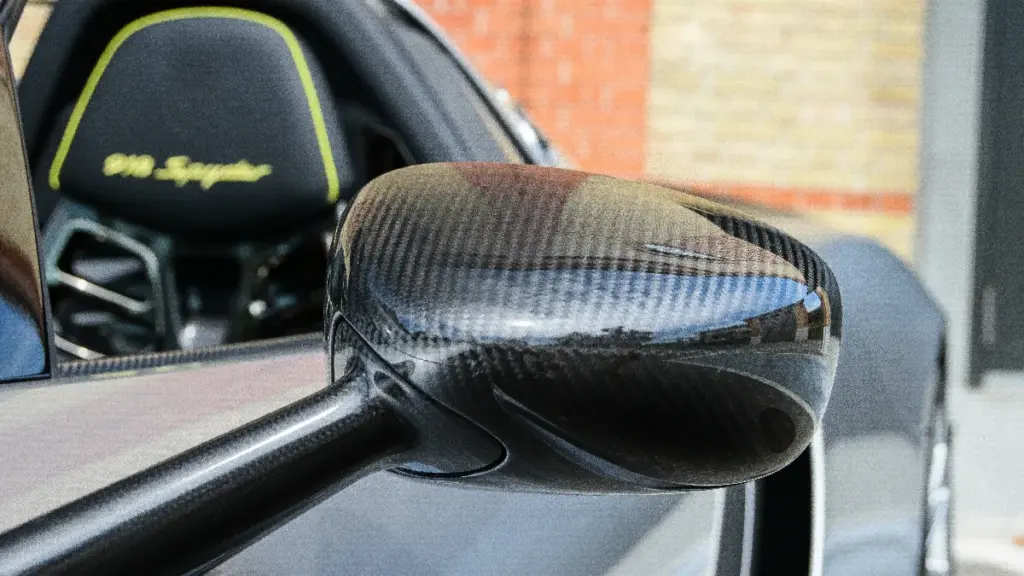
ألياف الكربون is a composite material consisting of thin, strong crystalline carbon filaments twisted into yarn and woven into fabric.
In automotive modifications, carbon fiber is commonly used for:
- Interior trim (shift paddles, center console trims, steering wheel accents)
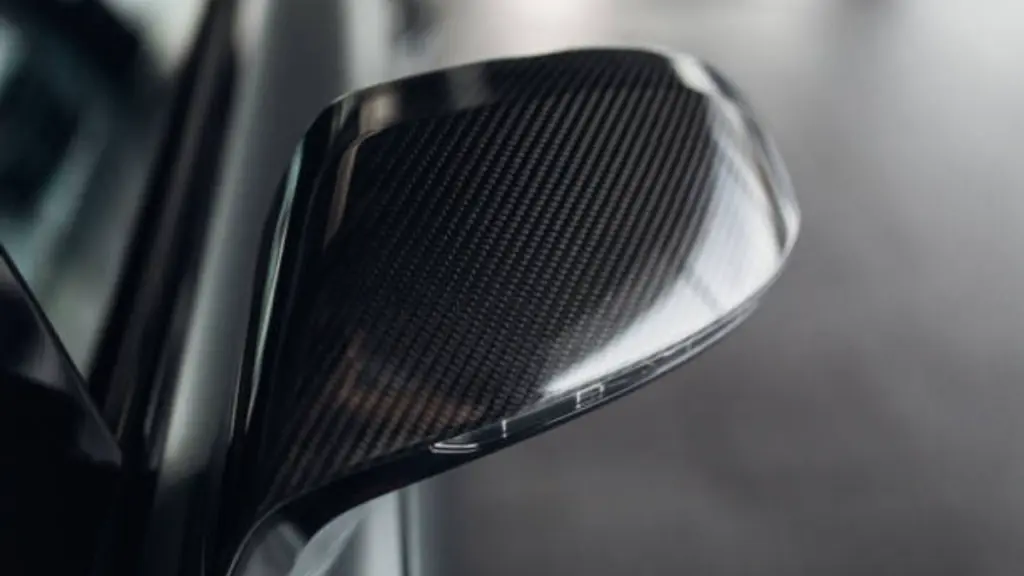
- Exterior parts (spoilers, mirror covers, diffusers)
- Lightweight functional components
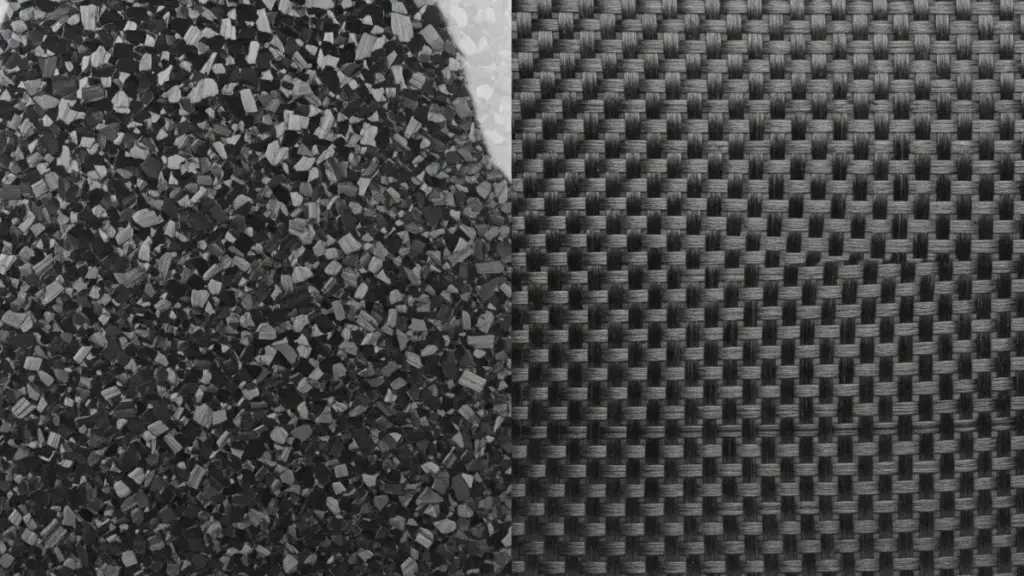
The industry standard for high-performance parts is Pre-preg Dry Carbon Fiber. This material uses carbon fabric pre-impregnated with a precise amount of resin. It is cured under high pressure and heat, resulting in a part with a high fiber-to-resin ratio.
Pros and Cons of Carbon Fiber
Advantages of Carbon Fiber
- Extremely lightweight compared to traditional plastics
- High strength and rigidity
- Excellent heat resistance
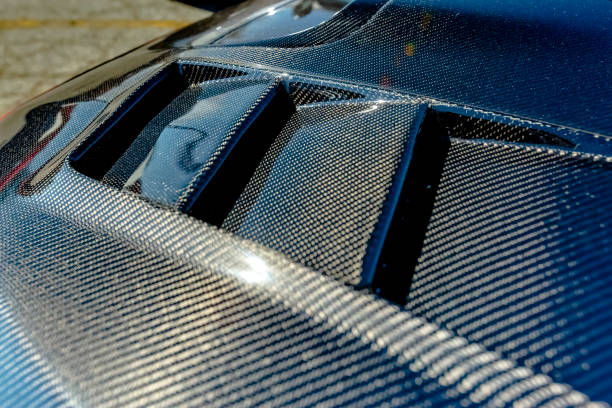
- Premium appearance with real 3D woven texture
- Ideal for high-end automotive interior and exterior upgrades
Limitations of Carbon Fiber
- Higher material and production cost
- More complex عملية التصنيع
- Not ideal for ultra-low-cost or disposable products
What Is ABS Plastic in Car Parts?
ABS (Acrylonitrile Butadiene Styrene) is a thermoplastic polymer widely used for OEM components like bumpers, trim, and dashboards. It is produced via injection molding, where molten plastic is injected into a steel mold and cooled.
In the car modification market, ABS plastic is typically used for:
- Interior trims and covers
- Exterior cosmetic parts
- Carbon-look accessories (with hydro dipping or printed patterns)
Many “carbon fiber style” parts on the market are actually ABS plastic processed with Hydro-dipping (Water Transfer Printing). This applies a printed carbon pattern onto the plastic surface, followed by a clear coat.
Pros and Cons of ABS Plastic
Advantages of ABS Plastic
- Lower cost compared to carbon fiber
- Good impact resistance and flexibility
- Ideal for large-volume production
- Shorter lead times for molded parts
Limitations of ABS Plastic
- Heavier than carbon fiber
- Lower heat resistance
- Surface finish and texture are limited
- Long-term durability can decline under UV exposure
Key Differences Between Carbon Fiber and ABS Plastic At A Glance
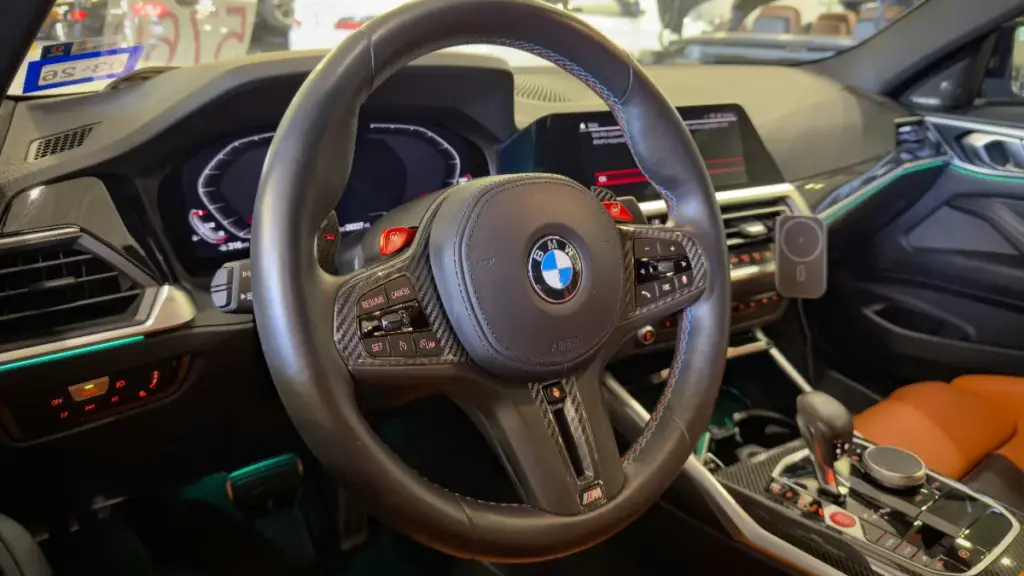
To help you make a quick, data-driven decision, we have compiled a direct technical comparison between Autoclave Dry Carbon Fiber (Toray 3K) and standard Injection Molded ABS Plastic.
| Feature | Autoclave Dry Carbon Fiber | ABS Plastic (Injection Molded) |
|---|---|---|
| Material Composition | Toray 3K Carbon Fiber + Epoxy Resin Matrix | Acrylonitrile Butadiene Styrene (Thermoplastic) |
| Weight (Typical) | Typically lighter for the same part design (high strength-to-weight, less material needed) | Typically heavier for the same part size (needs thicker sections to stay rigid) |
| Specific Gravity (Density) | ~1.5 – 1.6 g/cm³ (Ultra-lightweight) | ~1.04 – 1.07 g/cm³ (Moderate weight) |
| Tensile Strength | High (>3500 MPa for fiber) | Moderate (~40-50 MPa) |
| Heat Deflection Temp | Excellent (>120°C / 248°F) | Moderate (~85°C – 100°C / 185°F – 212°F) |
| Stiffness (Modulus) | Very High (Rigid, maintains shape under load) | Low (Flexible, prone to warping) |
| Impact Behavior | Brittle (Can crack under severe stress) | Ductile (Dents or deforms before breaking) |
| Visual Finish | 3D Holographic Depth, Woven Texture | Flat Color or 2D Printed “Carbon Look” |
| Manufacturing Cost | High (Labor-intensive, lengthy process) | Low (Fast, automated mass production) |
| Repairability | Difficult (Requires professional composite repair) | Easy (Can be plastic welded, glued, or filled) |
| Best Application | Hoods, Trunks, Spoilers, Mirror Caps, Interior Trim | Bumpers, Side Skirts, Splitters (Disposable parts) |
Carbon Fiber vs. ABS Plastic: 5 Key Differences You Must Know
1. Manufacturing Process: Autoclave Carbon Fiber vs. Injection-Molded ABS
Carbon fiber automotive parts—especially dry carbon—are produced using autoclave technology. Layers of carbon fiber prepreg are laid into molds, vacuum-sealed, and cured under high temperature and pressure (typically 120–180°C). This process removes air and excess resin, resulting in high fiber density, precise thickness control, and consistent structural performance.
ABS plastic parts are made through injection molding. ABS pellets are melted at around 200–240°C and injected into steel molds, then cooled and ejected. This process is fast and cost-efficient, but the final part’s strength and accuracy depend heavily on mold quality and plastic flow behavior. The process difference directly impacts fitment, weight, and long-term durability.
2. Weight Reduction & Performance
Carbon fiber is known for its exceptional strength-to-weight ratio. Typical carbon fiber composites offer tensile strength between 500–800 MPa while remaining extremely lightweight. This allows parts to be thinner without sacrificing rigidity, resulting in noticeable weight reduction and improved performance, especially in steering response and handling.
ABS plastic is much heavier for the same strength level. To maintain rigidity, ABS parts often require thicker walls or internal reinforcement. While suitable for cosmetic components, ABS cannot match carbon fiber’s performance benefits. For drivers focused on lightweight upgrades and refined driving feel, carbon fiber offers a clear advantage.
3. Strength, Durability & Heat Resistance
Carbon fiber composites maintain structural stability under high temperatures. Depending on the resin system, dry carbon parts typically have a heat deflection temperature (HDT) of 120–180°C, making them suitable for sun-exposed interiors and demanding automotive environments. Carbon fiber also resists long-term fatigue and deformation.
ABS plastic has a lower HDT, usually around 90–105°C. Under prolonged heat exposure, ABS may soften, warp, or age faster. While ABS offers good impact resistance, its long-term durability is more limited when exposed to heat, UV light, and repeated thermal cycles.
4. Visual Aesthetics: Real Carbon Fiber vs. ABS Carbon-Look
Real carbon fiber features a genuine three-dimensional woven structure. The fiber layers create depth, light reflection, and texture that change with viewing angle. This visual complexity is one of the main reasons carbon fiber is associated with premium automotive upgrades.
ABS plastic carbon-look parts rely on surface treatments such as printed patterns or hydro dipping. Although visually similar from a distance, the surface remains flat. Over time, wear or fading can further expose the difference. For high-end interior trims, carbon fiber delivers a more authentic and lasting visual experience.
5. Price & Cost Analysis
Carbon fiber parts are more expensive due to higher raw material costs, longer production cycles, and strict quality control. Autoclave curing, CNC trimming, and surface finishing all add to manufacturing cost, but they also deliver higher precision and lower defect rates.
ABS plastic benefits from low material cost and high-speed injection molding, making it ideal for mass production and entry-level products. However, lower cost often comes with trade-offs in durability, heat resistance, and perceived value. Many brands choose carbon fiber when product positioning and long-term quality matter more than initial cost.
Which Material Is Right for Your Automotive Project?
Select ABS Plastic If:
- Target Market: Budget-conscious consumers or entry-level vehicle owners.
- Application: Parts subject to frequent scraping (e.g., front splitters on lowered cars) where replacement cost is a concern.
- Requirement: Parts that must be painted to match the body color.
Select Real Carbon Fiber If:
- Target Market: High-end tuning shops, luxury vehicle owners (BMW M, AMG, Tesla), and track enthusiasts.
- Application: High-visibility areas (hoods, trunks, mirrors) and interior touchpoints (steering wheels, paddle shifters).
- Requirement: Maximum weight savings, heat resistance, and premium aesthetic appeal.
Need a Custom Solution?
Shasha Carbon can develop hybrid solutions or exclusive molds tailored to your market needs. Contact our R&D Team to discuss your project.
How Shasha Helps You Choose the Right Solution
As a dedicated carbon fiber auto part manufacturer based in Dongguan, Shasha Carbon bridges the gap between OEM quality standards and aftermarket flexibility.
- Verified Materials: We use only imported Toray Carbon Fiber. We do not cut corners with fiberglass fillers disguised as carbon.
- Precision Fitment: Our engineering team uses المسح الضوئي ثلاثي الأبعاد و CNC Cutting for every mold. This ensures our parts fit seamlessly, reducing installation time and returns.
- Scalable Production: With a 3,200m² facility and 2000+ SKUs, we support everything from small batch MOQ (3-5 sets) to large-scale OEM production runs.
- Fast Fulfillment: We offer 5-day lead times for in-stock items and dropshipping support for e-commerce sellers.
Looking for a reliable manufacturing partner?
Stop settling for inconsistent quality. Sourcing directly from the factory ensures better margins and faster support.

 Arabic
  English
  French
  German
  Hindi
Hindi  Italian
  Japanese
  Korean
  Portuguese
  Russian
  Spanish