

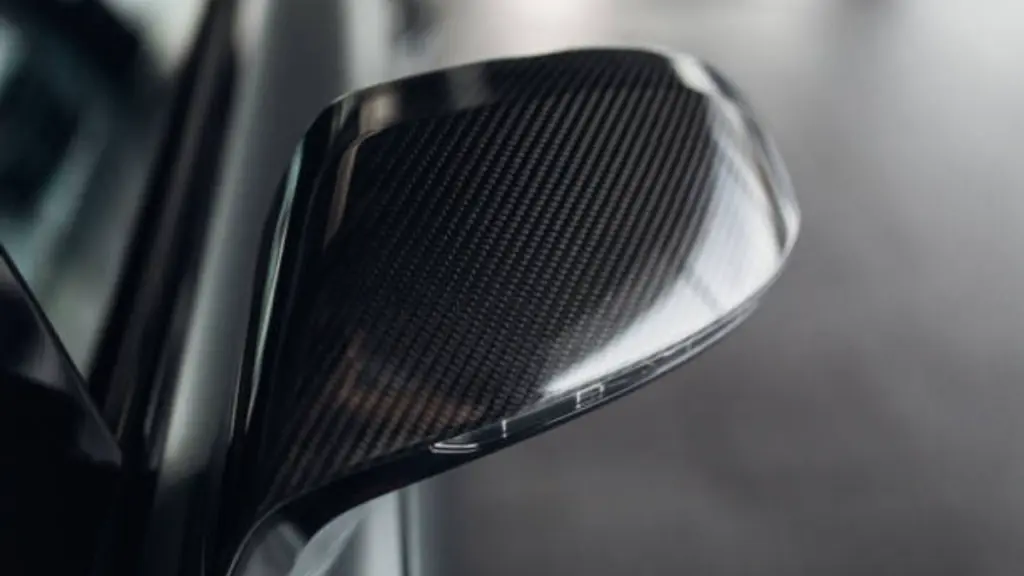
The primary reason to use carbon fiber in automotive manufacturing is to achieve high structural rigidity at a fraction of the weight of traditional metals. A properly manufactured carbon fiber composite has an average density of 1.5 to 1.6 g/cm³—making it approximately 40-45% lighter than aluminum and nearly 75% lighter than steel.
However, a material’s theoretical density does not guarantee a lightweight final product. If you unpack a new carbon fiber hood and it feels unexpectedly heavy, you are likely dealing with poor manufacturing processes, such as excess resin accumulation or hidden fiberglass cores.
In this guide, we break down the real-world weight of carbon fiber, examine the production factors that add unnecessary mass, and explain how you can verify the quality of the parts you source.
Weight Comparison of Carbon Fiber vs. Steel vs. Aluminum
When evaluating structural materials, engineers focus on “specific strength” (the strength-to-weight ratio). Углеродное волокно delivers a specific strength up to 10-15 times higher than standard steel, allowing you to achieve substantial weight reduction without compromising structural integrity.
Here is how the average densities compare:
| Material | Average Density (g/cm³) |
|---|---|
| Carbon Fiber Composite | ~1.5 – 1.6 g/cm³ |
| Алюминий | ~2.7 g/cm³ |
| Сталь | ~7.8 g/cm³ |
In automotive applications, the location of weight reduction is just as important as the total amount. Replacing a 20 kg steel hood with a 5 kg carbon fiber equivalent directly lowers your vehicle’s center of gravity, which improves handling and reduces body roll. Furthermore, utilizing carbon fiber for unsprung components, such as suspension arms or wheels, provides you with significantly greater improvements in acceleration and braking compared to reducing sprung weight alone.
Source True Dry Carbon With Perfect Fitment

Factors That Affect Carbon Fiber Weight in Automotive Parts
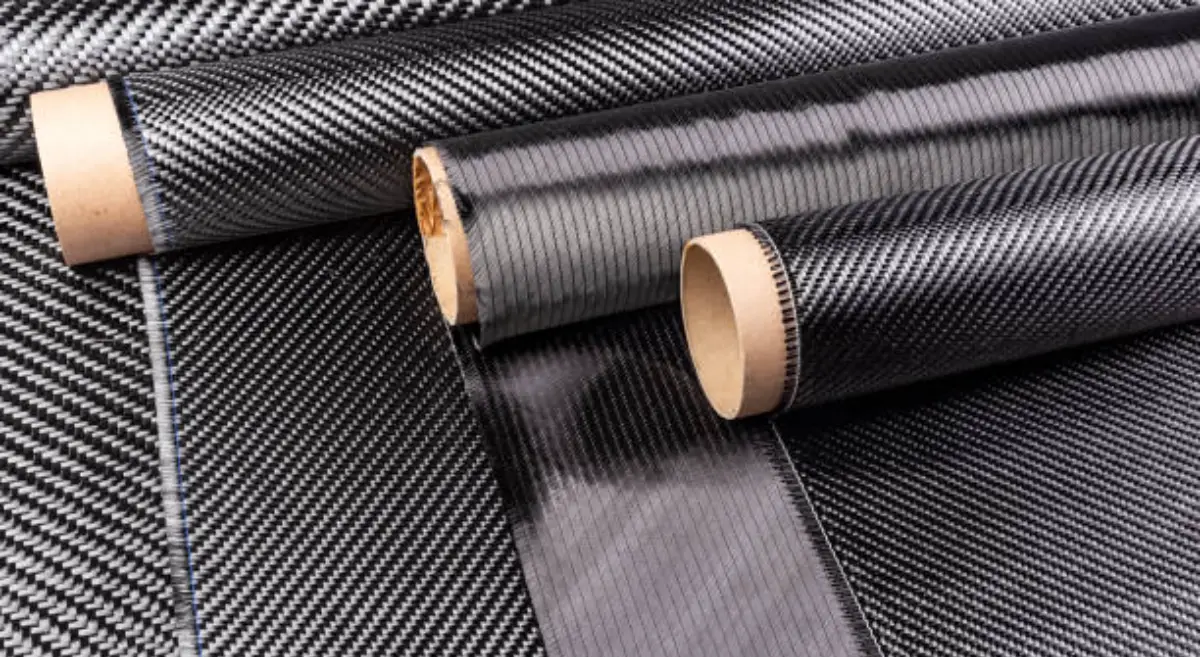
Two carbon components with the exact same dimensions can yield different weights on the scale. Material density is only the baseline; the final mass is dictated by the производственный процесс. If you are trying to understand why certain parts weigh more than they should, here are the primary factors:
The Fiberglass (FRP) Core Trap
Some low-cost suppliers produce “carbon fiber” parts that are essentially heavy Fiberglass Reinforced Plastic (FRP) structures with a single layer of carbon laminated on the surface for cosmetic purposes. True carbon fiber composites are typically 15% to 30% lighter than equivalent fiberglass parts. Because fiberglass has a higher density (around 1.95 g/cm³), using an FRP core negates the weight-saving benefits of carbon fiber while still charging you a premium price.
The Weight of Excess Resin
In composite materials, carbon fibers provide tensile strength, while epoxy resin acts as the binder. However, resin itself adds weight. Common ‘wet carbon’ hand lay-up methods frequently result in an oversaturated fabric. This pooling resin adds unnecessary mass, degrades the strength-to-weight ratio, and leaves you with a brittle component that is more prone to cracking.
Fabric Choice and Ply Count
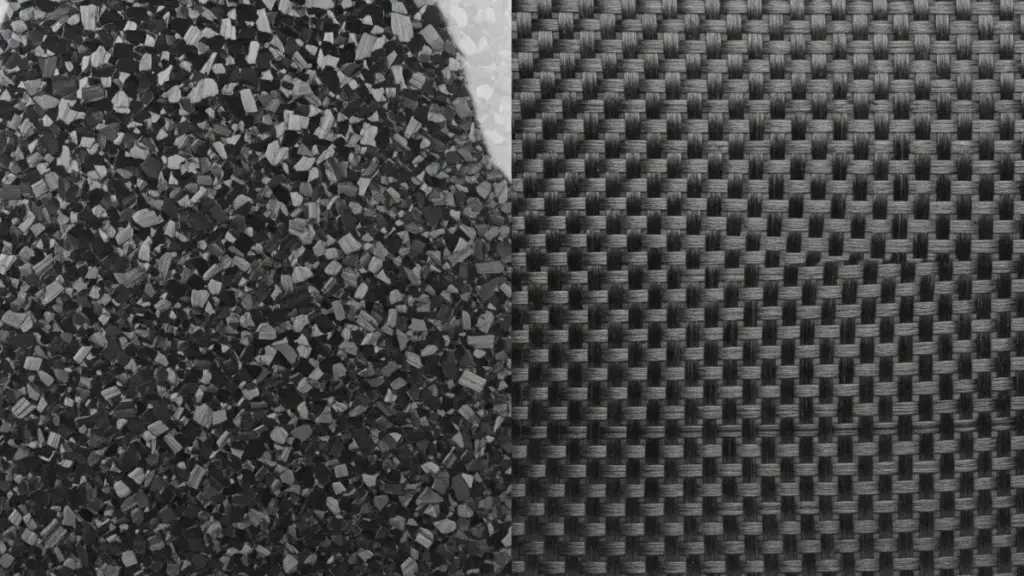
The thickness and tow of the carbon fabric (such as a standard 3K twill versus heavier forged chopped carbon) directly affect the final mass. High-quality manufacturing involves strategic “ply drops”—placing additional layers of pre-preg fabric only where specific structural stress points require reinforcement, rather than uniformly thickening the entire part.
Gel Coats vs. Thin Clear Coats
Surface finishing is another variable that affects weight. To mask weaving imperfections, lower-quality wet carbon parts are often coated with thick, heavy layers of gel coat. Premium components, by contrast, utilize ultra-thin, baked-on clear coats that provide required UV protection without adding excessive weight to your build.
How Autoclave Technology Achieves Maximum Lightness
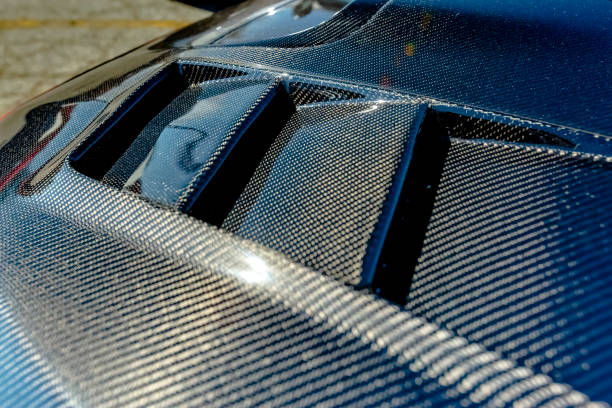
To eliminate excess mass and maximize strength, top-tier manufacturers utilize “Dry Carbon” production. At Шаша Карбон, we rely strictly on Autoclave Molding to ensure your parts maintain consistent weight and superior structural integrity.
The process begins with pre-impregnated materials (pre-preg), where machines apply a highly controlled amount of resin to achieve the optimal 60:40 fiber-to-resin volume ratio.
The pre-preg carbon is sealed in vacuum bags and cured inside an autoclave chamber. While standard vacuum bagging relies on normal atmospheric pressure (14.7 psi), an autoclave applies significantly higher, controlled pressure. This intense compression forces the composite layers together, effectively extracting trapped air voids and drawing out any surplus resin. The result is a highly consolidated component that achieves the absolute minimum weight possible for its design.
How to Verify Carbon Fiber Quality by Weight
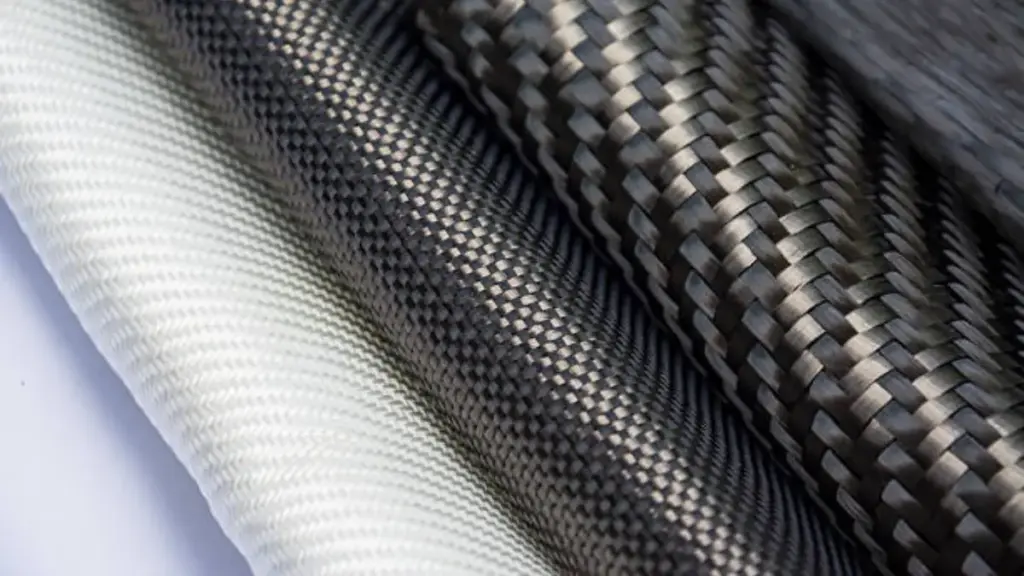
When evaluating a shipment of composite parts, verifying weight consistency is essential for quality control. Here are the standard methods you can use to test for lightweight integrity and manufacturing defects:
- Ultrasonic Testing (NDT): In a manufacturing environment, technicians use ultrasonic scanners to detect internal air voids within the carbon structure. A high void content directly correlates to structural weakness and inconsistent mass across a production batch.
- Precision Weighing: A genuinely lightweight part indicates a highly optimized manufacturing process. By establishing strict gram-level weight tolerances, manufacturers ensure that every piece in a batch delivers the specified weight savings.
- The Tap Test (Acoustic Inspection): For a practical field assessment, a simple acoustic “tap test” is highly effective. Tapping the carbon surface with a coin should produce a sharp, high-pitched resonance. A dull thud typically indicates internal manufacturing flaws, such as hidden air voids, thick pools of resin, or internal delamination.
Final Thoughts
Opting for cheaper wet carbon or FRP-backed components may reduce your initial procurement costs, but the resulting excess weight and structural inconsistencies often lead to performance failures and customer returns.
At Shasha Carbon, our Autoclave ‘Dry Carbon’ process ensures strict weight control. We manufacture components optimized for the highest strength-to-weight ratio, providing the reliability required by premium automotive brands.
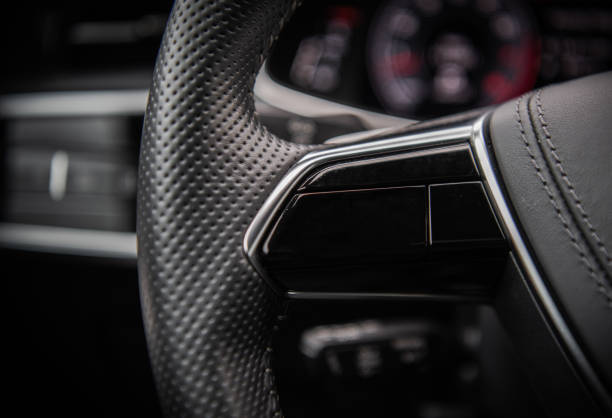
Verify the difference firsthand. Start with a low-MOQ trial order of our signature carbon fiber paddle shifters to evaluate the fitment and weight savings directly. Contact our team today to request a quote and discuss your next custom project.
Часто задаваемые вопросы
Is carbon fiber lighter than titanium?
Yes. While titanium is widely used in aerospace for its lightweight properties (with a density of roughly 4.5 g/cm³), carbon fiber composites (1.5–1.6 g/cm³) are still about three times lighter. This provides you with comparable or superior specific strength with significantly less mass.
Is “forged carbon” heavier than woven carbon fiber?
Generally, yes. Forged carbon utilizes chopped fibers pressed into complex molds. To ensure these short fibers flow properly during the compression phase, a slightly higher resin-to-fiber ratio is required compared to continuous woven pre-preg parts. This additional resin makes forged carbon marginally heavier than traditional 3K dry carbon.
What does “GSM” mean when specifying carbon fiber?
GSM stands for Grams per Square Meter. It refers to the physical weight of the dry carbon fabric before any resin is applied. A standard automotive 3K twill weave is typically around 200–240 GSM. Verifying the GSM helps you understand the actual amount of raw fiber used in your component versus the resin content.
How do engineers accurately calculate a part’s weight?
Rather than relying on basic volume estimations, precision manufacturers calculate the total surface area, multiply it by the fabric’s GSM and the number of layers (ply count), and then add the specific weight of the resin matrix required to achieve a 60:40 ratio.
Can a carbon fiber part be too light?
Yes. If a manufacturer uses too little resin (falling below the optimal 60:40 ratio) in an attempt to artificially lower a part’s weight, it results in “resin starvation.” In this state, the fibers do not bond correctly, leaving dry spots and creating a brittle part that will fail under stress. High-quality production requires maintaining the correct structural ratio, not just minimizing weight.



 Russian
  English
  Arabic
  French
  German
  Hindi
Hindi  Italian
  Japanese
  Korean
  Portuguese
  Spanish