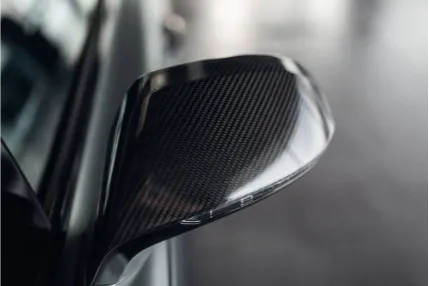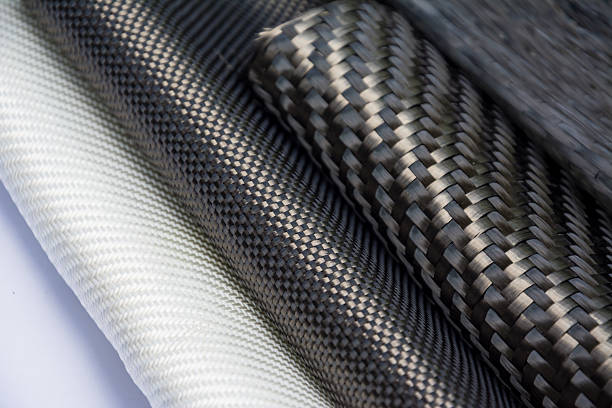

Are carbon fiber car parts worth it? If you are buying for personal use or sourcing products to sell, the answer depends heavily on quality, manufacturing standards, and long-term reliability. High-quality carbon fiber parts can reduce vehicle weight and improve styling. They can also increase product value and customer appeal. In contrast, low-grade alternatives often cause fitment issues, surface defects, and expensive returns. This practical guide helps you understand what actually makes carbon fiber parts worth the investment.
Why Drivers and Brands Consider Carbon Fiber Upgrades
Performance Gains and Visual Enhancement
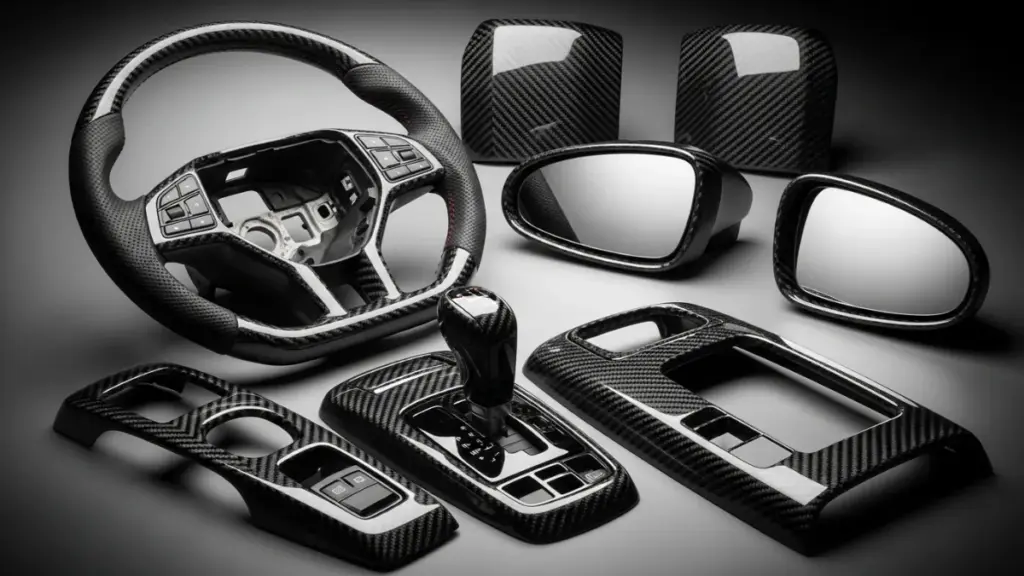
The main draw is simple: performance. Swapping metal parts for carbon fiber significantly cuts weight. This reduction means the engine has less mass to move, resulting in faster acceleration and more responsive, sharper handling in corners. Lighter cars just feel more agile.
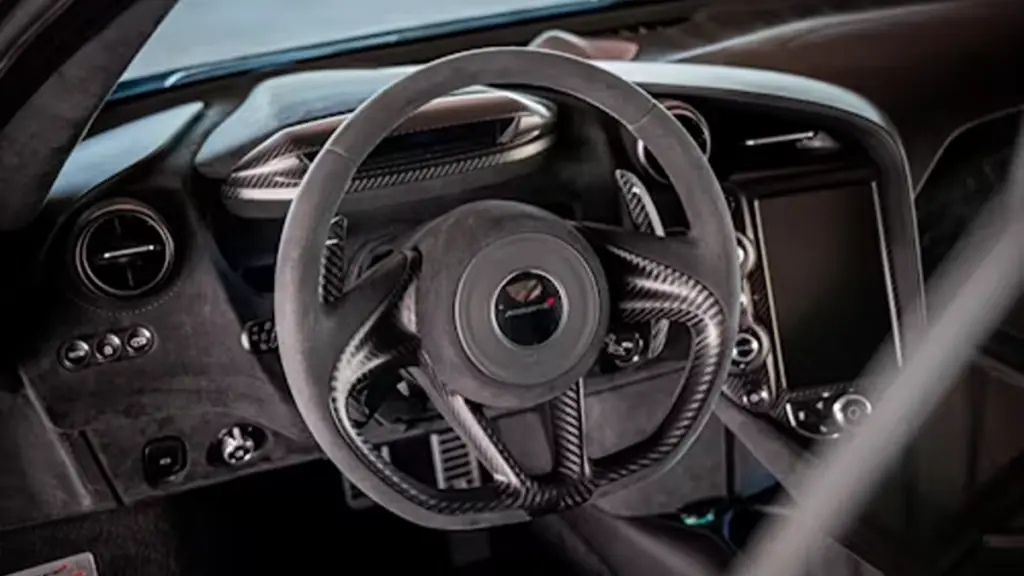
But it’s not just about being lightweight. Carbon fiber has a higher tensile strength than steel, which increases the vehicle’s structural rigidity. This stiffness reduces chassis flex during aggressive driving, improving safety and stability. Aesthetically, the material’s distinct woven pattern provides a high-tech look that instantly signals quality and raises the car’s perceived value.
The Role of True Dry Carbon Manufacturing
Not all carbon fiber is created equal. The manufacturing process directly impacts the final product’s quality and performance. True performance-grade parts are a result of precise engineering, not just cosmetic layering.
- Autoclave Technology: This process uses high pressure and heat to create true “Dry Carbon” parts. The result is a component that is far lighter and stronger than the common hand-laid or “wet” carbon alternatives, which often prioritize looks over structural integrity.
- Premium Raw Materials: Sourcing quality fiber is critical. We use imported Japan Toray 3K Carbon Fiber, which provides a superior 3D depth and a more distinct texture that cheaper materials simply can’t match.
- Precision Fitment: A perfect fit isn’t a luxury; it’s a requirement. We use CNC cutting based on original vehicle data to guarantee a flawless 1:1 fitment. This level of precision is impossible to achieve with the manual grinding and finishing common in low-end production.
Performance Benefits of Carbon Fiber Car Parts
Lower Vehicle Weight
One of the biggest advantages of carbon fiber car parts is weight reduction. Compared with steel or aluminum components, carbon fiber parts can reduce weight by more than 50% in certain applications. Lower vehicle weight improves acceleration, braking response, and overall driving efficiency because the engine and braking system handle less mass during operation.
Better Handling and Driving Response
Reducing weight also improves vehicle dynamics. Lighter components help lower the car’s center of gravity, making the vehicle feel more stable, responsive, and controlled during cornering. This is especially noticeable in performance driving, where reduced chassis load can improve steering precision and overall road feedback.
Improved Efficiency and Material Performance
Carbon fiber can also improve fuel efficiency and EV range by reducing overall vehicle weight. However, real performance depends heavily on manufacturing quality. High-end processes such as autoclave molding with Japan Toray 3K carbon fiber create parts with better stiffness, strength, and structural consistency than standard hand-laid products. This results in more reliable fitment, greater durability, and more stable performance under stress.
Unlock Profits with Precision Dry Carbon Parts.

Appearance and Long-Term Durability
Premium Carbon Fiber Appearance
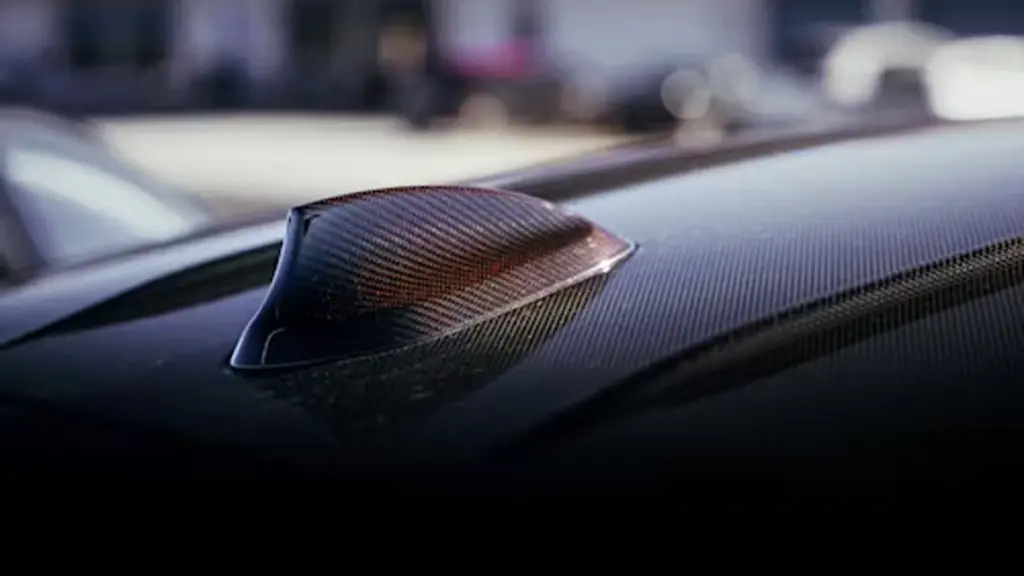
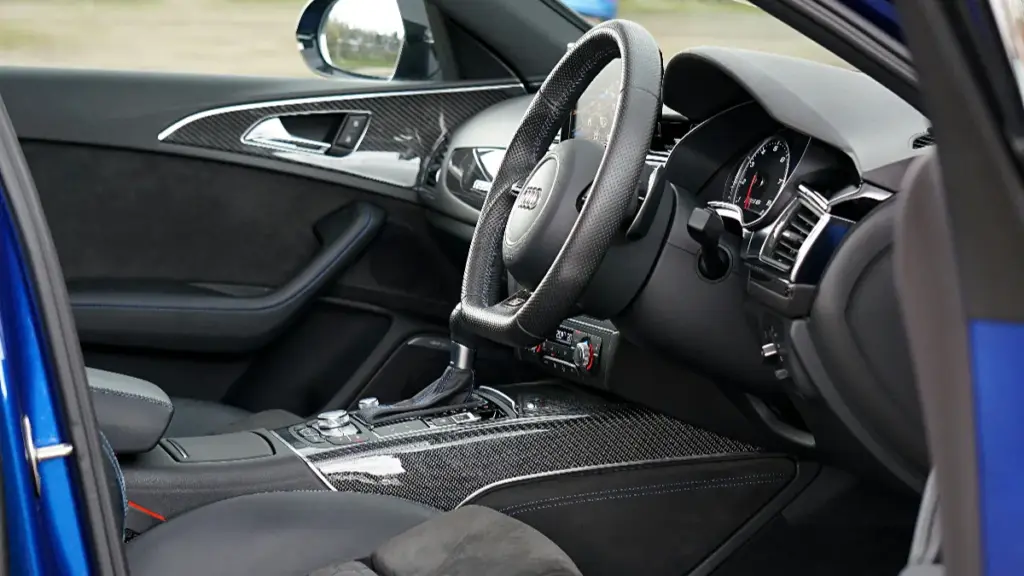
One reason carbon fiber car parts remain popular is their distinctive high-performance appearance. The woven texture and glossy surface are strongly associated with motorsports, supercars, and premium vehicle upgrades. For many buyers, carbon fiber is not only about reducing weight but also about creating a more aggressive and refined visual style that immediately makes a vehicle stand out from standard factory models.
What Affects Carbon Fiber Finish Quality
The final appearance of carbon fiber depends heavily on material quality and manufacturing precision. High-quality parts made with Japan Toray 3K carbon fiber provide a cleaner weave pattern, stronger visual depth, and more consistent surface texture than lower-grade alternatives. Processes such as autoclave molding, CNC trimming, and dust-free painting also help improve fitment accuracy and surface smoothness, while a high-gloss UV-resistant clear coat protects the finish from oxidation, fading, and yellowing over time.
How Carbon Fiber Holds Up in Daily Driving
Carbon fiber offers strong corrosion resistance and performs well in daily driving when manufactured correctly. Unlike metal parts, it does not rust, but long-term durability still depends on resin quality and surface protection. A properly applied UV-resistant clear coat helps protect the material from sunlight, moisture, road debris, and minor surface damage, helping premium carbon fiber parts maintain their structural stability and appearance for years with basic maintenance and regular cleaning.
How Carbon Fiber Affects Resale Value and Brand Image
Boosting Market Appeal and Perceived Worth
Cars fitted with genuine carbon fiber accessories are immediately associated with luxury and performance. This isn’t just perception; it often translates to them selling faster and at a premium. The market, especially within enthusiast communities, recognizes these upgrades as a significant selling point that separates a car from stock models.
The material’s durability also plays a major role in long-term value. Unlike metal that rusts or plastic that fades and cracks, quality carbon fiber resists corrosion and holds its finish. This longevity adds to the car’s desirability years down the line, protecting your investment.
Why Precision Fitment Is Key to Protecting Value
Nothing screams “cheap aftermarket mod” like a part that doesn’t fit right. Gaps, misalignments, and poor finishes can seriously lower a car’s resale value and create a negative impression that hurts the vehicle’s brand image. A potential buyer sees a poorly fitted part and immediately questions the quality of all work done on the car.
This is why manufacturing technology is so important. At Shasha Carbon, we use original vehicle data to drive our process. We rely on Autoclave technology for structural integrity and CNC cutting for absolute precision. This combination guarantees a 1:1 fitment, ensuring every part aligns perfectly with the car’s original lines. This level of precision protects the vehicle’s aesthetic and its market worth.
When Carbon Fiber May Not Be the Best Choice
Higher Costs and Repair Expenses
Carbon fiber car parts are not always the most practical option for every vehicle or budget. Compared with standard aluminum or plastic components, genuine carbon fiber parts are significantly more expensive because of the materials and manufacturing processes involved. Repair costs can also be higher after impact damage, since cracked carbon fiber often requires specialized repair work or full replacement instead of simple dent repair.
Low-Quality Carbon Fiber Products
Another major issue is the large number of low-quality products on the market. Many inexpensive “carbon fiber” parts are actually ABS plastic with hydro-dipped carbon patterns that offer no real weight reduction, structural benefit, or long-term durability. Poor manufacturing can also lead to weak fitment, uneven weave patterns, surface bubbles, fading, and premature yellowing over time.
Choosing Carbon Fiber for the Right Application
Carbon fiber delivers the best value when performance, appearance, and weight reduction are genuine priorities. High-quality dry carbon parts manufactured with processes such as autoclave molding provide far better consistency, fitment accuracy, and durability than low-cost alternatives. At Shasha Carbon, we focus on precision dry carbon components that combine premium surface quality with reliable long-term performance for automotive applications.
How to Choose Carbon Parts That Are Truly Worth the Price
Look Beyond the Surface: Material and Manufacturing Matter
Not all carbon fiber is created equal. A part’s price tag is a direct reflection of its material origin and production method. True dry carbon is formed in an autoclave under immense heat and pressure, creating a lightweight, rigid component. This is completely different from “wet carbon,” which is often just fiberglass with a carbon layer hand-laid on top—a cheaper process that results in a heavier, less durable part.
High-quality parts show a clear, uniform weave pattern with a visible 3D depth. Inconsistent patterns, distortions, or a flat appearance often indicate lower-grade materials or a simple cosmetic overlay. Real carbon also provides inherent benefits like corrosion resistance and high fatigue strength, ensuring it won’t degrade from engine heat or road vibrations.
| Attribute | Premium Dry Carbon (The Standard) | Budget Wet Carbon (The Compromise) |
|---|---|---|
| Material | Genuine Toray 3K carbon fiber for a deep, consistent 3D weave. | Unspecified fiber with a carbon overlay or water transfer print. |
| Fabrication | Autoclave molding under high heat and pressure for maximum rigidity. | Simple hand lay-up process, leading to excess resin and weight. |
| Fitment & Finish | Precision CNC cutting ensures a guaranteed 1:1 fitment. | Manual trimming results in uneven edges and poor alignment. |
| Résultat | Extremely lightweight, strong, and durable parts. | Heavier, more brittle, and prone to delamination or fading. |
The Advantage of Autoclave Forming and Toray Fiber
At Shasha Carbon, our entire process is built around delivering parts that meet the standards of serious buyers. We don’t cut corners on the fundamentals, which is why we can stand behind our product’s quality and fit.
- Core Material: We use only imported Japan Toray 3K Carbon Fiber. This creates a stronger 3D depth effect and a superior texture compared to common domestic materials.
- Forming Process: Our Autoclave Molding technology produces parts that are lighter, harder, and have a much clearer weave pattern than anything made with a hand lay-up process.
- Fitment Guarantee: All parts are finished with CNC cutting. This ensures clean, precise edges and exact hole alignment for a true 1:1 fitment on the vehicle, eliminating any installation guesswork.
How Shasha Helps Different Buyers Get Value from Carbon Fiber
Serving Different Business Models in the Auto Industry
The aftermarket for carbon fiber isn’t monolithic. Different businesses have completely different sourcing needs. We built our model to support the main players:
- Customization Shops & Car Clubs: These clients need premium, small-batch parts for unique projects where quality and fitment are non-negotiable.
- Cross-border E-commerce Sellers: Businesses on Amazon or Shopify require reliable, ready-to-ship stock and dropshipping support to manage cash flow and test new products.
- Offline Retailers & Traders: This group depends on predictable supply chains, stable lead times, and consistent product quality to maintain healthy margins.
A Flexible Supply Chain for Stock and Custom Orders
Our operational flexibility is how we solve these different sourcing challenges directly. We aren’t just a factory; we’re a supply chain partner.
- One-Stop Customization: We manage the entire process for custom clients, from 3D modeling and mold making to final production and packaging.
- Low MOQ for Stock: Most of our stock items have low or no minimum order quantity. This makes it easy for e-commerce partners to place trial orders or use our dropshipping services.
- Small-Batch Custom Production: Our custom production MOQ starts at just 3–5 sets. This is far below the typical industry standard, which opens the door for niche projects.
- Reliable Lead Times: We ship stock orders within 5 days. Custom production takes about 30 days, which is significantly faster than the 50-day industry average.
Questions fréquemment posées
Are carbon fiber car parts worth the cost?
Their value depends on your goals. Carbon fiber delivers significant weight reduction and superior strength, improving vehicle performance and efficiency. It also resists corrosion, offering great long-term durability. The higher price reflects the advanced materials and complex manufacturing process required. It’s most beneficial for performance tuning, extending EV range, or for owners who value longevity.
Do carbon fiber parts actually improve performance?
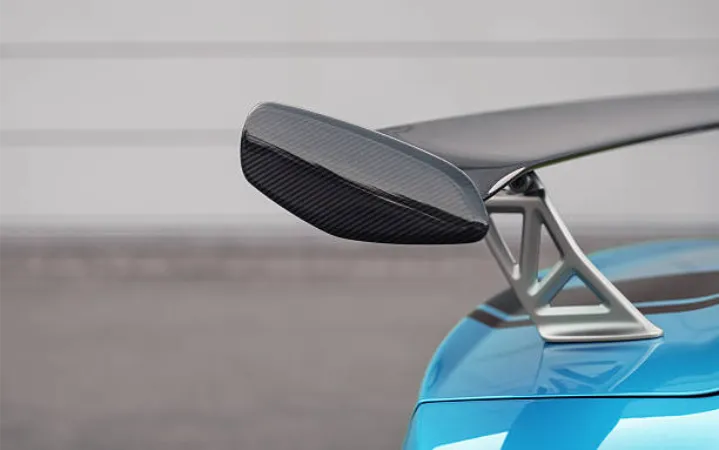
Yes, their primary benefit is performance enhancement. Carbon fiber’s light weight improves acceleration and handling by lowering the car’s center of gravity. Its strength allows for the creation of more effective aerodynamic parts like spoilers and diffusers, which increase stability at speed. It also manages heat well, helping components like air intakes deliver cooler, denser air to the engine for better combustion.
How long do carbon fiber parts last?
High-quality carbon fiber parts can last for the entire life of a vehicle, often 15 years or more. The carbon fibers themselves are incredibly strong and durable. The key is the quality of the resin that binds them. A part with a high-quality, UV-resistant clear coat will resist yellowing and cracking, ensuring both its appearance and structural integrity endure.
Will carbon fiber parts increase my car’s resale value?
Genuine, high-quality carbon fiber parts can increase a car’s resale value. Buyers, especially in the performance market, recognize these upgrades as a sign of quality and thoughtful modification. Aerodynamic and weight-reducing components add the most appeal. Fake or poorly fitted parts, on the other hand, will likely lower the vehicle’s value.
Are cheap carbon fiber parts a bad idea?
Generally, they are a risky purchase. Inexpensive carbon fiber often has issues with poor fitment, inconsistent weave patterns, and low durability. The lower price comes from cutting corners on materials and quality control. This can lead to parts that crack, discolor, or fail to provide any real performance benefit, ultimately costing more in the long run.
Who should buy carbon fiber parts?
Carbon fiber is ideal for performance enthusiasts who want better handling and acceleration. It’s also a great choice for show car builders looking to add aesthetic value and for EV owners wanting to maximize battery range through weight savings. Anyone planning to keep their car long-term will also benefit from its excellent durability and resistance to corrosion.
Final Thoughts
Carbon fiber car parts can be worth the investment when quality, manufacturing precision, and long-term reliability are prioritized. Low-grade products may reduce upfront costs, but they often create problems later through poor fitment, weak durability, surface defects, and customer returns. Choosing properly manufactured dry carbon parts is critical for achieving real performance, appearance, and long-term value.
At Shasha Carbon, we use autoclave molding, Japan Toray 3K carbon fiber, and CNC precision cutting to produce high-quality carbon fiber components with stable fitment, clean weave consistency, and durable surface finishes. If you are looking for reliable carbon fiber products for personal upgrades, resale, or OEM projects, contact Shasha Carbon to request a product catalog or discuss your next project with our team.