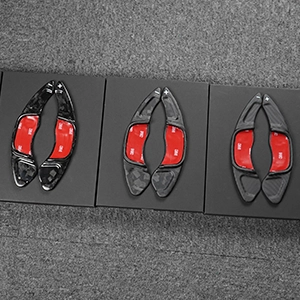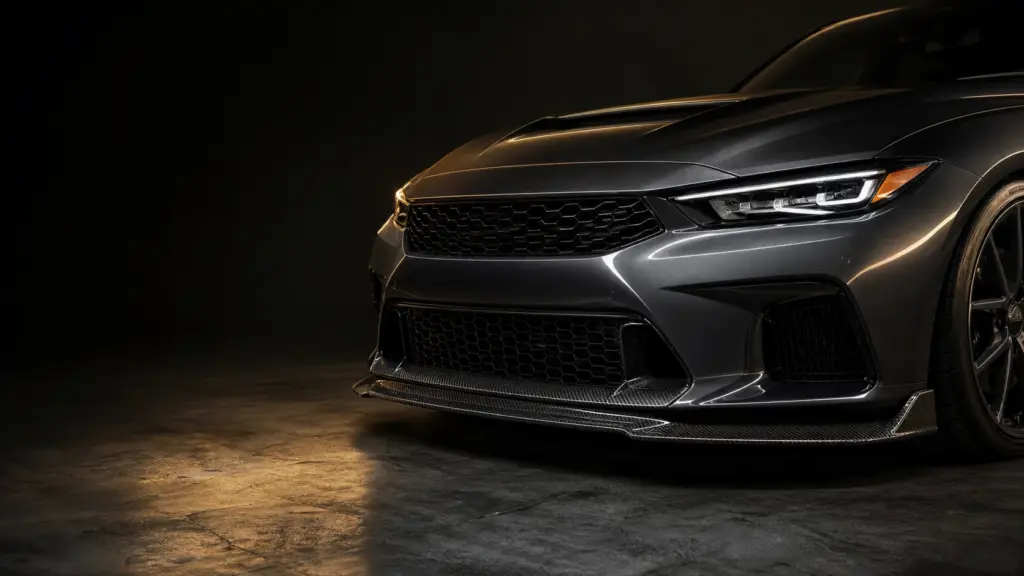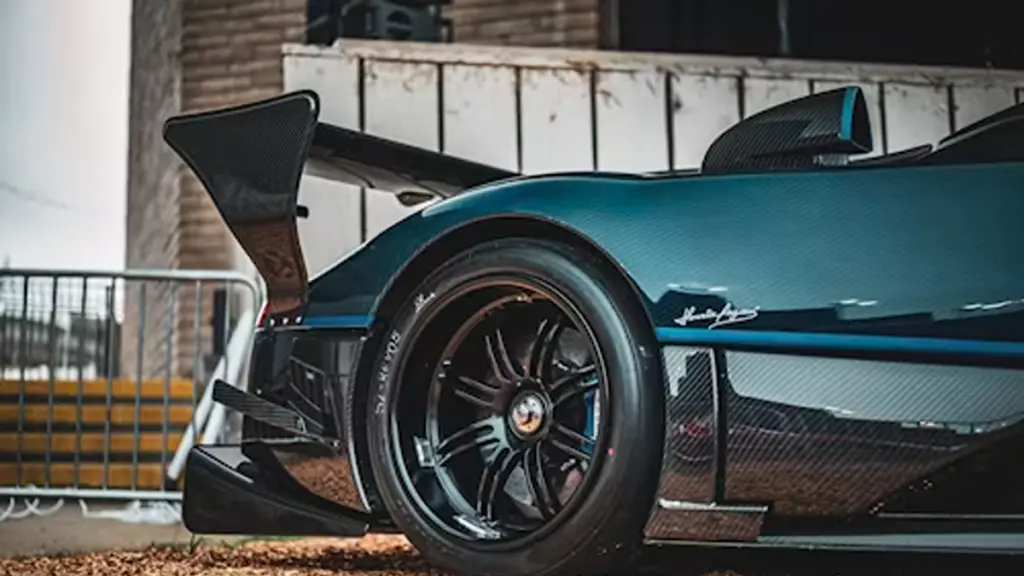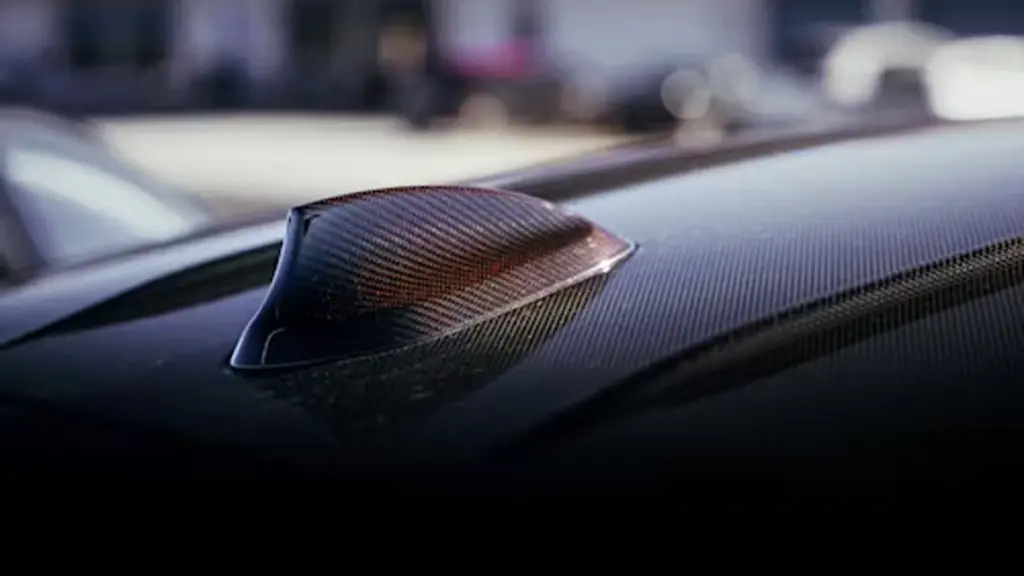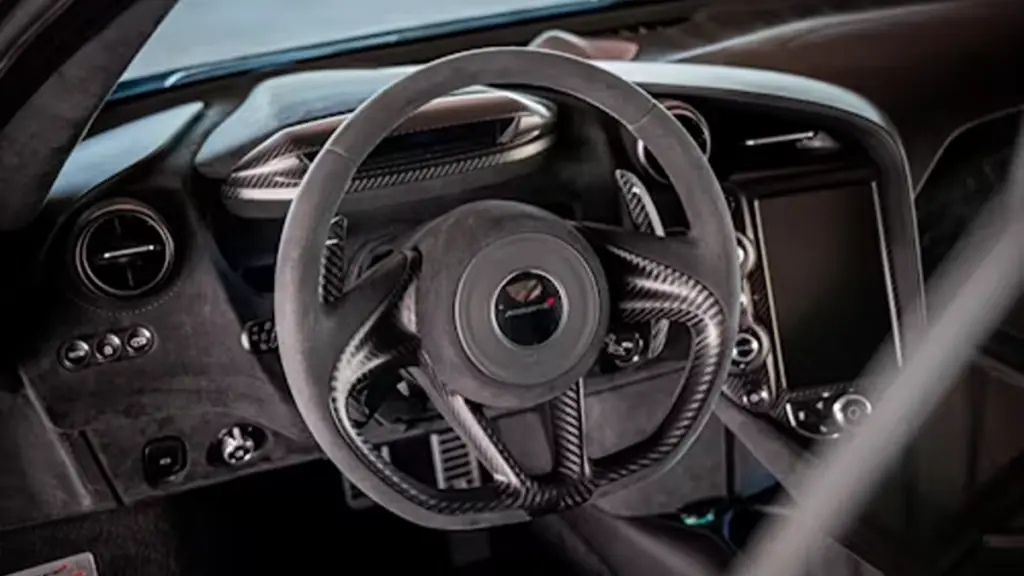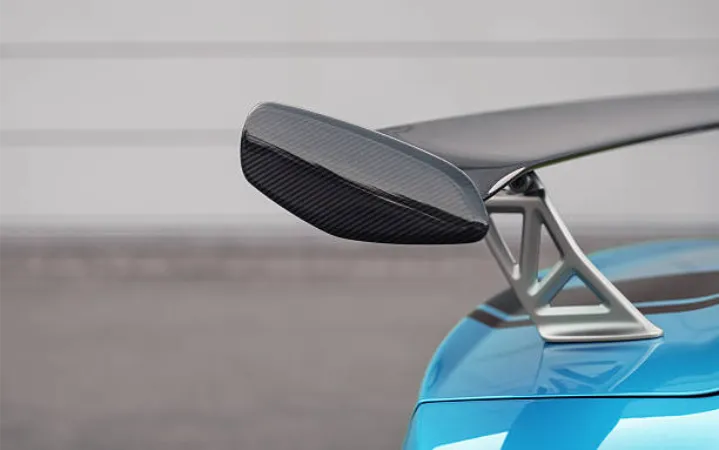
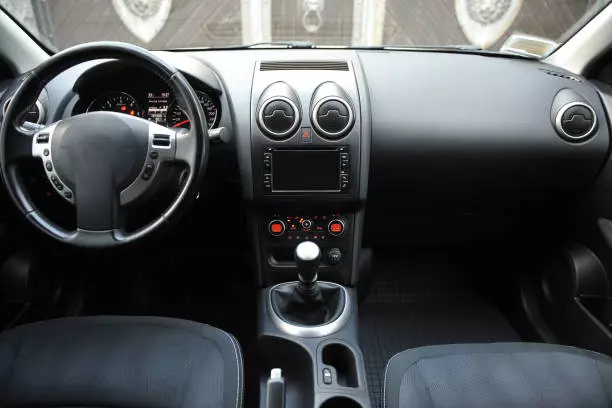
Fuente: Existencias
Tener un automóvil para la mayoría de las personas es una necesidad hoy en día. Sin uno, es posible que no puedas llegar a tu trabajo, su escuela, o viaja a donde quieras. Cuando se trata de autos, el exterior brillante y las líneas elegantes pueden venir a la mente de la mayoría de las personas. Pero cuando piensas en comprar un coche, La apariencia de un automóvil no debe ser lo único que le preocupe., el interior es igualmente importante, específicamente, su comodidad, estilo, y funcionalidad que dependen básicamente de los accesorios del interior del coche y sus materiales..
Con una amplia gama de materiales para interiores de automóviles disponibles en los mercados., Puede que te sientas abrumado por tantas opciones., Desde tela de cuero clásica hasta ligera y resistente. exterior del coche de fibra de carbono. Bien, Estás de suerte – Este artículo compartirá con usted sobre los materiales comunes para el interior del automóvil y las piezas de acabado del interior del automóvil., incluyendo sus tipos, pros y contras, y use.
Antes de entrar en los tipos y aplicaciones de los materiales para el interior del coche., es necesario dejar claro qué es el interior del coche. Los interiores de los coches incluyen tapicería automotriz y accesorios dentro de un vehículo, incluyendo materiales de tapicería de automóviles como el cuero, nylon, y poliéster, y accesorios de auto como el volante, asientos de carro, manija de la puerta, y paneles laterales.
¿Por qué es tan importante el interior del coche??
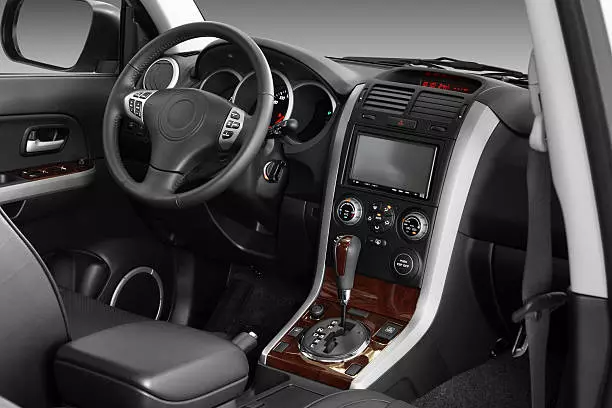
Fuente: Existencias
Ahora que tenemos una definición clara de interior de coche., el siguiente paso es aprender la importancia de los interiores de los automóviles para la industria automotriz, concesionarios de autos, y clientes.
La industria del automóvil
Como parte importante de un coche., el interior del coche representa más 60% del diseño general de un automóvil, mucho más que diseño exterior, lo que indica la importancia y complejidad del diseño de interiores.. Eso es cierto. Después de todo, Los diseñadores de interiores de automóviles deben tener en cuenta una variedad de factores., como la seguridad, estilo, diseño ergonomico, y elección de materiales, en color y acabado. En general, Los diseñadores de interiores deben lograr un equilibrio entre estética y funcionalidad al diseñar interiores de automóviles..
Fabricantes
Mientras que el aspecto exterior de un coche llama la atención de los clientes, El interior tiene un peso considerable cuando los clientes toman sus decisiones de compra.. Después de todo, El interior del coche es la parte que más ven los clientes.. Un automóvil de alta calidad con interiores confortables y un estilo impresionante definitivamente contribuye mucho a la compra de automóviles.. Por eso, Los fabricantes y distribuidores también valoran el interior de los automóviles.
Compradores de automóviles
Similarmente, El interior del coche es una consideración clave.. El color interior muestra el carácter de un automóvil y refleja el gusto y la personalidad del propietario del mismo.. Los interiores de colores oscuros transmiten sofisticación., lujo, y una sensación de calma. Grande, Los colores llamativos como el rojo y el amarillo evocan felicidad y energía y se asocian con el deporte., joven, y conductores agresivos. Los interiores luminosos son más elegantes., de buen tono, y sencillo.
Más allá de verse bonito y elegante, El interior del coche también debe ser funcional y duradero. que involucra la ergonomía del automóvil. El interior del coche suele estar diseñado de forma ergonómica., desde la colocación de accesorios del automóvil hasta el diseño de la posición del asiento y los botones.. Por ejemplo, El conductor puede ajustar varios controles, como la altura del asiento y los espejos, para garantizar el máximo confort y una buena visión de la carretera.. Los botones de control son accesibles al alcance de la mano.. Cuando el conductor está en la carretera., su mano puede alcanzar cualquier dispositivo y botón que desee sin apartar la vista de la carretera. El interior del automóvil centrado en el conductor brinda a los pasajeros y conductores comodidad y placer de conducción al tiempo que garantiza la seguridad y la facilidad de uso.
Tabla rápida de materiales para el interior del coche.
Ahora que has visto cómo diferentes personas priorizan distintos aspectos del interior del coche., Probablemente estés ansioso por sumergirte en los materiales disponibles.. No se preocupe: hemos resumido las opciones más comunes en la siguiente tabla para una comparación rápida..
| Material | Durabilidad | Comodidad | Atractivo estético | Mantenimiento | Ecológico | Mejor para |
|---|---|---|---|---|---|---|
| Cuero | Alto | Suave & Cómodo | Lujoso & De primera calidad | Moderado (requiere cuidado) | Bajo | Vehículos de lujo, interiores de alta gama |
| Vinilo | Moderado | Firme | Pulcro & Elegante | Bajo (fácil de limpiar) | Moderado | Económico, interiores elegantes |
| Nylon | Moderado | Firme & Práctico | Versátil | Alto (se mancha fácilmente) | Moderado | uso diario, interiores económicos |
| Poliéster | Moderado | Suave & Cómodo | Elegante & Asequible | Alto (requiere limpieza especial) | Moderado | Coches familiares, áreas de alto tráfico |
| Fibra de carbon | muy alto | Firme | Moderno & Alta tecnología | Bajo (fácil de limpiar) | Bajo | Coches de alto rendimiento, interiores deportivos y de lujo |
| Aluminio | Alto | Firme | Pulcro & Industrial | Bajo (resistente a la corrosión) | Moderado | Ligero, vehículos de alto rendimiento |
| Fibra de vidrio | Alto | Rígido | Pulcro & Práctico | Bajo (fácil de mantener) | Moderado | Vehículos comerciales, piezas ligeras |
¿Qué tipos de tejidos interiores se utilizan en los automóviles??
Fuente: Existencias
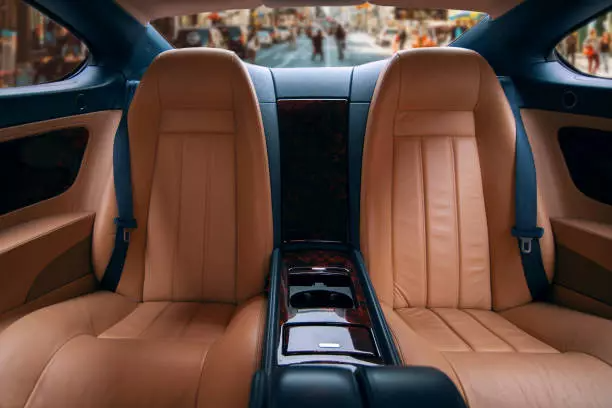
Los principales tejidos utilizados para el interior de los automóviles son el cuero., vinilo, nylon, y poliéster. Cada uno ofrece beneficios únicos., Pero los mejores materiales para los interiores de los coches de lujo dependen de factores como la durabilidad., comodidad, asequibilidad, y mantenimiento.
Cuero
- Ventajas: El cuero es cómodo y suave., proporcionando un viaje elegante y cómodo. Es fácil de limpiar y resiste manchas y líquidos.. Cuando hay derrames y suciedad, no los remojará inmediatamente. Con un paño húmedo, la mancha se puede limpiar fácilmente. Si el cuero se mantiene bien, puede durar toda la vida. El cuero representa el lujo y el buen gusto., sumando a la estética general de los interiores. Como material premium, El cuero también aumenta en gran medida el valor de reventa del automóvil..
- Contras: El cuero es significativamente más caro en comparación con otros tejidos. y por lo tanto no es asequible para todos los compradores de automóviles. Es vulnerable a rayones por bordes afilados y objetos como uñas de mascotas.. Es complejo y costoso de reparar. Más, Se requiere un mantenimiento regular para mantener el cuero con un buen aspecto y evitar que el material se agriete con el tiempo..
Vinilo
- Ventajas: El vinilo es fácil de limpiar y mantener, ya que es casi no poroso y resistente a las manchas y la suciedad. Los derrames se pueden limpiar fácilmente con un paño húmedo.. Ofrece la apariencia del cuero a un precio más asequible., lo que lo hace ideal para quienes tienen un presupuesto ajustado o buscan una opción respetuosa con el medio ambiente.. El vinilo es duradero., dura mucho tiempo sin decolorarse ni agrietarse, y es favorecido por los fabricantes por su equilibrio entre costo y calidad..
- Contras: similar al cuero, El vinilo se raya o daña fácilmente con objetos afilados.. El material absorbe más calor en verano, por lo que es posible que sudes y te sientas incómodo al sentarte sobre superficies de vinilo..
Nylon
- Ventajas: El nailon es conocido por su impresionante resistencia., durabilidad, asequibilidad, y versatilidad. Como material resistente y duradero., El nailon resiste el desgaste diario y dura mucho tiempo. Está disponible en una amplia variedad de colores., patrones, y texturas. Los materiales de nailon no son tan caros de producir., por eso los fabricantes de automóviles prefieren este material de menor coste.
- Contras: Por su naturaleza porosa, el nailon se mancha fácil y rápidamente. Los derrames en los asientos pueden impregnar la estructura del cojín., Requiere un mantenimiento bastante regular.. También absorbe el olor fácilmente.
Poliéster
- Ventajas: Similar a la gamuza, El poliéster es muy suave y cómodo pero económico., dando al interior una sensación más lujosa. El poliéster es un tejido transpirable.. Para que no haga calor en verano y se quede contigo. Además, El poliéster puede soportar mucho desgaste., por lo que es una excelente opción para familias con niños o mascotas.
- Contras: El poliéster es propenso a mancharse ya que absorbe olores desagradables y se mancha fácilmente con suciedad y líquidos debido a su textura porosa. Por lo tanto, requiere limpieza regular. También, Limpiar poliéster puede ser una molestia. Para que el poliéster vuelva a lucir nuevo, un paño húmedo y agua por sí solos están lejos de ser suficientes. Se requiere una solución de limpieza diseñada para microgamuza para limpiar la suciedad acumulada.
Materiales de accesorios comunes
Fuente: Pexels
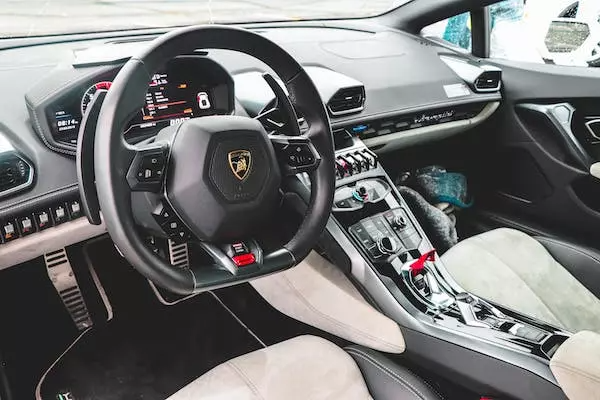
Se utilizan diferentes tejidos en el interior de un coche según su asequibilidad., comodidad, facilidad de limpieza y mantenimiento, y valor estético. Asimismo, Se necesitan diferentes tipos de interiores de automóviles para diseñar diferentes partes y accesorios de un automóvil., y estos materiales afectan la durabilidad, diseño, y calidad de un vehículo. A continuación se muestran varios materiales comunes utilizados en accesorios para automóviles.:
Acero
El acero es quizás el más utilizado en la producción de automóviles en la actualidad.. La composición del vehículo ha terminado. 50% hecho de acero. Pero esto no significa que sólo se utilice un tipo de acero en las piezas de automóviles.. De hecho, Se utilizan varios tipos de acero en la producción de una variedad de piezas y componentes de automóviles. para lograr un cierto nivel de durabilidad y funcionalidad. El acero es muy duro y fuerte., y proporciona una gran resistencia a la corrosión. Todas estas propiedades lo hacen adecuado como material para la fabricación de automóviles. Generalmente, El acero se utiliza principalmente en el chasis y la carrocería de un automóvil., incluyendo frenos, paneles de puerta, el marco del coche, y las vigas de soporte.
Fibra de vidrio
La fibra de vidrio es duradera. Es resistente al óxido, corrosión, y condiciones climáticas extremas, proporcionando buena resistencia al impacto y resistencia a la tracción. Puede reemplazar el acero en áreas donde el acero puede corroerse fácilmente.. Como material ligero, La fibra de vidrio es especialmente importante para las piezas de automóviles donde el peso se considera un factor crucial.. La fibra de vidrio es flexible.. Se puede moldear en cualquier forma deseada.. Con estas ventajas, La fibra de vidrio se usa comúnmente para las pastillas de freno., embragues, y paneles de puertas de vehículos comerciales.
Aluminio
El aluminio se utiliza en la industria automovilística desde hace décadas debido a sus propiedades únicas.. Es mucho más resistente que el acero y puede soportar temperaturas y presiones extremas.. El aluminio es ligero y resistente a la corrosión, lo que lo hace ideal para la fabricación de piezas del interior del automóvil, como paneles de carrocería y condensadores de aire acondicionado..
Su capacidad de ser moldeado en formas complejas y su durabilidad También mejora la eficiencia del combustible al hacer el automóvil más liviano y mejorar el rendimiento.. El aluminio se utiliza cada vez más en la decoración de automóviles, así como en piezas interiores de fibra de carbono personalizadas, debido a su versatilidad y resistencia..
Fibra de carbon
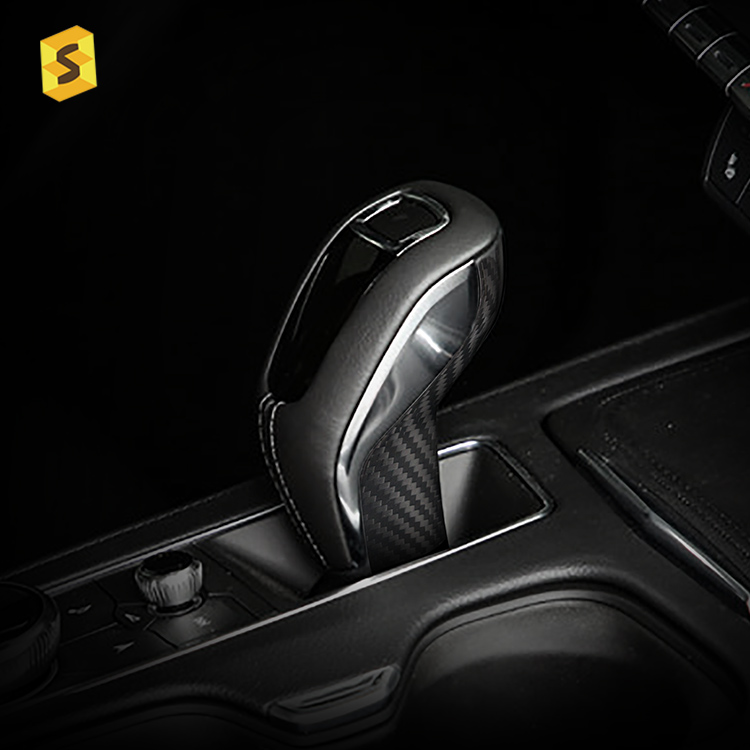
La fibra de carbono es un nuevo material premium utilizado para producir piezas de automóviles, y los accesorios para automóviles de fibra de carbono se están volviendo populares en la industria del automóvil, especialmente en la fabricación de vehículos de carreras de alta gama. Dado que algunos autos – particularmente autos deportivos – están destinados a ser rápidos, La fibra de carbono puede mejorar la velocidad y la fuerza de la carrocería al tiempo que reduce el peso total de un vehículo..
Para piezas de automóviles destinadas a ser ligeras pero duraderas, La fibra de carbono también es el material perfecto.. Piezas de coche de fibra de carbono. son mucho más fuertes pero más ligeros. Puede soportar el calor y la presión con el tiempo y no se deformará.. Con este beneficio liviano pero resistente y apariencia elegante, interiores de coches de fibra de carbono son cada vez más populares en la industria automotriz. La fibra de carbono se utiliza a menudo en componentes de carrocerías de automóviles., ruedas y llantas, y acabados interiores.
Materiales interiores emergentes y sostenibles
El lujo se une a la sostenibilidad
Los mejores materiales para interiores de coches de lujo integran ahora elementos sostenibles sin renunciar a la elegancia. Los compradores conscientes del medio ambiente pueden disfrutar de acabados de alta gama y al mismo tiempo contribuir a un futuro más ecológico..
Reciclado & Materiales ecológicos
Materiales como telas recicladas, plásticos biodegradables, y el cuero vegano están ganando popularidad como opciones sostenibles para el interior de los diseños de automóviles.. Estas opciones reducen la huella ambiental manteniendo el estilo y la comodidad..
Innovación en fibra de carbono
Los accesorios interiores de automóviles de fibra de carbono son cada vez más populares debido a sus propiedades ligeras y duraderas.. Ofrecen una solución ecológica sin comprometer el lujo o la resistencia..
Natural & Alternativas sustentables
Materiales como el corcho, bambú, y el poliéster reciclado se están abriendo camino en tipos de diseños de interiores de automóviles, ofreciendo opciones elegantes pero sostenibles para la decoración del automóvil. Estos materiales proporcionan una sensación premium con menor impacto ambiental..
Selección y mantenimiento de los materiales del interior del automóvil
Cómo elegir los materiales adecuados para el interior de su automóvil
- Durabilidad vs.. Estética: Elija materiales como accesorios interiores de automóviles de fibra de carbono para lograr un equilibrio entre durabilidad y estética moderna.. Para el lujo, El cuero ofrece una comodidad superior pero requiere más cuidado..
- Considere su uso: Materiales como el nailon o el poliéster son rentables y duraderos para el uso diario.. Si priorizas la comodidad, opta por telas más suaves, pero asegúrese de que puedan resistir el desgaste.
- Personalización: Para un toque único, Las piezas interiores de fibra de carbono personalizadas le permiten personalizar su vehículo manteniendo propiedades de alta resistencia y ligereza..
Consejos para el mantenimiento de los materiales interiores de su automóvil
- Limpieza periódica: Para materiales como accesorios interiores de automóviles de cuero o fibra de carbono, Utilice limpiadores y acondicionadores adecuados para mantener la textura y el brillo..
- Cuidado de la tela: Las telas como el poliéster y el nailon pueden requerir una limpieza más frecuente para evitar manchas.. Siga siempre las pautas del fabricante para evitar daños..
- Proteger contra el desgaste: Evite productos químicos agresivos en materiales sensibles. Aspire y limpie las superficies con regularidad para mantener el interior de las piezas del automóvil en óptimas condiciones..
- Mantenimiento a largo plazo: Para tipos de materiales del interior del automóvil que muestran desgaste, reacondicionar o volver a aplicar recubrimientos protectores para extender su vida útil.
Conclusión clave

Fuente: Existencias
La industria del automóvil está en constante evolución., con nuevos materiales, desde cuero hasta poliéster y accesorios para automóviles, desde pedales de puertas fabricados en acero hasta interiores de fibra de carbono.. Las piezas de automóviles se actualizan continuamente. Con tantos materiales y tipos de interior de coche en el mercado, Es difícil decidir qué coche es el adecuado para ti..
Ahora que hemos analizado los materiales y accesorios comunes para las molduras de los automóviles, junto con sus profesionales, contras, y aplicaciones, Es fácil ver cómo estos tipos de materiales para el interior del automóvil podrían beneficiarnos a nosotros y a nuestros vehículos.. La próxima vez que compre o actualice un automóvil, podrá comprender cómo se utilizan estos materiales para el interior del automóvil en las aplicaciones adecuadas y qué tipo de interior del automóvil se adapta a sus necesidades y estilo..
Preguntas frecuentes
¿Qué tipo de tela se utiliza para la tapicería del coche??
Las telas para tapicería de automóviles varían, pero los materiales comunes incluyen el cuero, vinilo, nylon, y poliéster. Estos materiales se eligen por su durabilidad., comodidad, y valor estético.
¿Es el vinilo mejor que el cuero para los asientos del coche??
El vinilo puede ser una alternativa más asequible y fácil de mantener que el cuero, ofreciendo una estética similar. Sin embargo, el cuero es más duradero y lujoso, y cuando se combina con interiores de fibra de carbono, puede elevar la apariencia general del vehículo.
¿Cómo afectan los materiales interiores a la durabilidad de un vehículo??
Los materiales interiores impactan directamente en la longevidad de un vehículo.. Telas duraderas como el cuero o materiales avanzados como la fibra de carbono resisten el desgaste, ayudando al interior a mantener su calidad a lo largo del tiempo. Los materiales de alta calidad contribuyen tanto a la estética como a la durabilidad a largo plazo del vehículo..
¿Cuáles son los mejores materiales utilizados en los interiores de los coches de lujo??
Los interiores de los coches de lujo suelen contar con materiales de primera calidad como el cuero., ante, y fibra de carbono. Estos materiales son elegidos por su elegancia., comodidad, y alto rendimiento. ShaSha Carbon ofrece el mejor nivel interiores de fibra de carbono que añaden sofisticación y durabilidad a los vehículos de lujo.
¿La fibra de carbono es buena para el interior de los automóviles??
Sí, La fibra de carbono es un material excelente para el interior de los automóviles debido a su resistencia liviana y su apariencia elegante.. Mejora tanto los aspectos estéticos como funcionales del coche..
Interior del coche de fibra de carbono versus aluminio, cual es mejor?
Tanto la fibra de carbono como el aluminio ofrecen distintos beneficios para el interior de los automóviles.. La fibra de carbono es más ligera., más fuerte, y más duradero, proporcionando un mejor rendimiento y una apariencia lujosa. Para aprender más sobre la diferencia, consulte nuestra comparación detallada en Piezas de automóvil de fibra de carbono versus aluminio..
¿Quiénes son los mejores fabricantes de interiores de fibra de carbono para automóviles??
ShaShaCarbono es un fabricante líder de interiores de automóviles de fibra de carbono seca de primera calidad., Especializados en levas de cambio., consolas centrales, cubiertas de antena, y tapones del tanque de combustible. Utilizamos fibra de carbono 3K de alta calidad procedente de Japón para una durabilidad inigualable y un acabado impecable..