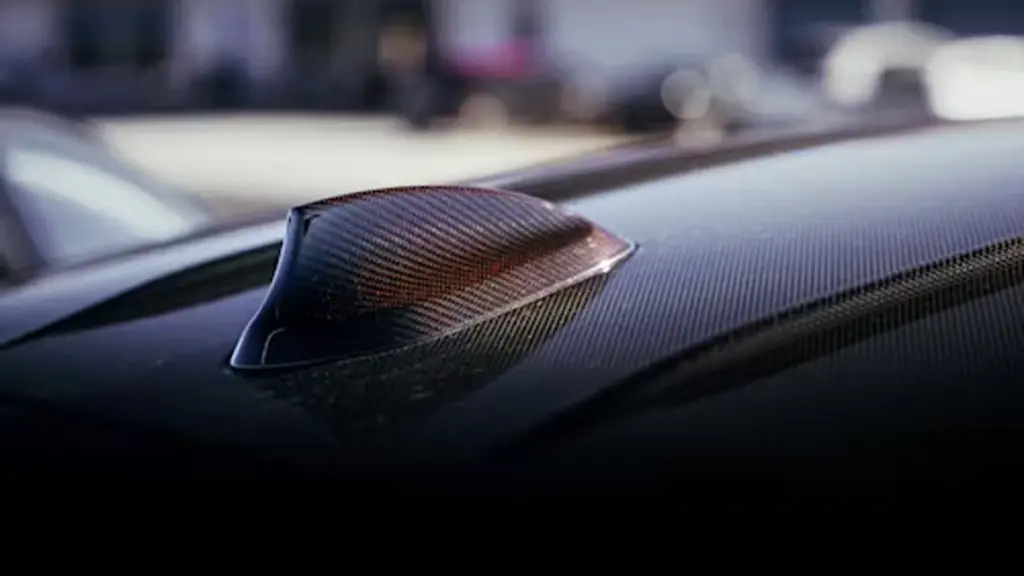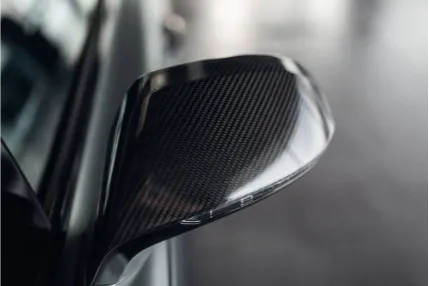
In the automotive aftermarket, the debate between “CFRP vs Prepreg” directly impacts your product return rates and brand reputation.
However, there is a common terminology trap. Prepreg is actually a type of CFRP. When people search for this comparison, they are really weighing traditional wet lay-up CFRP against factory-impregnated prepreg carbon fiber. The latter is widely known in the industry as “Dry Carbon.”
In this guide, we compare these two manufacturing methods side-by-side. This will help you determine which material is the right choice for your specific project and budget.
What is CFRP?
Carbon Fiber Reinforced Polymer (CFRP) is a composite material made of two core elements. The first component is the carbon fiber, which provides the structural strength and stiffness. The second is the epoxy resin, which binds the fibers together, distributes physical loads, and protects the material from environmental damage.
This combination creates a final product known for being incredibly strong but surprisingly light. Technically, any carbon fiber part mixed with resin is a CFRP part. However, in the car parts world, people commonly use the term “CFRP” as a shortcut to describe the cheaper, traditional wet lay-up manufacturing method.
What is Prepreg Carbon Fiber?
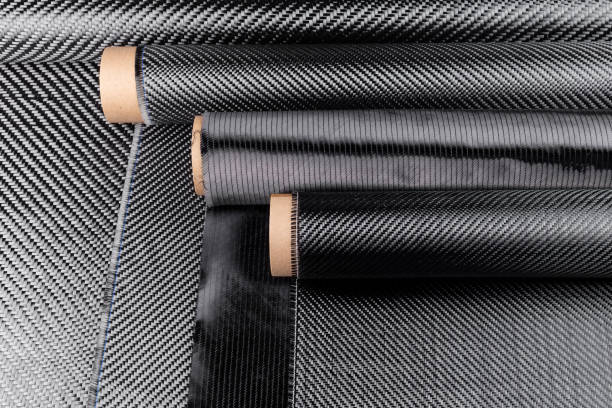
Prepreg is the premium, semi-finished version of CFRP. The name stands for “pre-impregnated.” This means the carbon fabric is already saturated with the exact, calculated amount of epoxy resin. This impregnation process is completed at the factory using precision machines.
This material arrives slightly tacky and partially cured. Because the resin is already chemically active, prepreg must be kept in strict cold storage. It is typically kept in a freezer at -18°C to stop it from hardening. When you are ready to build a part, you thaw the material, place it in a mold, and cure it under extreme heat and pressure. This completely removes the inconsistent process of applying liquid resin by hand.
Key Differences Between CFRP vs Prepreg Carbon Fiber
To make the best buying decisions, it helps to look at how these two methods stack up against each other:
| Feature | Traditional Wet Lay-up CFRP | Prepreg Carbon Fiber (Autoclave) |
|---|---|---|
| Resin Application | Applied manually by brush or roller onto dry fabric. | Factory-impregnated with machine-controlled precision. |
| Fiber-to-Resin Ratio | Lower (~30-45% fiber by weight). Prone to excess dead weight. | Optimal (~55-65% fiber by weight). Maximizes structural strength. |
| Curing Method | Ambient room temperature; basic vacuum bagging optional. | Cured inside an autoclave under high heat and intense pressure. |
| Quality & Consistency | Highly variable. Higher void content and inconsistent thickness. | Zero-tolerance precision. Minimal voids and uniform consolidation. |
Gain a Competitive Edge with Autoclaved Carbon

Manufacturing Process Comparison: Wet Layup CFRP vs Prepreg Autoclave
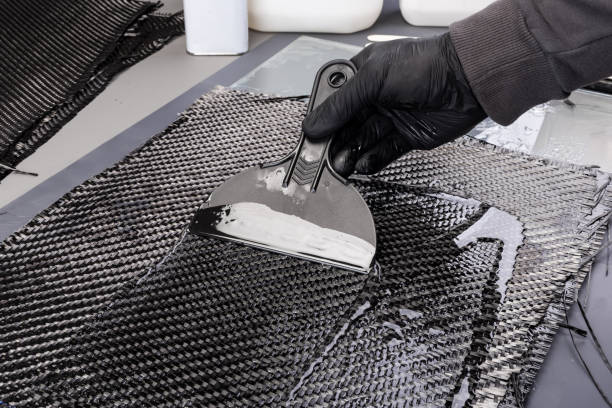
The real difference between these materials comes down to the factory floor. How the resin is applied to the fiber dictates the final quality of the part.
The Wet Layup Process: Manual Application
In a standard wet layup, a worker places dry carbon fiber cloth into a mold. They then manually paint or spray liquid resin over it. The part is left to cure at room temperature. Because it relies entirely on manual application, it frequently leads to internal air bubbles and thick pools of resin in the corners. The parts will also vary in weight from one batch to the next. It is cost-effective for basic prototypes, but inadequate if you need exact precision.
The Prepreg Autoclave Process: The Foundation of Dry Carbon
This is the process behind true Dry Carbon. Layers of prepreg material are carefully placed into a mold and sealed in vacuum bags. The mold then goes into an autoclave. An autoclave is a massive, pressurized industrial heating chamber. The intense heat cures the resin, while the high air pressure physically compresses the carbon layers together. This extracts any trapped air pockets. The result is a highly consolidated, uniform part that represents the highest standard in fabricación.
CFRP vs Prepreg Carbon Fiber in Automotive Aftermarket Applications
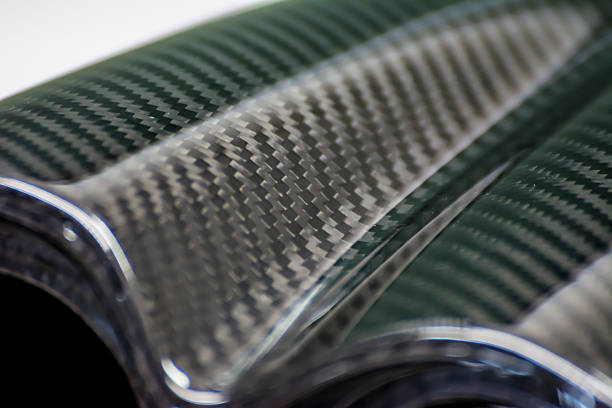
How you plan to use the part should dictate your budget and the material you choose. A functional racing wing requires a very different manufacturing standard than a simple cosmetic overlay.
Structural Strength and Weight Reduction
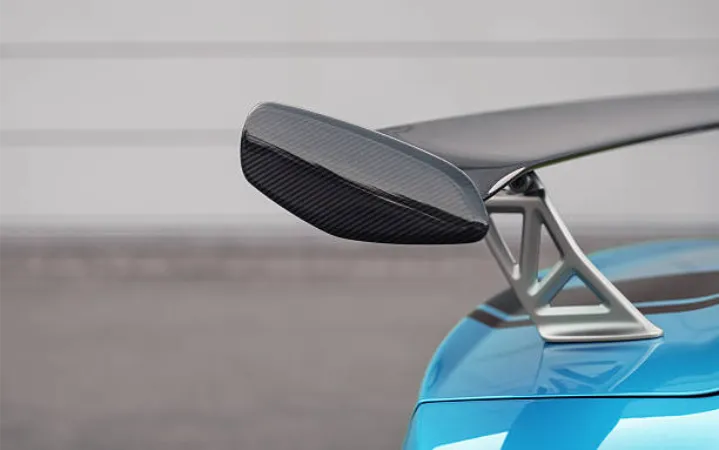
Prepreg is the only serious choice for functional aerodynamic parts. This includes chassis panels, front splitters, and high-stress spoilers. Because prepreg utilizes a higher ratio of carbon fiber to resin, it is incredibly stiff and exceptionally light.
The pressurized curing process ensures there are no hidden weak spots. This means the part will maintain its structural integrity under high aerodynamic loads and engine heat. Wet layup CFRP is simply too heavy and structurally inconsistent for real track performance.
Aesthetic Quality for Premium Trim
When a part is installed in highly visible areas, it needs to look perfect. The controlled prepreg process prevents the wavy weave lines, resin pits, and surface pinholes that often ruin wet layup parts.
When finished with a high-gloss, UV-resistant clear coat, prepreg parts deliver a deep, uniform finish. This is the exact standard luxury vehicle owners expect. If you are targeting price-sensitive buyers who just want a basic carbon look, wet layup might suffice. However, you will sacrifice this flawless presentation.
Which One Is Better for Carbon Fiber Car Interior Accessories?
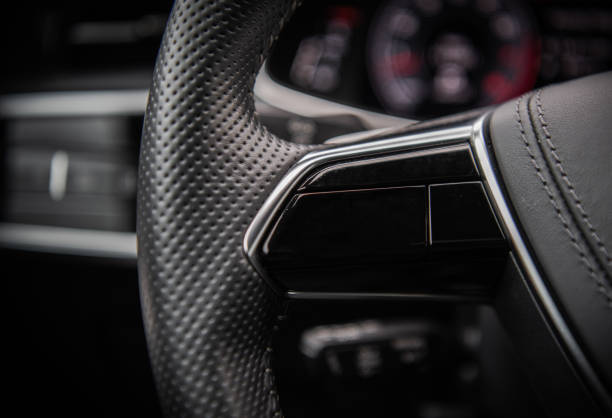
When upgrading a car interior, you aren’t just looking for style. You are dealing with tight spaces where exact tolerances are critical.
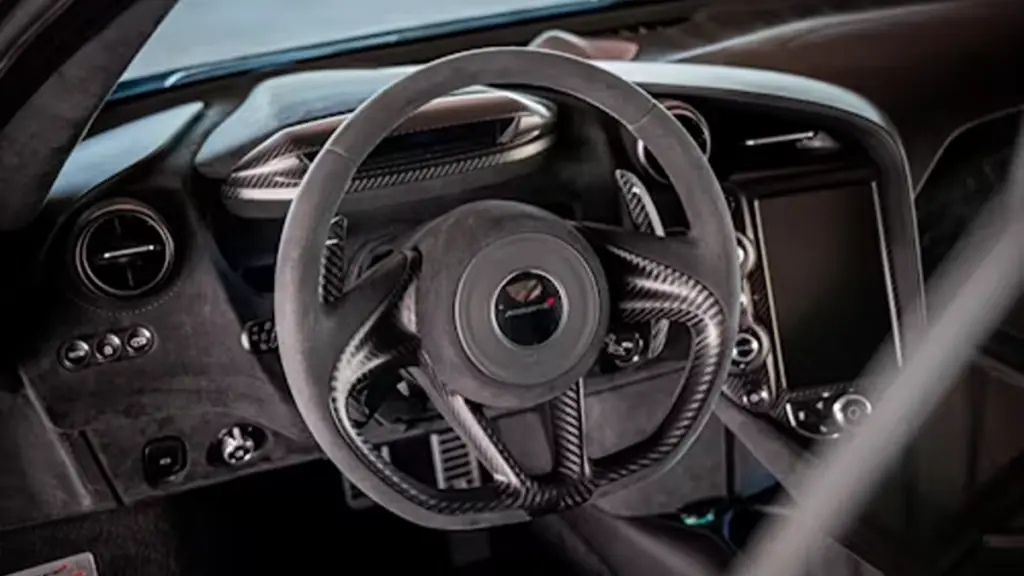
For interior parts like center console trims, steering wheel covers, and paddle shifters, prepreg carbon is undeniably better. Here is why cheap wet layup parts usually fail inside a car, and why prepreg wins:
- The Thickness Problem: Resin is applied by hand in wet layups, making the final part thick and bulky. If you install a thick, wet carbon cover over your dashboard, OEM buttons might get stuck or fail to press down fully. Prepreg carbon is compressed in an autoclave. This creates an ultra-thin profile that maintains proper clearance for all buttons and switches.
- Perfect Snap-In Fitment: Many premium interior parts need to clip perfectly into the factory dashboard. The thick, uneven edges of wet carbon make it nearly impossible to replicate exact OEM clips. Prepreg carbon is incredibly dense. This allows factories to use CNC machines to cut razor-sharp edges and strong mounting tabs, guaranteeing a precise 1:1 fitment.
- Heat Degradation and Yellowing: A car parked in the summer sun exposes interior parts to high cabin temperatures. In cheap wet layup parts, the basic epoxy resin quickly degrades from heat and UV exposure. This causes the carbon to turn yellow or cloudy. Prepreg carbon is cured at extreme temperatures during manufacturing, giving it superior thermal stability. Additionally, premium parts are sealed with a specialized UV-blocking clear coat. This protects the underlying resin and prevents yellowing over time.
Common Misunderstandings About CFRP, Prepreg, and Dry Carbon
The car parts industry often uses confusing terminology. Here is the simple truth behind the terms:
Clarifying the Terms: Prepreg Is a Type of CFRP
As we mentioned earlier, do not assume these are totally different materials. Prepreg is simply the highest grade of CFRP. If a supplier sells a part simply as “CFRP” without specifying how it was made, they are almost certainly using the cheaper, hand-applied wet lay-up method.
The Truth About “Dry Carbon”
“Dry Carbon” doesn’t mean the carbon fiber is literally dry. It is a common industry term used to describe parts made from prepreg material and cured in an autoclave. It is called “dry” because the raw prepreg fabric feels relatively dry to the touch. This is a contrast to the soaking-wet, resin-heavy process of a traditional wet lay-up.
Final Thoughts
In the high-end automotive aftermarket, close enough is never good enough. While traditional wet layups might offer lower initial costs, the unpredictable fitment, heavy edges, and surface flaws often lead to expensive returns and frustrated buyers. Sourcing prepreg carbon fiber is an investment in reliability, allowing you to confidently promise your customers perfect snap-in fitment, lasting UV protection, and the flawless aesthetic that luxury vehicles demand.
At Shasha Carbon, we eliminate the guesswork from your supply chain by exclusively utilizing Autoclave-cured prepreg materials. Whether you are expanding your current product line or developing a completely custom carbon fiber kit, our engineering team is ready to support your vision.
Contact us today to discuss your OEM manufacturing needs and discover how our zero-tolerance production standards can elevate your brand.