

Does carbon fiber rust? The short answer is no. Because it lacks iron, carbon fiber is completely immune to rusting. However, that doesn’t mean your parts are invincible. For buyers and manufacturers, UV degradation and galvanic corrosion are the actual threats that destroy composite hardware and trigger expensive warranty claims. Here is what really causes carbon fiber components to fail over time. We will show you exactly how to prevent it.
Why Carbon Fiber Doesn’t Rust
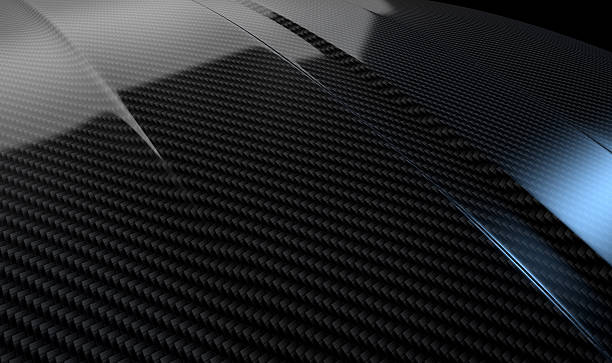
Fibra de carbono is completely immune to rust because it contains absolutely zero iron. Rust is a specific chemical reaction called oxidation. It only happens to iron-based metals like steel. Carbon fiber is made of chemically inert carbon atoms. Therefore, the rusting process physically cannot start.
These inert atoms do not react with oxygen or moisture. They will not break down the way steel does. This fundamental difference is exactly why carbon fiber remains so durable. It easily survives harsh environments that quickly destroy traditional metal parts.
However, the carbon fibers do not exist alone. They are held together by an epoxy resin. This resin is highly vulnerable. Without protection, UV radiation from sunlight will damage it. A protective finish is non-negotiable. All Shasha Carbon products feature a high-gloss, UV-resistant clear coat. It functions as a critical anti-oxidation layer. This coating prevents the resin from yellowing and protects structural integrity over the long term.
What Actually Ages Carbon Fiber?
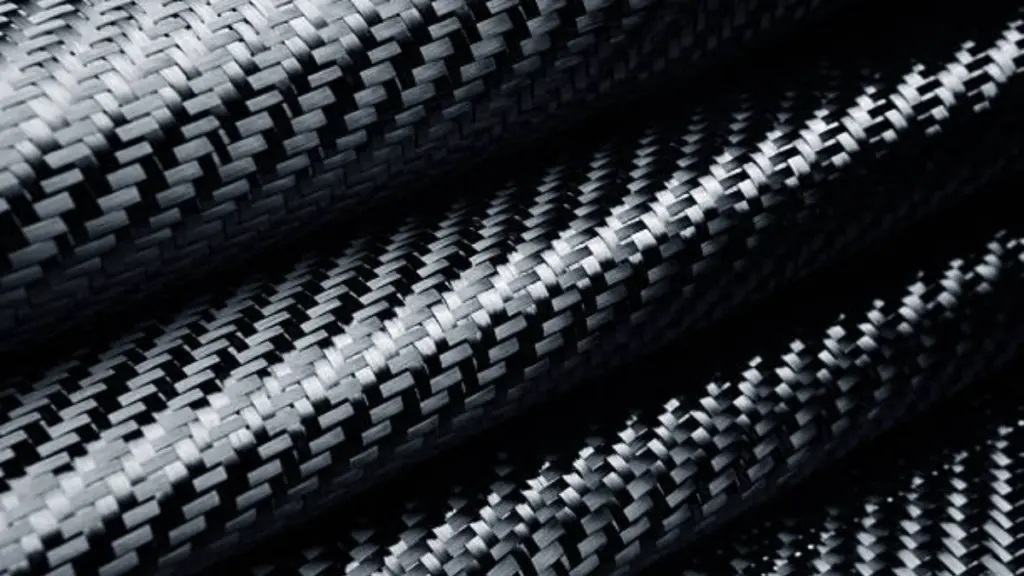
People often ask if carbon fiber parts degrade over time. The real issue is never the carbon fiber itself. It is the material holding it all together.
Why the Resin Matrix Degrades
Pure carbon fibers will not break down from normal environmental exposure. However, an epoxy resin matrix holds these fibers in place. This polymer resin is what actually degrades. Harsh elements cause surface microcracks to form. These tiny cracks allow moisture and oxygen to penetrate deeper. Over time, this weakens the crucial bond between the resin and the fibers.
Primary Environmental Threats
While immune to rust, carbon fiber composites face three main environmental enemies:
- UV Radiation: Direct sunlight is the most significant threat. It breaks down the polymers in the unprotected resin. This causes the finish to yellow, fade, and lose its deep shine. It is the primary cause of cosmetic failure in low-quality parts.
- Moisture & Heat: Water weakens the resin. In severe cases, it leads to delamination, causing the carbon fiber layers to separate. It also creates cosmetic issues like stubborn water spots.
- Chemical Contaminants: Road debris, bird droppings, bug splatter, and harsh cleaning agents can easily etch and stain the surface if the protective clear coat is compromised.
OEM-Fit Dry Carbon Parts That Drive Sales.
Galvanic Corrosion: When Carbon Fiber Meets Metal
While carbon fiber itself does not corrode, its high electrical conductivity can accelerate severe corrosion in attached metal components. In fact, the most common failure point in composite assemblies is rarely the carbon fiber. It is the direct physical contact with metal hardware.
Carbon fiber behaves similarly to a metal. It is highly conductive. When it touches a less noble metal like aluminum or steel in a moist environment, it triggers a reaction. This process is called galvanic corrosion. It essentially creates a destructive electrical circuit.
This circuit aggressively speeds up the corrosion of the metal component. It destroys fasteners, brackets, and aluminum inserts. Meanwhile, the carbon fiber remains completely unaffected. This is why simply using carbon fiber is never enough. Proper integration and electrical isolation are critical to prevent structural failures.
How to Prevent Degradation and Corrosion Issues
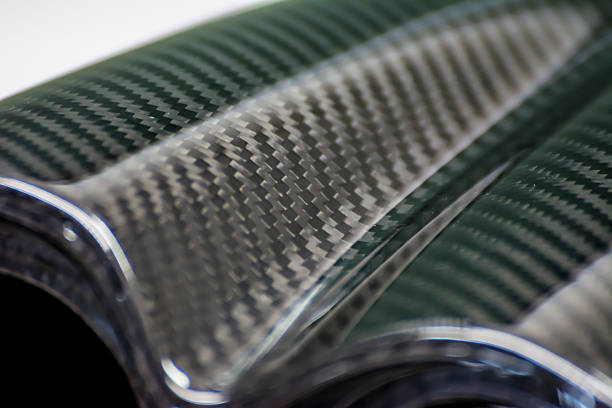
To protect carbon fiber, you must isolate it from dissimilar metals. You must also apply a quality UV-resistant clear coat to block moisture and sun damage.
Prevention Strategy:
- Galvanic Corrosion Prevention: Use an insulating barrier between carbon fiber and metal parts to break the electrical circuit. A glass veil or fiberglass works perfectly. Select fasteners made from electrochemically compatible materials, such as titanium.
- Environmental Degradation Prevention: Apply a high-gloss, UV-resistant clear coat. Ensure a smooth, non-porous finish to seal the surface completely. This prevents moisture and chemicals from penetrating the composite.
Isolating Metals and Sealing Surfaces
Galvanic corrosion relies on electrical contact and moisture. The fix is simple: break the connection. Engineers achieve this by placing a non-conductive barrier between the carbon and metal surfaces. A thin layer of fiberglass or a glass veil is a standard solution. This physical separation stops the galvanic process before it starts.
Properly sealing joints is equally critical. Moisture seeping into the interface acts as an electrolyte. This completes the corrosive circuit. Waterproof sealants prevent water ingress at these vulnerable points. Additionally, you should choose electrochemically compatible fasteners like titanium. This is a standard engineering practice for long-term safety.
The Role of a Premium UV-Resistant Clear Coat
Isolating metals prevents galvanic corrosion. However, a premium clear coat remains your primary defense against the environment. UV radiation is the biggest enemy of the epoxy resin. Without protection, the sun quickly breaks down this matrix. The composite part will yellow, fade, and lose structural integrity.
To combat this, at Shasha Carbon, we apply a high-gloss, UV-resistant clear coat. We do this in a specialized, constant-temperature, dust-free workshop. This controlled application creates a perfectly smooth, non-porous seal. It actively protects the underlying Japan Toray 3K weave. The coating blocks moisture, road salt, and chemical contaminants. This guarantees a flawless, mirror-like finish over the long term.
Final Thoughts
Ultimately, asking if carbon fiber rusts misses the real threat. While the carbon weave itself is completely immune to rust, the surrounding resin and attached metal hardware are not. Long-term durability requires much more than just raw material. It demands strategic galvanic isolation and a premium UV-resistant clear coat to prevent structural degradation.
This is exactly where choosing the right manufacturing partner becomes critical. At Shasha Carbon, we engineer our OEM carbon fiber parts to survive these harsh environments. We combine genuine Japan Toray 3K fiber with precision autoclave molding. Every piece then receives a flawless, dust-free UV coating. This guarantees a mirror-like, non-yellowing finish that permanently protects your brand from costly customer returns.
👉Contact our team today to request a full product catalog or discuss your specific OEM requirements.
Frequently Asked Questions
How long do carbon fiber car parts last?
High-quality carbon fiber parts can easily last the lifetime of the vehicle if properly maintained. The carbon weave itself never degrades. Longevity entirely depends on the quality of the UV-resistant clear coat protecting the resin.
Can you repair yellowed or faded carbon fiber?
Light surface fading or minor clear coat scratches can often be polished out. However, deep yellowing means UV radiation has permanently damaged the underlying epoxy resin. This structural damage cannot be reversed.
Is carbon fiber completely waterproof?
The raw carbon fibers are waterproof. However, the epoxy resin matrix can absorb trace amounts of moisture over time if the surface coating is compromised. This is why a flawless, non-porous clear coat is critical.
Does winter road salt damage carbon fiber?
Salt does not affect the carbon fibers. However, it can slowly degrade the protective clear coat. More importantly, it rapidly accelerates the galvanic corrosion of any attached metal hardware. Regular rinsing during winter is highly recommended.
What is the safest way to wash carbon fiber components?
Use a pH-neutral car shampoo and a soft microfiber towel. Avoid harsh acidic cleaners or abrasive brushes. These aggressive products can etch the protective clear coat and expose the vulnerable epoxy resin to the elements.
 Spanish
  English
  Arabic
  French
  German
  Hindi
Hindi  Italian
  Japanese
  Korean
  Portuguese
  Russian